Long flights, train rides, and even car trips can be significantly improved with the right travel pillow. But simply owning one isn't enough; knowing how to use it correctly is key to maximizing comfort and preventing neck pain or stiffness. A travel pillow, when used properly, supports your head and neck, allowing you to relax and even sleep in otherwise uncomfortable positions. Choosing the right type of travel pillow for your needs and understanding different usage techniques can truly transform your travel experience.
This guide will walk you through the different types of travel pillows available, how to select the best one for your needs, and provide step-by-step instructions on how to use it effectively in various travel scenarios. We'll cover everything from inflatable neck pillows to supportive body pillows, ensuring you arrive at your destination feeling refreshed and ready to go.
Prepare to learn the secrets of comfortable travel and say goodbye to those awkward, neck-straining naps! Let's dive in and unlock the full potential of your travel pillow.
Step 1: Choosing the Right Type of Travel Pillow
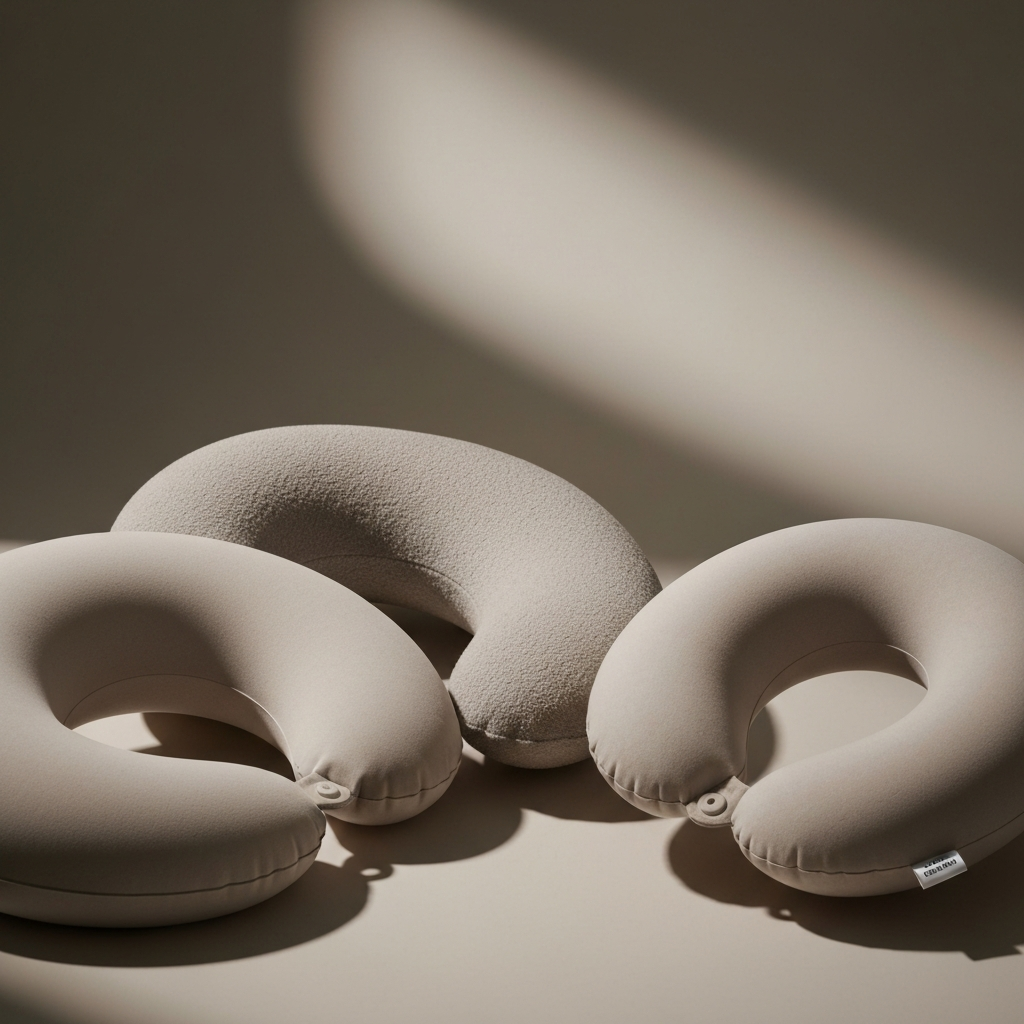
Selecting the right type of travel pillow is crucial for optimal comfort. The most common type is the U-shaped neck pillow, which cradles your neck and prevents your head from slumping to the side. These are available in various materials like memory foam, microbeads, and inflatable options. Consider your sleeping style and travel needs when choosing. For example, memory foam offers excellent support, while inflatable pillows are space-saving. Body pillows, though bulkier, can provide full-body support, especially on longer journeys. Consider pillows that attach to the seatbelt, allowing for more stability and comfort during your travels.
Step 2: Preparing Your Inflatable Travel Pillow (If Applicable)
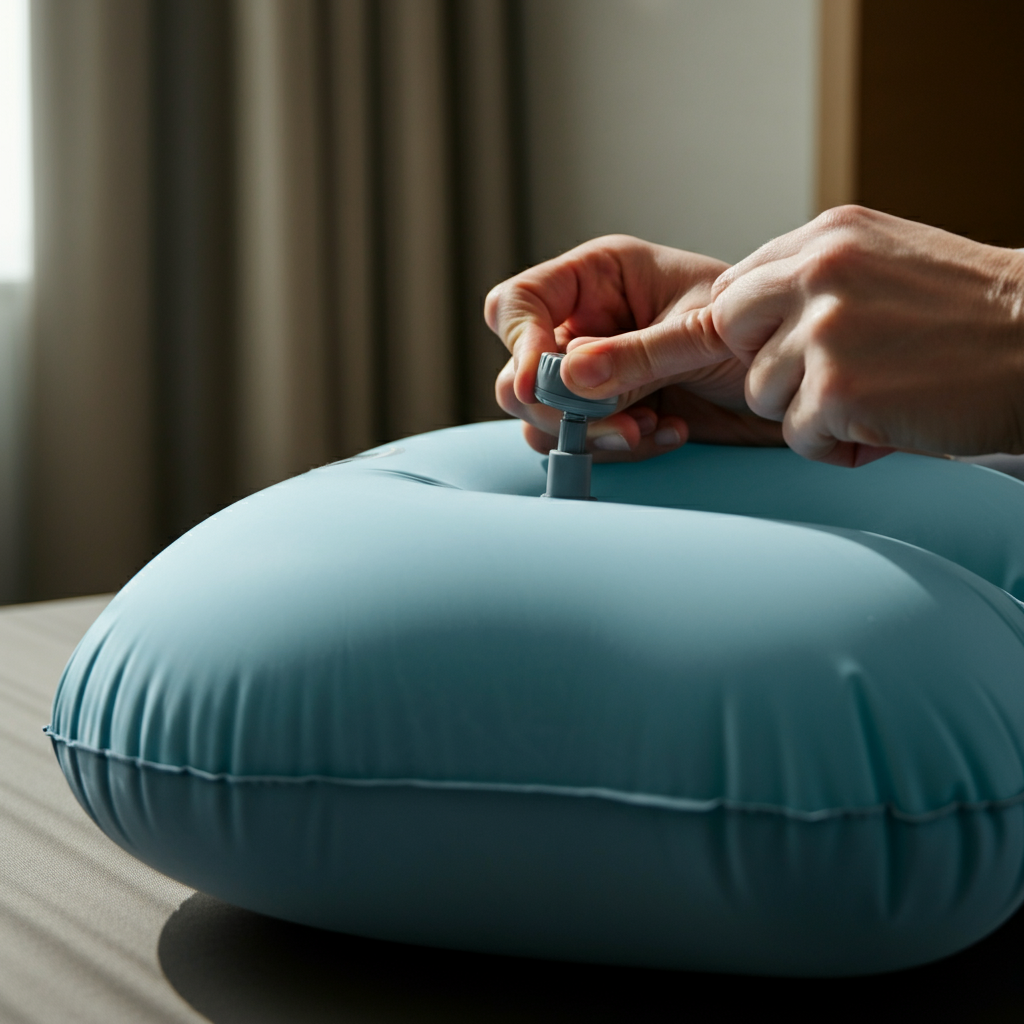
If you opted for an inflatable travel pillow, proper inflation is essential. Locate the valve and open it. Depending on the model, you may need to blow air into it manually or use a built-in pump. Inflate the pillow until it's firm but not overly inflated; it should have some give. Over-inflation can make the pillow too rigid and uncomfortable. After inflation, ensure the valve is securely closed to prevent air leakage. Some inflatable pillows self-inflate by twisting a valve, follow specific manufacturer's instructions.
Step 3: Positioning Your Neck Pillow for Optimal Support
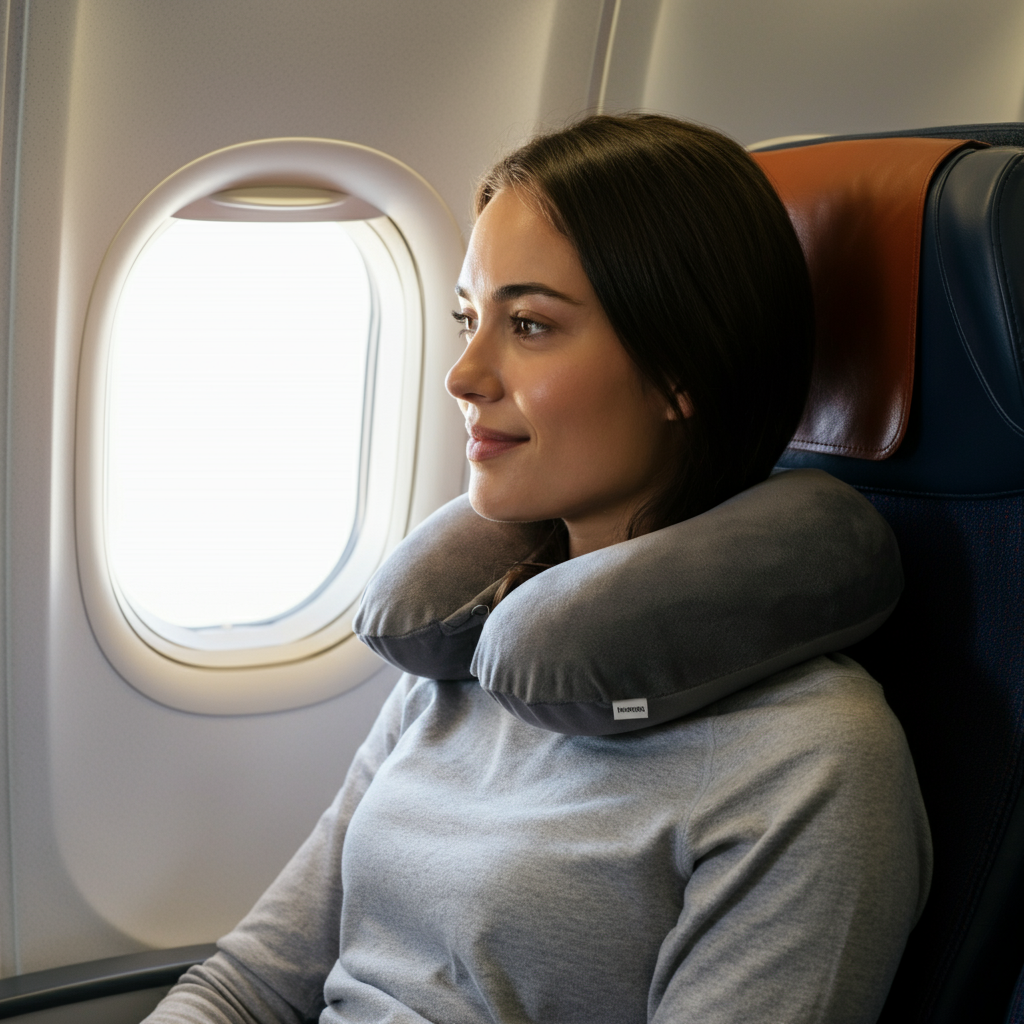
For U-shaped neck pillows, position the pillow around the back of your neck with the opening at the front. Ensure the pillow supports your neck without forcing your head forward. Adjust the position until you feel comfortable and your head is naturally supported. Some people prefer turning the pillow around so that the thicker part supports the chin, preventing the head from nodding forward. Experiment with different positions to find what works best for you.
Step 4: Utilizing a Body Pillow for Enhanced Comfort
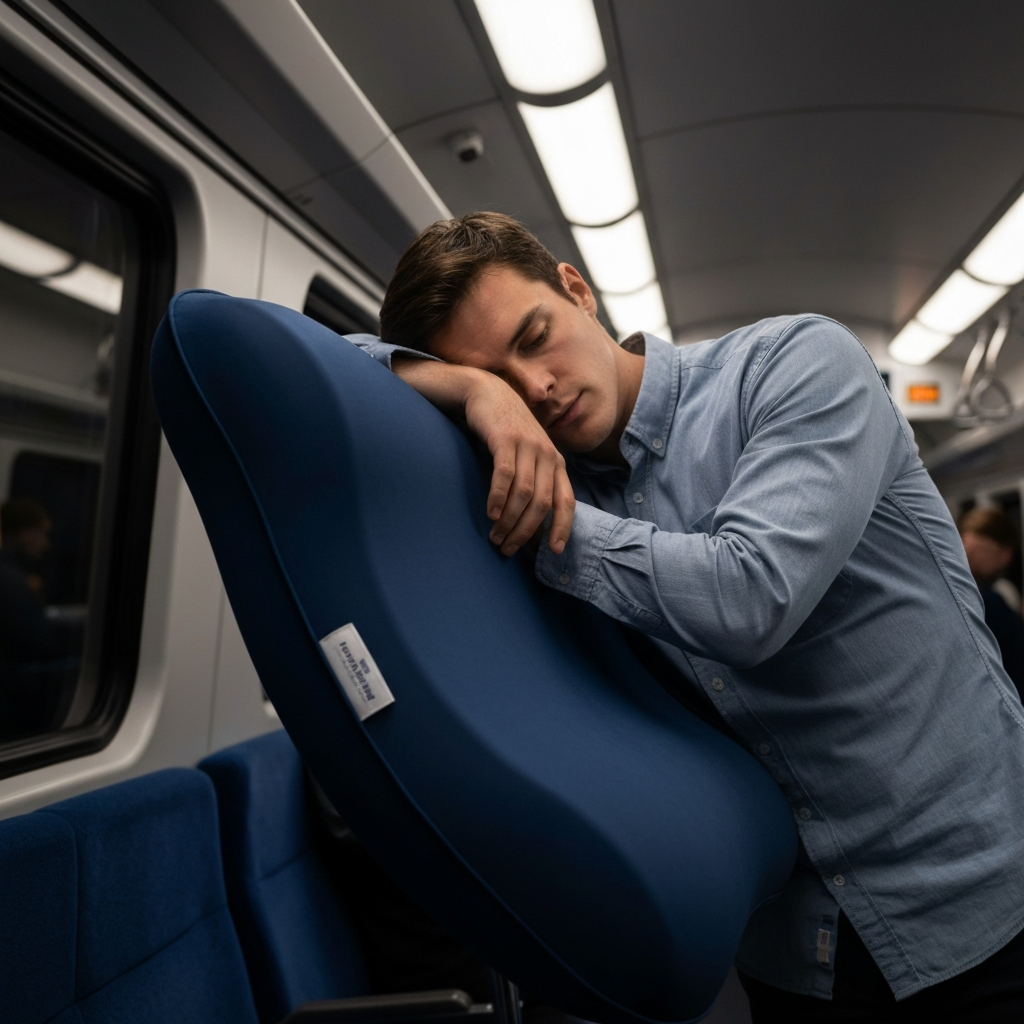
Body pillows offer more extensive support. Place the pillow against your side or lean it against the window or seat. Adjust your position until the pillow provides adequate support for your head, neck, and upper body. Some body pillows have specific designs that contour to your body for a more ergonomic fit. If using a body pillow that attaches to the seat, ensure it is securely fastened before leaning against it. Wear loose clothing to avoid compression when using a body pillow.
Step 5: Adapting to Different Sleeping Positions
Whether you prefer to sleep upright, leaning to the side, or even leaning forward, adapt your travel pillow accordingly. If you're reclining, the U-shaped pillow should adequately support your neck. If leaning to the side, adjust the pillow to cradle your head. If you prefer leaning forward, consider placing the pillow on the tray table for added support. Adjust the pillow to maintain a neutral spine alignment, regardless of your sleeping position.

Step 6: Enhancing Comfort with Additional Accessories
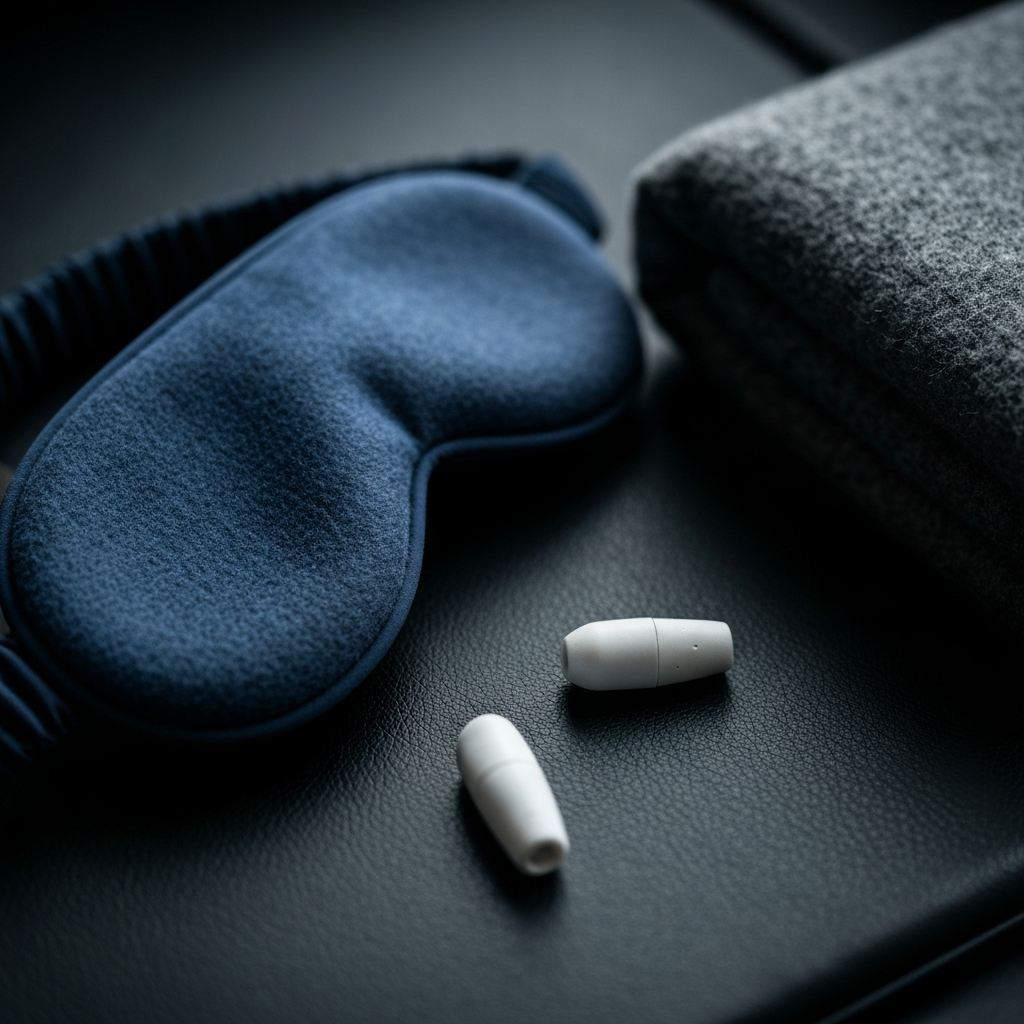
To further enhance your travel comfort, consider using additional accessories. An eye mask can block out distracting light, while noise-canceling headphones or earplugs can minimize noise. A light blanket can provide warmth and create a more comfortable sleeping environment. Combining these accessories with your travel pillow can significantly improve your ability to rest and relax during your journey.
Common Mistakes to Avoid
- Over-inflating inflatable pillows: This can lead to discomfort and even neck pain.
- Incorrectly positioning the pillow: Ensure the pillow supports your neck without forcing your head forward.
- Ignoring personal comfort preferences: Experiment with different pillows and positions to find what works best for you.
- Forgetting additional accessories: Eye masks, earplugs, and blankets can significantly enhance comfort.
Pro Tips
- Always test your travel pillow before your trip to ensure it's comfortable.
- Bring a clean pillowcase or scarf to cover your pillow for added hygiene.
- Adjust your seat to a slightly reclined position for better support.
- Use a travel-sized aromatherapy spray to create a relaxing atmosphere.
FAQ Section
Q: How do I clean my travel pillow?
A: Check the manufacturer's instructions for specific cleaning guidelines. Most pillows can be spot-cleaned with a damp cloth and mild soap. Removable covers can often be machine washed.
Q: Can I use a travel pillow in a car?
A: Yes, travel pillows can be beneficial in cars, especially on long drives. Ensure the pillow doesn't obstruct your vision or interfere with the seatbelt.
Q: Are travel pillows suitable for children?
A: Yes, but choose a pillow specifically designed for children's smaller necks and heads. Ensure the pillow is made from safe, non-toxic materials.
Conclusion
Using a travel pillow correctly can drastically improve your comfort and well-being during travel. By choosing the right type of pillow, positioning it properly, and utilizing additional accessories, you can transform even the most uncomfortable journeys into restful experiences. Remember to consider your personal preferences, adapt to different sleeping positions, and avoid common mistakes. With these tips, you'll be well on your way to arriving at your destination feeling refreshed and ready to enjoy your trip. Happy travels and comfortable napping!