The cross, a symbol instantly recognizable around the world, carries a profound weight of history, faith, and culture. While often associated with Christianity, various forms of crosses exist, each with unique origins and meanings, spanning religious, cultural, and even secular contexts. Understanding these diverse forms provides insight into the evolution of symbolism and its powerful influence on societies.
This guide explores an array of crosses, from foundational Christian symbols to heraldic designs and crosses adopted by other faiths and cultures. We will delve into the history, symbolism, and practical applications of each type, offering a comprehensive overview for anyone interested in the rich tapestry of cross symbolism. Prepare to uncover the hidden stories and profound meanings embedded within these iconic designs.
Whether you're a student of religious studies, a history enthusiast, or simply curious about the world around you, this guide aims to provide a clear and informative understanding of the many types of crosses and their significance. Join us as we embark on a journey through centuries of symbolism, exploring the enduring power of the cross in its myriad forms.
Step 1: Identifying the Latin Cross
The Foundation: Latin Cross
The Latin Cross, also known as the "crux immissa," is arguably the most recognized Christian cross. Its simple design features a longer vertical bar intersected by a shorter horizontal bar, symbolizing the cross upon which Jesus Christ was crucified. This cross is a cornerstone of Christian iconography and is frequently found in churches, cemeteries, and personal adornments. It's important to note that an upside-down Latin Cross is referred to as the St. Peter's Cross.

Step 2: Exploring the Greek Cross
Equal Arms: Greek Cross
The Greek Cross distinguishes itself from the Latin Cross by having four arms of equal length. This symmetrical design was widely adopted in Christian churches from the 4th century onwards and has become a national symbol for countries like Greece and Switzerland. The equal arms can symbolize the four corners of the earth or the balance and harmony within the universe. Its simplicity and balanced form make it a popular choice for architectural designs and emblems.

Step 3: Understanding the Orthodox Cross
The Significance of Bars: Orthodox Cross
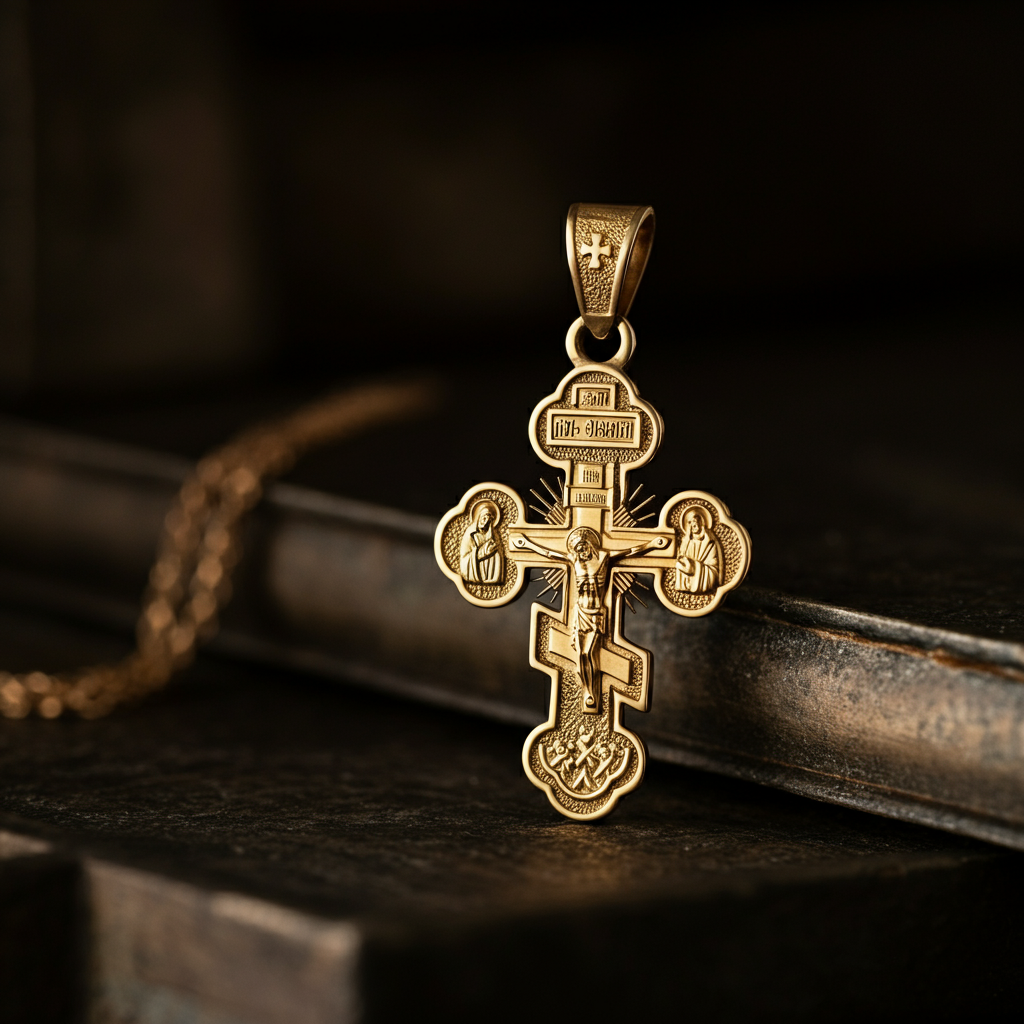
The Orthodox Cross, deeply rooted in Eastern Christian tradition, resembles the Latin Cross but incorporates two additional horizontal bars. The top bar represents the inscription "INRI" (Jesus of Nazareth, King of the Jews), while the bottom slanted bar symbolizes the footrest used during the crucifixion. The slant of the lower bar is significant, traditionally interpreted to represent the thief who repented on the cross, ascending to heaven, and the unrepentant thief descending. Its multi-layered symbolism and historical significance make it a powerful emblem of Orthodox faith.
Step 4: Delving into the Staurogram
Early Symbolism: Staurogram
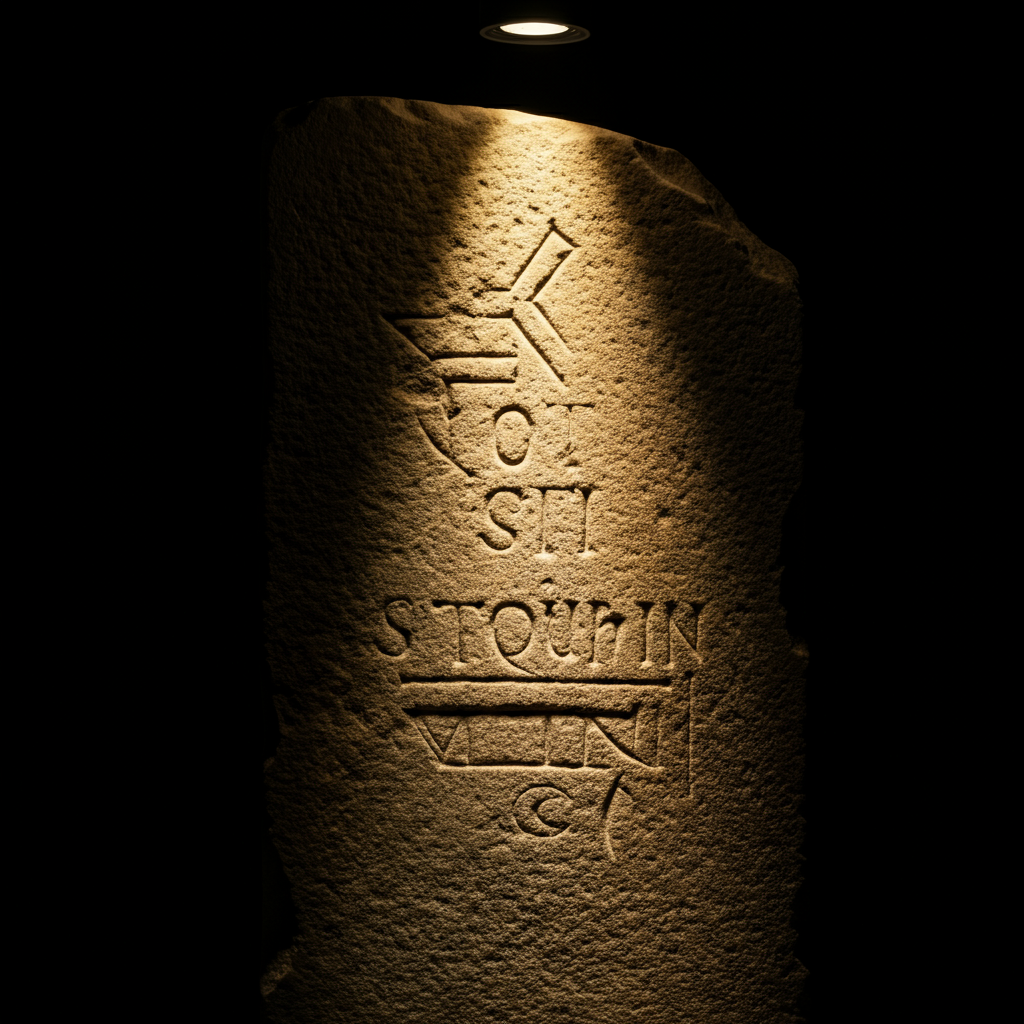
The Staurogram is an early Christian symbol that merges the Greek letters tau (T) and rho (P) to form a symbol that resembles a person hanging on a cross. This combination is believed to be a visual representation of the crucifixion, predating the widespread use of the full depiction of the cross. Its minimalist design and early adoption offer a glimpse into the evolving symbolism within early Christian communities. The origins of the Staurogram, while debated, highlight the creative ways early Christians expressed their faith.
Step 5: Deciphering the Iota-Chi Cross
Greek Letters: Iota-Chi Cross
The Iota-Chi Cross combines the first letters of "Jesus" (Iota) and "Christ" (Chi) in Greek, superimposed over a vertical bar. This symbol, found on Christian tombs dating back to the 3rd century, represents the dual nature of Jesus Christ. The intersecting letters symbolize the inseparable union of Jesus's humanity and divinity. The Iota-Chi cross provides a connection to early Christian burial practices and their expressions of faith in the afterlife.

Step 6: Examining the Chi-Rho
Constantine's Vision: Chi-Rho
The Chi-Rho, also known as the Cross of Constantine, combines the Greek letters chi (X) and rho (P), often flanked by alpha and omega. Legend has it that Emperor Constantine saw this symbol in a vision before a battle, leading to his victory and subsequent conversion to Christianity. The Chi-Rho became a powerful symbol of imperial endorsement of Christianity, influencing its spread throughout the Roman Empire. The presence of alpha and omega signifies Christ as the beginning and the end.

Step 7: Recognizing the Anchor Cross
Hope and Security: Anchor Cross
The Anchor Cross, a Latin Cross with an anchor at its base, symbolizes hope, security, and steadfastness in Christ. This symbol resonated with early Christians facing persecution, offering a visual reminder of their unwavering faith. The anchor also connects to St. Clement, who was martyred by being tied to an anchor and thrown into the sea, adding another layer of meaning to the cross. It serves as a reminder of resilience and enduring faith in the face of adversity.

Step 8: Identifying the Tau Cross
St. Anthony's Cross: Tau Cross
The Tau Cross, shaped like the letter "T," was a significant symbol for early Christians, representing the cross used by the Romans for crucifixion. Its simple shape made it easily recognizable and served as a powerful reminder of Christ's sacrifice. Also known as St. Anthony's Cross, and closely associated with the Franciscan Order, the Tau Cross embodies humility and devotion, continuing to be used as a symbol of faith and commitment.

Step 9: Understanding the Crucifix Cross
Emphasizing Sacrifice: Crucifix Cross
The Crucifix Cross is a Latin Cross that includes a representation of the body of Jesus Christ. Dating back to the 6th century CE, this type of cross emphasizes Christ's sacrifice and suffering on the cross. It is a prominent symbol in Catholic tradition, serving as a visual reminder of the ultimate act of love and redemption. The presence of the corpus (body of Christ) distinguishes it from a plain Latin Cross.
Step 10: Exploring the Early Coptic Cross
Egyptian Christianity: Early Coptic Cross
The Early Coptic Cross, originating in Egypt around the 4th century CE, features a tau shape with a "bullseye" at the top. This "bullseye" is a circle with a cross inside, symbolizing unity. The overall design resembles a person with outstretched arms, representing embrace and welcome, embodying the inclusive nature of Christian love. This unique design reflects the cultural context of early Christianity in Egypt.
Common Mistakes to Avoid
- Misidentifying similar crosses: Pay close attention to subtle differences in arm lengths, additional bars, and decorative elements.
- Attributing incorrect meanings: Research the historical and cultural context of each cross before assigning a symbolic interpretation.
- Assuming all crosses are Christian: Remember that some crosses have pre-Christian origins or are used in non-Christian contexts.
Conclusion
The world of crosses is rich and diverse, reflecting centuries of faith, culture, and artistic expression. From the foundational Latin Cross to the intricate designs of regional and heraldic crosses, each type carries its own unique story and symbolism. By understanding these differences, we gain a deeper appreciation for the enduring power of the cross as a symbol of hope, sacrifice, and cultural identity. This guide has provided a foundational understanding of the many types of crosses, encouraging further exploration and appreciation for this iconic symbol.