Field trips are a fantastic opportunity for learning outside the classroom, creating lasting memories, and experiencing new things. But to ensure a positive and enriching experience, safety is paramount. This guide provides practical steps to help you navigate field trips responsibly and confidently, minimizing risks and maximizing fun. We'll cover everything from basic physical safety to handling dietary needs and staying healthy while away from home.
It's understandable for parents and guardians to have concerns about their children's well-being during field trips. These concerns often revolve around getting lost, potential interactions with strangers, visiting unfamiliar or potentially unsafe locations, and ensuring appropriate behavior. By following the guidelines outlined in this guide, you can help alleviate these worries and ensure a safe and enjoyable trip for everyone involved.
Remember, being prepared and proactive is key to a successful field trip. Let's dive into the essential steps you can take to stay safe and make the most of your adventure!
Step 1: Memorize or Carry Essential Contact Information
Before embarking on your field trip, it's crucial to have immediate access to important contact information. If you're young or don't have a personal phone with your parents' contacts readily available, memorize at least one parent or guardian's phone number. As a backup, write down all essential contact numbers, including your parents', a trusted relative, and the school's emergency contact, on an index card. Keep this card in a secure, easily accessible small bag.
In this bag, also include essential items like a water bottle, a small notebook, and your lunchbox if lunch isn't provided. If you don't have your own phone but need to reach your parents, immediately seek help from a teacher or chaperone. They can assist you in contacting your family. In indoor locations like hotels, don't hesitate to ask a staff member to use their phone for emergencies.

Step 2: Practice Road Safety Awareness
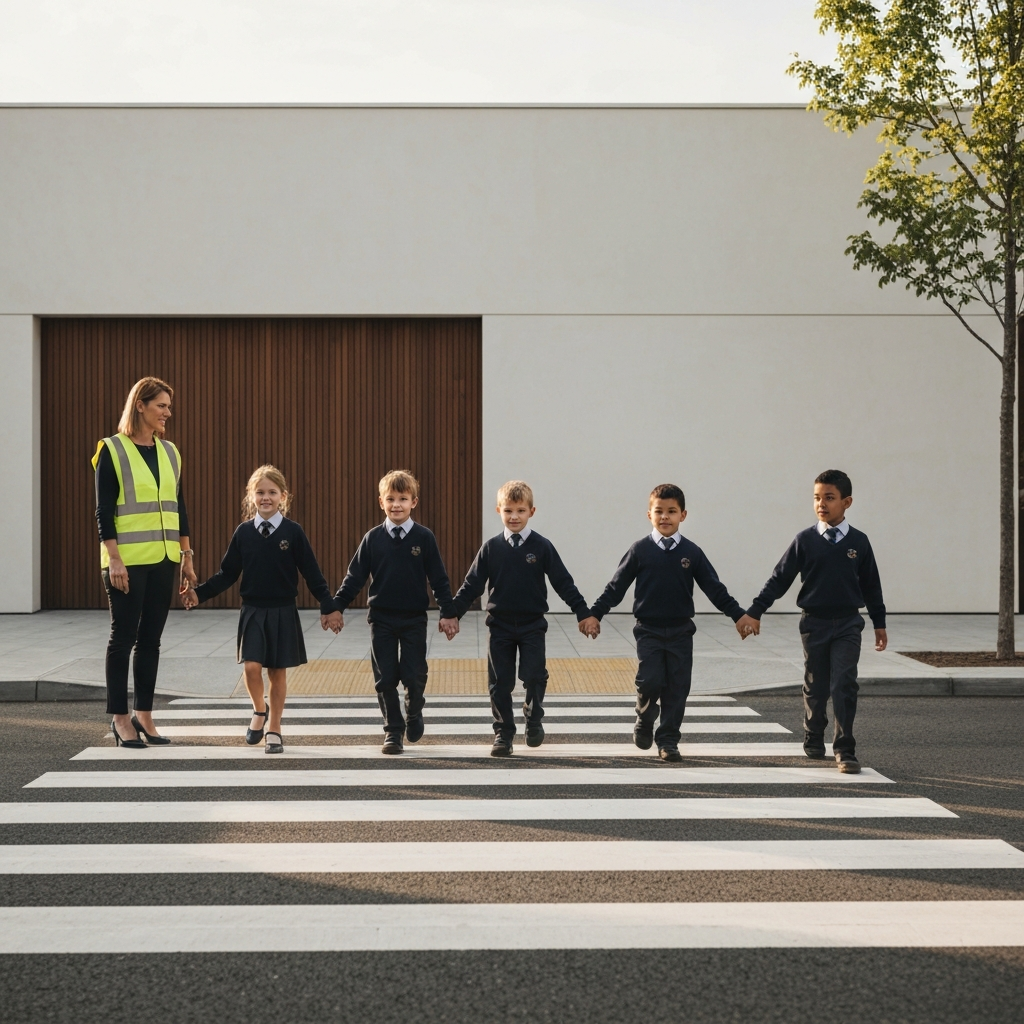
Road safety is paramount when navigating streets during your field trip. Before crossing any road, remember to look both ways carefully. This ensures that no vehicles are approaching unexpectedly. When crossing, walk at a brisk pace, but avoid running, which increases the risk of falling. Never cross a road against a red light at a pedestrian crossing. Always wait for the signal to change.
Even if you don't see any immediate vehicle traffic, never assume it's safe to cross without caution. A car could appear suddenly, so always remain vigilant. By adhering to these basic road safety rules, you'll significantly reduce the risk of accidents and ensure your well-being.
Step 3: Stay With Your Assigned Group
Teachers and chaperones typically divide students into smaller groups before or upon arrival at the field trip destination. It's crucial to remain with your assigned group at all times to prevent getting lost or separated. Constantly be aware of the students from your school surrounding you to ensure you're with the correct group. If you lose focus or become distracted, your group may move on without you.
If you need to use the restroom, always ask a chaperone or teacher for assistance. They will guide you to the restroom and remain nearby until you return. This is a critical safety measure, especially in unfamiliar environments. It's better to wait than to risk wandering off alone.
Step 4: Obtain Permission Before Exploring
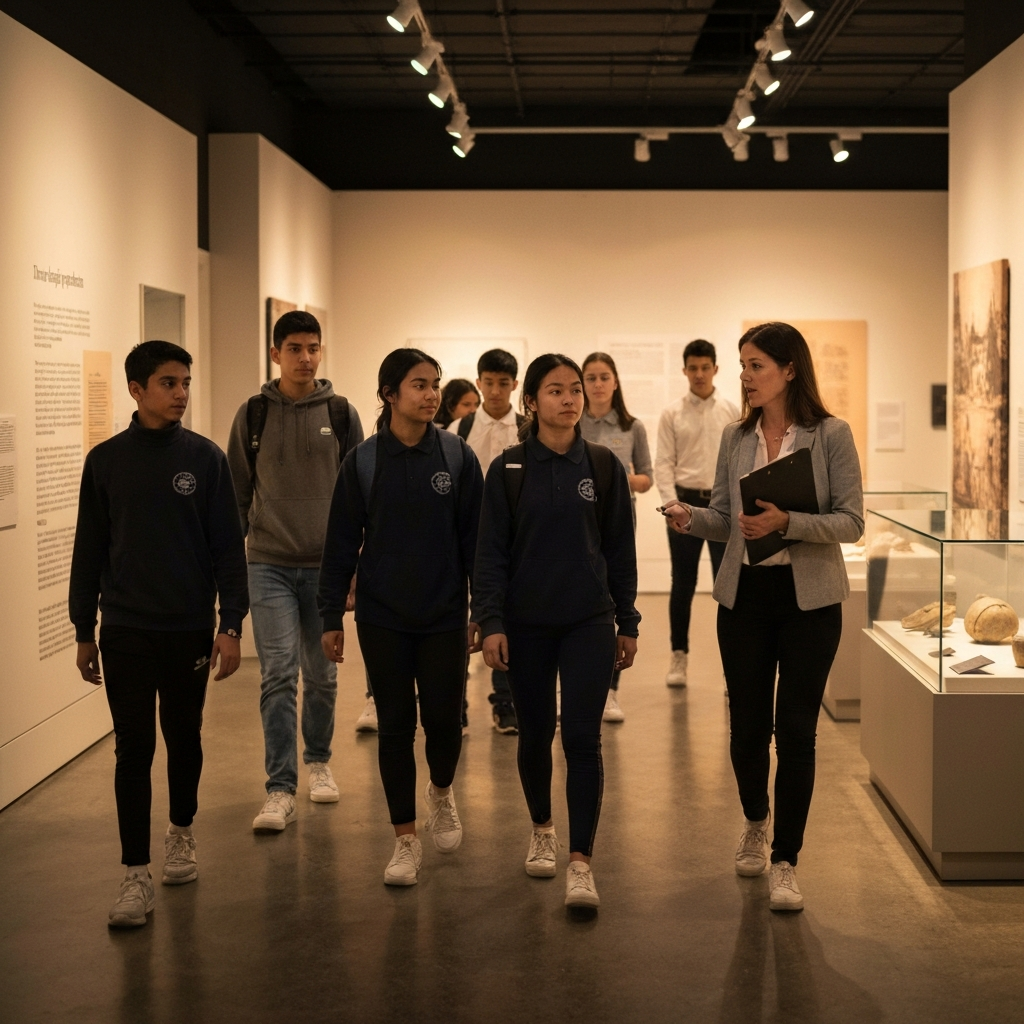
Resist the temptation to wander off to explore other areas or rooms without explicit permission from a teacher or chaperone. If you decide to sneak away, you risk becoming disoriented and finding that your group has moved on. Moreover, venturing off without permission is generally against school rules and could lead to disciplinary action. Always seek permission before leaving your group's designated area.
If you're genuinely interested in visiting a specific exhibit or area, ask your teacher if it's possible for the group to visit or if you can join another group that is already planning to go there. Open communication is key to ensuring your safety and satisfying your curiosity.

Step 5: Utilize the Buddy System
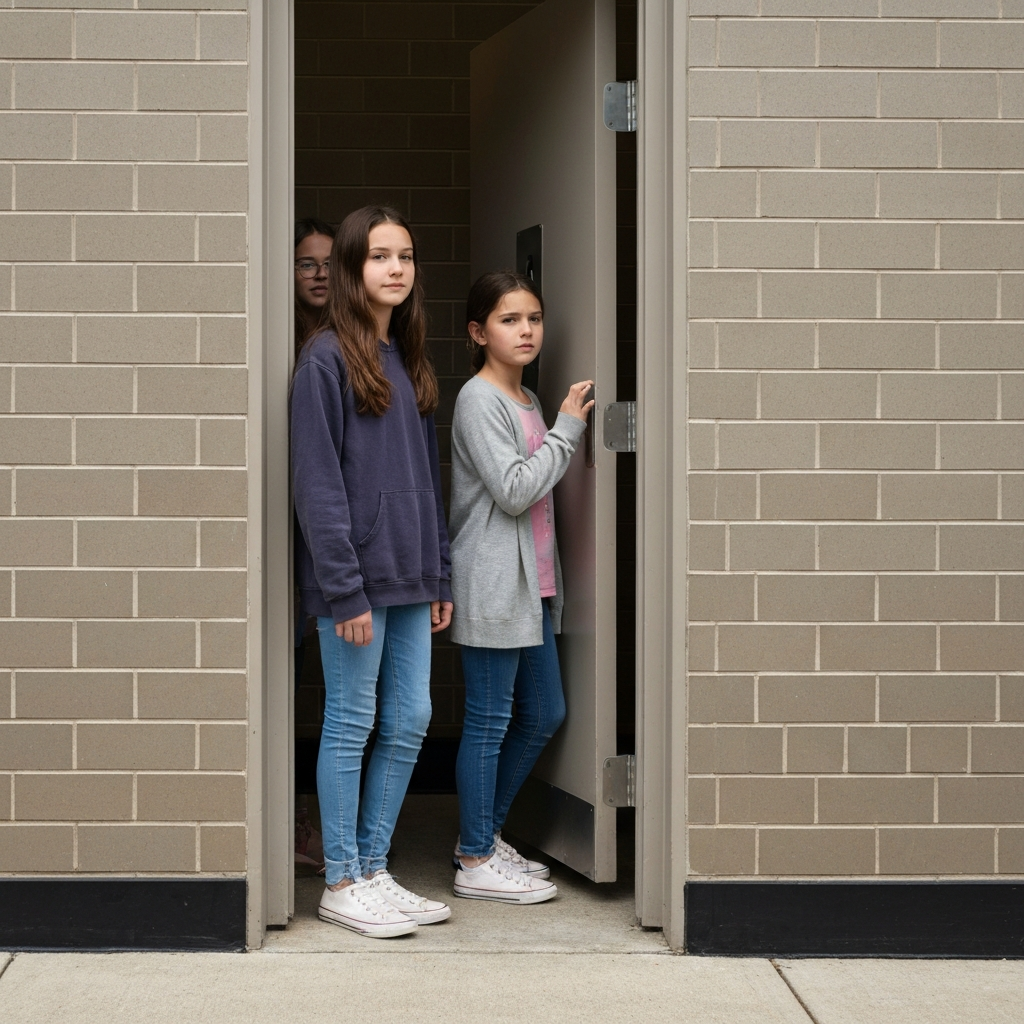
Whenever possible, avoid going to the restroom alone. Especially for younger students, teachers often assign restroom partners to ensure safety. If you're older, bring a trusted friend or classmate with you. Having a buddy enhances security and provides someone to look out for you.
While one person uses the restroom, the other can keep an eye on the surroundings and the group's general direction. You can take turns monitoring the situation, minimizing the chance of getting separated from your group. This simple strategy can prevent unnecessary stress and potential safety concerns.
Step 6: Seek Help if You Get Lost
If, despite your best efforts, you find yourself lost, don't panic. The most important thing is to seek help immediately. If you're in an indoor location like a museum or hotel, locate the front desk, usually found on the first floor, and ask a staff member for assistance. Clearly state your school's name and your own name to help them locate your group.
If you have a phone, call a friend or teacher immediately. Avoid asking strangers who don't appear to be staff members for assistance, as you cannot be certain of their intentions. Prioritize contacting trusted individuals who can guide you back to your group.

Step 7: Practice Healthy Eating Habits
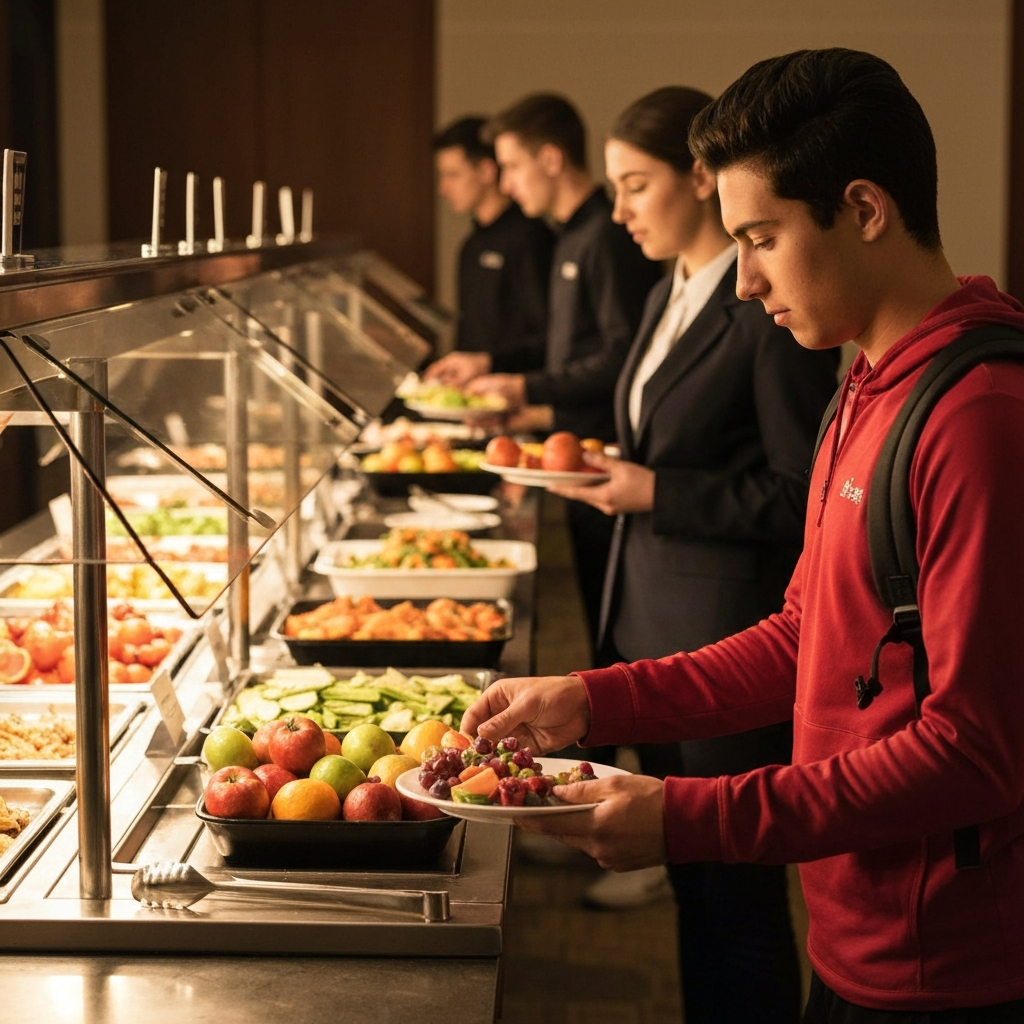
If your field trip involves staying away from home for several days, you might have the opportunity to enjoy different cuisines. However, avoid using the trip as an excuse to indulge in excessive amounts of junk food. Constant movement and activity require nutritious food to maintain energy levels and prevent stomach upset.
Overeating unhealthy foods can lead to digestive issues, making it difficult to find a convenient time and place to use the restroom while the group is constantly on the move. Choose balanced meals and snacks to ensure your physical comfort and well-being throughout the trip.
Step 8: Be Mindful of Food Allergies
If you have any food allergies, it's essential to be vigilant and proactive during your field trip. Always remember the types of food allergies you have and inform your teacher about them if you haven't already. Pack an allergen-free snack in case you get hungry and there are no safe options available.
When dining at restaurants, carefully review the menu and select dishes that don't contain your allergens. Don't hesitate to ask the waiter about specific ingredients to ensure the meal is safe for you. Communicating clearly about your allergies is crucial for preventing allergic reactions.

Step 9: Maintain Cleanliness
Maintaining cleanliness is essential for preventing the spread of germs and maintaining good hygiene. After eating, promptly clean up after yourself. Avoid eating in places that are difficult to clean, such as your hotel bed or on the bus. This helps prevent messes and makes it easier for everyone to keep the environment tidy.
When dining out, wipe your mouth and be mindful of food crumbs that may fall onto the table. By cleaning up after yourself, you're contributing to a cleaner and more pleasant environment for everyone.
Step 10: Practice Bathroom Hygiene
Public restrooms can harbor millions of germs and bacteria. To minimize the risk of infection, always place a disposable seat cover on the toilet before using it. Most restrooms provide these seat covers for your convenience. If seat covers are unavailable, use toilet paper to create a barrier between you and the toilet seat.
Another option, particularly for females, is to hover over the toilet seat while urinating. However, ensure you aim properly to avoid making a mess. Prioritizing bathroom hygiene is crucial for protecting yourself from potential health risks.
Step 11: Wash Your Hands Frequently
Handwashing is one of the most effective ways to prevent the spread of germs. Always wash your hands after meals and after using the restroom. Public places are teeming with germs, so frequent handwashing is essential for maintaining good hygiene.
If you're menstruating, wash your hands before and after changing your sanitary products to reduce the risk of infection. If you touch potentially contaminated surfaces, such as handrails or bus seats, use hand sanitizer to freshen up your hands. Hand sanitizer provides a convenient way to disinfect your hands when soap and water aren't readily available.
Step 12: Wear a Mask If You Feel Sick
If you suspect you might be getting sick, start wearing a mask immediately to prevent the spread of potential illness. Bring several masks with you on the field trip in case you or others around you start feeling unwell. For example, if you share a hotel room with someone who is sick, wearing a mask when you're near them can help protect you.
If you exhibit any signs of sickness, even a simple cold, inform a teacher immediately. They can assess your condition and determine if it's necessary for you to recover at home to prevent spreading the illness to other students. In the meantime, use hand sanitizer frequently and practice diligent bathroom hygiene. If you experience diarrhea, take extra precautions in the restroom and wash your hands thoroughly after each use.
Safety Considerations
- Review the field trip itinerary with your parents and teachers beforehand.
- Know the emergency procedures and evacuation plans.
- Be aware of your surroundings and report any suspicious activity to a teacher or chaperone.
- Dress appropriately for the weather and the activities planned.
- Stay hydrated by drinking plenty of water throughout the day.
Conclusion
By following these guidelines, you can ensure a safe, enjoyable, and educational field trip. Remember to prioritize your safety, stay with your group, communicate openly with teachers and chaperones, and practice good hygiene. With proper preparation and awareness, you can make the most of this valuable learning experience and create lasting memories.