Riding an All-Terrain Vehicle (ATV) can be an exhilarating and rewarding experience, offering access to remote landscapes and a thrilling sense of freedom. However, ATVs are powerful machines that demand respect and a thorough understanding of safe operating practices. Jumping on an ATV without proper preparation is a recipe for disaster.
This comprehensive guide will walk you through the essential steps to start riding an ATV safely and responsibly. From choosing the right machine and gear to mastering fundamental riding techniques, we'll cover everything you need to know to embark on your ATV adventure. Remember, safety is paramount. This guide prioritizes safe practices, but it is not a substitute for formal training.
Prepare to learn the ropes, build confidence, and experience the joy of off-road exploration. Let's get started!
Step 1: Choosing the Right ATV
Selecting Your First ATV
Selecting the right ATV is crucial for a safe and enjoyable learning experience. ATVs come in various sizes and engine capacities, each designed for different riders and purposes. As a beginner, you should prioritize a machine that is manageable and forgiving. Consider a smaller displacement ATV (e.g., 250cc-400cc) with an automatic or semi-automatic transmission. These ATVs are typically lighter, easier to control, and offer a more gradual learning curve. Avoid high-performance sport models or large utility ATVs until you have gained considerable experience.
Ensure the ATV fits you properly. You should be able to comfortably reach the handlebars, footrests, and controls without straining. If purchasing for a younger rider, youth models are designed with smaller frames and reduced power output.

Step 2: Essential Safety Gear
Gearing Up for Safety
Protective gear is non-negotiable when riding an ATV. Never operate an ATV without the proper safety equipment. A helmet is the most crucial piece of gear, protecting your head from potentially life-threatening injuries. Choose a DOT-approved helmet that fits snugly and securely. In addition to a helmet, you should wear eye protection (goggles or a face shield), gloves, sturdy boots that cover your ankles, and durable clothing such as a long-sleeved shirt and pants.
Consider investing in chest and back protectors for added protection, especially as you progress to more challenging terrain. The right gear can significantly reduce the risk of serious injury in the event of an accident.

Step 3: Pre-Ride Inspection
Ensuring Mechanical Soundness
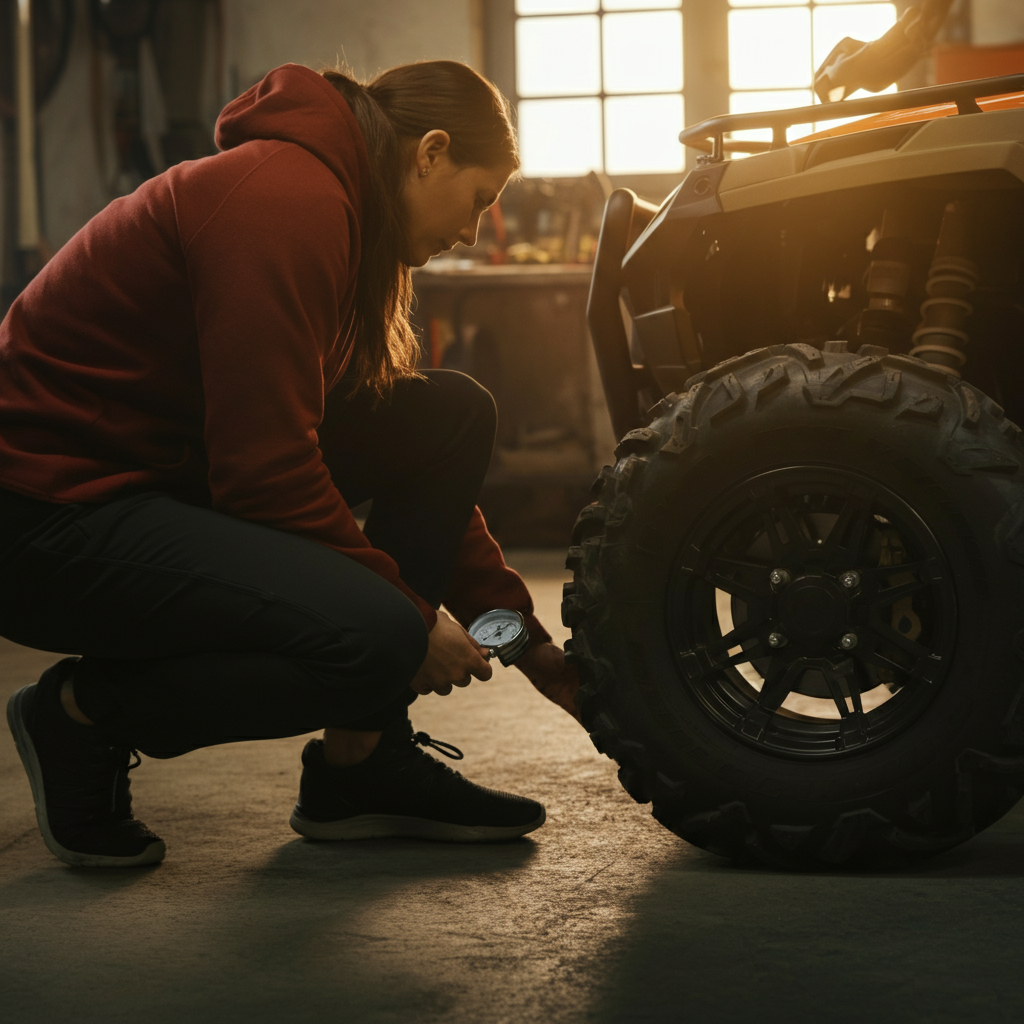
Before each ride, conduct a thorough inspection of your ATV to ensure it is in safe operating condition. Check the tire pressure, fluid levels (oil, coolant, brake fluid), and the condition of the brakes, throttle, and steering. Pay close attention to the brakes, ensuring they are responsive and properly adjusted. Inspect the chain or drive belt for wear and tear, and lubricate as needed. Make sure all lights are working properly, and that there are no loose or damaged parts. A pre-ride inspection is a simple yet essential step that can prevent mechanical failures and potential accidents.
Step 4: Starting and Basic Controls
Mastering the Fundamentals
Familiarize yourself with the ATV's controls before starting the engine. Locate the ignition switch, throttle, brakes, gear shift (if applicable), and any other relevant controls. Once you're comfortable with the layout, start the engine according to the manufacturer's instructions. Begin by practicing throttle control in a safe, open area. Gently apply the throttle to move forward, and gradually increase the speed as you become more comfortable. Practice braking smoothly and evenly, using both the front and rear brakes simultaneously. Avoid abrupt movements or sudden acceleration, as this can lead to loss of control.

Step 5: Shifting Gears (If Applicable)
Understanding Manual Transmissions
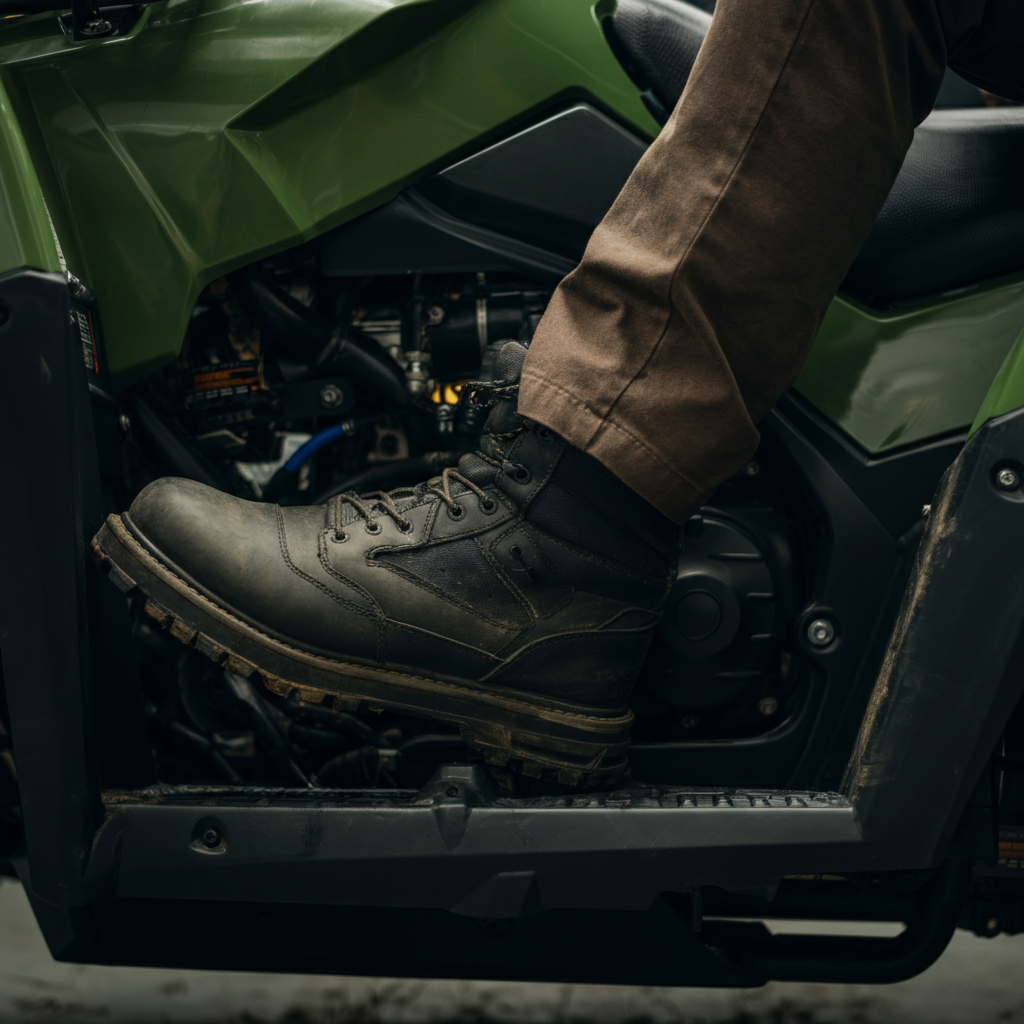
If your ATV has a manual transmission, mastering the art of shifting gears is essential. The clutch lever, typically located on the left handlebar, disengages the engine from the transmission, allowing you to shift gears. To shift up, release the throttle, pull in the clutch lever, shift to the next higher gear with your left foot, and then smoothly release the clutch lever while gradually applying the throttle. Practice shifting gears in a controlled environment until you can do so smoothly and confidently. Downshifting is the reverse process, requiring you to press down on the gear shift lever with your left foot while pulling the clutch lever and releasing the throttle.
Step 6: Turning and Weight Shifting
The Art of Cornering
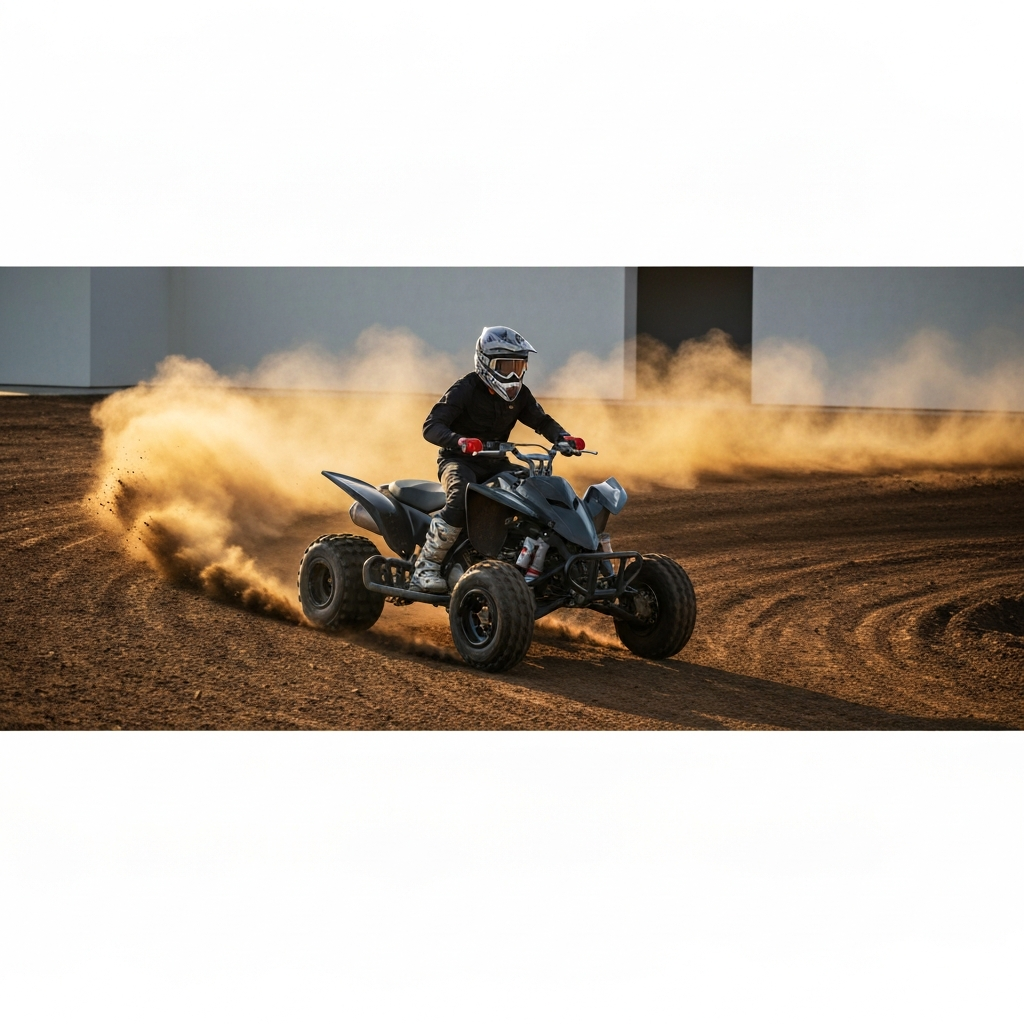
Turning an ATV effectively involves a combination of steering and weight shifting. As you approach a turn, slow down and lean your body in the direction of the turn. Shifting your weight to the inside of the turn helps to maintain balance and prevent the ATV from tipping over. Use the handlebars to steer in the desired direction, and gradually apply the throttle to maintain momentum. Practice turning at varying speeds to develop your skills and confidence.
Step 7: Terrain Awareness
Reading the Land
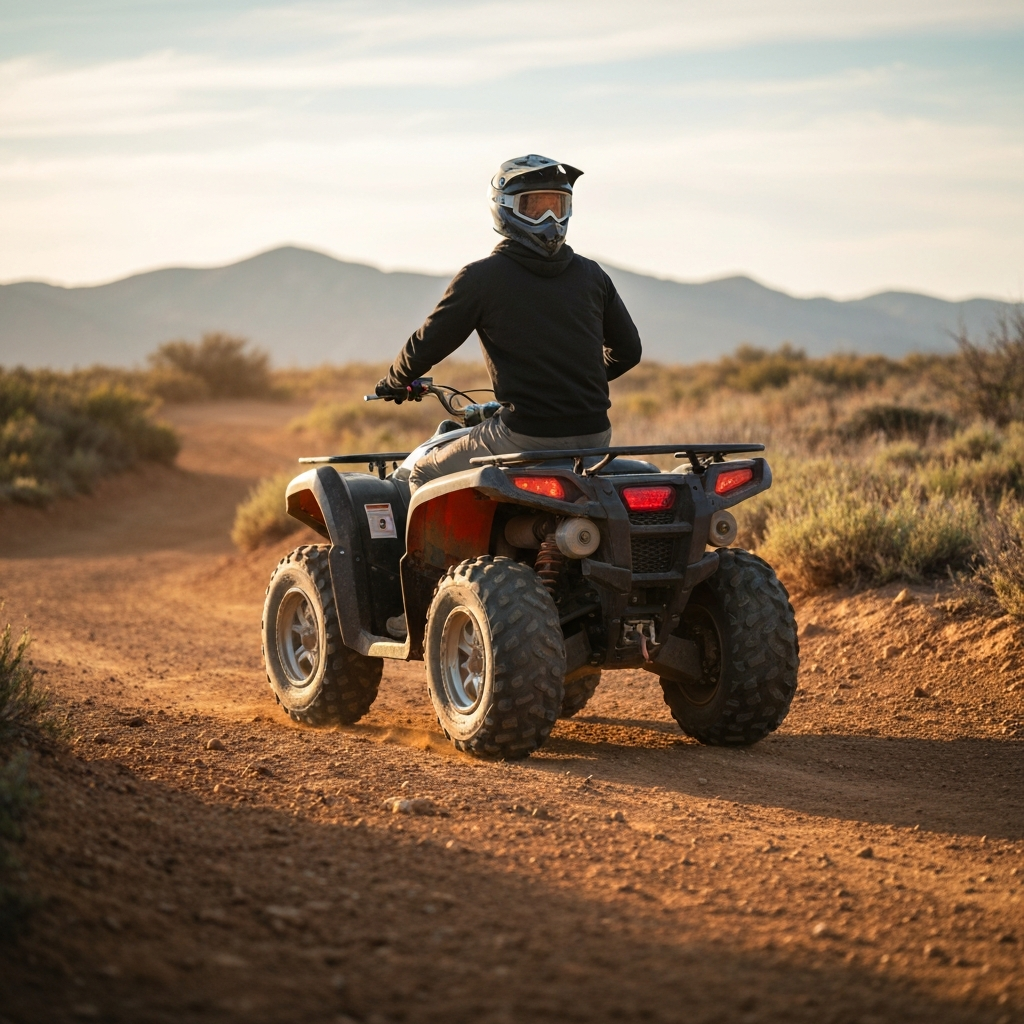
Being aware of your surroundings is crucial for safe ATV riding. Scan the terrain ahead for potential hazards, such as rocks, holes, fallen branches, and other obstacles. Adjust your speed and riding style to match the terrain conditions. Avoid riding on steep slopes or unstable surfaces until you have gained sufficient experience. Be mindful of other riders, hikers, and wildlife, and always yield the right-of-way.
Step 8: Emergency Stops
Preparedness is Key
Knowing how to execute an emergency stop is a critical safety skill. In the event of an unexpected obstacle or hazard, apply both the front and rear brakes firmly and evenly. Avoid locking up the brakes, as this can cause the ATV to skid and lose control. Shift your weight slightly backward to prevent the ATV from pitching forward. Practice emergency stops in a safe, open area until you can execute them quickly and effectively.
Safety Considerations
- Never ride under the influence of alcohol or drugs.
- Always ride within your skill level.
- Be aware of your surroundings and potential hazards.
- Never carry passengers unless the ATV is designed for it.
- Respect private property and stay on designated trails.
- Take an ATV safety course to learn advanced riding techniques and safety procedures.
Common Mistakes to Avoid
- Riding without proper safety gear.
- Overestimating your abilities.
- Riding too fast for the conditions.
- Failing to inspect the ATV before each ride.
- Neglecting to maintain the ATV properly.
Pro Tips
- Start slow and gradually increase your speed and difficulty as you gain experience.
- Practice riding in different types of terrain to develop your skills.
- Join an ATV club or riding group to learn from experienced riders.
- Take an advanced ATV safety course to improve your riding skills and knowledge.
FAQ Section
Q: What is the minimum age for riding an ATV?
A: Age restrictions vary by state and local regulations. Generally, children under 16 should only operate youth-sized ATVs under adult supervision.
Q: Do I need a license to ride an ATV?
A: Licensing requirements vary by state. Some states require ATV operators to have a valid driver's license or complete an ATV safety course.
Q: Where can I ride an ATV legally?
A: ATVs are typically allowed on designated trails, off-road parks, and private property with the owner's permission. Check your local regulations for specific restrictions.
Conclusion
Learning to ride an ATV safely and responsibly requires patience, practice, and a commitment to following established safety guidelines. By choosing the right ATV, wearing proper safety gear, mastering fundamental riding techniques, and being aware of your surroundings, you can enjoy the thrill of off-road exploration while minimizing the risk of accidents. Remember to always prioritize safety, and never hesitate to seek professional training to enhance your skills and knowledge. With the right preparation and attitude, you can embark on countless unforgettable ATV adventures.