Spring break is a much-anticipated respite from the rigors of academic life. It's a chance to recharge, explore new interests, and break free from the routine of classes and homework. However, with a little planning, you can ensure that your spring break is not only enjoyable but also a valuable opportunity for personal growth and development.
This guide is designed to provide students with a comprehensive overview of how to make the most of their spring break. From exciting travel ideas to productive activities that can enhance your skills and knowledge, we'll cover a wide range of options to help you create a memorable and fulfilling break. Remember, the key is to strike a balance between relaxation and engagement, tailoring your break to your individual needs and aspirations.
Whether you're looking to embark on an adventure, contribute to your community, or simply unwind and recharge, this guide will equip you with the knowledge and resources you need to make the most of your time off. Let's dive in and explore the possibilities!
Step 1: Planning & Budgeting Your Spring Break
Before diving into specific activities, it’s essential to start with a solid plan. This involves setting realistic expectations, considering your budget, and identifying your priorities for the break. Ask yourself what you truly want to gain from this time off – is it relaxation, adventure, skill development, or a combination of all three? Begin by creating a list of potential activities, then research their associated costs. This could include transportation, accommodation, food, entertainment, and any necessary supplies. It's crucial to establish a budget early on and stick to it. Look for affordable options, such as staying with friends or family, camping, or exploring local attractions.

Step 2: Exploring Travel Options
For many students, spring break is synonymous with travel. Whether it’s a road trip with friends, a visit to family, or an international adventure, travel offers a unique opportunity to experience new cultures, broaden your horizons, and create lasting memories. When considering travel options, think about your budget, interests, and travel style. Are you an adventurous backpacker, a luxury traveler, or something in between? Research different destinations and compare prices for flights, accommodation, and activities. Consider alternative travel methods, such as buses or trains, which can be significantly cheaper than flying. Also, look for deals on accommodation, such as hostels, Airbnb, or camping.

Step 3: Volunteering and Community Engagement
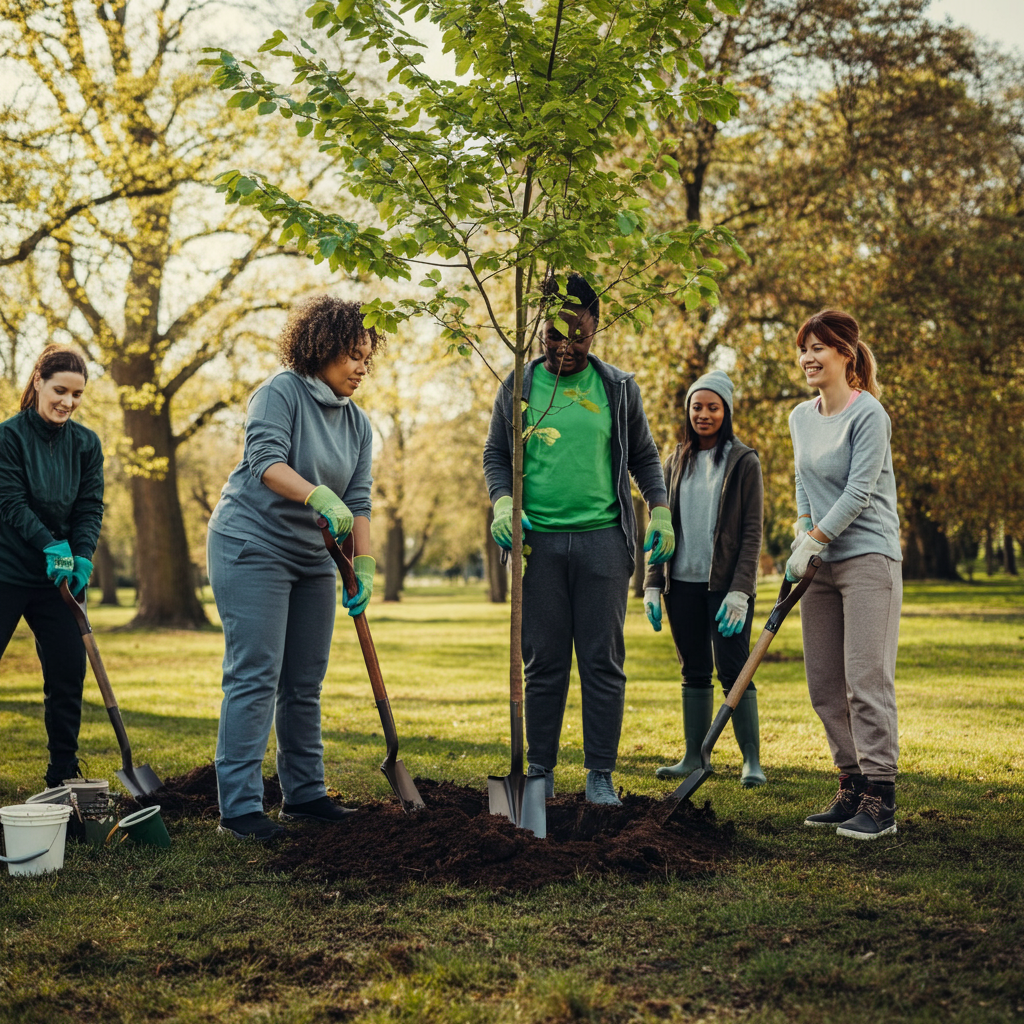
Spring break doesn’t have to be all about leisure and recreation. It can also be a valuable opportunity to give back to your community and make a positive impact on the world. Volunteering can be a rewarding experience that allows you to develop new skills, meet new people, and gain a sense of purpose. There are countless ways to volunteer during spring break, from working at a local food bank to participating in a conservation project. Research organizations in your area or search for volunteer opportunities online. Consider your interests and skills when choosing a volunteer activity. Whether you’re passionate about environmental conservation, social justice, or animal welfare, there’s a volunteer opportunity out there for you.
Step 4: Skill Development and Learning
Spring break provides a unique opportunity to invest in your personal and professional development. Without the demands of classes and assignments, you can dedicate time to learning new skills, pursuing your interests, and expanding your knowledge. Consider taking an online course, attending a workshop, or reading books on topics that interest you. Learning a new language, coding, or mastering a software program can significantly enhance your resume and open up new career opportunities. You could also explore creative pursuits, such as writing, painting, or playing a musical instrument.

Step 5: Relaxation and Recharge
While it’s important to make the most of your spring break, it’s equally important to prioritize relaxation and recharge. Burnout is a common problem among students, and taking time to rest and rejuvenate is essential for maintaining your physical and mental well-being. Make sure to schedule some downtime into your spring break. This could involve sleeping in, reading a book, spending time in nature, or simply relaxing at home. Avoid over-scheduling yourself and allow for spontaneity. Remember, the goal is to return to school feeling refreshed and energized, ready to tackle the challenges ahead.