While health-related fitness focuses on overall well-being, skill-related fitness hones in on your capacity to learn and execute specific physical skills effectively. It's about optimizing your body and mind to perform athletic or everyday tasks with precision and grace. This guide will delve into the six key components of skill-related fitness and provide practical exercises to improve each one.
Skill-related fitness isn't just for athletes; it benefits everyone. Improved agility can help you avoid everyday accidents, better balance can reduce the risk of falls, and enhanced reaction time can keep you safe while driving. By understanding and developing these components, you can unlock your physical potential and enhance your overall quality of life.
This comprehensive guide will equip you with the knowledge and tools to assess your current skill levels, identify areas for improvement, and implement targeted training strategies. Let's embark on this journey towards mastering skill-related fitness!
Step 1: Understanding Agility
What is Agility?
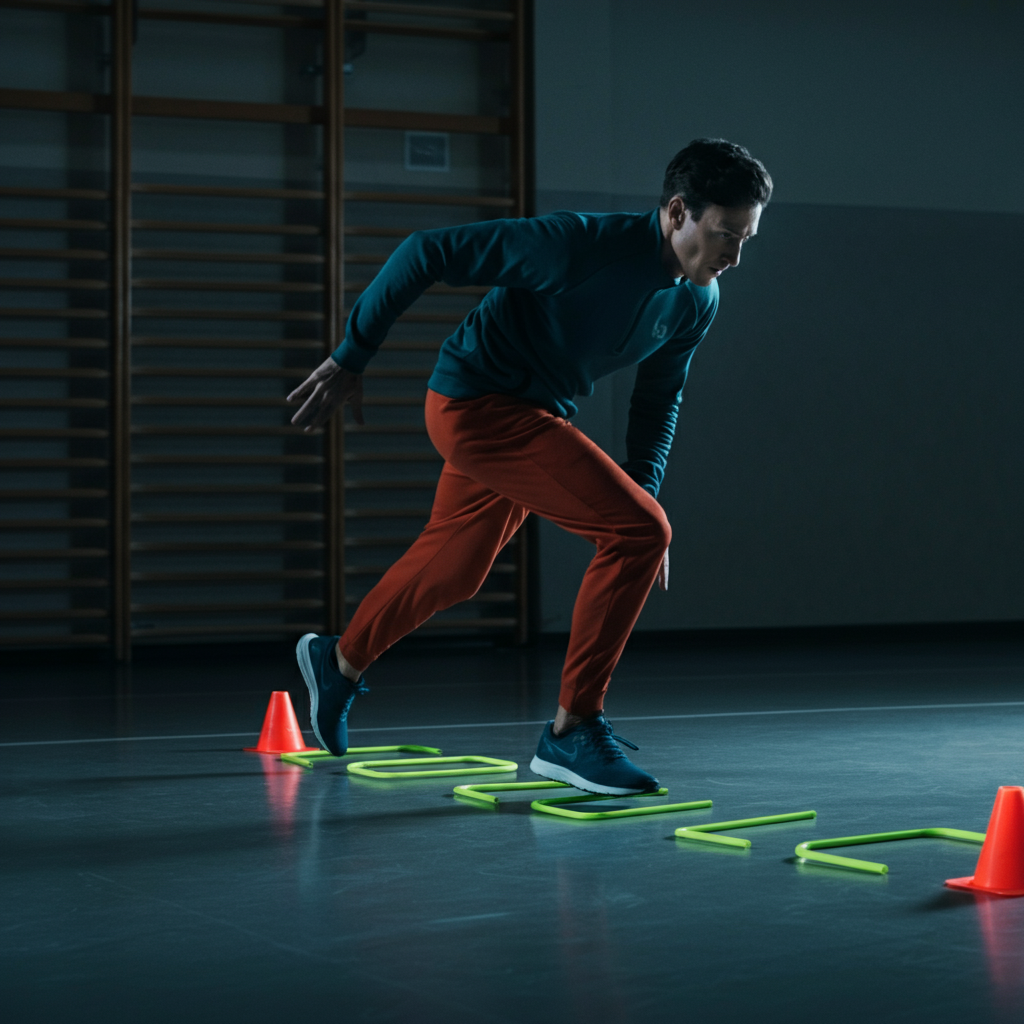
Agility is your ability to change body position efficiently and accurately. It involves a combination of coordination, balance, speed, and flexibility. Agility isn't just about being fast; it's about being able to quickly and smoothly transition between different movements while maintaining control. Think of a basketball player dribbling through defenders or a tennis player reacting to a sharply angled shot. Developing agility requires focused training on both physical and cognitive aspects. You must be able to anticipate, react, and execute movements with precision.
Step 2: Boosting Your Speed
Developing Speed for Peak Performance
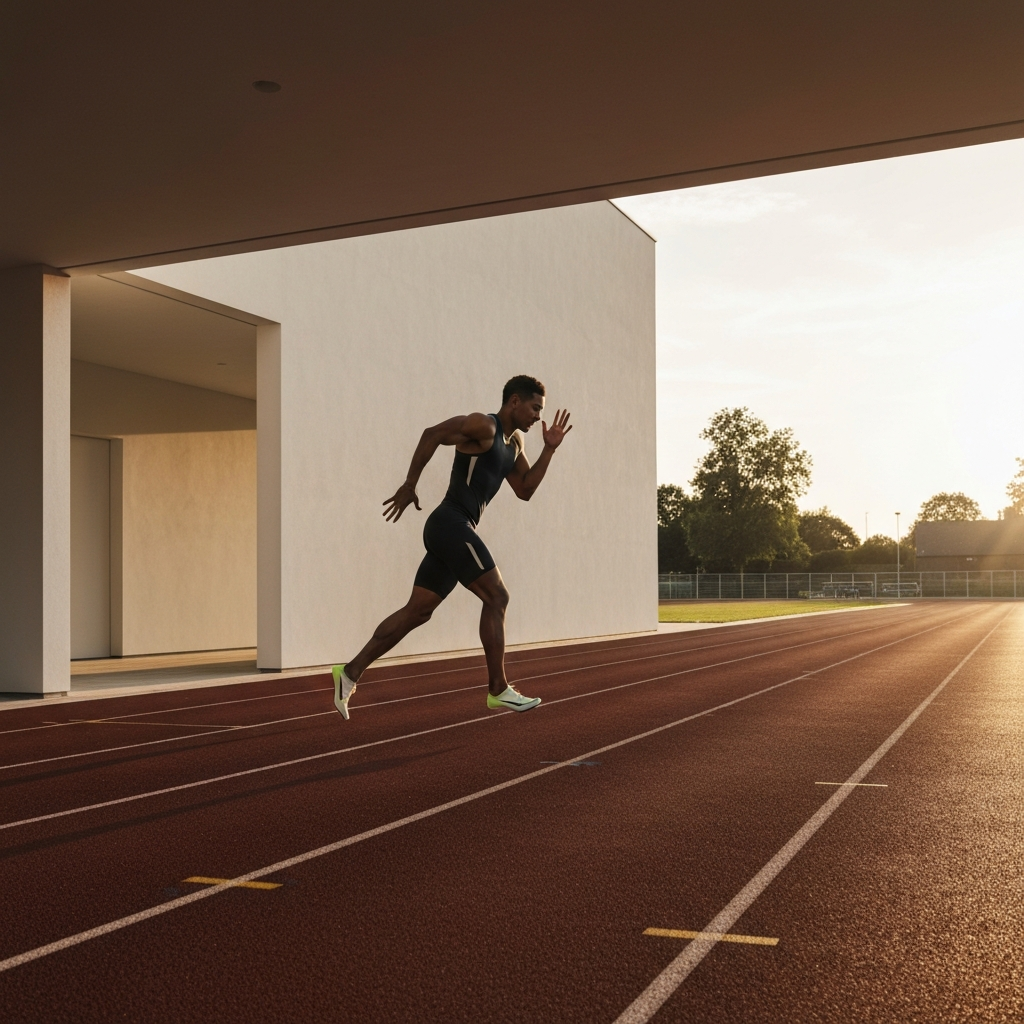
Speed, in the context of skill-related fitness, refers to your ability to perform a movement or cover a distance in a short amount of time. This can manifest in various forms, such as running speed, hand speed (important in boxing or typing), or reaction speed. While genetic factors play a role, speed can be significantly improved through targeted training. Improving speed requires focused training on muscular power and efficient movement patterns. Focusing on proper form and explosive movements is essential to maximizing your speed potential.
Step 3: Mastering Balance
The Importance of Balance and Equilibrium
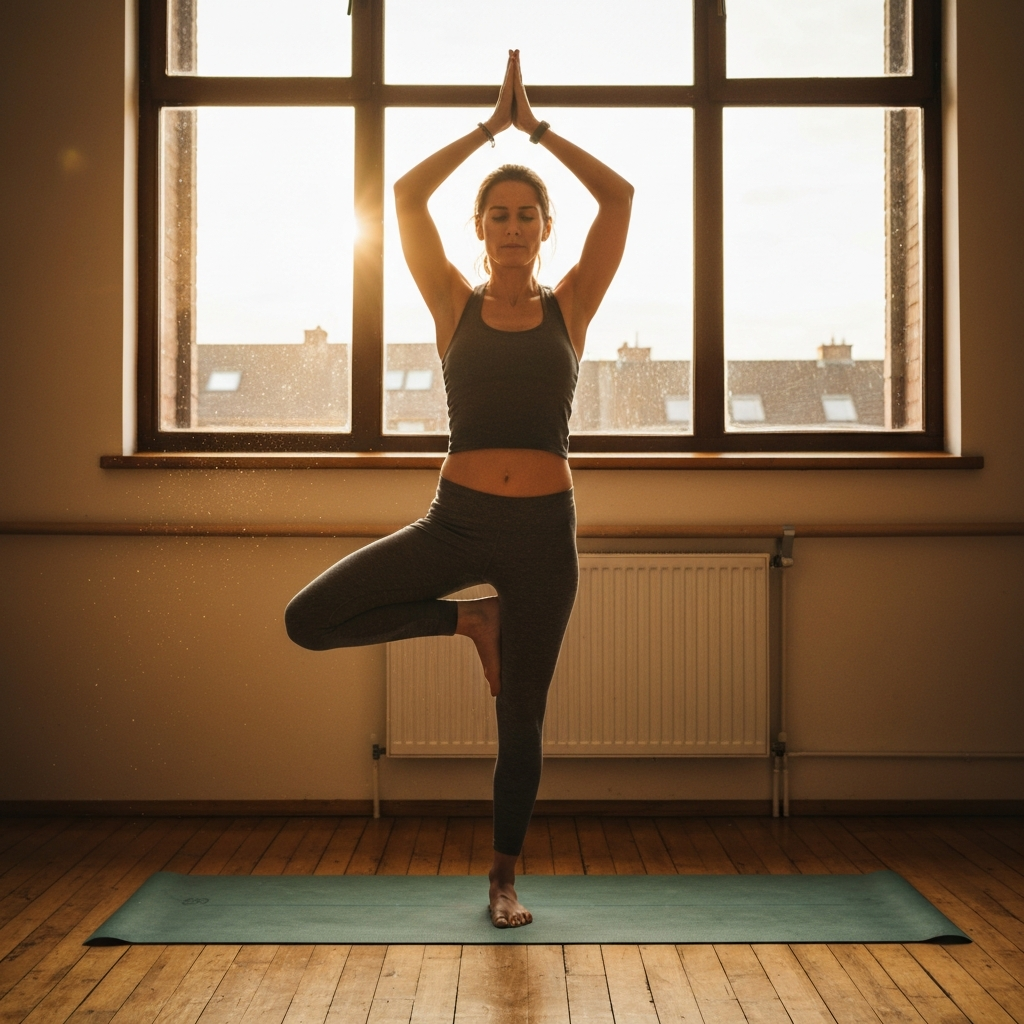
Balance is your ability to maintain your body's center of gravity, whether stationary or moving. It's a critical component not only in sports but also in everyday activities like walking, standing, and even sitting. Good balance relies on a complex interplay between your inner ear, vision, and proprioception (your body's awareness of its position in space). Improving balance involves strengthening core muscles and enhancing your body's awareness of its position in space. Regular balance exercises can significantly reduce the risk of falls, especially as you age.
Step 4: Enhancing Coordination
Unlocking Fluid Movement with Coordination
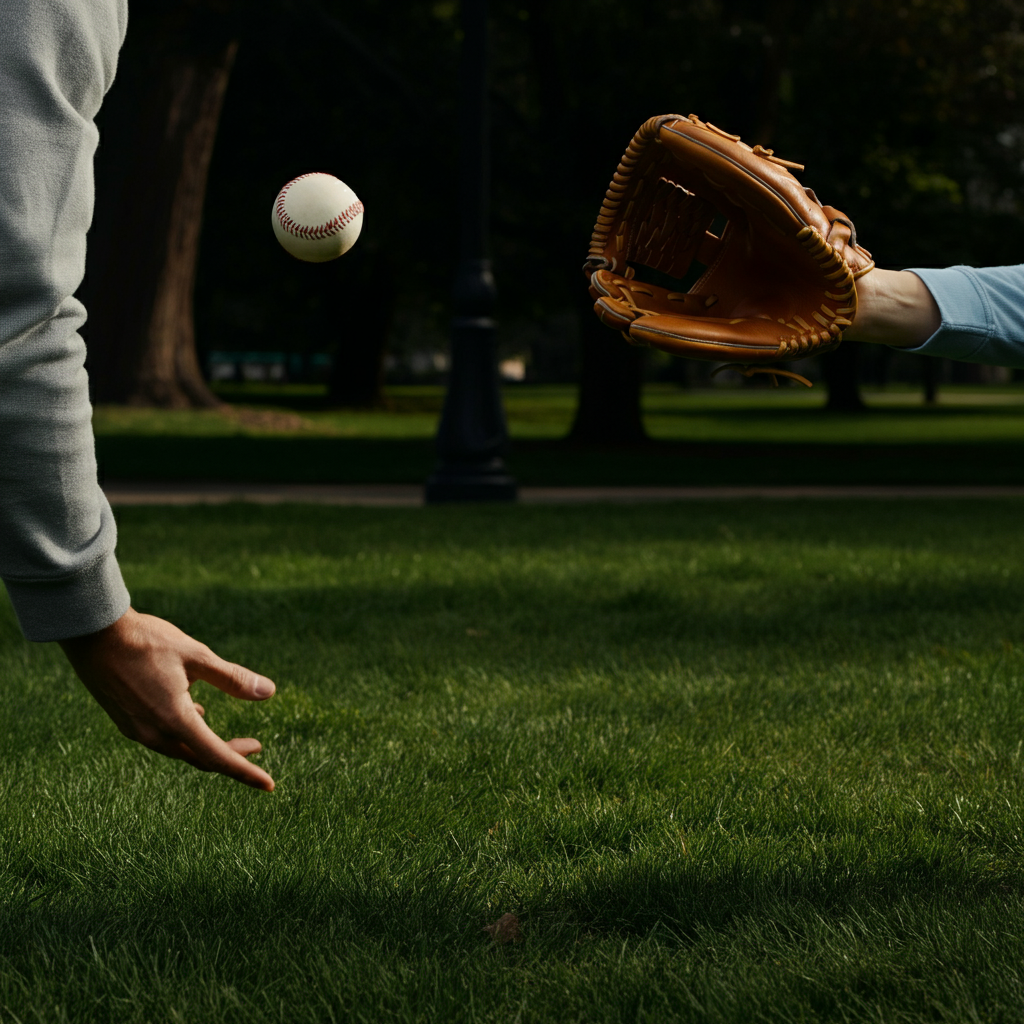
Coordination is the ability to smoothly and accurately combine multiple movements at the same time. This includes hand-eye coordination (e.g., catching a ball), foot-eye coordination (e.g., dribbling a soccer ball), and overall body coordination (e.g., performing a dance routine). Coordination relies on the nervous system's ability to integrate sensory information and control muscle movements effectively. Improving coordination requires repetitive practice and focused attention on the interaction between different body parts. It's about creating harmonious and efficient movement patterns.
Step 5: Developing Power
Unleashing Explosive Power
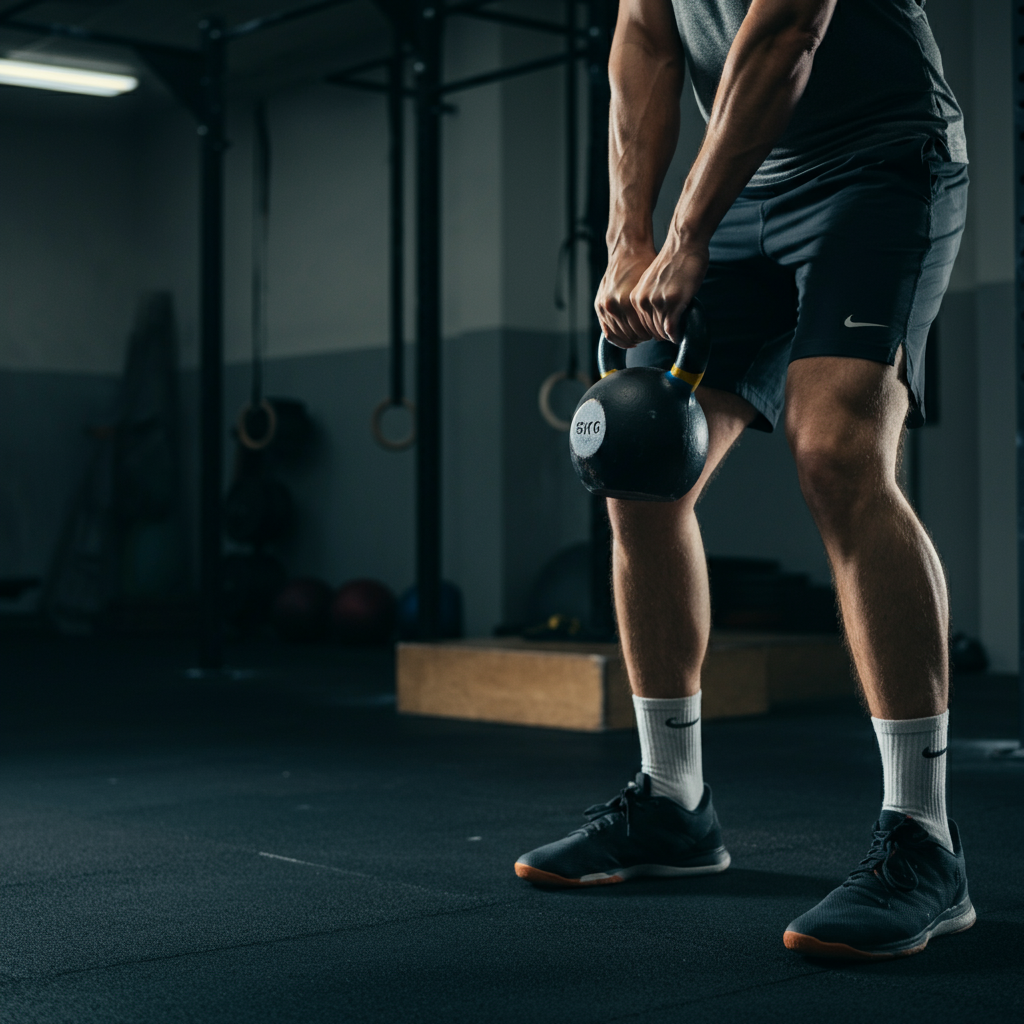
Power is the ability to exert maximum force in a minimum amount of time. It's a combination of strength and speed, and it's crucial for activities that require explosive movements, such as jumping, throwing, and sprinting. Power is not just about being strong; it's about being able to generate force quickly and efficiently. Developing power requires training that focuses on both strength and speed, using exercises that involve explosive movements. This type of training can significantly improve athletic performance and functional strength.
Step 6: Sharpening Reaction Time
Improving Reflexes with Reaction Time Training
Reaction time is the amount of time it takes to respond to a stimulus. It's a critical skill in many sports and everyday situations, such as driving a car or catching a falling object. Reaction time depends on the speed of nerve impulses traveling from your senses to your brain and back to your muscles. While genetics play a role, reaction time can be improved through targeted training that stimulates the nervous system and improves information processing speed. Consistent practice with reaction-based drills is key to enhancing this skill.
Safety Considerations
Before starting any new exercise program, it's essential to consult with a healthcare professional, especially if you have any underlying health conditions. Always warm up properly before engaging in any physical activity, and cool down afterwards. Use proper form when performing exercises to avoid injuries. Start slowly and gradually increase the intensity and duration of your workouts as your fitness level improves. Listen to your body and stop if you experience any pain or discomfort.
FAQ Section
Q: How often should I train skill-related fitness components?
A: Aim for 2-3 sessions per week, allowing for adequate rest and recovery between sessions.
Q: Can I improve all six components at the same time?
A: Yes, you can incorporate exercises that target multiple components into your workouts. However, you may want to prioritize specific components depending on your goals.
Q: How long does it take to see improvements in skill-related fitness?
A: Improvements vary depending on your current fitness level, training intensity, and consistency. You may start to notice improvements within a few weeks of consistent training.
Conclusion
Skill-related fitness is a crucial aspect of overall physical proficiency, impacting both athletic performance and everyday life. By understanding the six key components – agility, speed, balance, coordination, power, and reaction time – and implementing targeted training strategies, you can unlock your physical potential, enhance your skills, and improve your overall quality of life. Remember to prioritize safety, listen to your body, and be consistent with your training to achieve optimal results.