Navigating relationships can be complex, and sometimes, our bodies react in ways that our minds haven't fully processed. While not a scientifically recognized phenomenon, the idea of your "body rejecting someone" sexually describes a set of physical and emotional responses that may signal discomfort or dissatisfaction within a relationship. These signs can range from subtle shifts in libido to more pronounced physical symptoms.
It's important to approach this topic with sensitivity and self-awareness. These symptoms aren't necessarily a definitive diagnosis, but rather, indicators that warrant further exploration. Understanding these potential signals can empower you to assess your relationship dynamic and make informed decisions about your well-being.
This guide delves into common signs associated with this concept, offering insights into what these reactions might signify and what steps you can take to address them. Remember, self-reflection and open communication are crucial when interpreting these signals.
-
Step 1: Declining Libido
A noticeable decrease in your sexual desire for your partner is a frequent sign. You might find yourself avoiding intimacy altogether or struggling to become aroused during sex, even if physical attraction was previously present. This goes beyond the normal ebbs and flows of a relationship and represents a persistent lack of desire. It's crucial to differentiate this from temporary stress-related lulls.
Consider whether external factors, such as stress or medication, might be contributing to your reduced libido. If these are ruled out, then the lack of desire may be an indication of underlying issues within the relationship.

-
Step 2: Physical Discomfort During Intimacy
Some individuals report experiencing physical discomfort during sexual activity, such as vaginal dryness, pain, or even the sudden onset of vaginismus. Vaginismus, characterized by involuntary vaginal muscle spasms, can make penetration painful or impossible. This is often linked to anxiety or past trauma, highlighting a potential connection between emotional well-being and physical response.
It's essential to rule out medical causes for these symptoms first. Consult with a healthcare professional to address any underlying physical conditions. If no medical cause is found, exploring the emotional aspects of your relationship could be beneficial.

-
Step 3: Recurring Infections
Frequent vaginal infections, such as bacterial vaginosis (BV) or yeast infections, could be a subtle signal. While these infections aren't solely indicative of relationship problems, a recurring pattern might be noteworthy. Some individuals report experiencing chronic infections only within a specific relationship, suggesting a potential link between the emotional dynamic and the body's immune response. These infections can be triggered by various factors including stress.
Maintain good hygiene practices and consult with a healthcare professional for treatment. If infections persist despite proper care, consider exploring other potential contributing factors, including stress and relationship dynamics.

-
Step 4: Allergic Reactions
Although rare, some individuals report developing allergic reactions to their partner's semen. Symptoms can include burning, itching, or swelling in the genital area after contact. It's crucial to distinguish this from other types of irritation or infection by consulting a healthcare professional. Although rare, some people only report this reaction with one specific partner.
If you suspect a semen allergy, consult with an allergist for proper diagnosis and management. Allergy testing can confirm whether you're truly allergic to seminal fluid or if another factor is at play.

-
Step 5: Physical Repulsion
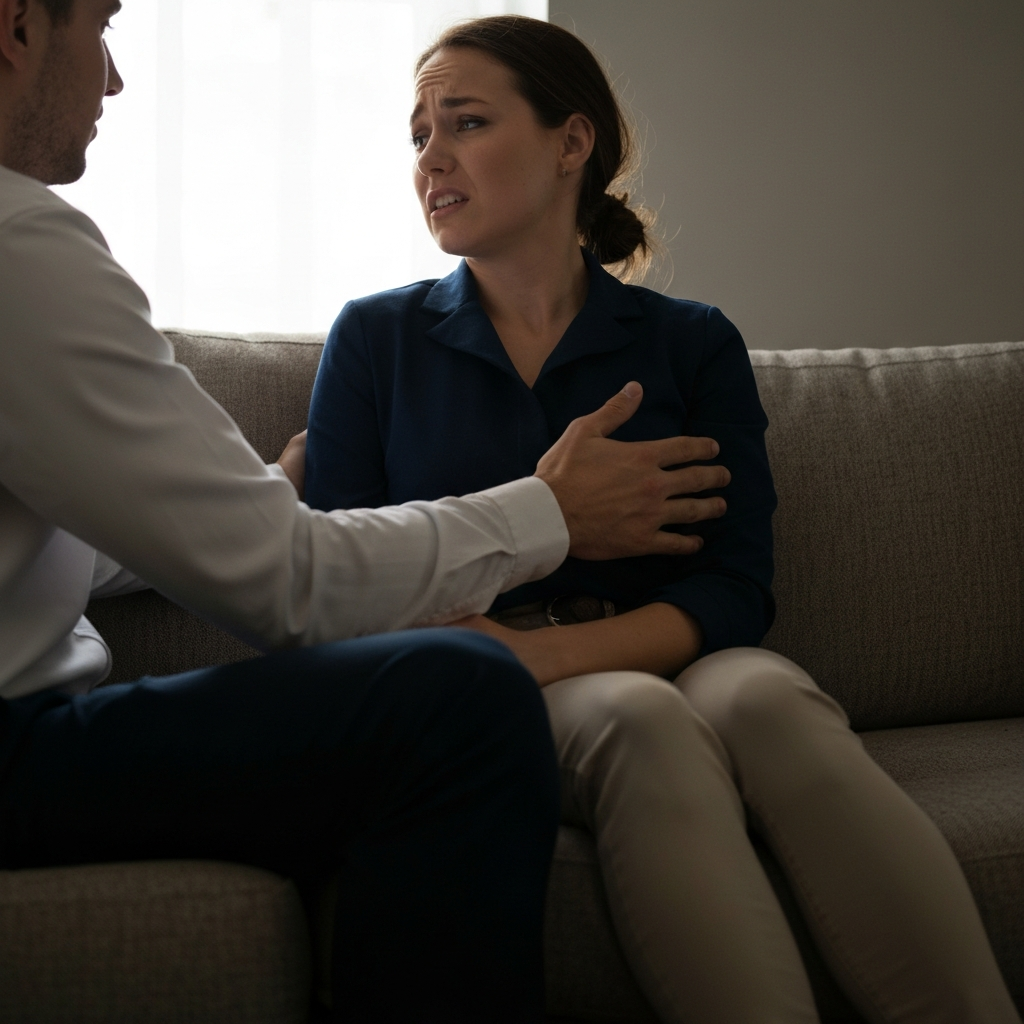
A sudden and unexplained feeling of repulsion towards your partner, often described as "the ick," can be a significant sign. This can manifest as a dislike for their smell, their touch, or even their presence, despite previously finding them attractive. This feeling might seem irrational, but it could be a subconscious indication of underlying issues.
Take some time to reflect on your feelings and identify any potential triggers for this repulsion. Is it linked to specific behaviors, unresolved conflicts, or a general sense of disconnect?
-
Step 6: Increased Anxiety and Tension
Beyond sexual symptoms, heightened anxiety and tension when around your partner can be telling. This might manifest as chronic anxiety that eases when you're apart, persistent muscle tension, or a general feeling of being on edge. These physical symptoms can be your body's way of signaling emotional distress within the relationship.
Pay attention to your body's signals and identify situations that trigger anxiety. Practice relaxation techniques, such as deep breathing or meditation, to manage stress. If anxiety persists, consider seeking professional help from a therapist or counselor.

-
Step 7: Frequent Illnesses and Immune Suppression
A weakened immune system leading to frequent illnesses, such as colds, infections, or stomach issues, can be a consequence of chronic stress within a relationship. Prolonged emotional stress can suppress the immune system, making you more vulnerable to illness. This could present as more frequent colds or flu-like symptoms.
Prioritize self-care activities, such as adequate sleep, healthy eating, and regular exercise, to support your immune system. Address any underlying stress factors within the relationship through open communication or professional counseling.

FAQ Section
Q: Are these symptoms always indicative of a bad relationship?
A: Not necessarily. Stress from other areas of your life or underlying health conditions can also cause similar symptoms. It's important to consider all potential factors and consult with healthcare professionals.
Q: What should I do if I experience these symptoms?
A: Start by tracking your symptoms and identifying potential triggers. Communicate openly with your partner about your feelings. Consult with healthcare professionals to rule out medical causes and consider seeking professional counseling to explore relationship dynamics.
Q: Is there a scientific basis for "body rejection"?
A: While there's no recognized scientific term for "body rejection," the physical symptoms you experience are real and can be linked to psychological and emotional factors within a relationship. The underlying mechanism is related to the stress response.
Common Mistakes to Avoid
- Ignoring the symptoms and hoping they'll go away on their own.
- Blaming yourself or your partner without exploring the underlying issues.
- Self-diagnosing and avoiding professional help.
- Making impulsive decisions without careful consideration and communication.
Pro Tips
- Keep a journal to track your symptoms, moods, and potential triggers.
- Schedule regular check-ups with your doctor to rule out medical causes.
- Practice self-care activities to manage stress and improve your overall well-being.
- Seek professional help from a therapist or counselor to explore relationship dynamics.
Safety Considerations
- If you're in an abusive relationship, prioritize your safety. Reach out to a domestic violence hotline or trusted friend/family member for help.
- Remember that it's okay to end a relationship that's causing you harm, even if your partner hasn't done anything "wrong."
Conclusion: Recognizing the potential signs that your body might be "rejecting" someone sexually is the first step towards addressing underlying relationship issues. While not a scientifically defined phenomenon, these physical and emotional responses can provide valuable insights into your well-being and the dynamics of your relationship. By paying attention to these signals, communicating openly, and seeking professional help when needed, you can navigate your relationships with greater self-awareness and make choices that support your overall health and happiness.