Learning to express gratitude is a fundamental aspect of any culture, and Vietnam is no exception. Saying "thank you" in Vietnamese, while seemingly simple, involves understanding nuances related to formality, age, and social context. This guide will provide you with a clear and practical approach to expressing your appreciation effectively and respectfully while interacting with Vietnamese speakers.
Whether you're a traveler exploring the vibrant streets of Hanoi or Saigon, a business professional building relationships with Vietnamese partners, or simply someone eager to expand your linguistic skills, mastering these expressions will significantly enhance your communication and cultural sensitivity. This guide will cover both formal and informal ways to say "thank you," along with crucial cultural considerations to ensure your message is received with genuine warmth and understanding.
This guide will equip you with the knowledge and confidence to navigate various social situations and express your gratitude appropriately. We'll break down the pronunciation, context, and subtle cultural cues that make your "thank you" not just a polite gesture, but a meaningful connection.
Step 1: Master the Basic "Cảm ơn"
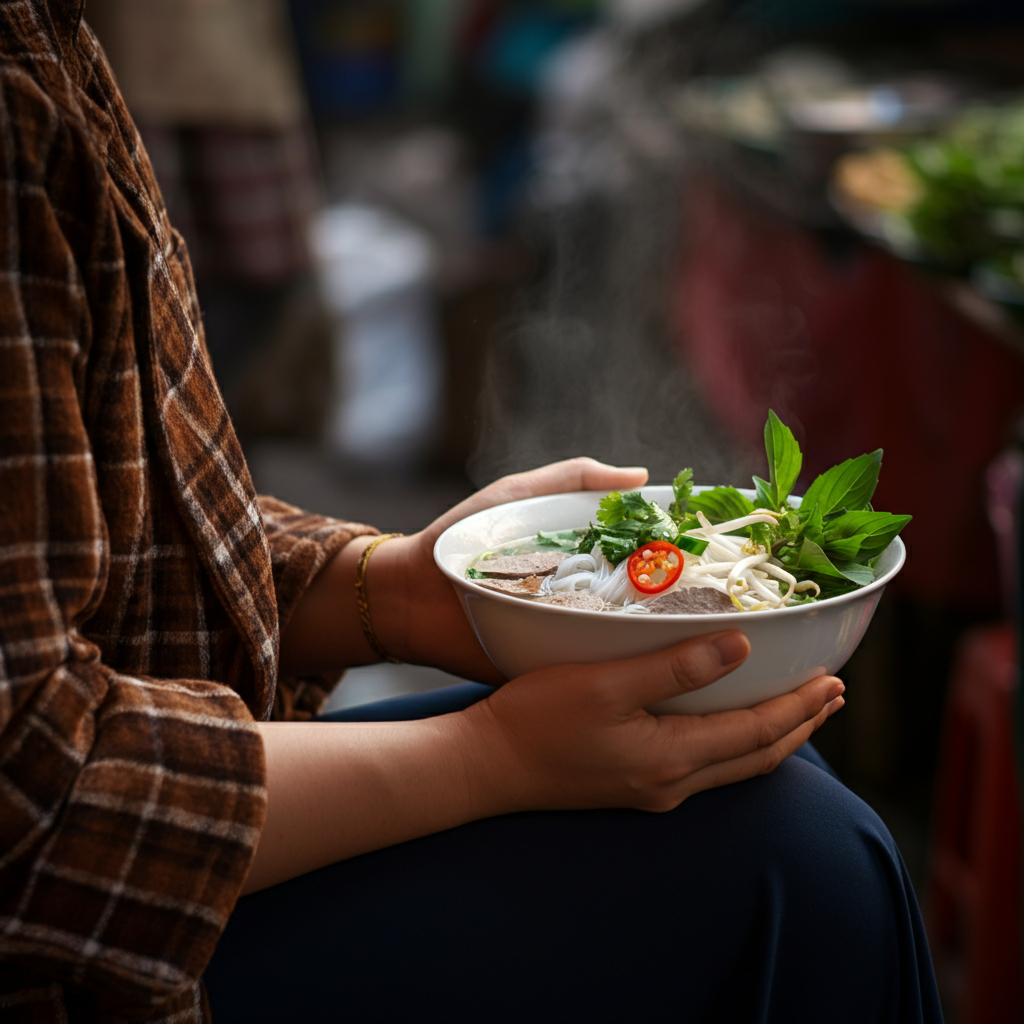
The most common and versatile way to say "thank you" in Vietnamese is "cảm ơn." This phrase is suitable for a wide range of situations, from thanking a street vendor for your delicious bánh mì to expressing appreciation to a colleague for their assistance. Think of it as the go-to phrase for everyday gratitude. This simple expression will be your foundation as you build more complex phrases. Keep in mind that Vietnamese, like many Asian languages, emphasizes respect, so while this is a common phrase, it's essential to understand the context.
Step 2: Perfect the Pronunciation of "Cảm ơn"
Correct pronunciation is key in Vietnamese, a tonal language where the same word can have different meanings depending on the tone used. "Cảm ơn" is pronounced roughly as "Gahm uhhn." Pay close attention to the tones: "cảm" is spoken with a broken falling tone, and "ơn" is spoken with a flat tone. It might sound like "Gauhm uhn" when spoken quickly. Listen to online recordings to get a feel for the nuances. Mispronouncing can lead to confusion, or at worst, unintentionally saying something entirely different.

Step 3: Add Personal Pronouns for Greater Politeness
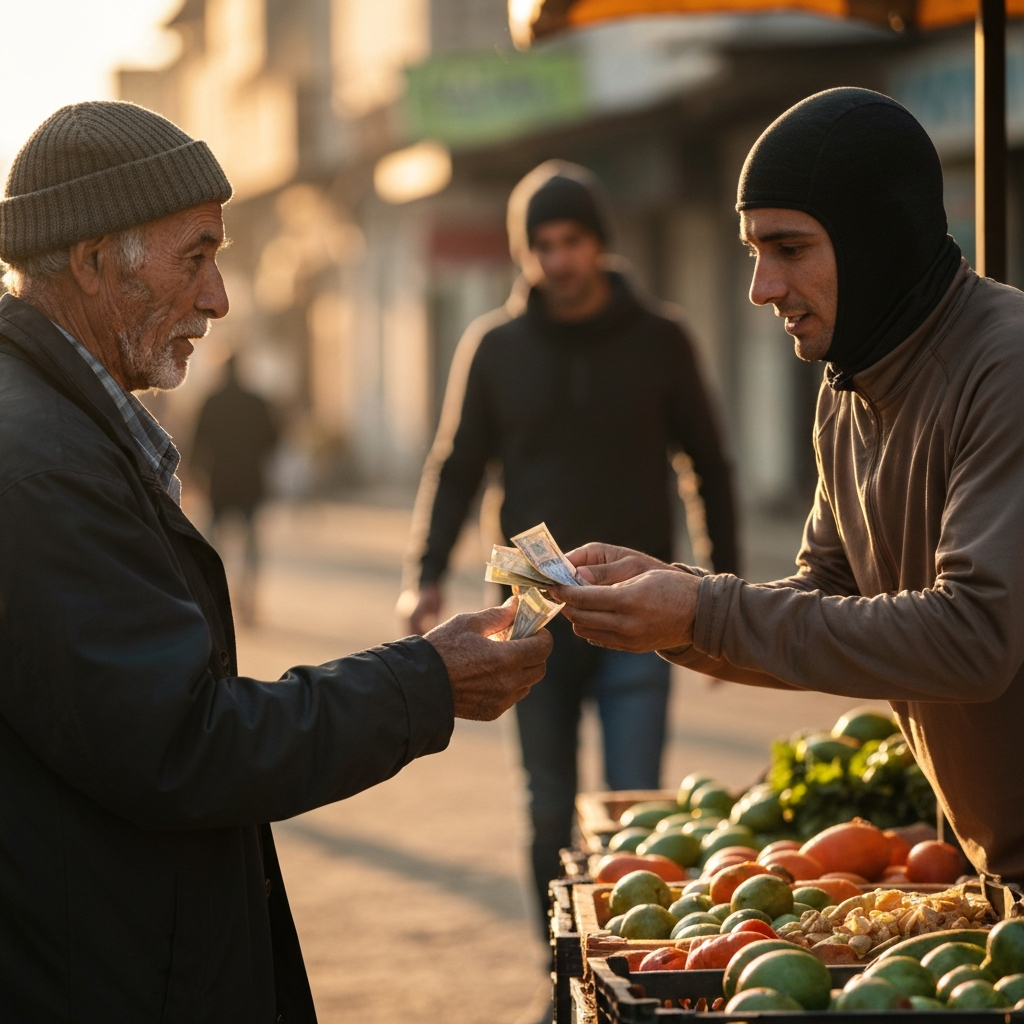
To enhance the politeness of your "thank you," especially when addressing someone directly, incorporate a personal pronoun. Vietnamese grammar requires indicating the person you are speaking to. Using the correct pronoun shows respect and attentiveness to the other person. The appropriate pronoun depends on the age and gender of the person you're addressing.
- For an older woman, use "bà" (pronounced "baa"). "Cảm ơn bà" means "thank you" to an older woman.
- For a younger woman or girl, use "cô" (pronounced "coh"). "Cảm ơn cô" means "thank you" to a young woman.
- For an older man, use "ông" (pronounced "ohng"). "Cảm ơn ông" means "thank you" to an older man.
- For a younger man, use "anh" (pronounced "ang"). "Cảm ơn anh" means "thank you" to a young man.
Step 4: Emphasize Gratitude with "Nhiều lắm"
When you want to express a particularly strong sense of gratitude, add "nhiều lắm" (pronounced "nyee-oh luhm") after "cảm ơn." This addition is equivalent to saying "a lot" or "so much" in English. "Cảm ơn nhiều lắm" conveys a deeper level of appreciation, suitable for situations where someone has gone above and beyond. This phrase amplifies your message and lets the recipient know how much you value their actions.

Step 5: Use "Xin cảm ơn" for Formal Settings
In formal settings or when addressing someone of high status, add "xin" (pronounced "sin") before "cảm ơn." "Xin" translates to "to ask" or "to beg," lending a more respectful and polite tone. "Xin cảm ơn" (pronounced "sin gauhm uhhn") is appropriate when addressing superiors, elders, or in business contexts. Using this phrase showcases your understanding of Vietnamese etiquette and elevates your level of respect.

Showing Appreciation in Vietnamese Culture: Beyond Words
Expressing gratitude in Vietnamese culture goes beyond merely uttering the words "cảm ơn." Non-verbal cues and understanding cultural norms are vital components of showing appreciation effectively. A genuine smile can convey a wealth of gratitude and understanding.
Smiling as a Thank You
In Vietnamese culture, a smile can often substitute a verbal expression of thanks, particularly when receiving a compliment. Modesty is highly valued, and a smile is seen as a humble way to acknowledge appreciation. If someone compliments you, responding with a smile is a culturally appropriate and respectful way to acknowledge their kindness.

Nonverbal Communication
Be mindful of nonverbal cues. Crossing your arms while expressing gratitude can signify respect. Avoid gestures that might be considered disrespectful, such as patting someone on the back or pointing while talking. These actions can be misconstrued and undermine your expression of gratitude.
Eye Contact
Exercise caution with eye contact. Prolonged eye contact with someone older or of higher social status may be interpreted as a challenge. Conversely, with someone of the opposite gender, it may suggest affection. Averting your eyes is often a sign of respect in Vietnamese culture. Be aware of these nuances and adjust your gaze accordingly.
Tools or Materials Required
The only tools or materials you might need are: A language learning app or website with audio pronunciation of Vietnamese phrases, and a notepad for writing down common phrases and their pronunciations for practice.
Common Mistakes to Avoid
- Mispronouncing the tones: Vietnamese is a tonal language, and incorrect tones can change the meaning of your words. Practice the pronunciation carefully using online resources or language learning apps.
- Using the wrong pronoun: Using the wrong pronoun can be disrespectful or confusing. Pay attention to the age and gender of the person you are addressing.
- Ignoring cultural cues: Showing appreciation in Vietnamese culture involves more than just saying "thank you." Be mindful of nonverbal cues and cultural norms.
FAQ Section
- Is it rude to say "cảm ơn" to someone younger than me?
- Generally, it is acceptable to say "cảm ơn" to someone younger, especially if they have done something to assist you. However, in some situations, a simple nod or smile may suffice.
- What if I don't know the age of the person I'm addressing?
- When in doubt, it's best to err on the side of formality and use a more polite form of "thank you." "Cảm ơn" is a safe choice. Pay attention to how others address them, which can give you a clue.
- How do I respond when someone thanks me?
- The most common response is "Không có gì" (pronounced "khong koh zee"), which means "You're welcome" or "It's nothing."
Conclusion
Expressing gratitude in Vietnamese involves more than simply learning a few phrases. It requires an understanding of cultural nuances and a willingness to adapt your communication style. By mastering the pronunciation, using appropriate pronouns, and being mindful of nonverbal cues, you can effectively convey your appreciation and build meaningful connections with Vietnamese speakers. Remember to practice, listen, and observe, and your efforts will be greatly appreciated.