Riding an elevator might seem simple, but there's more to it than just stepping inside and pressing a button. Elevators are a crucial part of modern life, allowing us to navigate multi-story buildings with ease. Understanding the proper etiquette and safety procedures can make the experience smoother and more enjoyable for everyone involved. This guide will walk you through the process, from calling the elevator to exiting safely and politely.
This guide focuses not only on the mechanical aspects of using an elevator but also on the social norms and safety considerations that are essential for a positive experience. Whether you're a first-time rider or simply want to brush up on your elevator skills, this guide provides the necessary information to ensure you ride with confidence and courtesy.
We'll cover everything from the basic steps of calling and entering an elevator to more advanced topics like handling crowded elevators and dealing with emergency situations. By following these guidelines, you can contribute to a more pleasant and efficient elevator experience for yourself and others.
Step 1: Calling the Elevator
Press the Up or Down Button
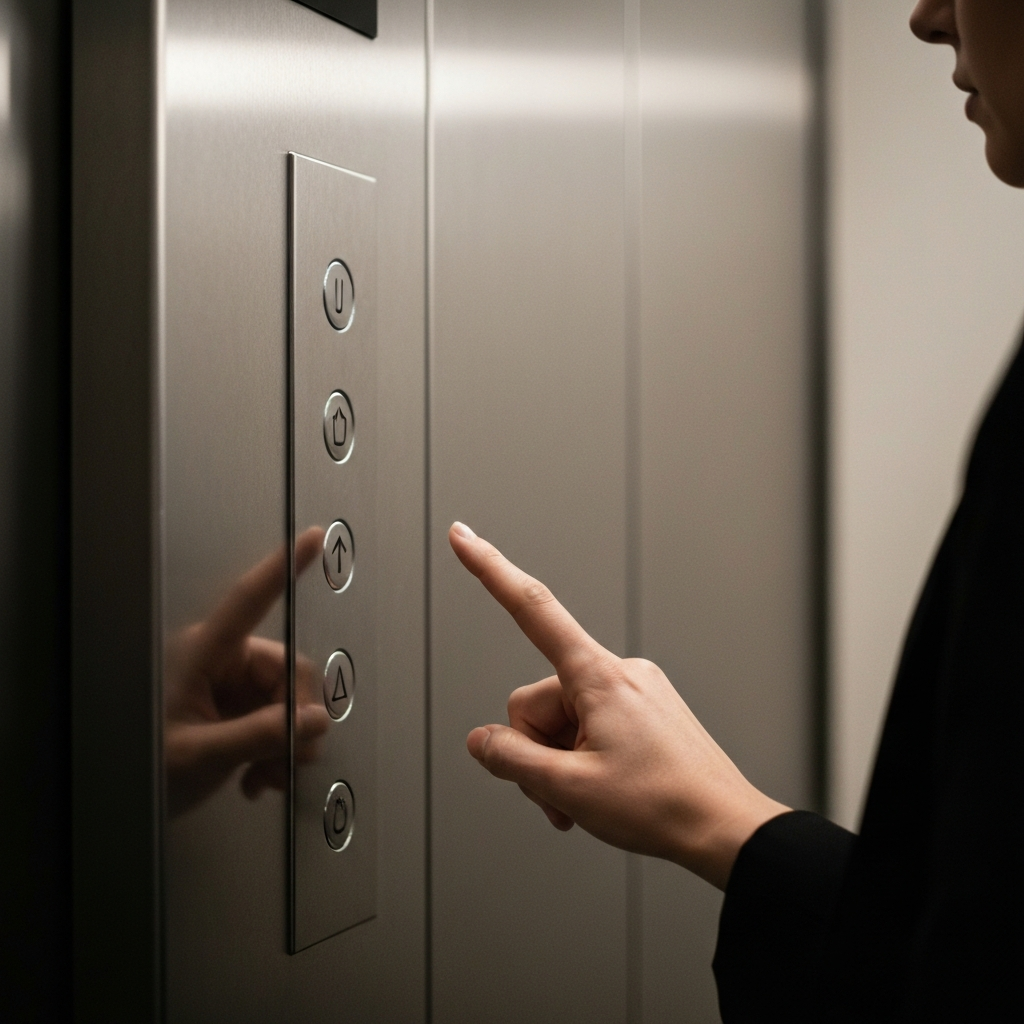
When you arrive at the elevator bank, locate the "up" or "down" button corresponding to your desired direction of travel. Press the button firmly and once. Repeatedly pressing the button will not make the elevator arrive faster and may even confuse the system. Be patient; the elevator's arrival time depends on several factors, including its current location, the number of stops it needs to make, and the overall traffic in the building. Note that in some buildings with destination dispatch systems, you may need to indicate your desired floor *before* entering the elevator.
Step 2: Approaching the Elevator
Observe and Prepare
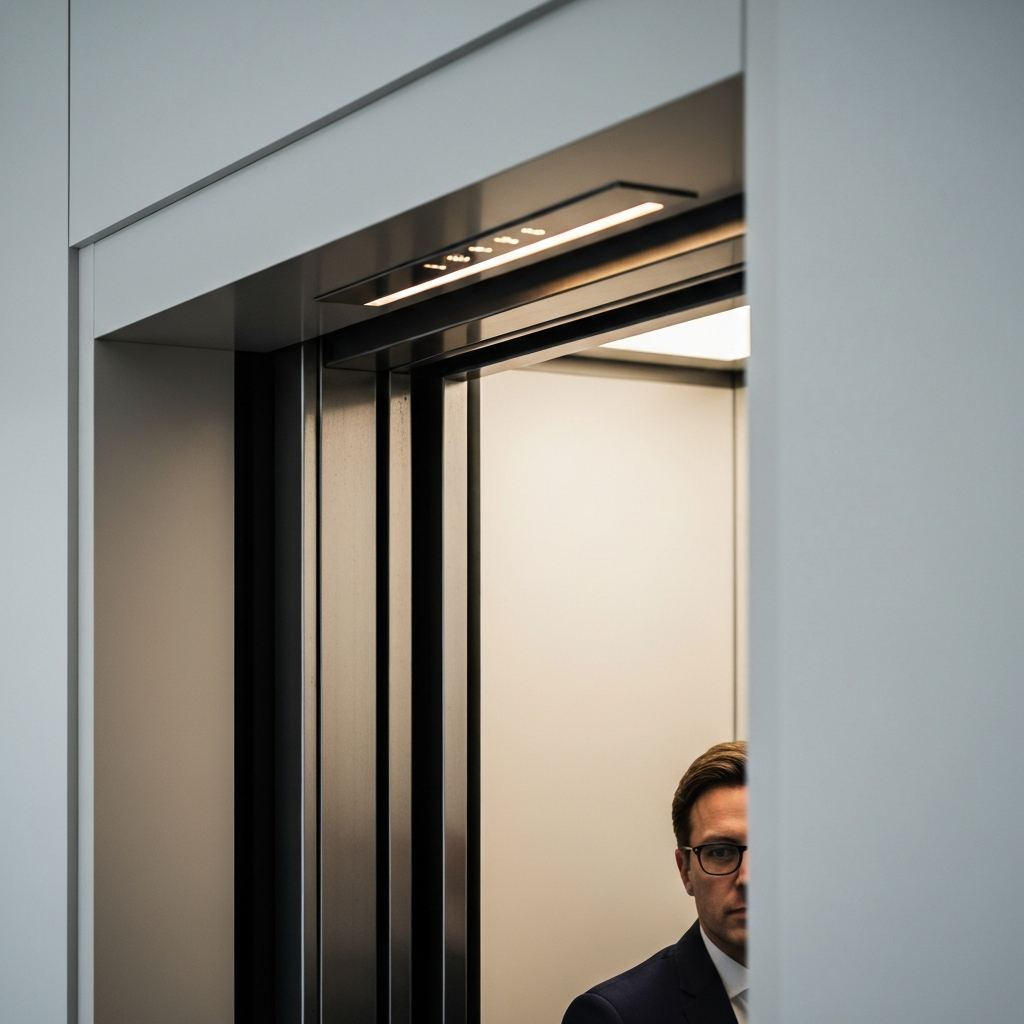
As the elevator approaches, pay attention to the indicator lights above the door. These lights typically display the elevator's current direction of travel (up or down) and its floor number. Confirm that the elevator is indeed traveling in your desired direction before it arrives. If the elevator is heading in the opposite direction, let it pass and wait for the next one. Approaching with awareness allows for a seamless entry and avoids confusion for other passengers.
Step 3: Entering the Elevator
Prioritize Exiting Passengers
The golden rule of elevator etiquette is to always allow exiting passengers to disembark before attempting to enter. Stand to the side of the doors and give ample space for people to exit. Do not crowd the doorway or attempt to squeeze past those leaving. This ensures a smooth and safe transition for everyone. Once the elevator is clear, assess the available space before stepping inside. If the elevator is already crowded, it's best to wait for the next available one. Remember, attempting to force your way into a full elevator is impolite and potentially unsafe.

Step 4: Selecting Your Floor
Press the Correct Button
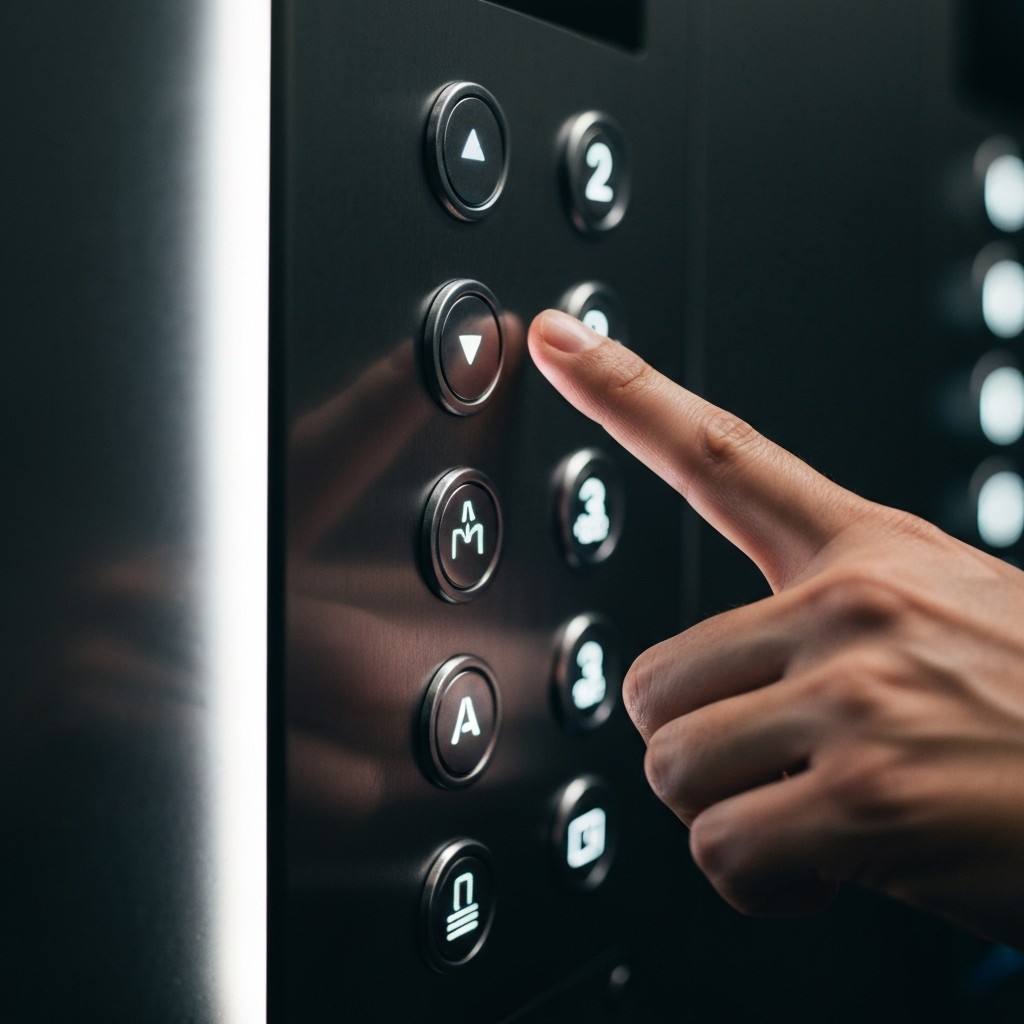
Once inside the elevator, locate the control panel with the floor buttons. Press the button corresponding to your desired floor. A light should illuminate next to the button, indicating that your floor has been selected. Press the button only once; repeatedly pressing it won't make the elevator move any faster. If you accidentally press the wrong button, some elevators have a "cancel" function that allows you to deselect it (often a double-tap or separate cancel button). If you are unsure which button to press, don't hesitate to politely ask another passenger for assistance.
Step 5: Positioning Yourself
Be Mindful of Space
After selecting your floor, move towards the back of the elevator to make room for other passengers who may be entering. Avoid standing directly in front of the doors, as this can obstruct the entry and exit of others. If the elevator is crowded, try to position yourself to minimize contact with other passengers while still maintaining your balance. Remember to hold onto the handrail if available, especially if the elevator is prone to sudden stops or starts. Being aware of your positioning contributes to a more comfortable experience for everyone.

Step 6: Riding the Elevator
Maintain Polite Behavior
While riding the elevator, it's important to maintain polite and considerate behavior. Avoid loud conversations, phone calls, or disruptive actions. Keep your voice low and be mindful of other passengers' personal space. If you're carrying a bag or package, hold it close to your body to prevent it from bumping into others. Refrain from eating or drinking in the elevator, as strong odors can be unpleasant for those around you. In general, strive to create a quiet and respectful atmosphere for everyone.

Step 7: Exiting the Elevator
Prepare to Disembark Promptly
As the elevator approaches your floor, pay attention to the floor indicator lights and be prepared to exit promptly. As the doors open, step out of the elevator without delay, allowing others to exit behind you if necessary. If you are near the back of the elevator and need to pass by other passengers to reach the door, politely say "excuse me" or "pardon me." Avoid lingering in the doorway after exiting, as this can obstruct the flow of traffic. Once you've stepped out, ensure you are clear of the doors to allow them to close safely.
Safety Considerations
- Fire Safety: Never use an elevator during a fire. Always use the stairs.
- Overloading: Pay attention to the weight limit posted inside the elevator. Overloading can cause the elevator to malfunction.
- Entrapment: If the elevator becomes stuck, remain calm and use the emergency call button or phone to contact assistance. Do not attempt to force the doors open or climb out.
Common Mistakes to Avoid
- Blocking the Doors: Standing directly in front of the elevator doors prevents others from entering and exiting easily.
- Repeated Button Pressing: Pressing the floor buttons repeatedly does not make the elevator arrive faster and can be disruptive to the system.
- Ignoring Etiquette: Failing to allow exiting passengers to disembark first is considered rude and can create congestion.
- Trying to Hold the Doors Open: Obstructing the closing of the doors can be dangerous and can damage the doors' closing mechanism.
FAQ Section
- What should I do if I accidentally press the wrong floor button?
- Some elevators have a cancel button (often a double tap). If there is no cancel button, ride to the unintended floor, exit, and then re-enter the elevator to select your correct floor.
- Is it okay to talk on my phone in the elevator?
- It's generally considered impolite to have loud phone conversations in an elevator, particularly if it's crowded. Keep conversations brief and at a low volume or, ideally, wait until you've exited the elevator to make your call.
- What do I do if the elevator stops suddenly?
- Stay calm and press the emergency call button. Explain your situation clearly. Do NOT try to pry the doors open; wait for trained professionals to assist you.
Conclusion
Mastering the art of riding an elevator is a combination of understanding the basic mechanics and observing the unwritten rules of etiquette. By following the steps outlined in this guide and being mindful of others, you can ensure a smooth and pleasant elevator experience for yourself and those around you. Remember to prioritize safety, be courteous, and maintain a respectful atmosphere. A little consideration goes a long way in making elevator rides more enjoyable for everyone.