The Segway, while seemingly intuitive, requires careful operation to ensure a safe and enjoyable experience. Reports of Segway-related injuries highlight the importance of understanding its mechanics and potential hazards. This guide provides comprehensive instructions on how to operate a Segway safely, minimizing risks and maximizing enjoyment.
Mastering the Segway involves more than just stepping on and leaning. It requires understanding its limitations, respecting its responsiveness, and being aware of your surroundings. Many accidents occur due to improper training or reckless behavior. Therefore, approaching the Segway with caution and a willingness to learn is paramount.
This guide will walk you through essential safety measures, from pre-ride checks to navigating various terrains. By following these guidelines, you can confidently enjoy the unique experience of riding a Segway while ensuring your own safety and the safety of those around you.
Step 1: Comprehensive Training and Familiarization
Understanding the Segway's Operation
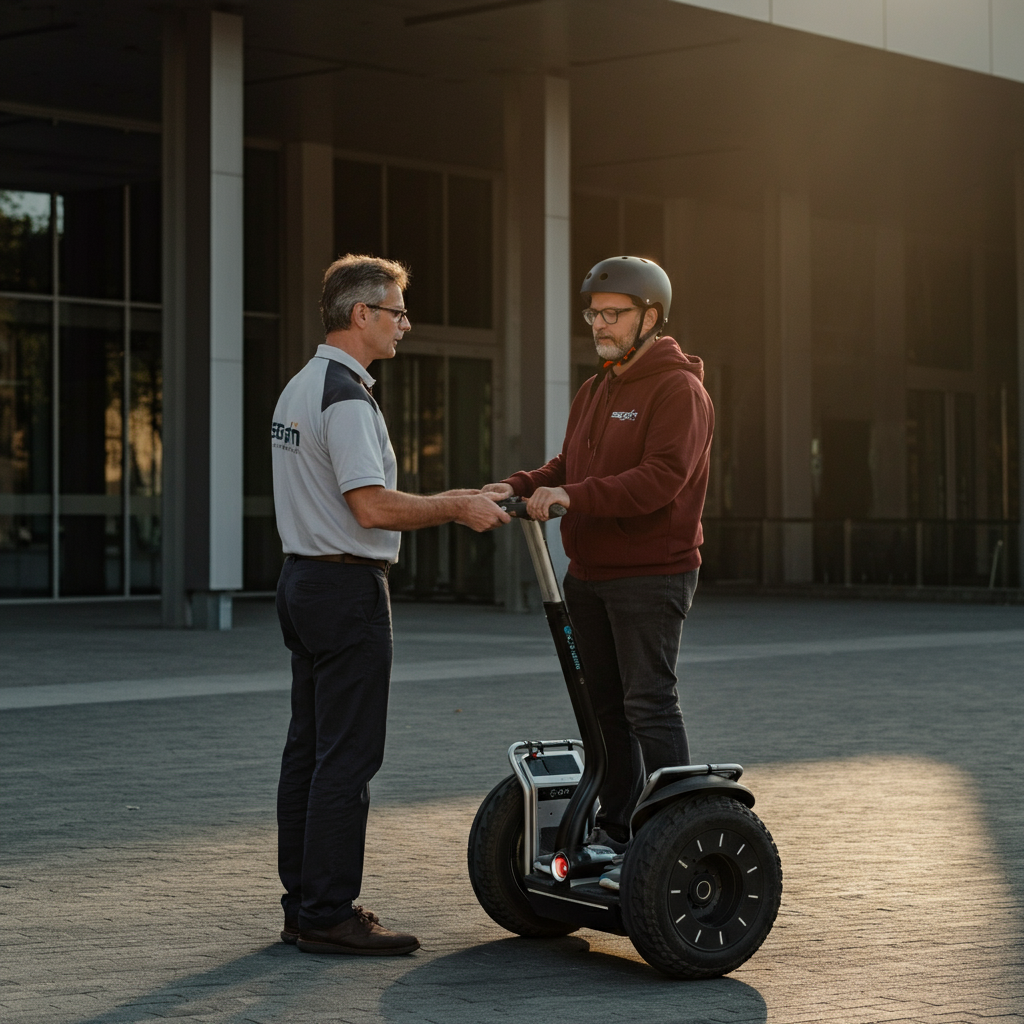
Before you even think about riding a Segway, invest time in understanding how it works. Thoroughly read the user manual and watch instructional videos. The Segway is not like a scooter or bicycle; it uses sophisticated balance technology that requires familiarization. Focus on the basics: mounting, dismounting, accelerating, decelerating, and turning. Ideally, seek instruction from a certified Segway instructor who can provide personalized guidance and answer your questions. Many rental locations offer introductory lessons which are well worth the investment.
Step 2: Essential Protective Gear
Gearing Up for Safety
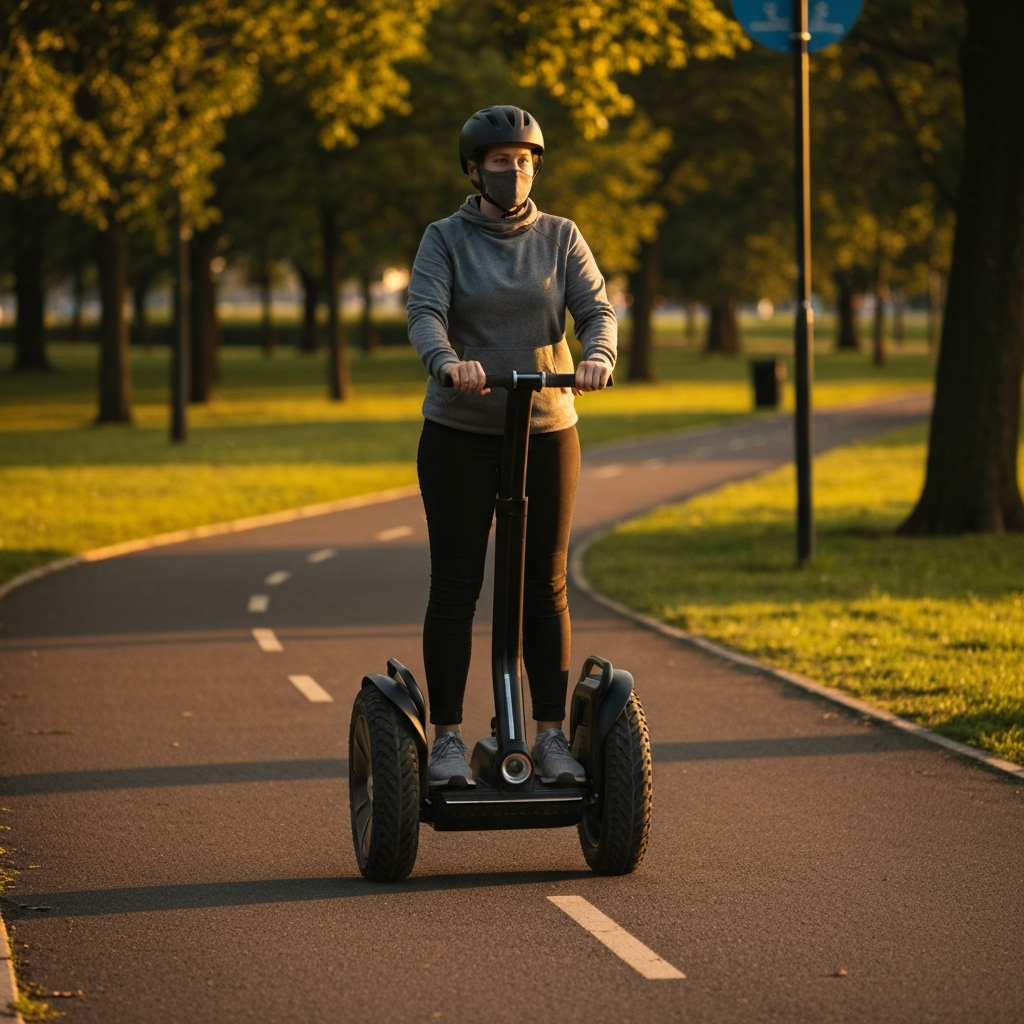
While a Segway might appear low-risk, accidents can and do happen. Therefore, wearing appropriate protective gear is crucial. At a minimum, always wear a properly fitted helmet. Additional protective gear can significantly reduce the risk of injury. Consider wearing knee and elbow pads, especially when learning or riding in areas with uneven surfaces. Wrist guards are also highly recommended, as these can protect you from wrist fractures in case of a fall. Eye protection, like sunglasses or clear safety glasses, is also helpful, especially when riding outdoors. If you are riding in low-light conditions or at night, wear a high-visibility jacket to ensure you are easily seen by others.

Step 3: Maintaining a Secure Grip and Posture
Proper Body Positioning
Maintaining a secure grip and proper posture is fundamental to controlling the Segway. Always keep both feet firmly planted on the platform and both hands securely gripping the handlebars. Distributing your weight evenly is also important. Avoid leaning excessively in any direction, as this can destabilize the Segway. If you need to carry items, use a backpack or a cargo holder specifically designed for Segways. Never attempt to steer with one hand while holding an object in the other. This significantly reduces your control and increases the risk of an accident.
Step 4: Avoiding Abrupt Maneuvers
Smooth Movements Only
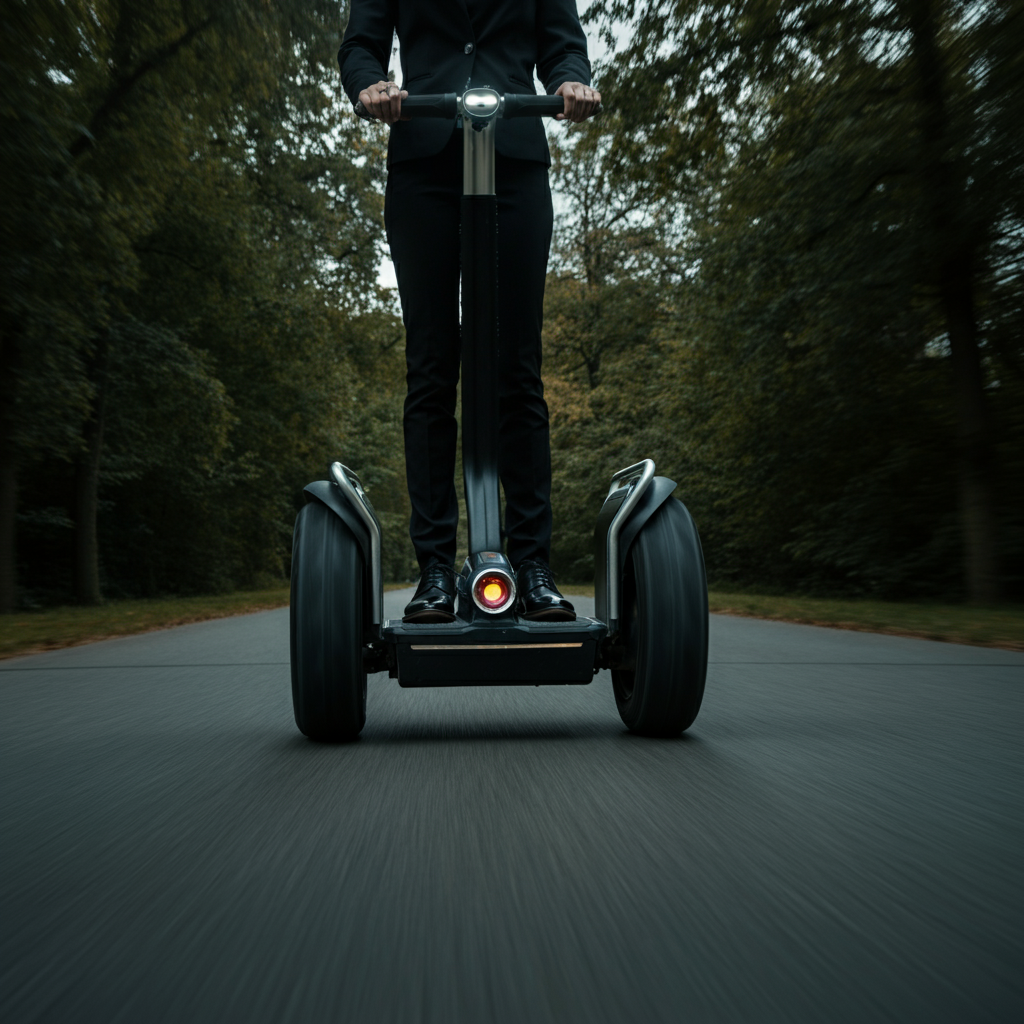
The Segway responds to your body movements, but it is not designed for sudden, jerky actions. Avoid abrupt forward or backward movements, as well as sudden turns. Fast turns, especially on uneven surfaces, can easily cause you to lose control. Lean gently into turns and execute them slowly. Similarly, avoid sudden stops and starts. The Segway’s balancing mechanism can be overwhelmed by rapid changes in momentum. Backwards motion should be reserved for maneuvering out of tight spaces or turning around, not for continuous travel.
Step 5: Respecting Speed Limits and Warnings
Heeding the Segway's Signals
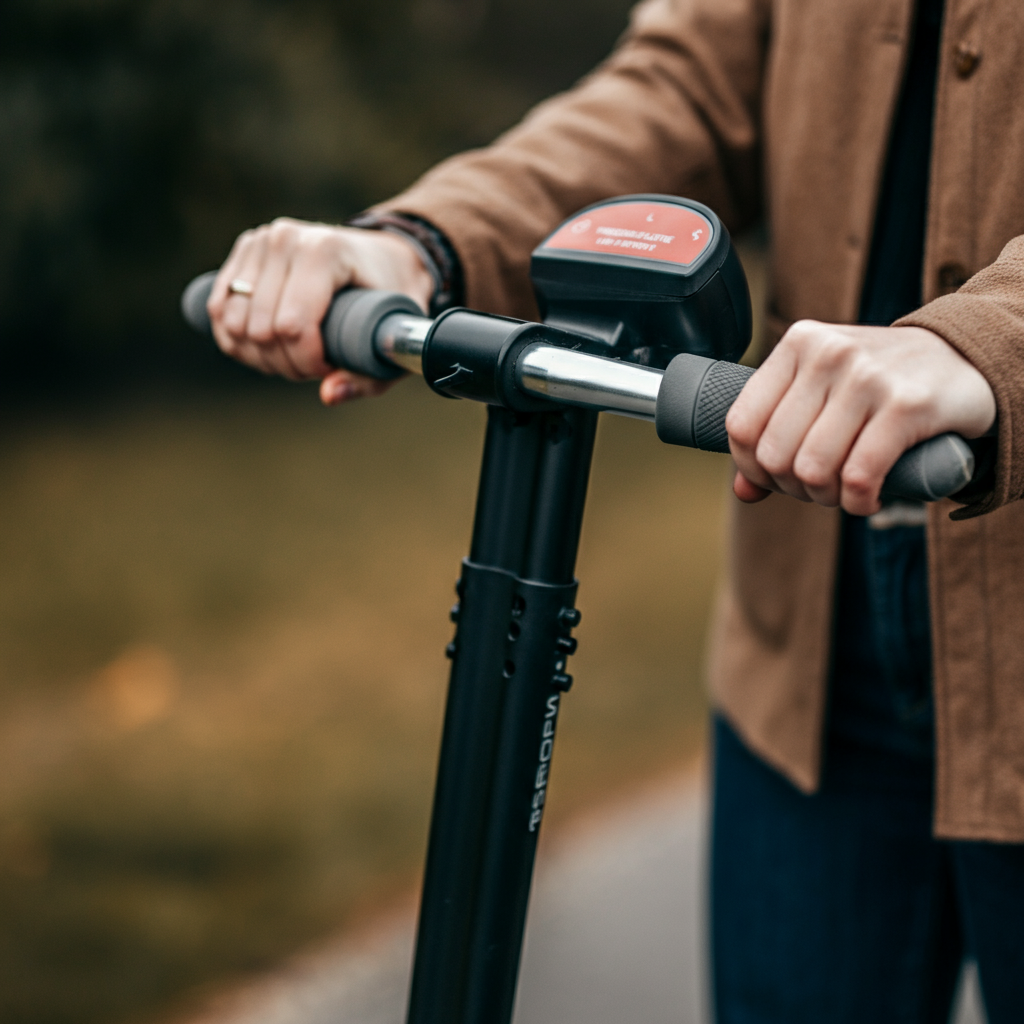
The Segway incorporates a speed limiter that pushes the handlebar back to warn you when you are exceeding the safe speed. Pay attention to this warning and immediately reduce your speed by leaning back slightly. The Segway may also issue a "Stick Shake Warning," which indicates that you are pushing the device beyond its limits, either due to excessive speed, rough terrain, or low battery. If you experience a Stick Shake Warning, slow down immediately and, if the warning persists, stop the Segway and check the battery level or look for any maintenance issues.
Step 6: Terrain Awareness and Surface Considerations
Sticking to Suitable Surfaces
Segways are designed for smooth, paved surfaces and are not suitable for all-terrain use. Avoid riding on grass, gravel, sand, or other uneven surfaces, as these can cause the Segway to lose traction and become unstable. Be particularly cautious when transitioning between different surfaces, such as moving from grass to pavement. Even a small bump or change in elevation can throw you off balance. If you are unsure about the terrain, step off the Segway and use the power assist mode to walk it across the area. Avoid riding on roads, as this is often illegal and highly dangerous.
Step 7: Maintaining Safe Distance from the Handlebar
Avoiding Over-Reliance
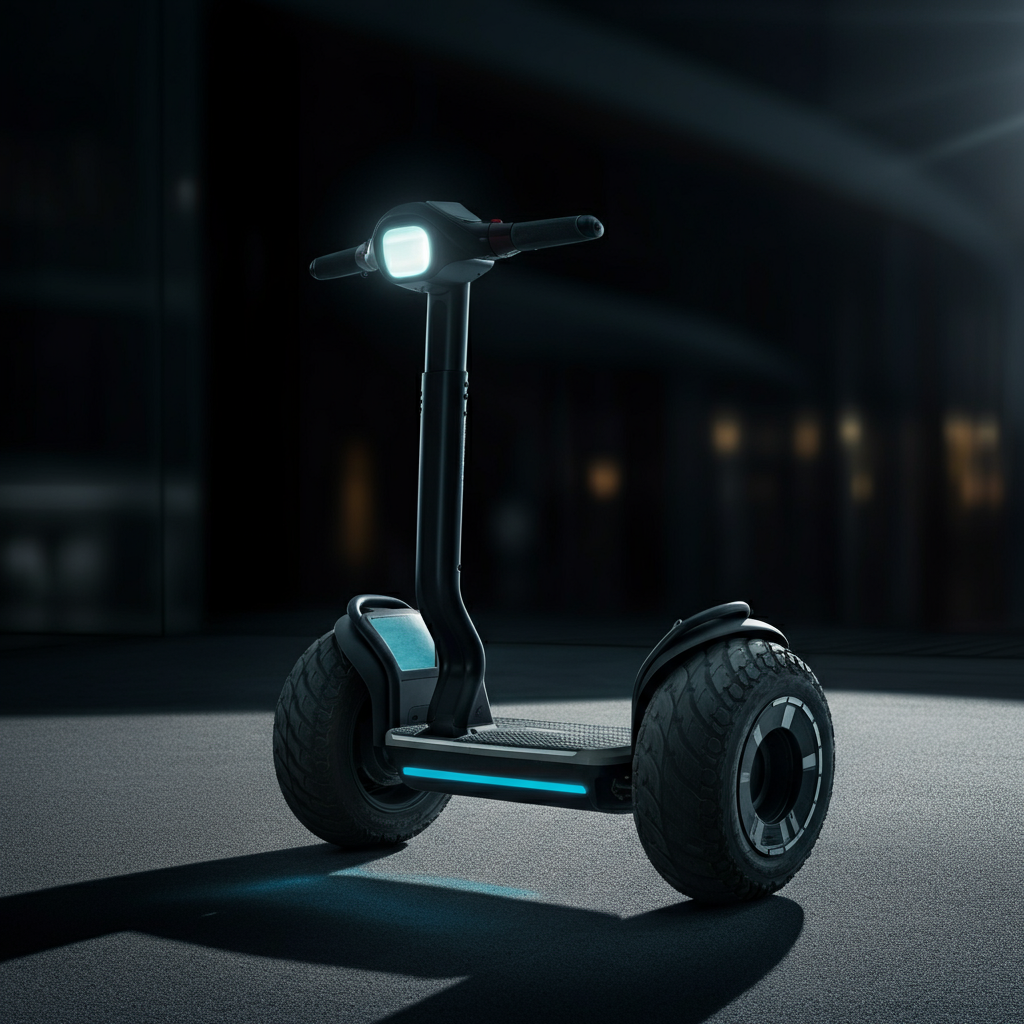
While it may be tempting to lean heavily on the handlebar, this can actually hinder your control of the Segway. Maintain a comfortable distance between your body and the handlebar to allow for proper balance and responsiveness. Leaning too far forward can make it difficult to react quickly to changes in terrain or obstacles. Think of it more as holding on, rather than leaning on the Segway's handlebars.

Step 8: Pedestrian Awareness and Etiquette
Sharing the Space
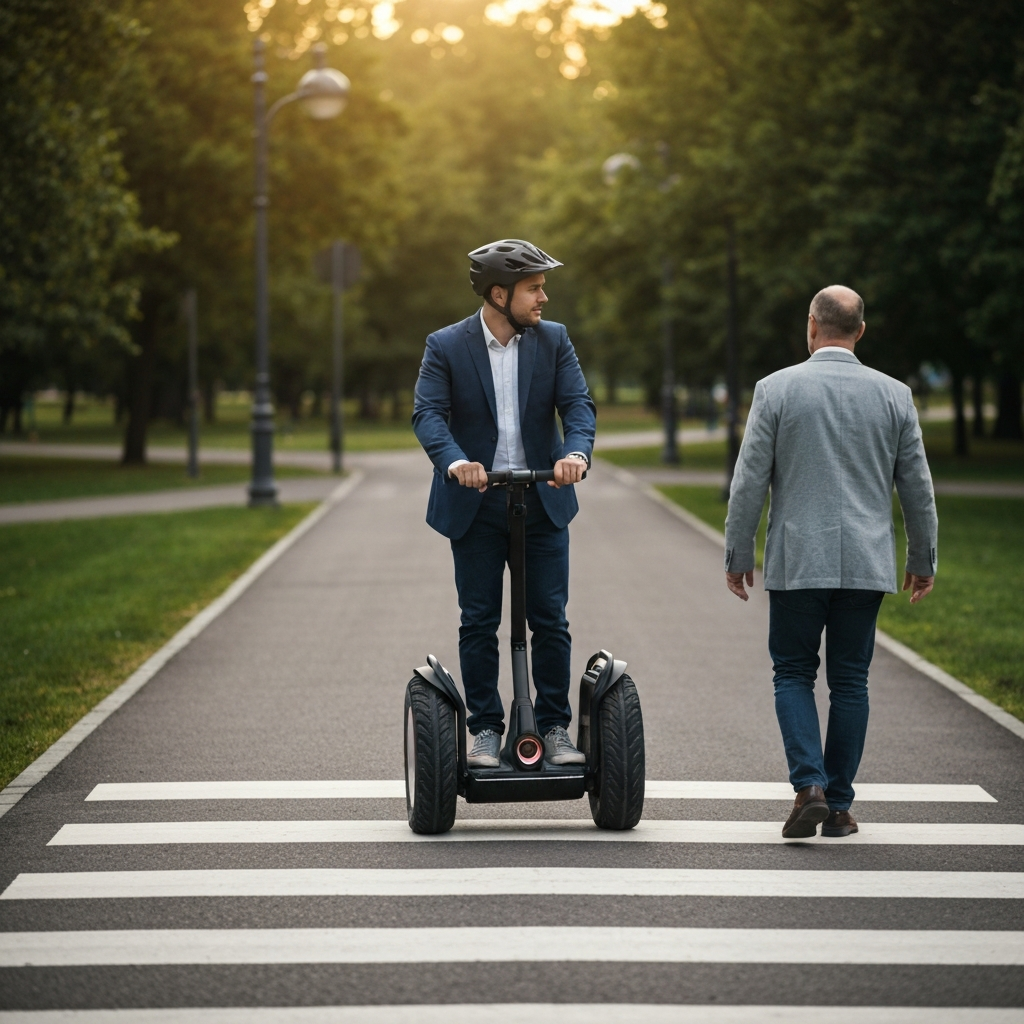
Remember that you are operating a motorized vehicle in areas often shared with pedestrians. Always be aware of your surroundings and be prepared to yield to pedestrians. Since Segways are relatively quiet, pedestrians may not hear you approaching. Be especially cautious around children, elderly individuals, and people with disabilities. In countries with right-side traffic, stay to the right of the sidewalk. Conversely, stay to the left where left-side traffic is the norm. Always adhere to local rules and regulations regarding the use of sidewalks.
Step 9: Obstacle Avoidance
Staying Alert and Aware
Keep a vigilant eye out for potential obstacles, such as park benches, light poles, signposts, and trees. Avoid holes, curbs, and steps, as these can easily cause the Segway to trip and throw you off balance. Never attempt to ride a Segway down a steep slope, as this will destabilize the device and likely result in a fall. Be extremely cautious on slippery surfaces, such as ice, snow, wet grass, or oily areas. Avoid riding over loose items, such as branches, pebbles, rocks, or broken glass, as these can cause the Segway to lose traction.
Step 10: Anticipating Hazards and Reacting Proactively
Thinking Ahead for Safety
Operating a Segway requires constant awareness and proactive hazard assessment. Anticipate potential dangers and react accordingly. Slow down (and stop if needed) at crossings, intersections, groups of people, driveways, around corners, and doorways. Be mindful of cars, cyclists, and other traffic, recognizing that they may not always see or hear you. Avoid distractions, such as using MP3 players or cell phones, while operating the Segway. Never operate a Segway under the influence of alcohol or drugs.
Step 11: Secure Dismounting
Controlled Exit
Before dismounting the Segway, ensure that it is completely stopped. Do not let go of the Segway while it is still in balance mode. If you release a moving Segway, it will continue to travel and could potentially collide with someone or something, causing damage or injury. Make sure the machine is stable, fully stopped, and then carefully dismount.
Safety Considerations
- Minimum Age and Weight: Adhere to the manufacturer's recommendations regarding minimum age and weight requirements for operating a Segway.
- Regular Maintenance: Ensure that the Segway is properly maintained and inspected regularly for any potential issues.
- Battery Level: Monitor the battery level and avoid operating the Segway when the battery is low.
- Weather Conditions: Avoid riding a Segway in adverse weather conditions, such as heavy rain, snow, or strong winds.
Common Mistakes to Avoid
- Riding Too Fast: Exceeding the safe speed limits for the environment and the Segway's capabilities.
- Ignoring Warnings: Disregarding the Segway's speed limiter and Stick Shake Warning.
- Distracted Riding: Operating the Segway while using electronic devices or engaging in other distractions.
- Improper Posture: Leaning too far forward or backward, or failing to maintain a secure grip on the handlebars.
- Riding on Unsuitable Surfaces: Attempting to operate the Segway on grass, gravel, sand, or other uneven surfaces.
Conclusion
Riding a Segway can be a fun and efficient way to get around, but it's essential to prioritize safety. By following these guidelines, you can minimize the risks and maximize your enjoyment. Remember to always wear appropriate protective gear, be aware of your surroundings, and operate the Segway responsibly. Thorough training, constant vigilance, and respect for the device's limitations are key to a safe and enjoyable Segway experience.