The allure of purple eyes is undeniable. Often associated with royalty, magic, and unique beauty, they’ve captured imaginations for centuries. From fictional characters to real-world figures, the mystique surrounding this rare eye color continues to fascinate. But are naturally purple eyes truly possible, and if so, what causes them? This guide delves into the science, genetics, and myths surrounding purple eyes, providing a comprehensive look at this captivating phenomenon.
While true purple eyes are incredibly rare, understanding the factors that contribute to their appearance sheds light on the complexities of human genetics and melanin production. We'll explore the genetic conditions that can lead to eyes appearing violet or purple, discuss the role of lighting and perception, and debunk common myths surrounding purple eyes. We will also look at ways you can *get* purple eyes, even if you weren't born with them.
Whether you're curious about the science behind eye color, fascinated by the lore of Alexandria's Genesis, or simply intrigued by the beauty of purple eyes, this guide provides a detailed and informative exploration of this captivating topic. We aim to separate fact from fiction, and help you understand the nuances of this alluring phenomenon.
So, buckle up as we explore the fascinating world of purple eyes.
Step 1: Understanding the Genetics of Eye Color
Eye color is primarily determined by the amount and type of melanin present in the iris. Melanin is a pigment that also affects the color of skin and hair. Individuals with more melanin tend to have brown eyes, while those with less may have blue or green eyes. The interplay of multiple genes, not just one, influences melanin production, making eye color a complex genetic trait. This is why predicting a child's eye color based solely on their parents' eye color isn't always accurate.

Step 2: Exploring Albinism and its Impact on Eye Color
Albinism is a genetic condition characterized by a lack of melanin production. This lack of pigment affects the skin, hair, and eyes. In individuals with albinism, the iris may appear very pale blue or even pink. In certain instances and lighting conditions, the blood vessels within the eye can become visible, resulting in what appears to be a reddish or purplish hue. This is because the lack of pigment allows light to reflect off the blood vessels in the back of the eye.

Step 3: Disentangling the Myth of Alexandria's Genesis
Alexandria's Genesis is a fictional condition often associated with purple eyes and other supposed physical enhancements. It's crucial to understand that Alexandria's Genesis is purely a product of fiction and has no basis in scientific reality. The origins of the myth can be traced back to fan fiction, and while it has captured the imagination of many, it should not be confused with actual genetic conditions. No credible scientific evidence supports the existence of this so-called syndrome.

Step 4: Understanding Heterochromia and Other Medical Conditions
While true purple eyes are rare, certain medical conditions can influence eye color. Heterochromia is a condition where an individual has different colored irises. While heterochromia itself doesn't directly cause purple eyes, it can lead to variations in pigmentation that, under specific lighting, might give the appearance of a purplish hue. Other conditions like Fuchs syndrome and Horner syndrome can also impact iris pigmentation, although rarely resulting in true purple eyes. It is vital to consult with an ophthalmologist for proper diagnosis and management of any eye-related conditions.

Step 5: Exploring Cosmetic Options: Contact Lenses
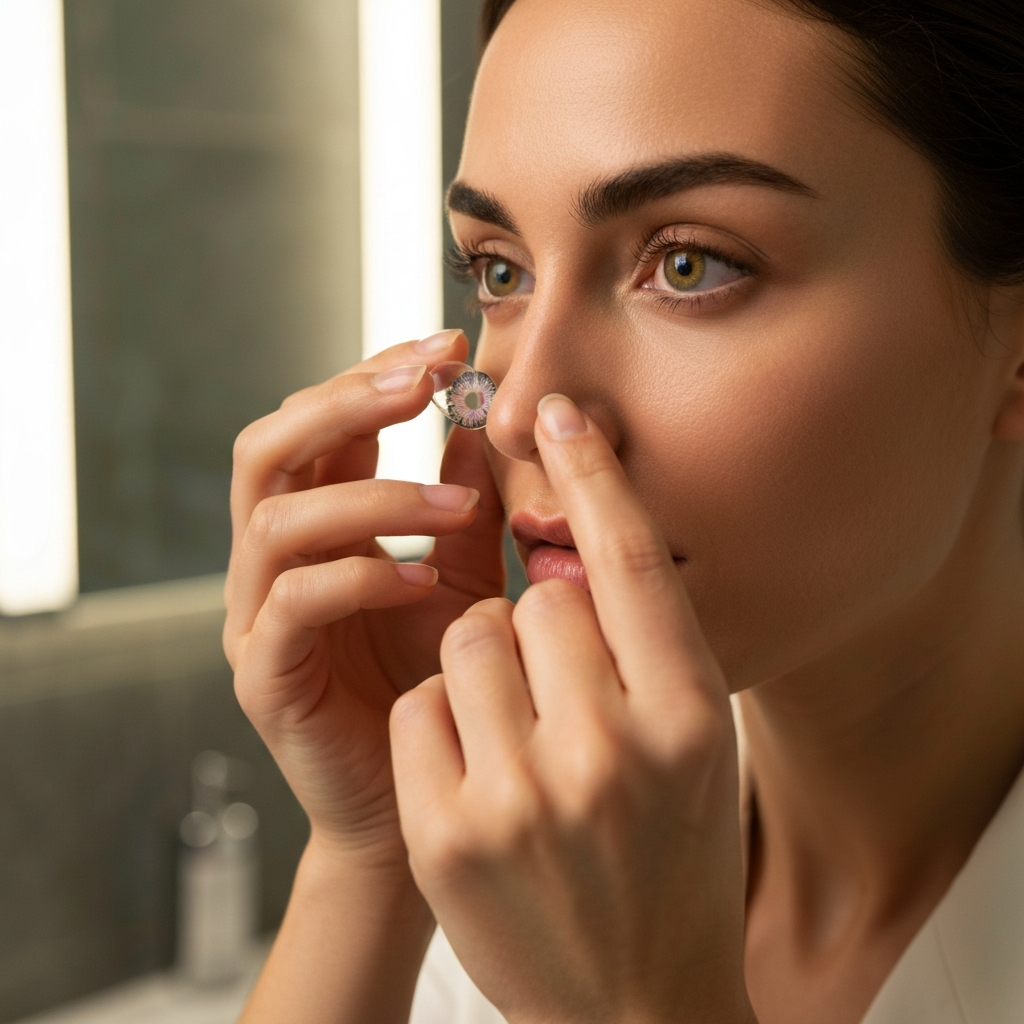
For those seeking to achieve the appearance of purple eyes without any genetic predisposition, colored contact lenses offer a safe and effective solution. A wide range of purple and violet-toned lenses are available, allowing individuals to experiment with different shades and intensities. It is imperative to obtain a prescription from an eye care professional before using any type of contact lens, including cosmetic lenses, to ensure proper fit and avoid potential eye health complications. Poorly fitted lenses can cause corneal abrasions, infections, and other serious issues.
Safety Considerations
When using colored contact lenses, always follow the instructions provided by your eye care professional. Never share contact lenses with others, as this can spread infections. Clean and store your lenses properly using the recommended solutions. If you experience any redness, irritation, or pain, remove the lenses immediately and consult with your eye doctor.
FAQ Section
Q: Are purple eyes real?
A: Yes, but they are extremely rare. They are most often associated with albinism.
Q: Can genetics cause purple eyes?
A: Yes, the genetics of the parents has to include the recessive gene for extremely light colored eyes.
Q: Is Alexandria's Genesis a real genetic condition?
A: No. It is a fictional myth that originated with fan fiction.
Conclusion
The allure of purple eyes stems from their rarity and association with myth and fantasy. While true purple eyes are exceptionally uncommon, understanding the interplay of genetics, melanin production, and the influence of lighting helps demystify this captivating phenomenon. Whether through natural genetic variations or cosmetic enhancements, the pursuit of this unique aesthetic reflects our fascination with beauty and the power of transformation. Remember to prioritize eye health and consult with professionals when considering any changes to your vision or eye care routine.