Pickleball, a sport blending elements of tennis, badminton, and ping-pong, has exploded in popularity. While the rules are simple to grasp, mastering the game requires strategy, finesse, and a dedication to honing your skills. This guide dives deep into advanced techniques, tactical approaches, and mental strategies to elevate your pickleball game to the next level. Forget basic tips; we're focusing on the nuances that separate good players from exceptional ones.
Whether you're aiming to win local tournaments or simply impress your friends on the court, the insights shared here will provide a competitive edge. We'll explore advanced shot selection, strategic court positioning, and the importance of communication with your partner. Get ready to transform your game and experience the thrill of dominating the pickleball court.
This guide is designed for players who already understand the fundamentals of pickleball. If you're entirely new to the game, we recommend familiarizing yourself with the basic rules and strokes before diving into these advanced techniques. Let's begin your journey toward becoming a pickleball master.
Step 1: Mastering the Third Shot Drop
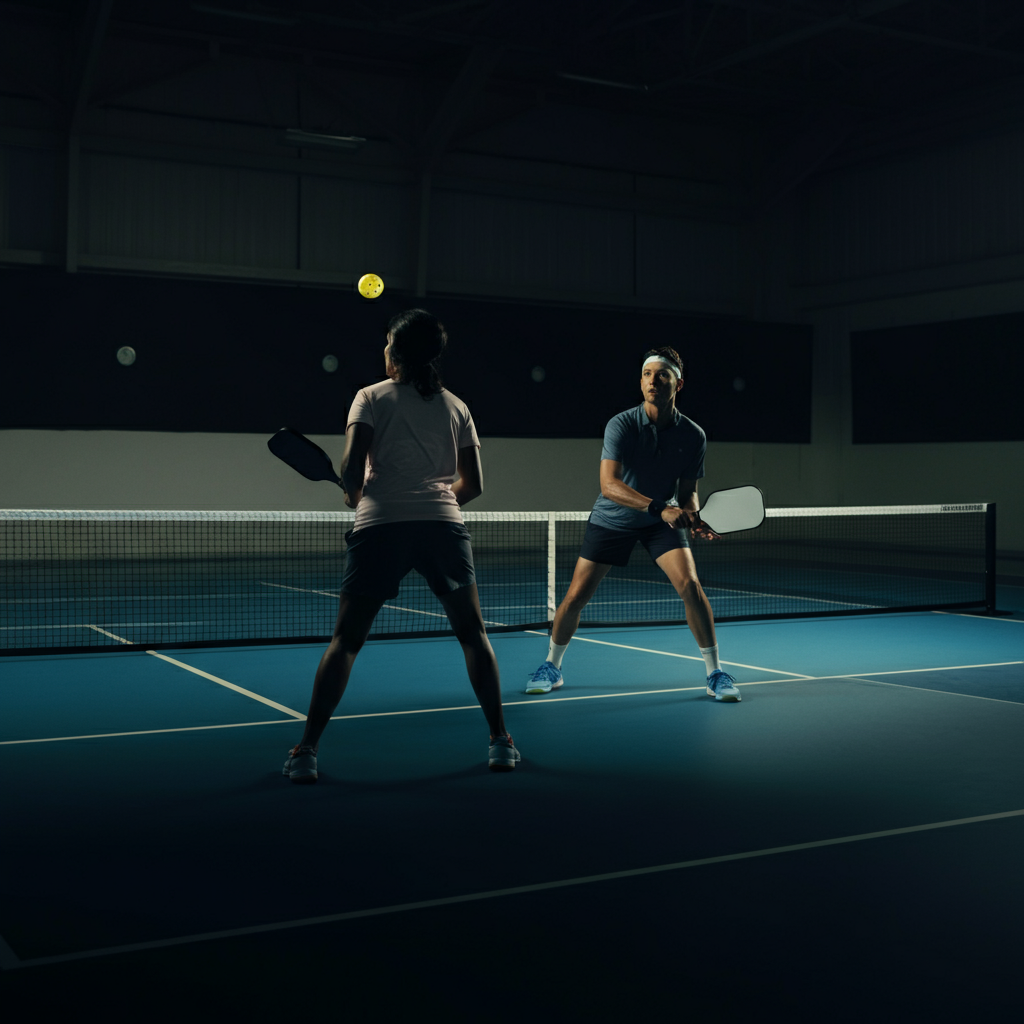
The third shot drop is arguably the most crucial shot in pickleball, especially in doubles play. It's the shot that allows the serving team to transition from the baseline to the net, establishing a dominant position. The goal is to hit a soft, arcing shot that lands just inside the non-volley zone (the "kitchen") of your opponents. The lower the bounce, the harder it is for your opponents to attack. Practice different spins and trajectories to make your third shot drop unpredictable.
Step 2: Aggressive Net Play and Volleying
Once you've successfully executed the third shot drop, you and your partner need to move forward to the net as quickly as possible. Aggressive net play is essential for controlling the game and putting pressure on your opponents. Be ready to volley any balls that come your way, keeping your paddle up and your weight balanced. Short, punchy volleys are often more effective than long, sweeping strokes. Focus on placing your volleys strategically, aiming for your opponents' feet or their weaker backhand side.
Step 3: The Art of the Dink
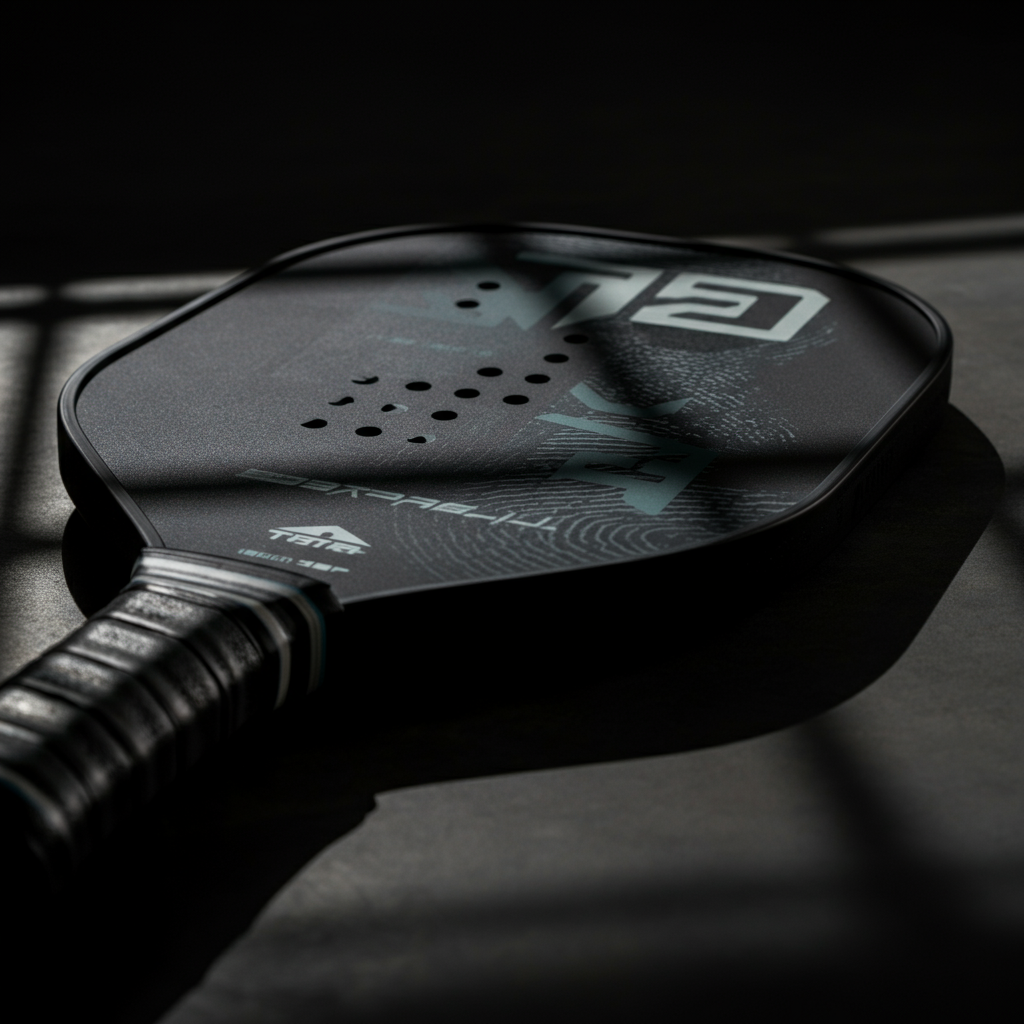
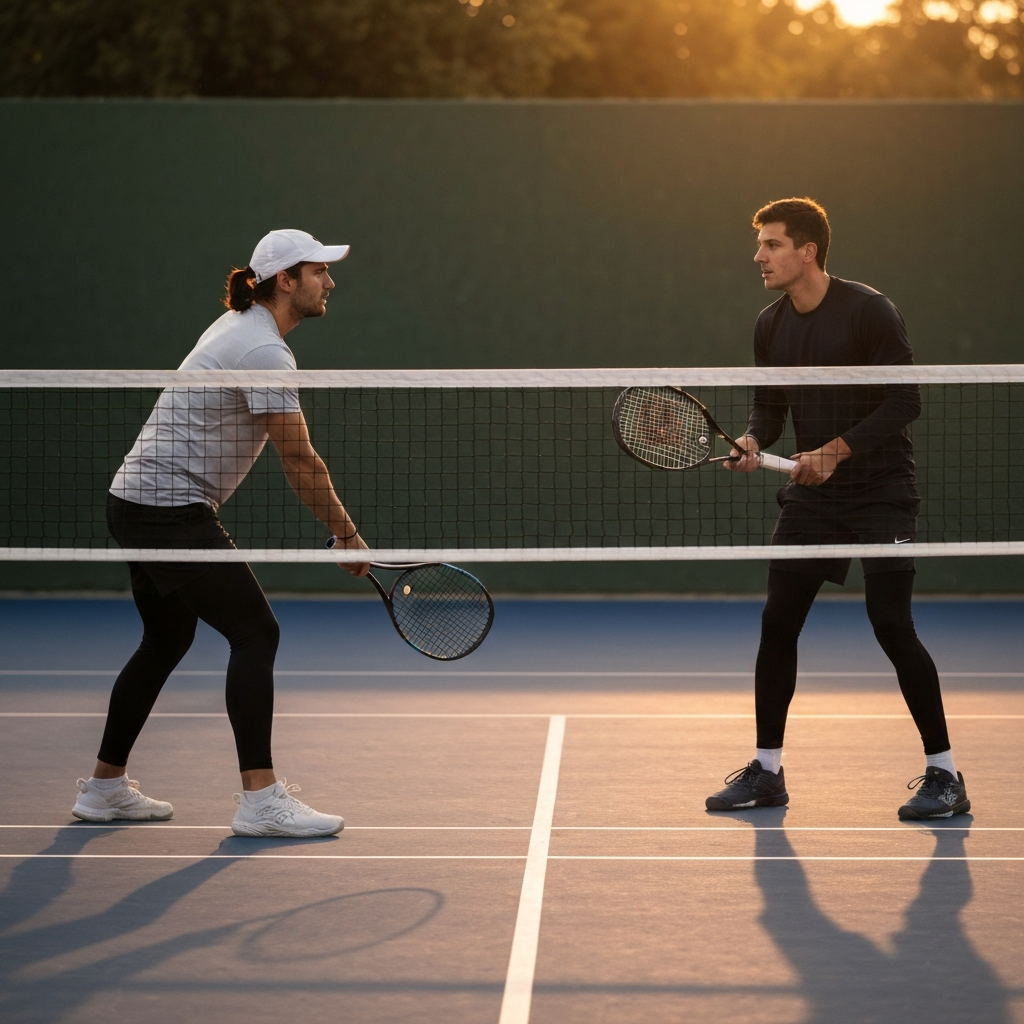
Dinking is a soft shot played from the non-volley zone, designed to keep the ball low and force your opponents to hit up. Mastering the dink requires precision and patience. The key is to use a short, controlled swing and focus on placing the ball just over the net, ideally cross-court. Vary the spin and angle of your dinks to keep your opponents guessing. Be prepared to engage in long dinking rallies, waiting for the opportune moment to attack.
Step 4: Developing a Powerful Serve
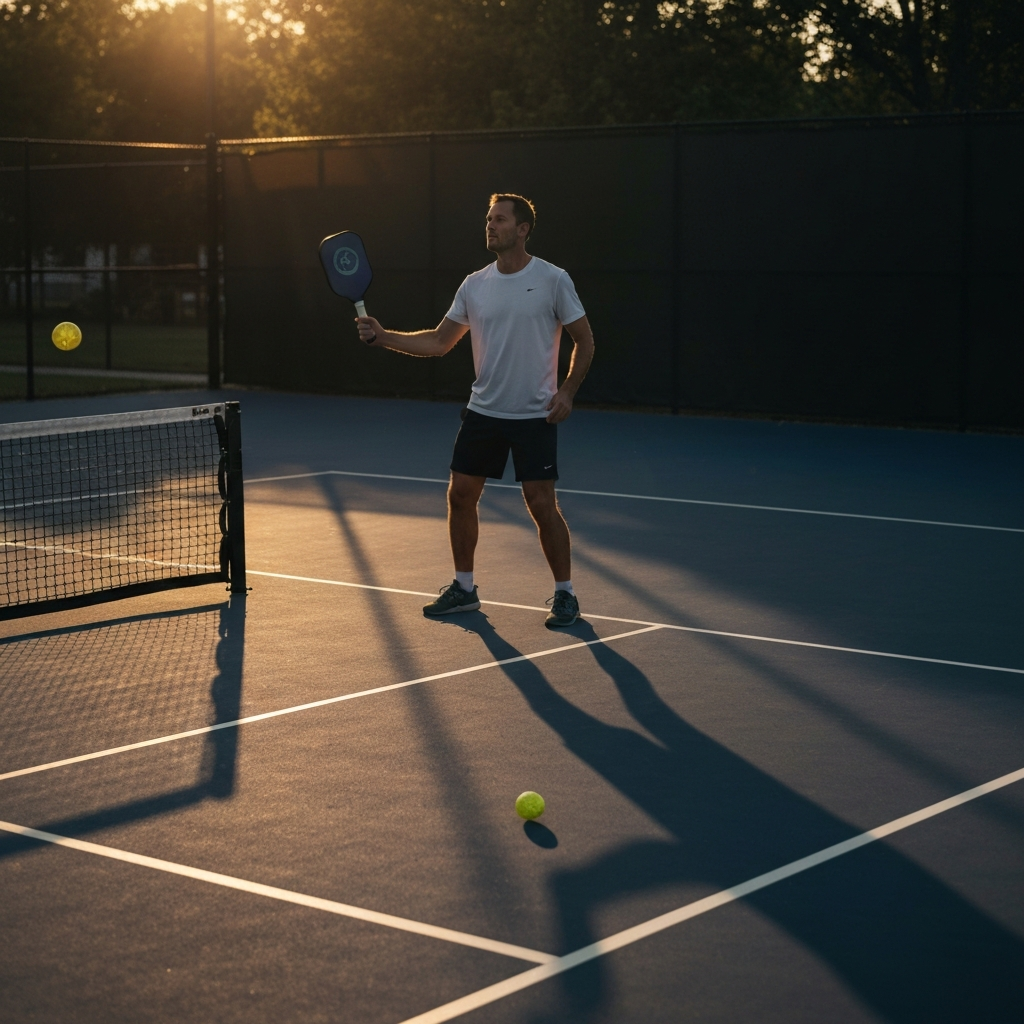
While the serve in pickleball isn't as dominant as in tennis, it's still an important part of the game. Focus on consistency and placement rather than raw power. Aim your serves deep into the court, forcing your opponents to move back. Experiment with different spins, such as topspin or sidespin, to make your serves more difficult to return. Remember that you only get one serve, so accuracy is paramount.
Step 5: Mastering Shot Selection and Placement
Choosing the right shot at the right time is crucial for success in pickleball. Avoid being predictable and learn to read your opponents' weaknesses. If they're struggling with their backhand, target that side of the court. If they're slow to react, try a quick, powerful drive. Vary your shots to keep your opponents off balance and force them to make errors. Don't be afraid to use drop shots, lobs, and passing shots to keep them guessing.
Step 6: Effective Communication with Your Partner
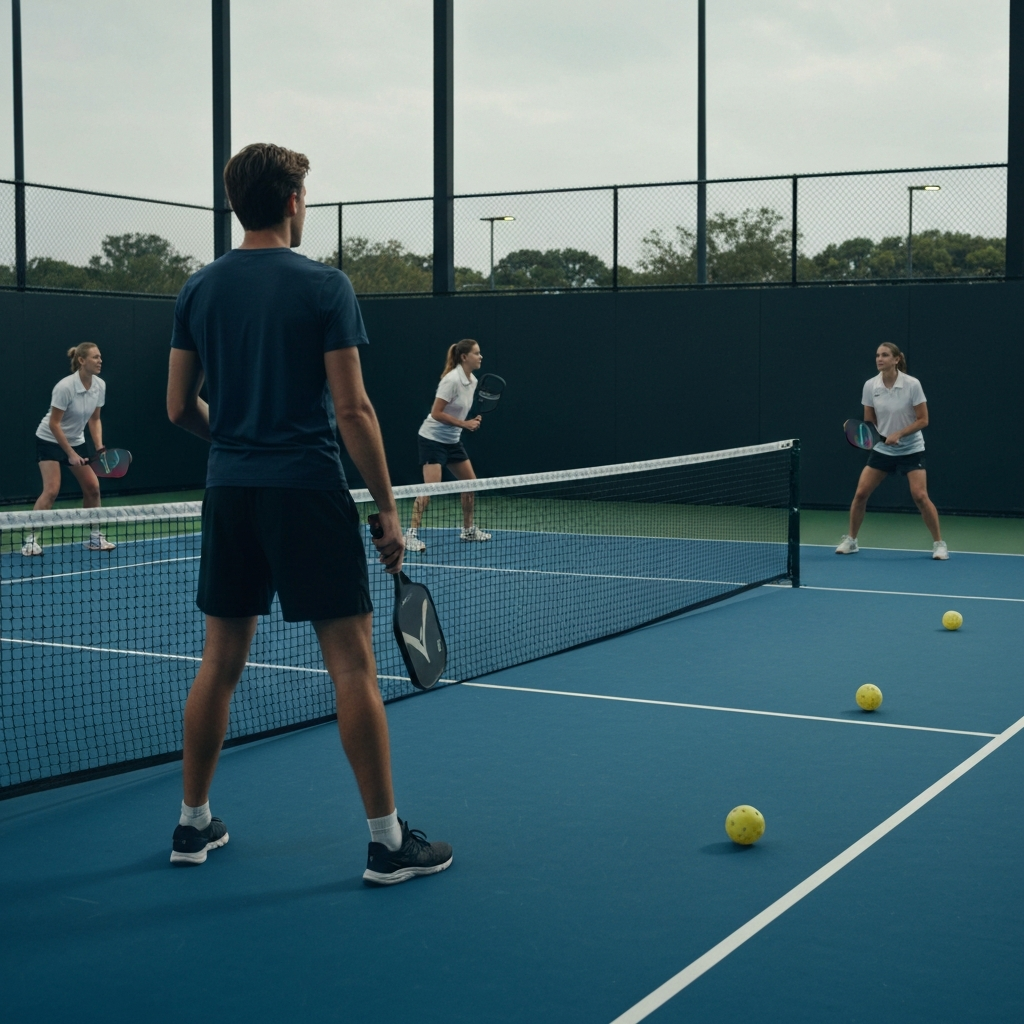
Pickleball is a team sport, and effective communication with your partner is essential for success. Before each point, discuss your strategy and who will cover which areas of the court. During play, use clear and concise communication to call out shots, indicate where you're moving, and coordinate your attacks. Develop a system of signals to communicate more complex strategies without alerting your opponents.
Step 7: Analyzing Your Opponents
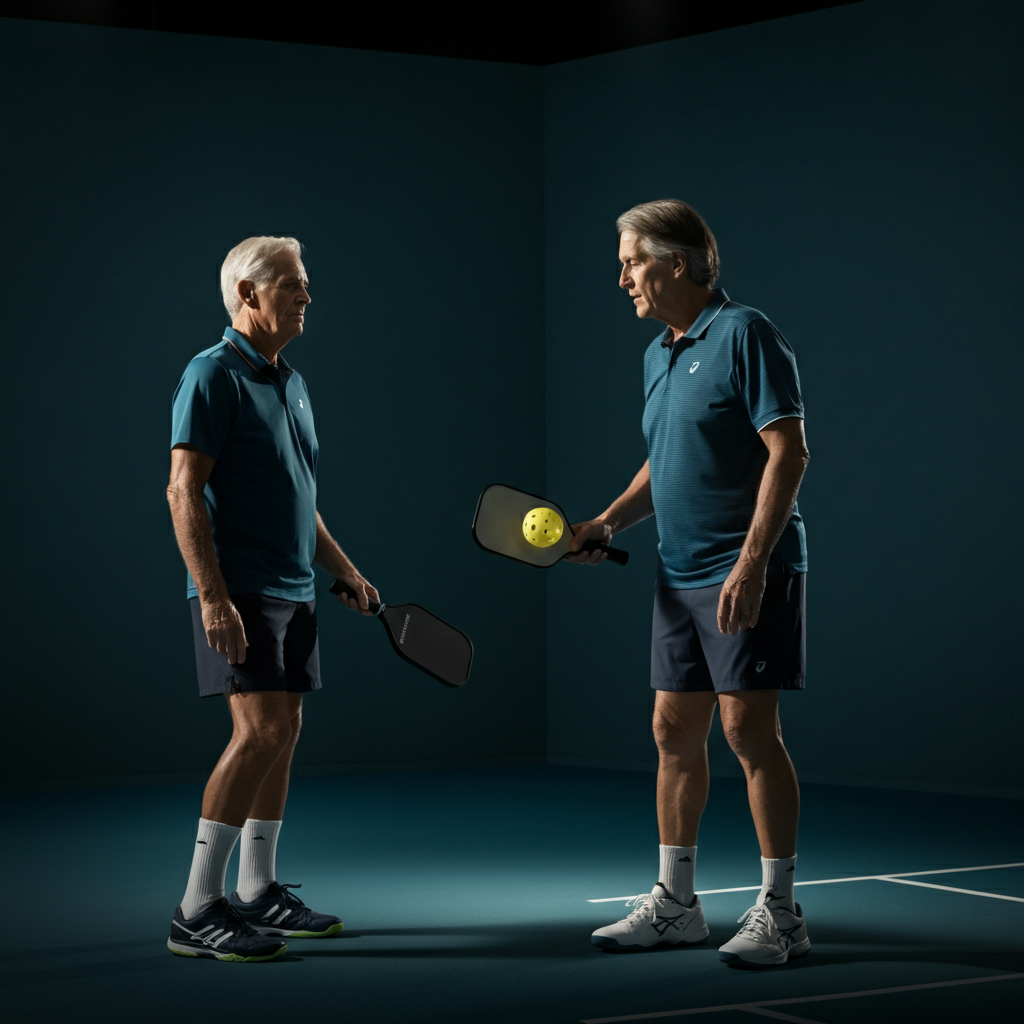
Before and during a match, actively analyze your opponents' strengths and weaknesses. Pay attention to their shot selection, movement patterns, and communication habits. Identify their preferred shots, their weaker side, and any tendencies they have. Use this information to develop a game plan that exploits their vulnerabilities and maximizes your own strengths. Adjust your strategy as the match progresses and your opponents adapt.
Step 8: Mental Toughness and Focus
Pickleball can be a mentally challenging sport, especially when the pressure is on. Develop strategies for staying calm, focused, and positive, even when you're facing adversity. Practice mindfulness techniques to stay present in the moment and avoid dwelling on past mistakes. Cultivate a growth mindset, viewing every match as an opportunity to learn and improve. Visualize success and believe in your ability to perform under pressure.
Common Mistakes to Avoid
- Overhitting the ball, leading to unforced errors.
- Neglecting the third shot drop and failing to transition to the net.
- Becoming predictable with your shot selection.
- Failing to communicate effectively with your partner.
- Losing focus and becoming mentally fatigued.
Pro Tips
- Record your matches and analyze your performance to identify areas for improvement.
- Drill specific shots and techniques regularly to build muscle memory and consistency.
- Play with a variety of different partners and opponents to adapt to different styles of play.
- Stay physically fit and flexible to prevent injuries and improve your on-court performance.
FAQ Section
Q: How important is paddle selection? A: Paddle selection is important, but technique is more crucial. Experiment with different paddles to find one that suits your playing style and grip strength.
Q: How can I improve my reaction time? A: Practice volleying drills and focus on keeping your paddle up and ready. Visualizing the ball trajectory can also help.
Q: What's the best way to deal with aggressive "bangers"? A: Stay low, block their shots, and try to redirect the ball to their feet or their weaker side.
Safety Considerations
Always warm up properly before playing to prevent injuries. Wear appropriate athletic shoes with good ankle support. Stay hydrated and take breaks as needed. Be aware of your surroundings and avoid collisions with other players.
Tools or Materials Required
- Pickleball paddle
- Pickleball balls
- Athletic shoes
- Comfortable athletic clothing
- Water bottle
Conclusion
Mastering pickleball requires dedication, practice, and a willingness to learn and adapt. By focusing on the advanced techniques and strategies outlined in this guide, you can elevate your game and achieve your full potential on the court. Remember to stay focused, communicate effectively with your partner, and always strive to improve. With hard work and a positive attitude, you'll be well on your way to dominating the pickleball court!