Parkour, often described as the "art of displacement," is a discipline focused on overcoming obstacles through movement. It's about navigating any environment using your body's capabilities – running, jumping, climbing, vaulting, rolling, and more. It's a demanding physical and mental practice that builds strength, agility, coordination, and confidence. Forget treadmills and weight machines; Parkour uses the world as your gym.
This guide will provide you with a structured approach to learning Parkour, from the fundamental movements to more advanced techniques. We'll cover essential safety considerations, training tips, and common pitfalls to avoid. Remember, progressing safely and sustainably is more important than rushing into complex maneuvers. With dedication and patience, you can unlock your body's potential and experience the freedom of movement that Parkour offers.
Before you begin, understand that consistency is key. It’s more effective to train regularly for shorter periods than to cram in infrequent, lengthy sessions. Listen to your body, rest when needed, and gradually increase the intensity and complexity of your training. Get ready to explore the world in a whole new way!
Step 1: Foundational Strength and Conditioning
Building a Solid Base
Before attempting any Parkour movements, it’s crucial to establish a foundation of strength and conditioning. This includes building both aerobic endurance and muscular strength. Focus on exercises that utilize your body weight, such as push-ups, pull-ups, squats, lunges, and planks. These exercises will improve your overall strength, power, and stability, which are essential for performing Parkour techniques safely and effectively. Aim for at least three strength training sessions per week, allowing for adequate rest and recovery in between.
Incorporate cardiovascular exercises into your routine to improve your stamina. Running, swimming, cycling, and even brisk walking can help build the endurance you’ll need to sustain longer Parkour training sessions. Aim for at least 30 minutes of moderate-intensity cardio most days of the week. Remember to warm up before each workout and cool down afterwards.
Don’t underestimate the importance of flexibility and mobility. Stretching regularly can improve your range of motion and reduce the risk of injury. Consider incorporating dynamic stretches into your warm-up and static stretches into your cool-down. Overlooking this crucial area can hinder your progression and make you prone to injuries. Pay extra attention to your ankles, hips, and shoulders, as these joints are heavily involved in Parkour movements.

Step 2: Mastering the Basic Landing
Absorbing Impact Safely
The basic landing is arguably the most important skill in Parkour. It's the foundation upon which all other movements are built. A proper landing technique minimizes impact on your joints and prevents injuries. The key principles are landing on the balls of your feet, keeping your knees bent (but not exceeding 90 degrees), and distributing the impact throughout your body. Think of your legs as shock absorbers. Maintain a stable posture with your core engaged and your weight balanced evenly. Practice landing from gradually increasing heights to build confidence and refine your technique.
Start by practicing on a soft surface, such as grass or a mat. Focus on landing quietly and smoothly. As you become more comfortable, gradually increase the height and transition to harder surfaces. Pay attention to the sound of your landings. A loud landing indicates that you’re not absorbing the impact effectively. Visualizing a smooth, controlled landing can also improve your performance.
A common mistake is landing with straight legs or on your heels, which can lead to serious injuries. Always keep your knees bent and land on the balls of your feet. Another mistake is leaning too far forward or backward, which can throw off your balance. Maintain an upright posture with your core engaged to stay stable.
Step 3: Perfecting the Shoulder Roll
Converting Downward Motion
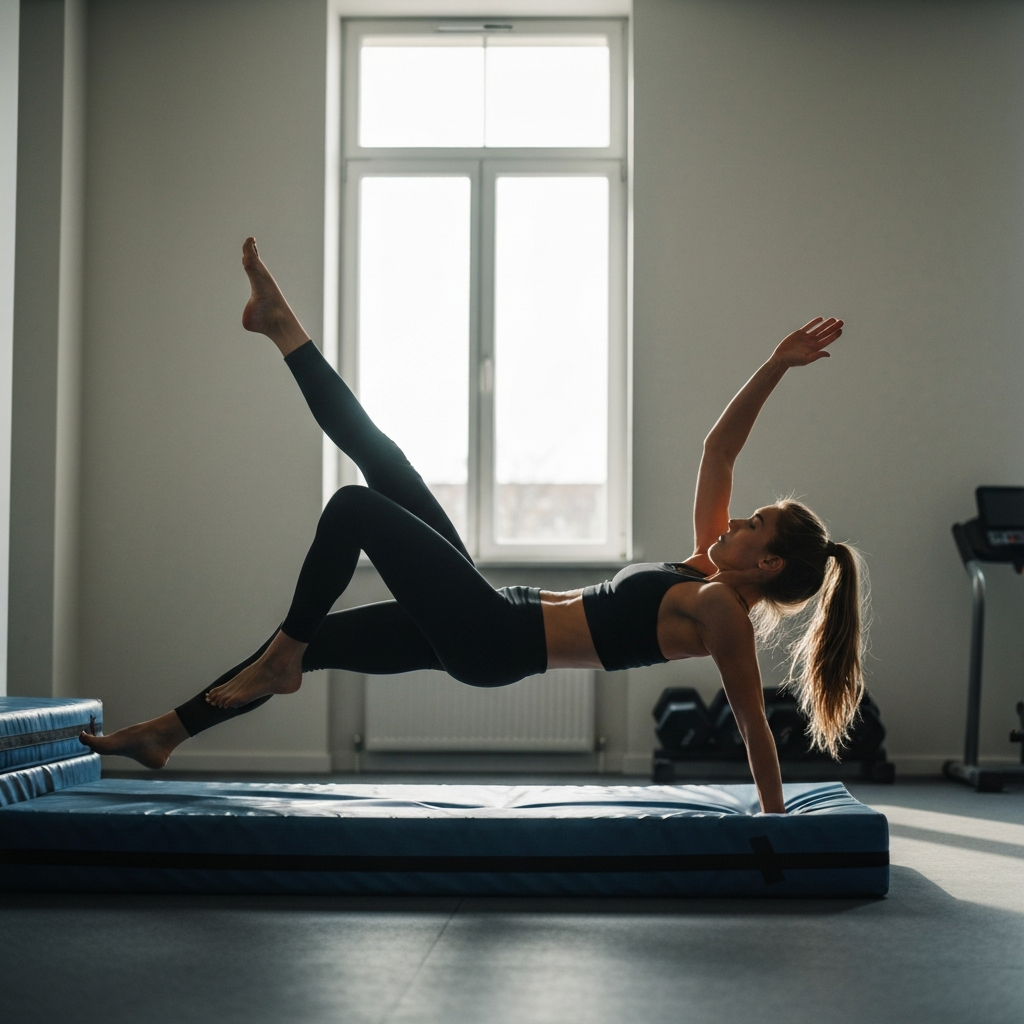
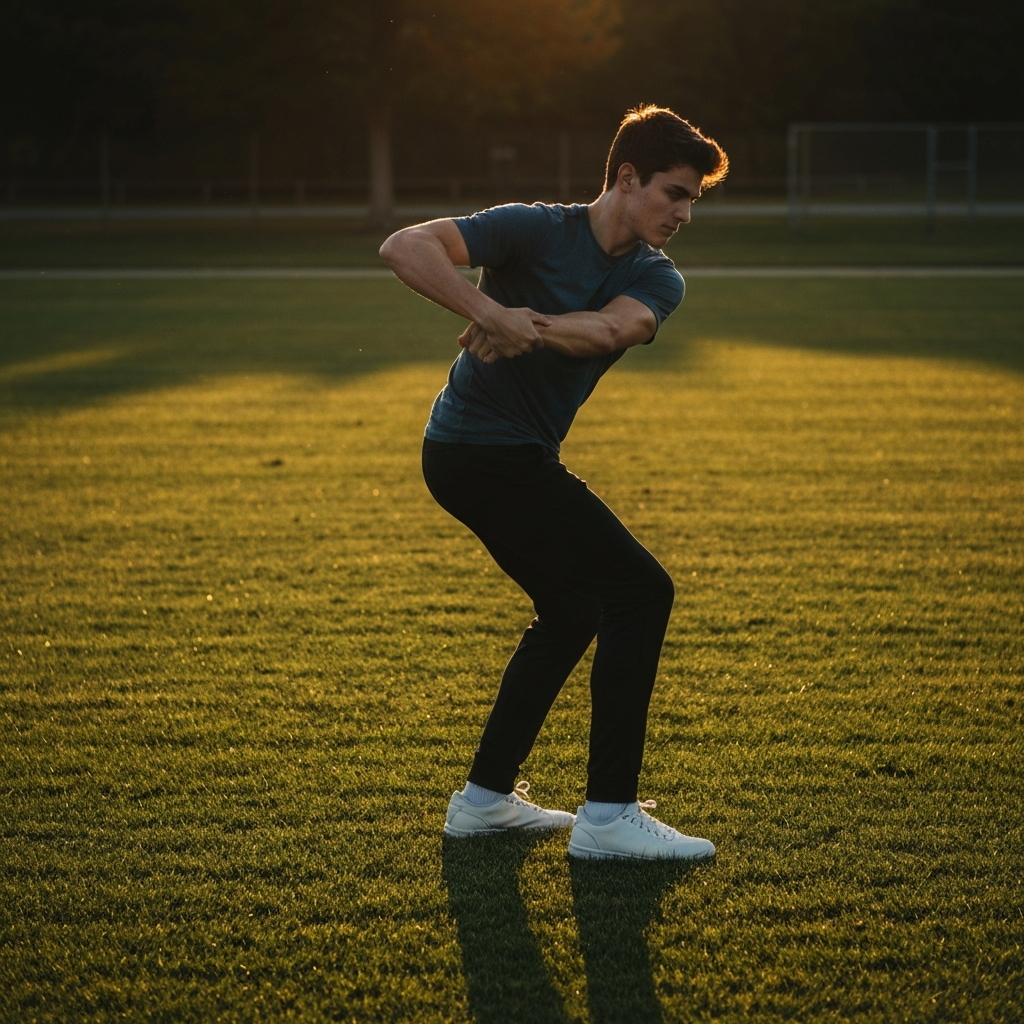
The shoulder roll is another fundamental technique that allows you to safely dissipate the energy of a fall or a jump. It converts the downward momentum into forward motion, enabling you to quickly recover and continue moving. The key is to roll diagonally across your back, over one shoulder, protecting your spine and minimizing impact. Imagine rolling from one shoulder to the opposite hip. Tuck your chin to your chest to protect your neck and keep your arms close to your body. Practice on a soft surface first to get comfortable with the movement.
Start by practicing the shoulder roll from a kneeling position, gradually progressing to standing and eventually incorporating it into your landings. The roll should be smooth and fluid, not jerky or abrupt. Focus on maintaining control throughout the movement and landing on your feet at the end. Avoid rolling directly on your spine, as this can cause injury.
A common mistake is not tucking your chin properly, which can expose your neck to injury. Always keep your chin tucked to your chest throughout the roll. Another mistake is rolling directly on your spine, which can cause pain and injury. Make sure you’re rolling diagonally across your back, over one shoulder. Spend a lot of time perfecting this movement as it becomes invaluable when advancing in Parkour.
Step 4: Mastering Basic Vaults
Clearing Obstacles with Efficiency
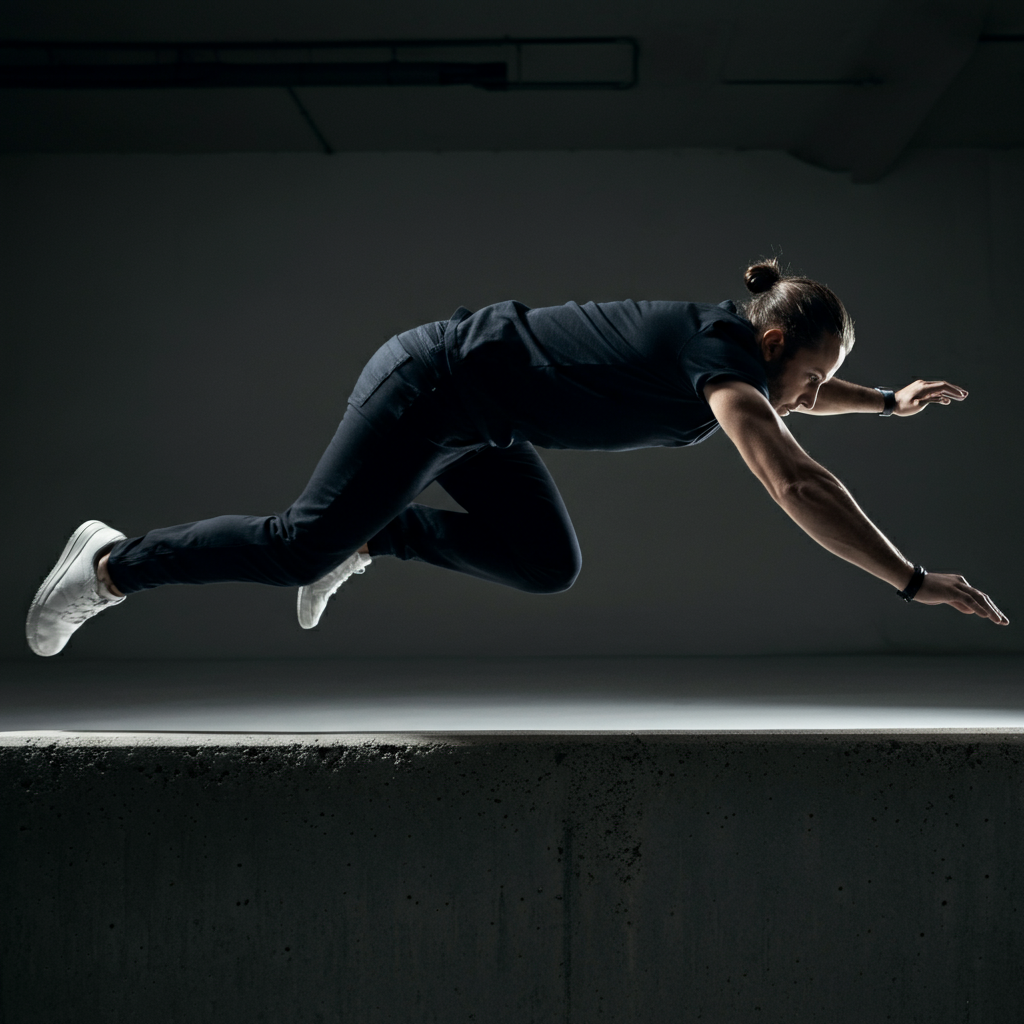
Vaults are essential techniques for clearing obstacles efficiently and maintaining momentum. There are several basic vaults, including the safety vault, the speed vault, and the precision vault. Each vault has its own specific application and technique, but they all share the common goal of allowing you to overcome obstacles quickly and smoothly. Focus on maintaining your forward momentum while minimizing contact with the obstacle. Start with low obstacles and gradually increase the height as you become more comfortable.
The safety vault involves placing one hand on the obstacle and swinging your legs over to the side, using your hand as a pivot point. The speed vault involves placing both hands on the obstacle and propelling yourself forward, using your arms and legs to clear the obstacle quickly. The precision vault involves landing precisely on the obstacle with both feet, demonstrating control and accuracy. Practice each vault individually until you can perform it consistently and smoothly. Experiment with different hand placements and leg movements to find what works best for you.
A common mistake is hesitating before attempting a vault, which can lead to a loss of momentum and a failed attempt. Approach the obstacle with confidence and commit to the movement. Another mistake is using too much or too little force, which can result in either overshooting or undershooting the obstacle. Practice judging distances and adjusting your approach accordingly.
Step 5: Gradual Height Progression
Safe Jumping Practices
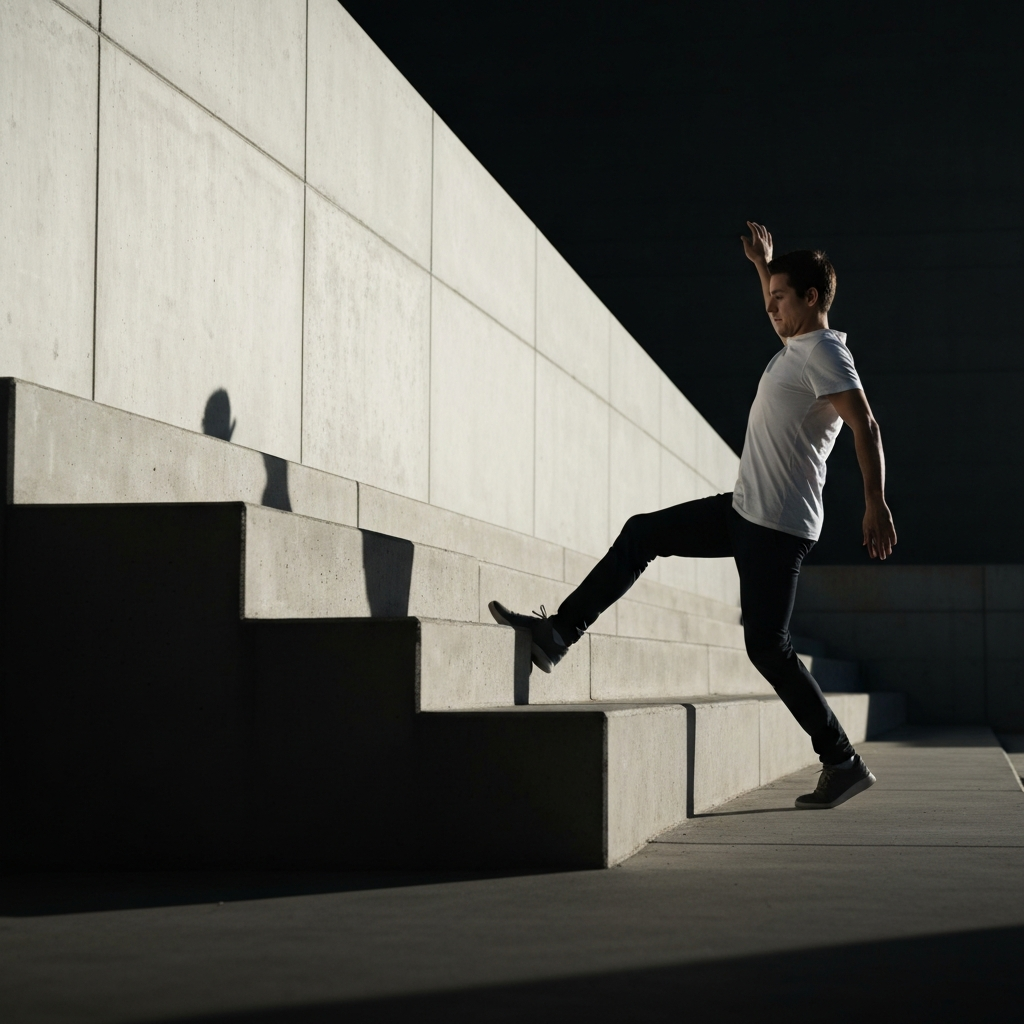
Jumping is a fundamental aspect of parkour, but it's also one of the most potentially dangerous if not approached with caution. Begin by practicing jumps from very low heights, focusing on maintaining proper landing technique. Only increase the height gradually as your strength, coordination, and confidence improve. Never attempt a jump that you're not 100% confident in, and always assess the landing area for potential hazards. Be aware of the ground and make sure there aren't any objects in your way. If it's raining, it might be better to wait another day to practice Parkour.
Practice jumping from different surfaces and angles to build versatility and adaptability. Experiment with different takeoff and landing techniques to find what works best for you. Remember to focus on absorbing the impact with your legs and maintaining your balance. Visualizing the jump beforehand can help improve your performance and reduce anxiety. Consider starting with plyometrics to build explosive power. Box jumps are a popular choice.
A common mistake is attempting jumps that are too high before you're ready, which can lead to serious injuries. Always prioritize safety over ego. Another mistake is neglecting to assess the landing area, which can result in unexpected hazards and falls. Be sure to check for uneven surfaces, loose debris, and other potential obstacles.
Safety Considerations
Parkour is inherently risky, but with proper training and precautions, you can minimize the risk of injury. Always warm up thoroughly before each training session and cool down afterwards. Listen to your body and rest when needed. Avoid training when you're tired or injured. Choose training locations carefully, avoiding areas with heavy traffic, dangerous obstacles, or unstable surfaces.
Consider wearing appropriate protective gear, such as gloves, knee pads, and ankle supports, especially when first starting out. Learn basic first aid and CPR in case of emergencies. Train with a partner or group whenever possible, so you can look out for each other. Inform someone of your training plans and location. Know your limits and avoid attempting maneuvers that are beyond your current skill level. Never be afraid to back down from a challenge if you're not feeling confident.
Common Mistakes to Avoid
Many beginners make the same mistakes when learning Parkour. Avoiding these pitfalls can help you progress faster and more safely. One common mistake is rushing into advanced techniques before mastering the fundamentals. Take your time and focus on building a solid foundation. Another mistake is neglecting to condition your body properly. Strength, flexibility, and endurance are all essential for performing Parkour safely and effectively. A final mistake is ignoring your body's signals. Rest and recovery are just as important as training.
Pro Tips
- Visualize: Before attempting a movement, mentally rehearse it in your mind.
- Progress Gradually: Don't try to do too much too soon.
- Listen to Your Body: Rest when you need it.
- Train with Others: Learning from experienced practitioners is invaluable.
- Film Yourself: Reviewing your technique can help you identify areas for improvement.
Conclusion
Parkour is a challenging but rewarding discipline that can transform your physical and mental capabilities. By following the steps outlined in this guide, you can learn the fundamentals safely and effectively. Remember to focus on building a solid foundation, mastering the basic techniques, and gradually progressing to more advanced maneuvers. Prioritize safety, listen to your body, and never stop learning. With dedication and perseverance, you can unlock your body's potential and experience the freedom of movement that Parkour offers. Now get out there and explore the world!