Embarking on a cruise is an exciting adventure, a chance to explore new destinations and indulge in a unique travel experience. But before you set sail, there's a crucial step: packing. Packing efficiently and effectively can make or break your cruise, ensuring you have everything you need while avoiding unnecessary baggage fees and cumbersome luggage.
This comprehensive guide will walk you through the essential steps of packing for a cruise, from creating a packing list to maximizing space in your suitcase. We'll cover everything from understanding cruise line regulations to selecting the right attire for various onboard activities and shore excursions. Whether you're a seasoned cruiser or a first-timer, this guide will equip you with the knowledge and skills to pack like a pro. Remember, careful planning is the key to a stress-free cruise experience!
So, let's get started and ensure you're well-prepared for your unforgettable cruise adventure!
Step 1: Understanding Cruise Line Regulations
Before you even think about what to pack, it's imperative to familiarize yourself with the specific regulations of your cruise line. Each cruise line has its own set of rules regarding prohibited items, baggage allowances, and dress codes. Ignoring these regulations can lead to confiscation of belongings or even denial of boarding. Always check the cruise line's website or your booking documents for detailed information. Pay close attention to restrictions on items like alcohol, electronic devices, and personal grooming appliances.

Step 2: Creating a Comprehensive Packing List
A well-structured packing list is your best friend when preparing for a cruise. Start by listing essential items like clothing, toiletries, medications, and travel documents. Then, consider the specific activities you plan to participate in, such as formal dinners, shore excursions, or poolside relaxation. Tailor your packing list to these activities to ensure you have the appropriate attire and accessories. Don't forget to include a section for electronics, chargers, and any necessary adapters. Creating a digital checklist on your phone or tablet can make it easier to manage and update your list as you go.

Step 3: Laying Out Your Essentials
Once you have your packing list, gather all the items you intend to bring and lay them out in a designated space. This allows you to visually assess your belongings and identify any duplicates or unnecessary items. It also helps you to organize your packing strategy and ensure you haven't forgotten anything crucial. This process also provides a clear visual representation of how much you're planning to bring, which is helpful in the next stage. Avoid simply grabbing items from your closet and throwing them into your suitcase without a proper assessment.

Step 4: Planning Your Wardrobe Strategically
Carefully plan your wardrobe to maximize versatility and minimize bulk. Choose clothing items that can be mixed and matched to create multiple outfits. Consider the climate of your destination and pack accordingly. Pack lightweight, breathable fabrics for warm climates and layers for cooler temperatures. Utilize the "one-third rule": plan to wear each clothing item at least three times during your cruise. This will help you avoid overpacking and save valuable space in your luggage.

Step 5: Assembling Your Carry-On Bag
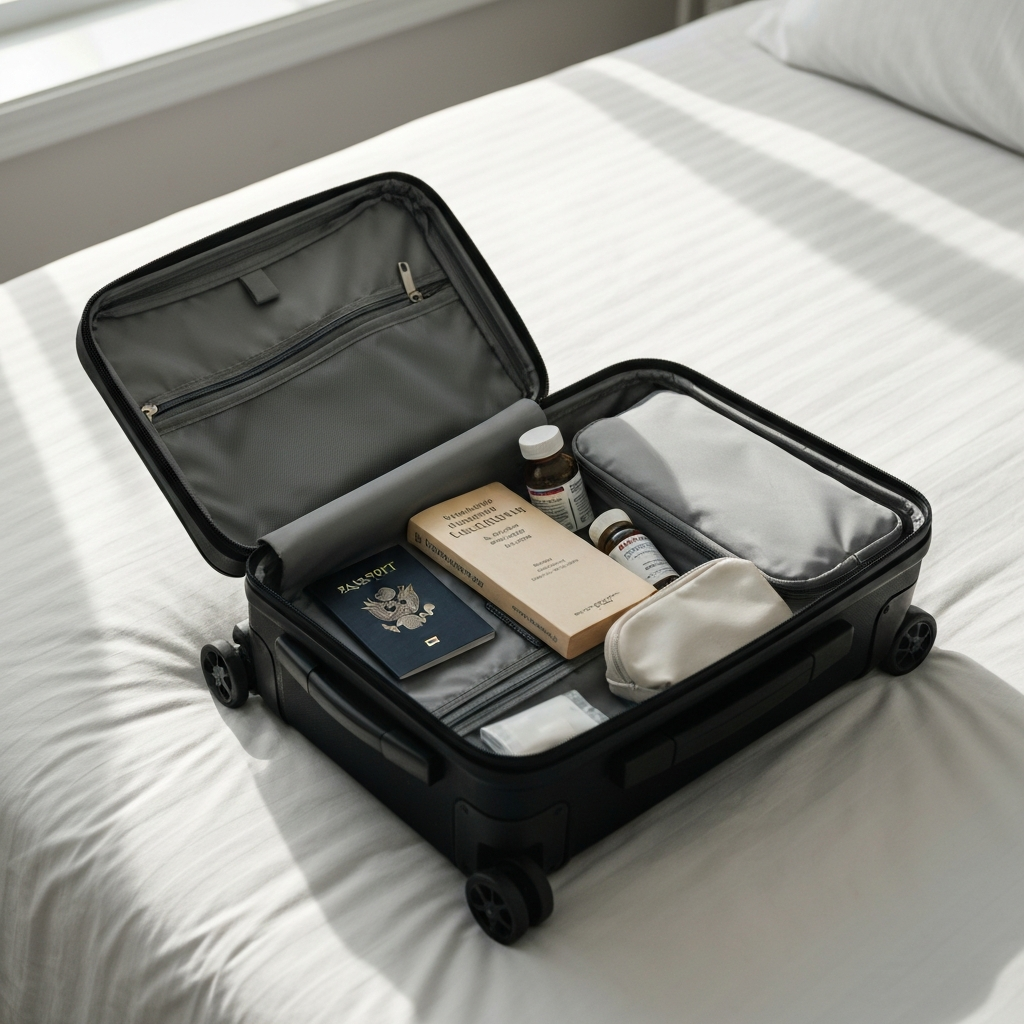
Your carry-on bag is your lifeline for the first few hours of your cruise. Pack essential items such as travel documents, medications, valuables, and a change of clothes. Include entertainment options like a book, magazine, or tablet to keep you occupied during embarkation and while waiting for your luggage to arrive in your cabin. Always keep a small toiletry kit in your carry-on in case your checked luggage is delayed. Also include any items you are especially worried about (expensive camera, jewelry, important documents.)
Step 6: Choosing Destination-Appropriate Attire
The destination of your cruise significantly impacts your packing choices. For Caribbean cruises, prioritize swimwear, shorts, and lightweight tops. For Alaskan cruises, pack layers, including a waterproof jacket, fleece, and warm accessories. Consider any specific activities you plan to participate in at each port of call, such as hiking, snorkeling, or sightseeing. Research the local customs and dress codes of your destinations to ensure you pack respectful and appropriate attire.

Step 7: Packing Swimwear and Pool Essentials
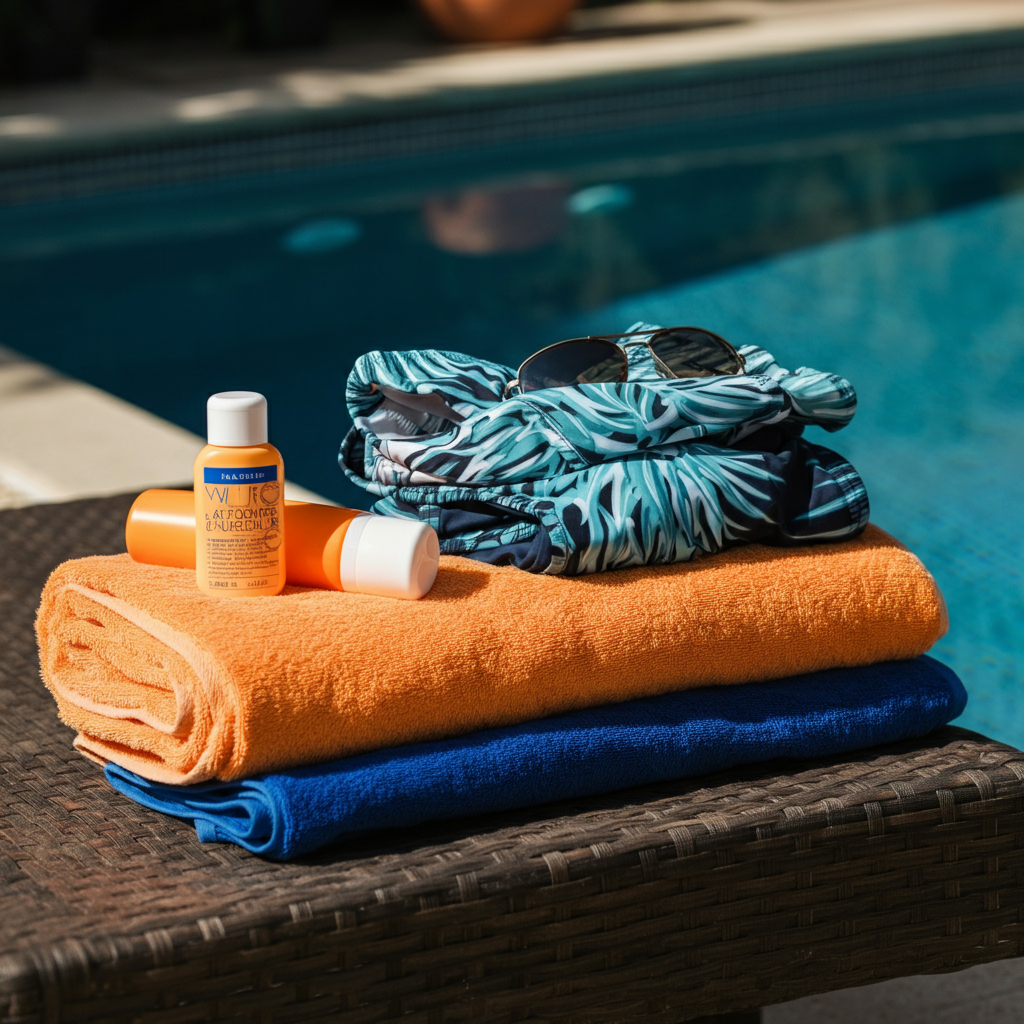
Even if your cruise doesn't primarily focus on beach destinations, packing swimwear is essential. Most cruise ships have pools, hot tubs, and water parks that you'll want to enjoy. Don't forget to include sunscreen, sunglasses, a hat, and a beach towel (although some cruise lines provide towels). Consider packing a rash guard for sun protection, especially if you plan to spend extended periods in the water. Consider packing a waterproof phone case for taking pictures while in the pool or at the beach.
Step 8: Remembering a Jacket or Sweater
Even on warm-weather cruises, evenings can get chilly, especially on deck or in air-conditioned spaces. Pack a light jacket, sweater, or shawl to stay comfortable. For cruises to colder destinations, pack a heavier jacket, gloves, and a scarf. A versatile jacket that can be dressed up or down is a great option for cruises with formal nights.

Step 9: Including Formal or Semi-Formal Wear
Many cruises have formal nights or designated dress codes for certain restaurants and events. Pack at least one formal or semi-formal outfit, such as a cocktail dress, gown, suit, or tuxedo. Check the cruise line's website for specific dress code requirements. Don't feel obligated to purchase expensive formal wear; a well-fitting, classic outfit can be just as elegant.
Step 10: Leaving Prohibited Items Behind
Strictly adhere to the cruise line's list of prohibited items. Common prohibited items include weapons, illegal drugs, flammable liquids, and irons. Confiscated items will not be returned, so it's crucial to leave them at home. If you're unsure whether an item is allowed, contact the cruise line directly for clarification.
Step 11: Selecting the Right Suitcase Size
Choose a suitcase that is appropriately sized for the length of your cruise and the amount of belongings you plan to bring. Avoid overpacking, as it can lead to excess baggage fees and difficulty maneuvering your luggage. Consider using a lightweight suitcase to maximize your weight allowance. Rolling suitcases with spinner wheels are generally easier to navigate through airports and cruise terminals.
Step 12: Packing Only Essential Items
Be ruthless in editing your packing list. Eliminate any items that you can realistically do without. Remember that you can purchase toiletries and other necessities onboard the ship or at port destinations. Consider borrowing items from friends or family instead of purchasing them new, especially for infrequently used items.
Step 13: Folding and Rolling Clothes Efficiently
Master the art of folding and rolling clothes to maximize space in your suitcase. Rolling clothes can help prevent wrinkles and create more compact bundles. Use packing cubes to organize your belongings and compress clothing even further. Experiment with different folding and rolling techniques to find what works best for your clothing types.
Step 14: Utilizing Storage Pockets and Compartments
Take full advantage of the storage pockets and compartments in your suitcase and travel accessories. Use these spaces to store smaller items like socks, underwear, and toiletries. This will keep your main compartment organized and prevent items from shifting during transit. Consider purchasing a hanging toiletry bag to keep your bathroom essentials organized and accessible in your cabin.
Safety Considerations
- Always keep your valuables, such as jewelry and electronics, in your carry-on bag or personal safe.
- Pack a small first-aid kit with essential medications and supplies.
- Be aware of your surroundings and take precautions against theft, especially in crowded areas.
Common Mistakes to Avoid
- Overpacking
- Forgetting essential documents
- Ignoring cruise line regulations
- Not packing for the destination's climate
- Underestimating the need for formal wear
Pro Tips
- Use travel-sized toiletries to save space and weight.
- Pack a reusable water bottle to stay hydrated.
- Bring a portable charger for your electronic devices.
- Download essential apps before your cruise, such as the cruise line's app and translation apps.
- Pack a small flashlight or headlamp for navigating dark areas.
FAQ Section
Q: What should I do if I forget something essential?
A: Most cruise ships have stores that sell toiletries, clothing, and other necessities. You can also purchase items at port destinations.
Q: How much luggage can I bring on a cruise?
A: Check your cruise line's website for specific baggage allowance guidelines.
Q: What is the dress code for formal nights?
A: Dress codes vary by cruise line. Generally, formal nights require cocktail dresses, gowns, suits, or tuxedos.
Q: Can I bring my own alcohol on a cruise?
A: Some cruise lines allow passengers to bring a limited amount of alcohol onboard, while others prohibit it. Check your cruise line's policy before packing.
Q: What if my luggage is lost or delayed?
A: Report the missing luggage to the cruise line immediately. They will assist you in locating your belongings and provide compensation for any necessary purchases.
Conclusion
Packing for a cruise can seem daunting, but with careful planning and preparation, you can ensure a stress-free and enjoyable experience. By following the steps outlined in this guide, you'll be well-equipped to pack efficiently, avoid common mistakes, and have everything you need for an unforgettable cruise adventure. Remember to prioritize essentials, pack strategically, and always check your cruise line's regulations. Happy cruising!