Traveling with your surfboard can be a nerve-wracking experience. The thought of your beloved board being tossed around in the cargo hold is enough to keep any surfer up at night. But with the right preparation and packing techniques, you can significantly reduce the risk of damage and ensure your board arrives at your destination safe and sound, ready for those perfect waves. Proper packing is the key to peace of mind.
This guide provides a comprehensive, step-by-step approach to packing your surfboard for air travel. We'll cover everything from selecting the right board bag to protecting the most vulnerable areas of your board. We'll also share some pro tips and common mistakes to avoid, ensuring your next surf trip starts off on the right foot.
Remember, a little extra effort in packing can save you a lot of hassle and expense down the line. So, take your time, follow these instructions carefully, and get ready to enjoy your surf trip without worrying about your board.
-
Step 1: Choose the Right Board Bag
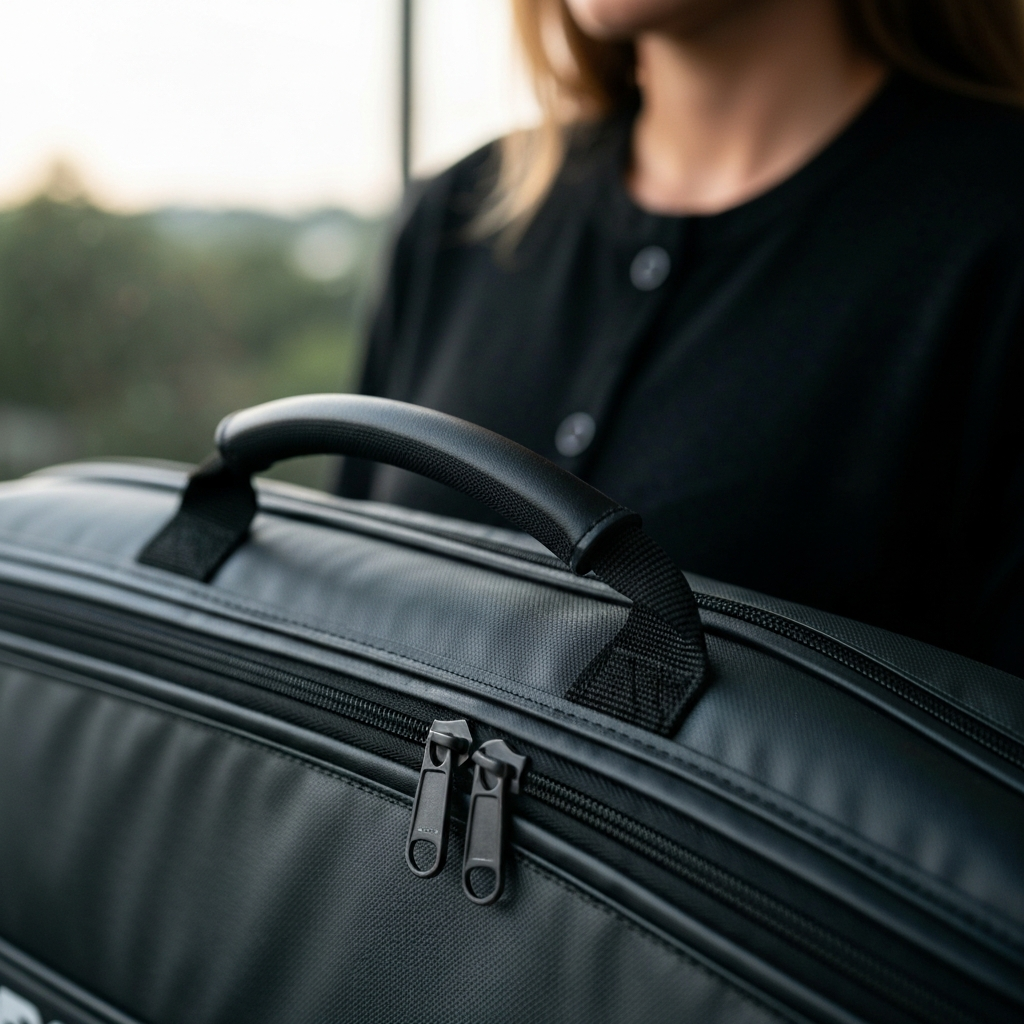
Selecting the appropriate board bag is the foundation of safe surfboard travel. Don't skimp on quality here; a well-padded, durable bag is an investment in your board's protection. Opt for a bag that's specifically designed for surfboards and consider the length. It should be approximately 6 inches (15 cm) longer than your longest board to allow for adequate padding at the nose and tail. Also, consider if you plan on traveling with multiple boards – there are bags designed to carry two or more boards securely. Look for features like heavy-duty zippers, reinforced handles, and internal dividers to keep boards separated and protected. A wheeled bag can also make navigating airports significantly easier.
-
Step 2: Remove Fins (If Possible)
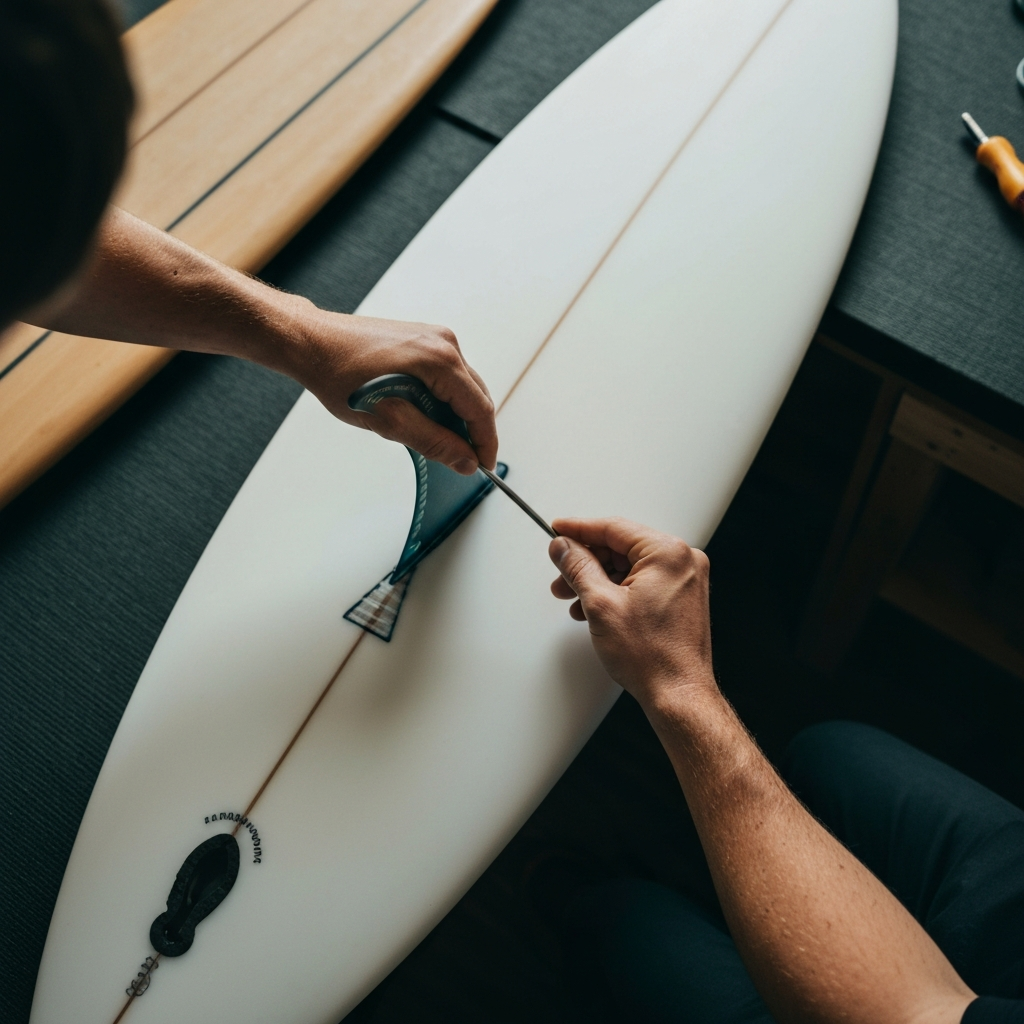
Fins are among the most vulnerable parts of your surfboard during travel. If your board has removable fins, take them out before packing. This significantly reduces the risk of them being damaged or causing damage to the board itself. Always remove the fins to avoid unnecessary pressure points. Wrap each fin individually in a towel or bubble wrap and store them in a secure pocket inside the board bag, along with your fin key. If your fins are not removable, consider using fin boxes or creating your own protective covers using foam or cardboard. These will help to shield the fins from impacts.
-
Step 3: Pad the Rails
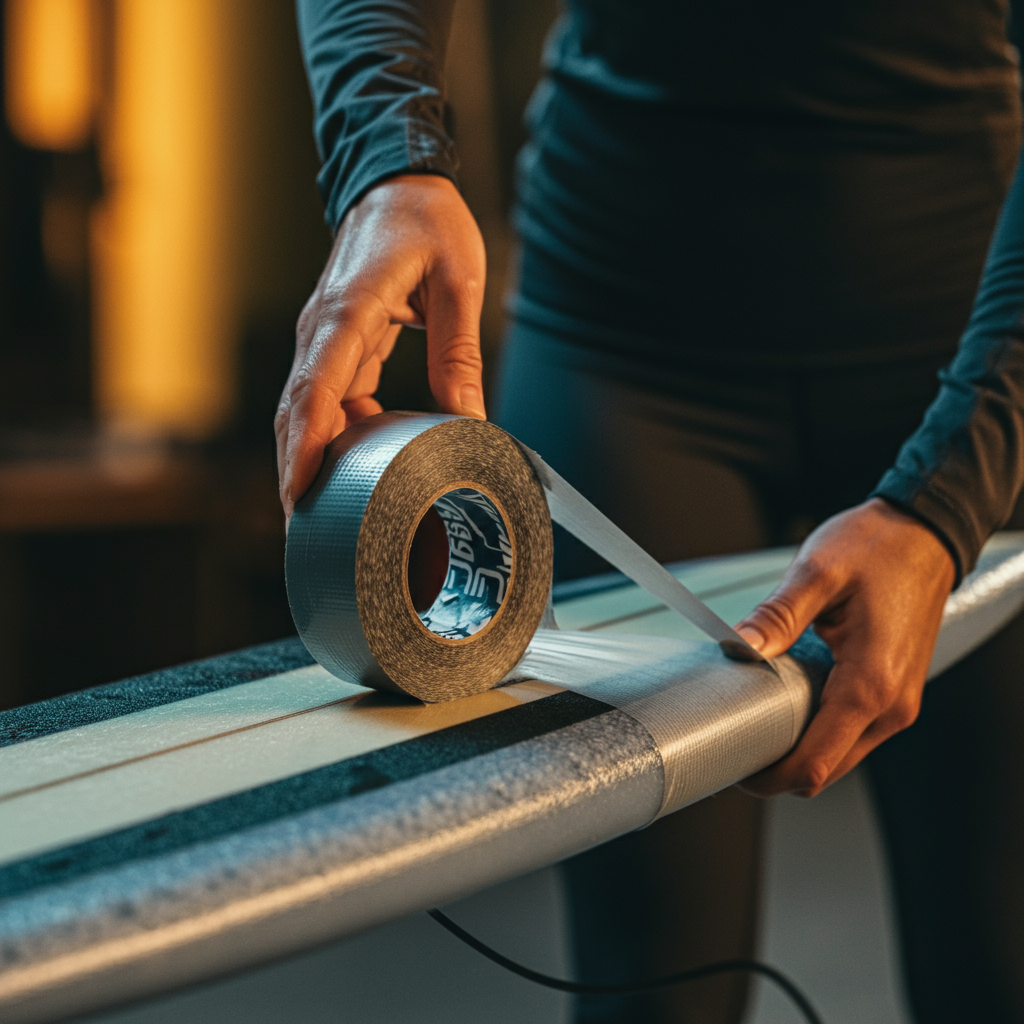
The rails of your surfboard are particularly susceptible to dings and pressure marks. Protecting them with padding is crucial. A common and effective method is to use foam pipe insulation, available at most hardware stores. Cut the insulation to the appropriate length and slit it open along one side. Then, carefully wrap the insulation around the rails of your board, securing it with duct tape or packaging tape. Ensure the tape is applied smoothly and securely to prevent the insulation from shifting during transit. You can also use bubble wrap or even old towels wrapped around the rails for added protection.
-
Step 4: Protect the Nose and Tail
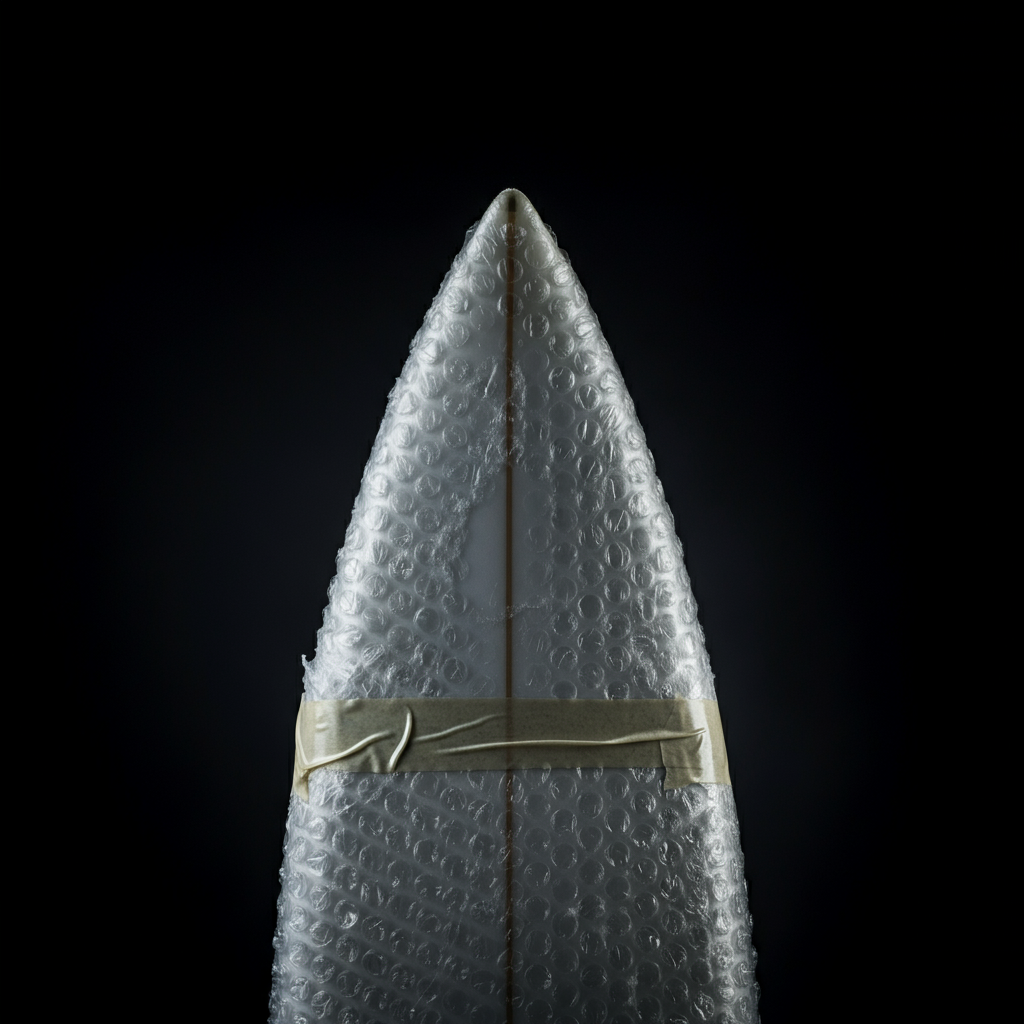
The nose and tail of your surfboard are the most prone to impact damage. Reinforce these areas with extra padding. You can use the same foam pipe insulation you used for the rails, cutting and shaping it to fit the contours of the nose and tail. Secure it with duct tape, making sure it's firmly attached. Consider layering multiple layers of bubble wrap or using spare wetsuits or towels for additional cushioning. Pay special attention to the sharp edges and corners, as these are the most vulnerable.
-
Step 5: Utilize a Board Sock (Optional)
A surfboard sock provides an additional layer of protection inside the board bag. While not essential, it can help to prevent scratches and minor dings. If you have a board sock, slide your board into it before placing it in the board bag. This acts as a barrier against abrasion and can also help to keep wax off the interior of the bag. Think of it as an extra layer of skin for your board.

-
Step 6: Pack Smartly Inside the Bag
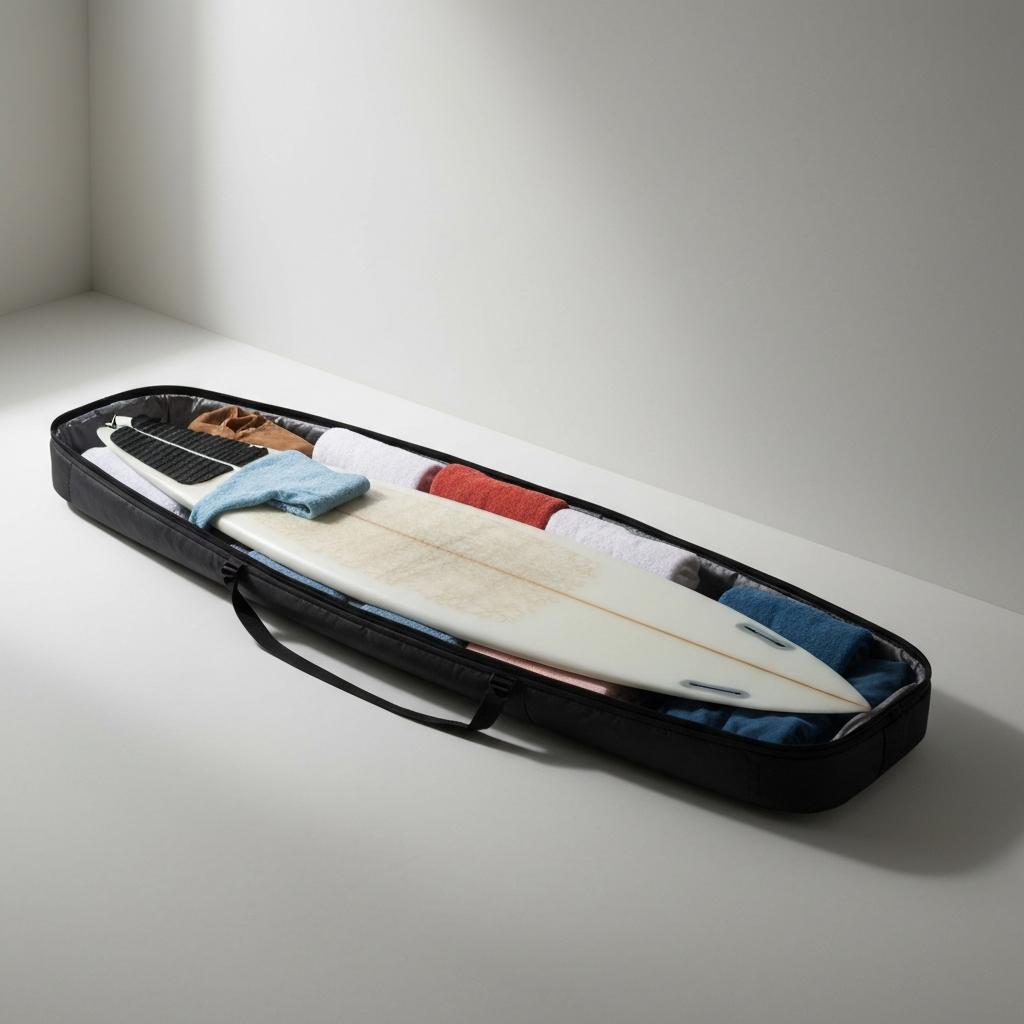
Once your board is properly padded, place it carefully inside the board bag. If you're packing multiple boards, arrange them with the largest board on the bottom. Consider using your wetsuit, towels, and other soft items as additional padding, strategically placing them around the board, especially at the nose, tail, and rails. Ensure there are no hard or sharp objects inside the bag that could potentially damage the board. Remember to include your fins (wrapped and protected) and fin key in a secure pocket.
-
Step 7: Label as Fragile
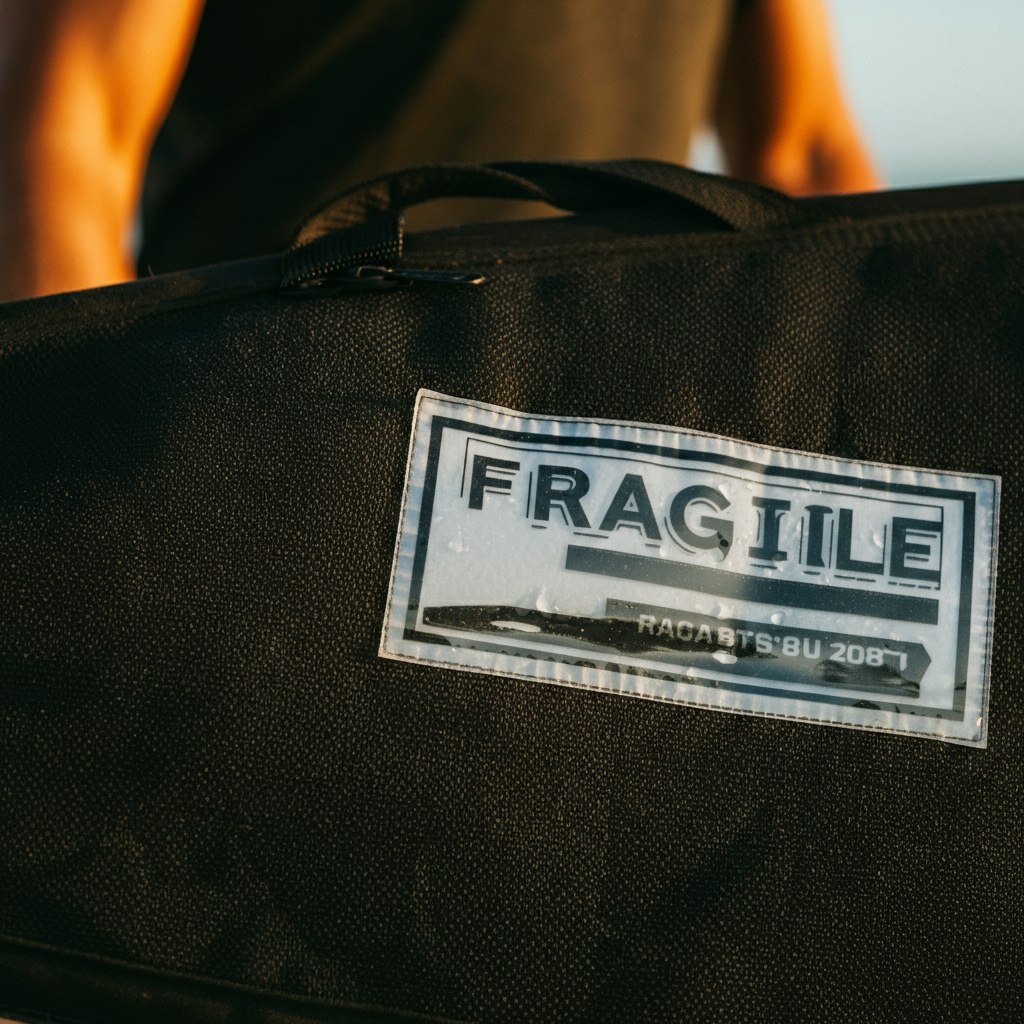
Clearly label your board bag as "Fragile" and "Top Load" using a permanent marker or pre-printed labels. This may not guarantee gentle handling, but it increases the chances of handlers being more careful. Make sure the labeling is clearly visible on multiple sides of the bag. You can also add your contact information to the bag in case it gets lost.
Tools or Materials Required
- Surfboard bag (appropriately sized)
- Foam pipe insulation
- Duct tape
- Bubble wrap
- Towels or wetsuit for padding
- Fin key (if applicable)
- Fin boxes or protective fin covers (if applicable)
- Permanent marker
- Surfboard sock (optional)
Common Mistakes to Avoid
- Using a board bag that's too small
- Not removing fins when possible
- Skipping padding on the nose and tail
- Using insufficient padding
- Packing hard objects inside the bag
- Failing to label the bag as fragile
Pro Tips
- Consider the weight distribution inside the bag to make it easier to carry.
- Check airline baggage fees and restrictions before you travel.
- Take photos of your packed board before you travel as proof of condition.
- Consider purchasing travel insurance that covers surfboard damage.
FAQ Section
- Q: Can I use clothes as padding for my surfboard?
- A: Yes, soft clothing items like wetsuits and towels can be excellent padding. Just make sure they are clean and dry.
- Q: Is it worth buying a separate fin box?
- A: If you have non-removable fins, a fin box or homemade protective cover is highly recommended to prevent damage.
- Q: What if my board bag gets lost?
- A: Always file a lost baggage claim with the airline immediately. Having photos of your board and its contents can help with the claims process.
By following these steps, you can significantly reduce the risk of damage to your surfboard during travel. Remember, preparation is key. Invest in a good board bag, pad your board carefully, and label it appropriately. With a little effort, you can ensure your board arrives at your destination ready for those perfect waves, allowing you to focus on enjoying your surf trip. Happy surfing!