The Nubian nose, characterized by its length, width, and gently rounded tip, holds cultural significance and is a source of pride for many. This distinctive nasal structure, often found among individuals of African descent, particularly those from the Nubian region of modern-day Egypt and Sudan, is more than just a physical trait; it's a symbol of heritage, strength, and beauty. In recent years, it has increasingly been celebrated for its unique aesthetic qualities and cultural importance.
This guide delves into the intricacies of the Nubian nose, exploring its origins, key characteristics, and the symbolism it carries. We will examine how it compares to other nose shapes, discuss its perceived attractiveness, and offer insights into celebrating this distinctive feature. Ultimately, this exploration aims to provide a comprehensive understanding of the Nubian nose and its rightful place in the diverse spectrum of human beauty.
Whether you possess a Nubian nose yourself or are simply curious about its characteristics, this guide will equip you with the knowledge to appreciate its unique beauty and cultural value. By understanding its origins, characteristics, and cultural significance, you can develop a deeper appreciation for this striking facial feature.
Step 1: Identifying the Key Characteristics
What Defines a Nubian Nose?
The Nubian nose is defined by a few key features: a relatively long bridge, wide nostrils, a soft, rounded tip, and often thicker nasal skin. The bridge of the nose tends to be long and may appear relatively flat from a side profile. The nostrils are wider than those typically seen in Caucasian or Asian noses, allowing for efficient intake of air in warmer climates. The tip of the nose lacks sharp definition and has a gentle, rounded appearance. The overall impression is one of a balanced and harmonious feature that complements the individual's other facial characteristics. Nubian noses can vary in size and prominence, but these key elements remain consistent.

Step 2: Tracing the Origins
Where Does the Nubian Nose Come From?
The name "Nubian nose" directly links this characteristic to the ancient Nubian region, encompassing parts of present-day Egypt and Sudan along the Nile River. This region has a warm and humid climate, which played a role in shaping the nasal structure over generations. The wider nostrils of the Nubian nose are advantageous in such climates, allowing for more efficient intake of warm, moist air without requiring excessive warming or humidification by the nasal passages. This adaptation provides a physiological advantage in hot, humid environments, demonstrating how environmental factors can influence human physical traits over time. While more common among people of African descent, especially those with ancestry from the Nubian region, the Nubian nose can be found in individuals of various ethnic backgrounds.
Step 3: Comparing the Nubian Nose to Other Nose Shapes
Nubian vs. Other Nose Types
Understanding the Nubian nose requires comparing it to other common nose shapes. The Greek nose, known for its straight and narrow profile, contrasts sharply with the broader and more pronounced features of the Nubian nose. The Roman nose, with its prominent, curved bridge, shares some similarities in terms of prominence but differs in the sharper angle and less rounded tip. The celestial nose, characterized by its upturned tip and delicate appearance, stands in stark contrast to the Nubian nose's broader features and less defined tip. Finally, the hawk nose, distinguished by its thin, sharp, and downward-curving shape, is almost the antithesis of the Nubian nose's rounded, broader form. By understanding these differences, one can better appreciate the distinct characteristics of the Nubian nose.
Step 4: Recognizing the Symbolism and Cultural Significance
What Does the Nubian Nose Symbolize?
The Nubian nose is laden with symbolism, representing pride in heritage, beauty, strength, and authenticity. It is a visual marker of African ancestry and a celebration of natural beauty. In a world where Eurocentric beauty standards have often dominated, embracing the Nubian nose is a powerful statement of self-acceptance and cultural pride. The nose’s distinct features are seen as representative of the resilience and strength of the African diaspora. By appreciating and celebrating the Nubian nose, individuals are also acknowledging and honoring their roots.
Step 5: Celebrating the Nubian Nose
How to Celebrate Your Nubian Nose
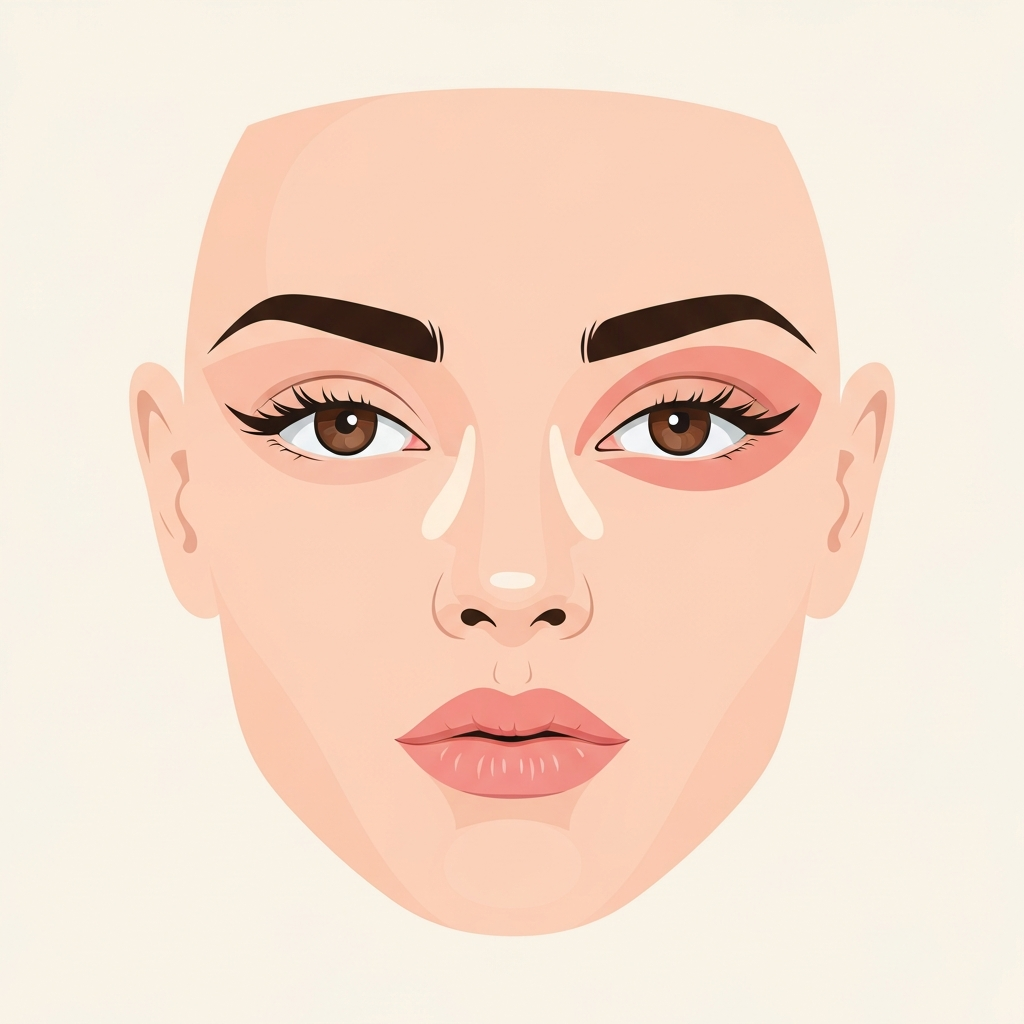
Celebrating a Nubian nose can take many forms, from embracing your natural features to using makeup techniques to highlight its unique beauty. Opting for hairstyles that draw attention to your face, such as ponytails or updos, can showcase your nose. Makeup techniques, such as highlighting the bridge, can further accentuate its shape and features. Most importantly, taking pride in your appearance and understanding the historical and cultural significance of your features is key. Ultimately, embracing your Nubian nose is about celebrating your heritage and personal identity.
Step 6: Addressing Common Misconceptions
Common Mistakes to Avoid: Misconceptions About the Nubian Nose
It's crucial to address some common misconceptions surrounding the Nubian nose. One prevailing misconception is that it is somehow less attractive than other nose shapes, a notion rooted in outdated and biased beauty standards. Another misconception is that all African noses are the same; in fact, there's a wide variety of nasal shapes within the African diaspora, each with its own distinct characteristics. It's important to remember that beauty is subjective, and cultural diversity is something to be celebrated, not criticized. Acknowledging and dispelling these misconceptions helps foster a more inclusive and accepting view of beauty.
FAQ Section
Frequently Asked Questions
Is the Nubian nose more common in men or women? While both men and women of Nubian descent can have Nubian noses, men often have stronger, more prominent features, especially in profile. Women may have more delicate, curvier Nubian noses.
How does the Nubian nose compare to other African noses? The Nubian nose is typically wider compared to other African nose types. West African noses, for instance, tend to be narrower with slimmer nostrils. South African noses are often more defined and less flat. North African noses tend to be narrower and sometimes have a hooked shape.
Are there other defining Nubian physical features? Yes, aside from the nose, other Nubian physical traits can include darker skin tones (compared to average Egyptian), full lips, high cheekbones, and a strong, pronounced jawline.
Conclusion
The Nubian nose is more than just a physical characteristic; it is a symbol of heritage, strength, and beauty. By understanding its origins, key characteristics, and cultural significance, we can develop a greater appreciation for this distinctive feature. Whether you possess a Nubian nose yourself or simply seek to broaden your understanding of diverse beauty standards, we hope this guide has been informative and enlightening. Embrace the uniqueness of your own features and celebrate the rich tapestry of human diversity.