The world of Norse mythology is a rich tapestry woven with tales of powerful gods, fearsome giants, and courageous heroes. From the icy realms of Niflheim to the fiery domain of Muspelheim, the Norse cosmos is a dynamic and often brutal landscape where fate and free will constantly clash. Understanding these deities and their interactions provides valuable insight into the beliefs and values of the ancient Nordic, Scandinavian, and Viking peoples.
This guide will serve as your compass, navigating you through the complex pantheon of Norse gods and goddesses. We will delve into their individual roles, symbols, and the captivating stories that have shaped their enduring legacies. Whether you are a seasoned mythology enthusiast or just beginning your exploration, this comprehensive overview will illuminate the fascinating world of Norse beliefs.
Prepare to embark on a journey through Asgard and beyond, as we unravel the mysteries and complexities of these immortal figures, examining their influence on ancient culture and their continued relevance in modern society.
So, grab your metaphorical drinking horn, and let us begin our exploration of the Norse Gods and Goddesses!
Step 1: Meet the All-Father: Odin
Odin's Reign and Wisdom
Odin, also known as Wodan or Wotan, stands as the chief god in Norse mythology. He rules over war, death, magic, and wisdom. Often referred to as the "All-Father," Odin's quest for knowledge is legendary. He famously sacrificed an eye to gain a drink from the Well of Mímir, granting him unparalleled wisdom. His residence is in Valhalla, the grand hall of the slain in Asgard, where he feasts with worthy warriors chosen by the Valkyries.
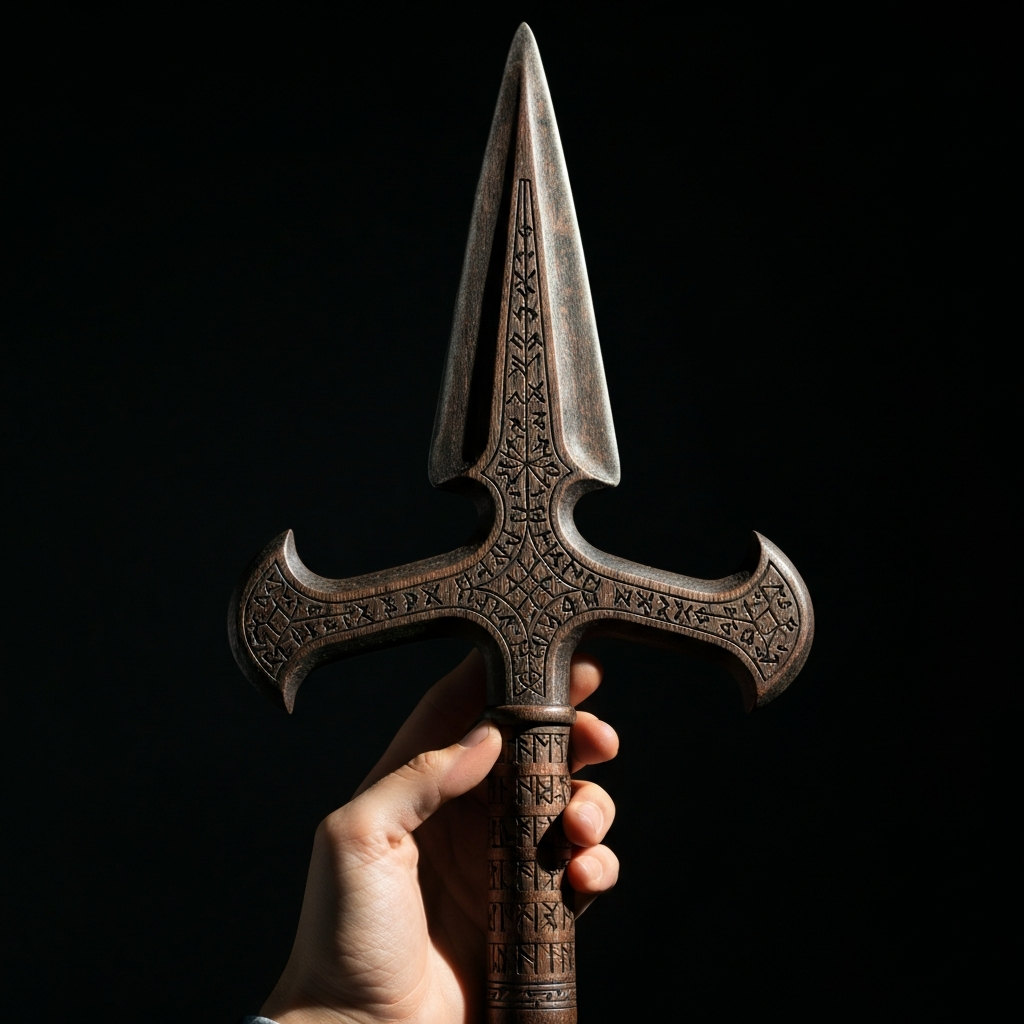
Odin's symbols include ravens (Huginn and Muninn, thought and memory), the Valknut (three interlocking triangles representing slain warriors), and the spear Gungnir, an extremely ornate and powerful weapon. A common mistake is to assume Odin is solely a god of war. While he oversees battles, his deeper domains include wisdom, poetry, and magic, making him a multifaceted and complex figure.
Step 2: Frigg: The Queen of Asgard
The Protector of Home and Family
Frigg, the wife of Odin, is the Queen of the Æsir and a powerful goddess in her own right. Associated with marriage, motherhood, wisdom, and prophecy, she is revered as a protector of home and familial life. She possesses the gift of foresight, though she rarely speaks openly about her visions of the future. Frigg’s influence extends to the wellbeing of women and children, making her a central figure in Norse domestic life.
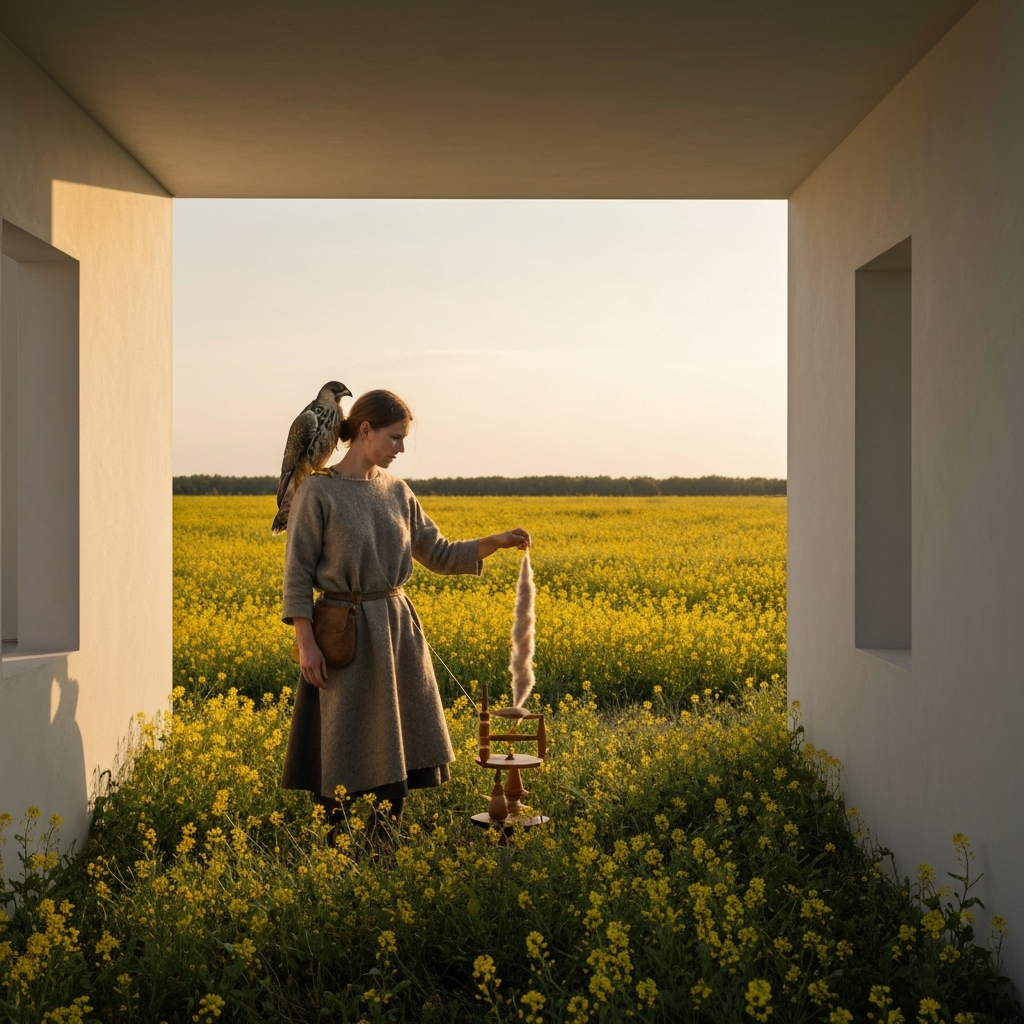
Symbols associated with Frigg include the spinning wheel, representing her domestic role, and the falcon, symbolizing her ability to see from great heights and perhaps alluding to her prophetic abilities. Some mistakenly believe Frigg is simply a passive figure, overshadowed by Odin. In reality, she wields significant power and influence, subtly shaping events and protecting her loved ones. Yellow bedstraw is known as "Frigg's herb", further demonstrating her connection to nature.
Step 3: The Mighty Thor: God of Thunder
Strength and Protection
Thor, the son of Odin and Fjörgyn (the Earth goddess), is the god of thunder, lightning, and storms. He is among the most powerful Norse gods, ruling over strength, fertility, and the protection of humankind. Thor is often depicted with a red beard and his iconic hammer, Mjölnir. He is a fierce warrior, constantly battling giants and monstrous creatures to defend Asgard and Midgard (the human realm).
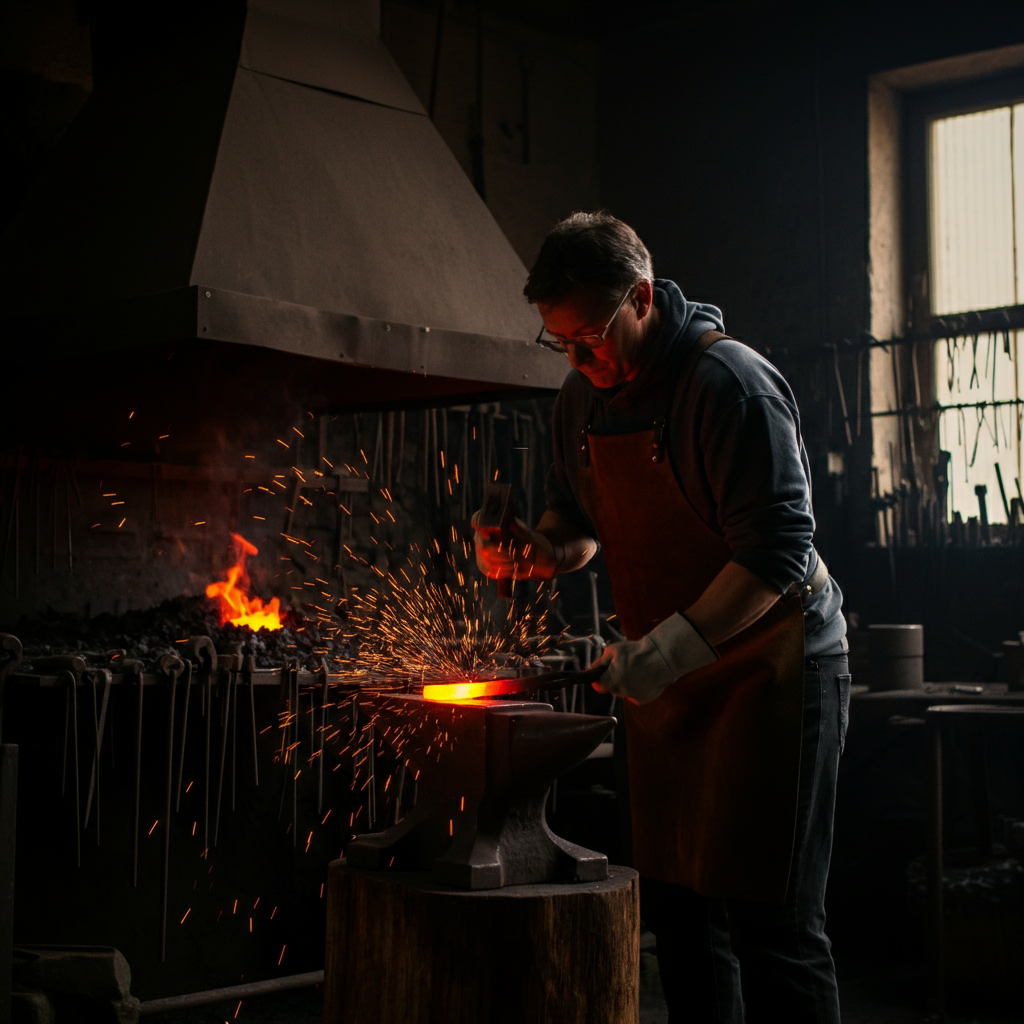
Mjölnir, along with his iron gloves (Járngreipr) and chariot pulled by goats, are his most recognized symbols. When recreating Thor's hammer, ensure proper safety precautions and choose a material appropriate for any planned use. A common misconception is that Thor is solely a god of brute force; he also embodies protection, justice, and the preservation of order.
Step 4: Sif: Goddess of Fertility and Harvest
Golden Locks and Earthly Bounty
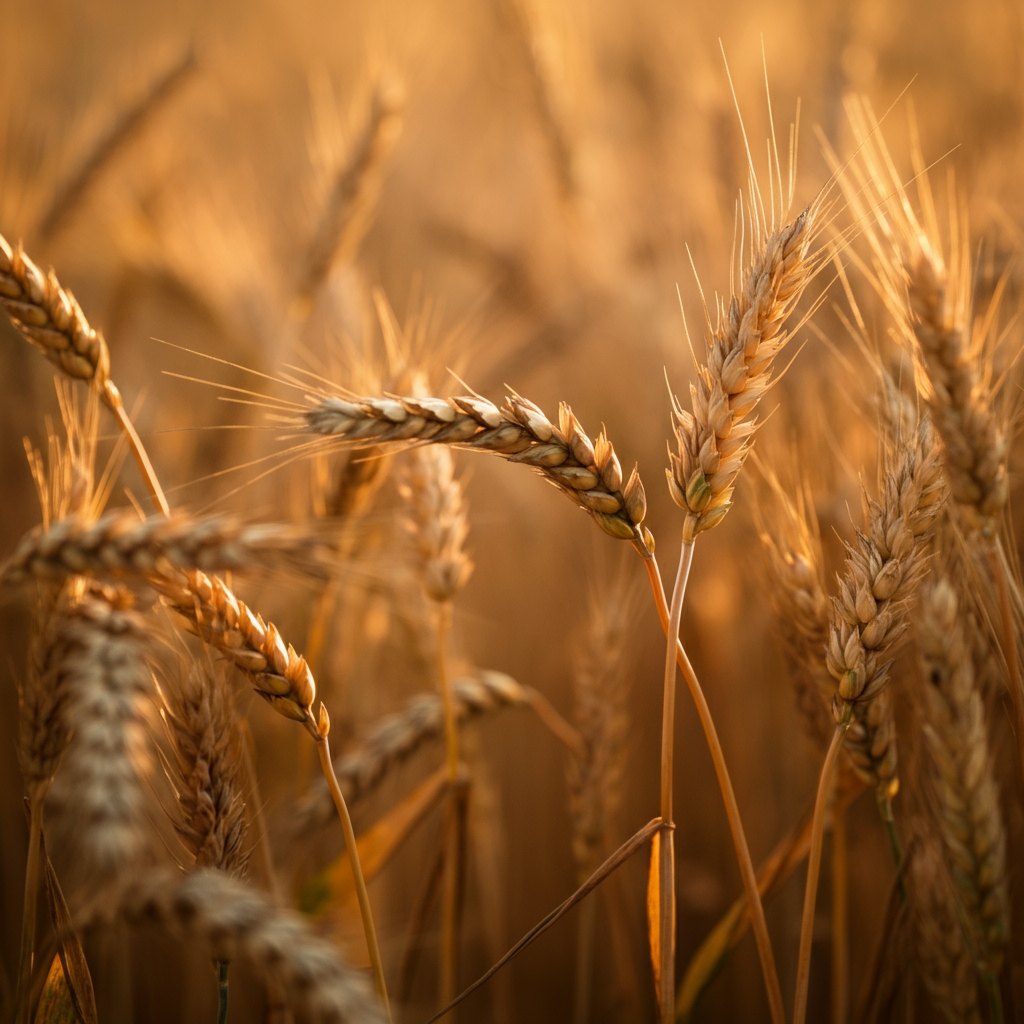
Sif is the Norse goddess of earth, fertility, and the harvest. Married to Thor, she is often depicted with flowing golden hair, which some scholars believe symbolizes fields of golden wheat. Sif and Thor are considered a divine fertility couple, deeply connected to the abundance of the earth and the prosperity of people. She is also the mother of Ullr, god of archery and skiing.
Her symbols include golden hair, wheat stalks, and fertile soil. Sif's representation is closely tied to the natural world and the cycles of growth and harvest. Many connect her golden hair to fields of wheat ready for harvest. A potential mistake is to overlook Sif's significance, seeing her only as Thor's wife. She is a powerful figure in her own right, representing the life-giving forces of the earth.
Step 5: Tyr: God of War and Justice
Sacrifice and Order
Tyr is the Norse god of war, justice, and heroic endeavors. Known for his bravery and skill in battle, he is also associated with upholding legal justice, fairness, and order. Tyr is often depicted as a one-handed god, a result of his sacrifice to bind the monstrous wolf Fenrir. His association with law and order is seen as the origin of the word "Tuesday" in Old Norse (Týsdagr), linking him to the Roman god Mars.
His symbols include the Tiwaz rune (ᛏ), spear, and scales of justice. A common mistake is to only associate Tyr with war. While he is a god of battle, his emphasis on justice and order highlights his role as a protector of society and the rule of law. The loss of his hand symbolizes the sacrifice required to uphold justice and maintain balance.
Step 6: Heimdall: The Watchman of the Gods
Vigilance and Foresight
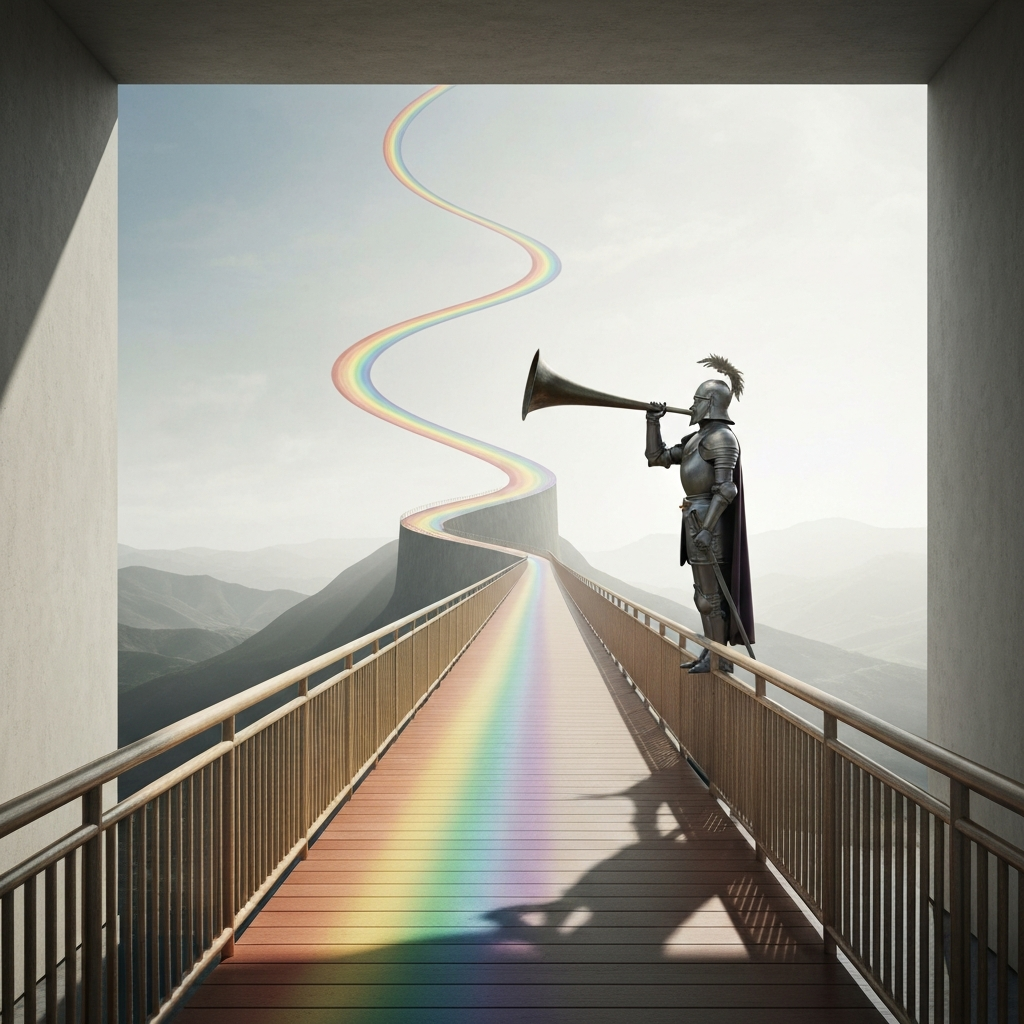
Heimdall is the watchman of the gods in Norse mythology, guarding Asgard with his keen senses of sight and hearing. He resides near the Bifrost, the rainbow bridge connecting Asgard to other realms, in his fortress Himinbjörg. Heimdall's role is to protect Asgard from invaders and signal the beginning of Ragnarok with his horn, Gjallarhorn.
His symbols include Gjallarhorn, Himinbjörg, and the Bifrost. Heimdall's golden horse, Gulltoppr, and mighty sword, Hofund, further signify his strength and vigilance. His ability to see and hear everything underscores his crucial role in protecting the realm. When discussing Heimdall, emphasize his sensory abilities rather than focusing solely on his role as a guard. His foresight allows him to perceive even the smallest movements, making him an indispensable protector of Asgard.
Step 7: Freyja: Goddess of Love and War
Beauty, Fertility, and Magic
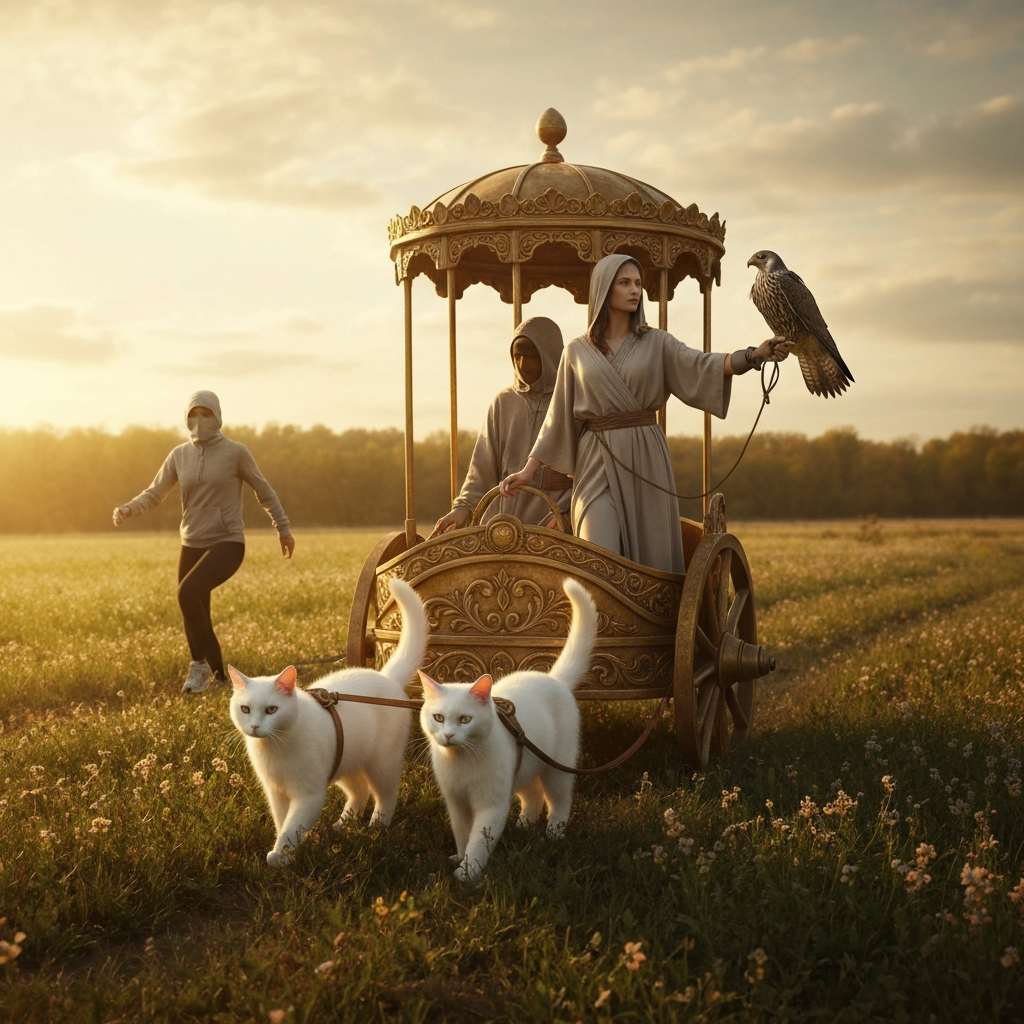
Freyja is an important goddess in Norse mythology, representing love, beauty, fertility, sex, war, wealth, and magic. She is part of the Vanir family of gods, associated with fertility, wisdom, and clairvoyance. Freyja is also a powerful practitioner of seidr, a magic used for divination and manipulation over the future. After each battle, she chooses half of the fallen warriors to join her in her sacred meadows.
Her symbols include a chariot pulled by cats, the Brísingamen necklace, and a falcon feather cloak. Freyja's connection to both love and war highlights her multifaceted nature. Be sure to differentiate between Freyja and Frigg. While both are powerful goddesses, Freyja's associations with magic and war distinguish her from Frigg's focus on marriage and motherhood.
Step 8: Freyr: God of Fertility and Prosperity
Abundance and Peace
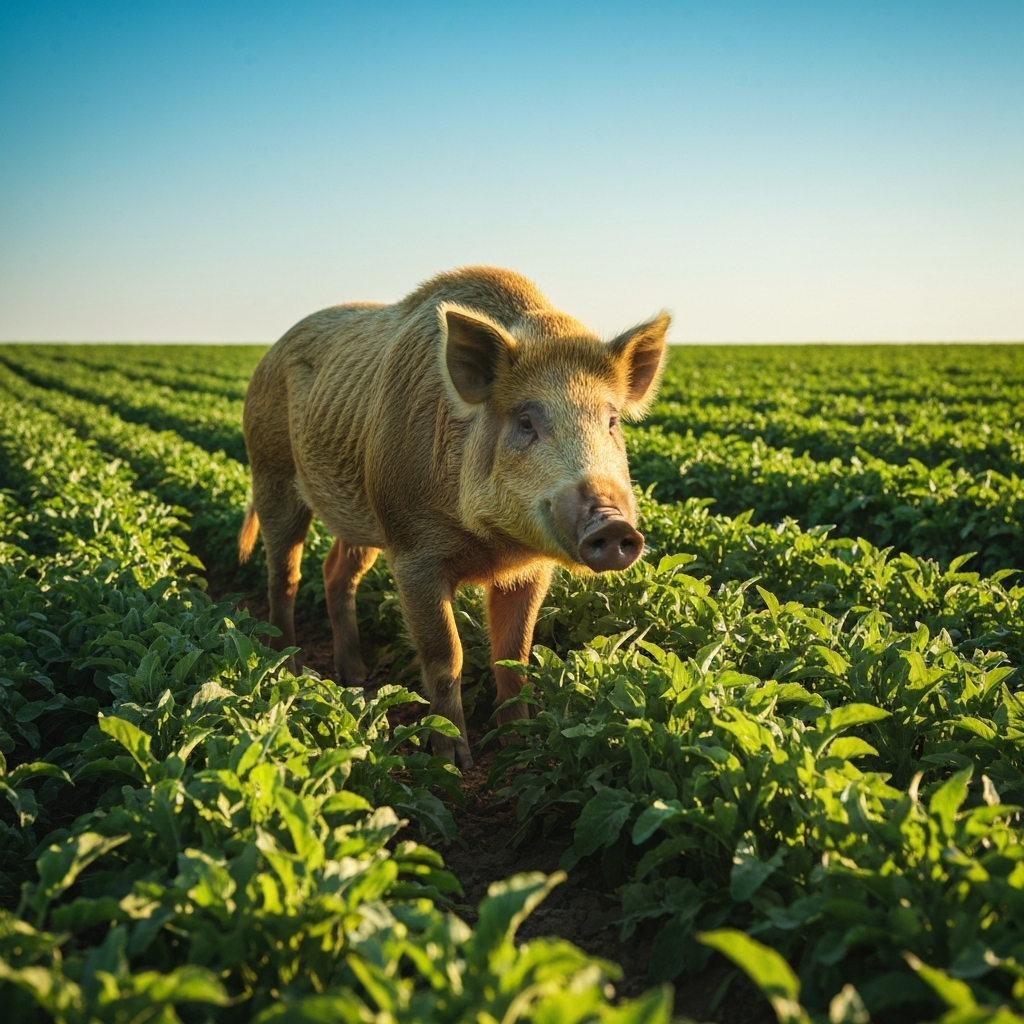
Freyr, the twin brother of Freyja, is a god of fertility, prosperity, peace, fair weather, and good harvest. He is deeply connected to the land and the well-being of the people who live off it. Freyr is specifically associated with weather elements that encourage a good harvest, such as rain and sunshine. He is revered in Sweden, where he is considered an early mythical ancestor of the country's royal bloodline.
His symbols include a phallus, a magical ship (Skíðblaðnir), and a golden boar (Gullinbursti). Freyr's association with peace and prosperity should be emphasized, particularly in contrast to the more warlike aspects of other gods. Some may view Freyr as a passive god, but his influence over agriculture and weather makes him essential for the prosperity of communities.
Step 9: Baldur: God of Light and Purity
Beauty, Peace, and Tragedy
Baldur is the Norse god of light, beauty, joy, purity, peace, and forgiveness. Known for his wisdom, beauty, and peaceful nature, he is often depicted alongside an image of light or radiance. The most famous part of his story is his tragic death, which brings on Ragnarok. He resides in a hall called Breidablik, a sanctuary from strife and hardship.
His symbols include light, mistletoe, and funeral pyres. Understanding Baldur's death is crucial for understanding the events leading up to Ragnarok. Mistletoe, the instrument of his demise, plays a central role in his story. Avoid overlooking the significance of Baldur's death in triggering Ragnarok. His loss represents the beginning of the end for the Norse gods.
Step 10: Loki: The Trickster God
Shapeshifting and Chaos
Loki is a noted trickster and shapeshifter in Norse mythology. He is the son of the goddess Laufey and the giant Fárbauti. While often a companion of Thor and Odin, Loki frequently causes trouble for them, most notably by being responsible for the death of Baldur. His actions are said to have caused Ragnarok.
His symbols include flames, dark colors (black, green, gold, and yellow), and various animals such as a mare, seal, and salmon. Understanding Loki's complex nature is essential to understanding Norse mythology. He is not simply evil; rather, his actions often stem from a chaotic and unpredictable nature. When discussing Loki, avoid equating him solely with villainy, as his role in Norse myths is far more nuanced.
Common Mistakes to Avoid
- Equating Norse mythology with Viking history: While the Viking age is an important period in Norse history, the mythology itself is much older and more widespread.
- Simplifying the gods as purely good or evil: Many Norse gods have complex and multifaceted personalities, embodying both positive and negative traits.
- Focusing solely on the popular figures: While Odin, Thor, and Loki are well-known, the Norse pantheon includes many other fascinating gods and goddesses.
- Ignoring the influence of fate: The concept of fate plays a significant role in Norse mythology, shaping the destinies of gods and humans alike.
FAQ Section
- Where did the main Norse gods live? The principal Norse gods and goddesses lived in Asgard, a legendary immortal dwelling reachable via the Bifrost.
- Who were the most powerful Norse gods? Some of the most powerful gods include Odin, Thor, and Freyja.
- Do people still believe in Norse gods? Yes, some small groups still believe in Norse gods, practicing a modern form of Norse paganism known as Ásatru or Heathenry.
Conclusion
The Norse gods and goddesses offer a captivating glimpse into the beliefs and values of ancient Nordic peoples. Their stories, filled with drama, heroism, and tragedy, continue to resonate today, inspiring art, literature, and modern pagan practices. By understanding their roles, symbols, and the myths that surround them, we can gain a deeper appreciation for the rich tapestry of Norse mythology.