Embarking on a journey to move to Russia is a significant life decision, filled with exciting opportunities and unique challenges. Whether you're drawn by career prospects, cultural immersion, or personal reasons, understanding the intricacies of the Russian immigration system is crucial for a smooth transition. This guide provides a detailed, step-by-step approach to navigating the complexities of relocating to Russia, from initial preparations to achieving permanent residency and even citizenship.
Russia's immigration laws can be intricate and subject to change, so diligence and thorough preparation are key. This guide offers insights into the necessary paperwork, language requirements, and cultural considerations to help you successfully establish a new life in Russia. We'll cover everything from securing a sponsor to finding accommodation and navigating the visa application process.
Moving to a new country is more than just logistics; it's about adapting to a new culture, learning a new language, and building a new life. This guide will equip you with the knowledge and tools you need to make informed decisions and successfully navigate the Russian immigration system, ensuring a rewarding and fulfilling experience.
Step 1: Finding a Russian Sponsor
Securing a Russian sponsor is a fundamental requirement for initiating the immigration process. A sponsor can be a Russian citizen, a registered company operating in Russia, or an educational institution. This individual or entity essentially vouches for you, providing assurance to the Russian government that you will have support upon arrival. The sponsor typically provides an official invitation, which is crucial for obtaining your entry visa. Without a valid sponsor, your application is unlikely to proceed. It is important to cultivate a strong relationship with your sponsor and clearly understand their responsibilities.

Step 2: Gathering Essential Documents
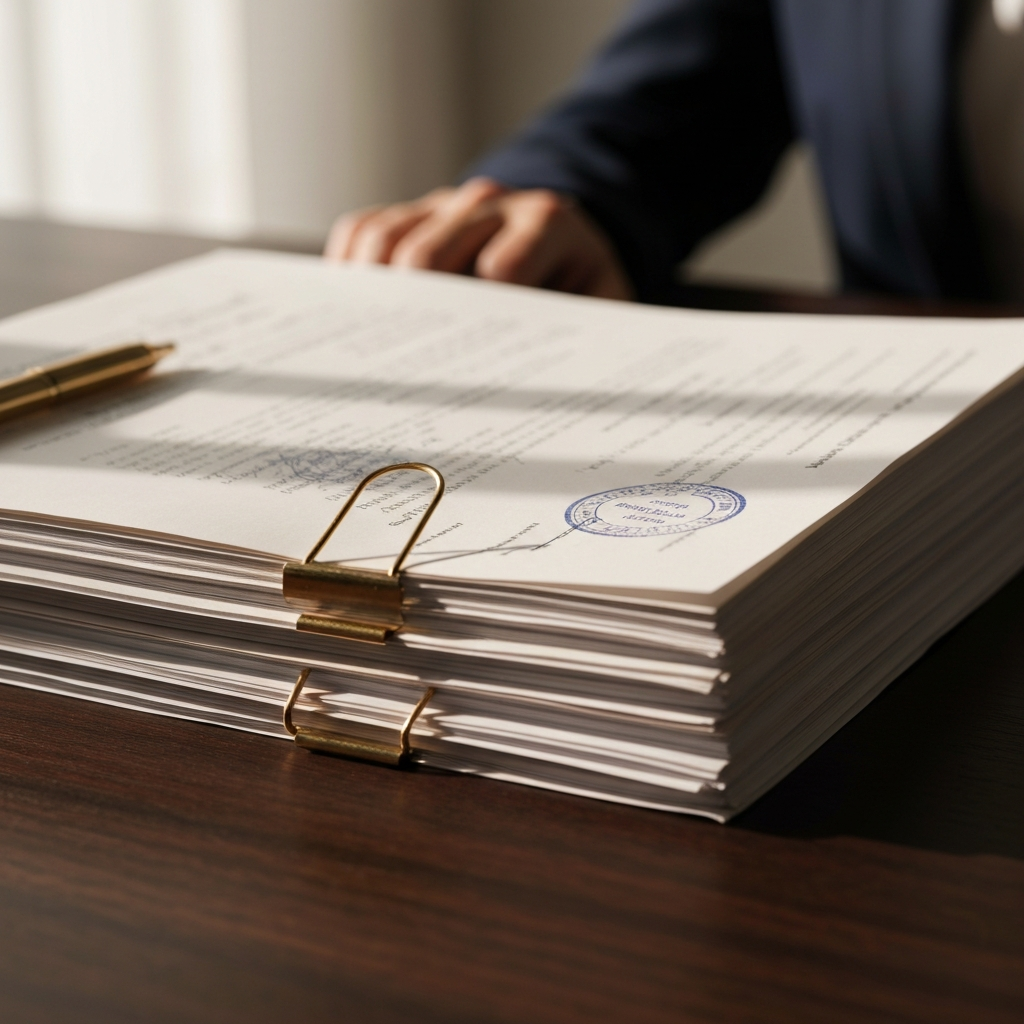
The Russian visa application process demands a comprehensive collection of documents to verify your identity, health status, and background. These documents typically include a valid passport, passport-sized photographs, a medical certificate confirming the absence of communicable diseases (such as HIV, tuberculosis, and leprosy), a criminal record check from your home country, and proof of financial stability. Some applicants might also need to provide evidence of their educational qualifications or professional experience. Ensure all documents are officially translated into Russian and notarized, as required by the Russian consulate. Double-check the current document requirements with the Russian embassy or consulate in your country, as these can change.
Step 3: Language Proficiency is Key
Demonstrating proficiency in the Russian language is vital for obtaining a residence visa. The required level is typically B1, indicating the ability to handle everyday communication and basic interactions. This means you should be able to participate in short conversations, read simple texts, and write basic correspondence. Consider enrolling in Russian language courses, utilizing language learning apps, or finding a language partner to improve your skills. Preparation for the language exam should begin well in advance of your intended move, as failing the exam can significantly delay your plans. Familiarize yourself with the test format and practice regularly.

Step 4: Finding Accommodation Before You Arrive
Securing accommodation before your arrival in Russia simplifies the registration process and provides immediate stability. Having a confirmed address facilitates the application for a temporary residence permit and prevents potential complications. Explore online real estate portals, contact local real estate agencies, or leverage your sponsor's assistance to find suitable housing. Rental costs vary significantly depending on the city and location; Moscow and St. Petersburg tend to be the most expensive. Be prepared to provide proof of income and identity to secure a lease agreement. Consider short-term rentals initially to explore different neighborhoods before committing to a long-term lease.

Step 5: Applying for an Entry Visa
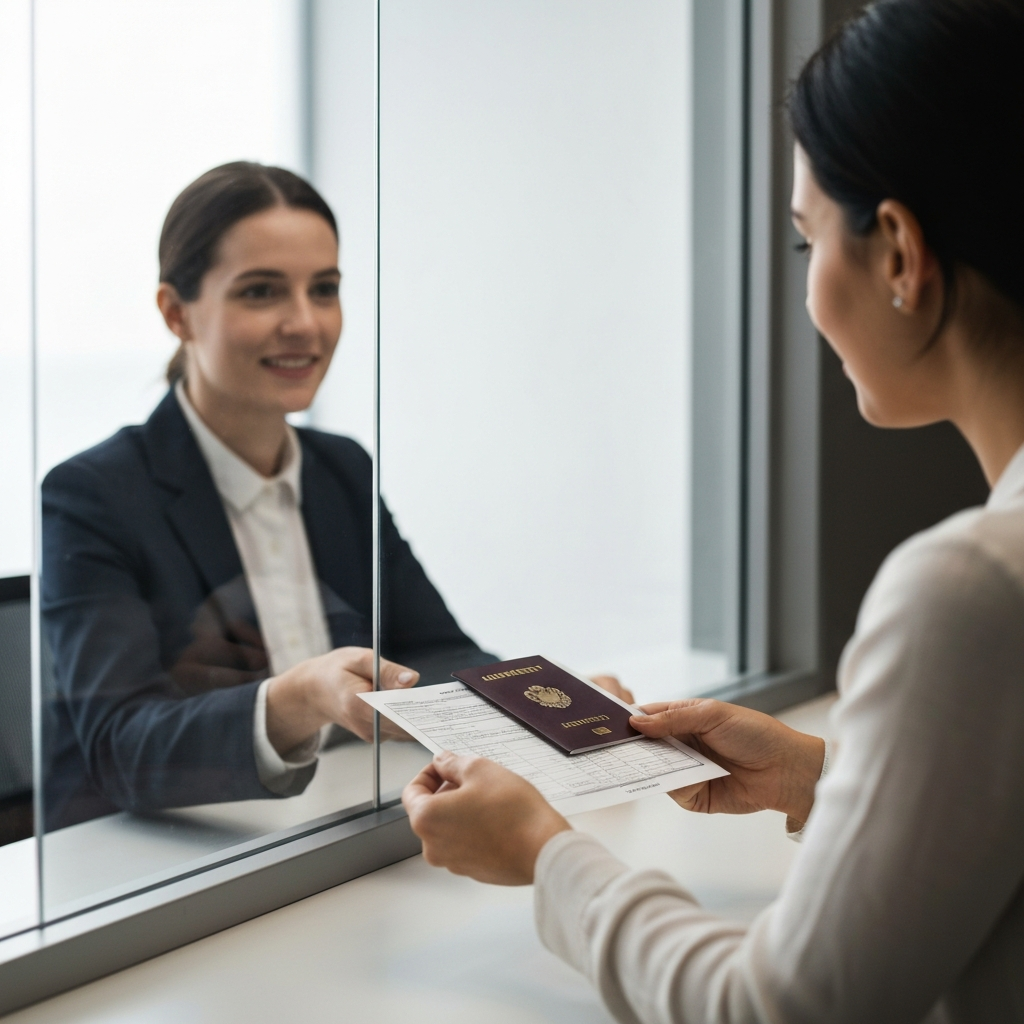
The entry visa serves as your initial permit to enter Russia and begin the process of applying for residency. Obtain the application form from the Russian consulate in your country and complete it accurately. Submit all required documents, including your passport, invitation letter from your sponsor, health certificate, criminal record check, and proof of financial resources. The application process can take several weeks or even months, so plan accordingly. It’s vital that all the information provided is consistent and truthful, any discrepancies could lead to refusal. Keep copies of every submitted document.
Step 6: Obtaining a Migration Card
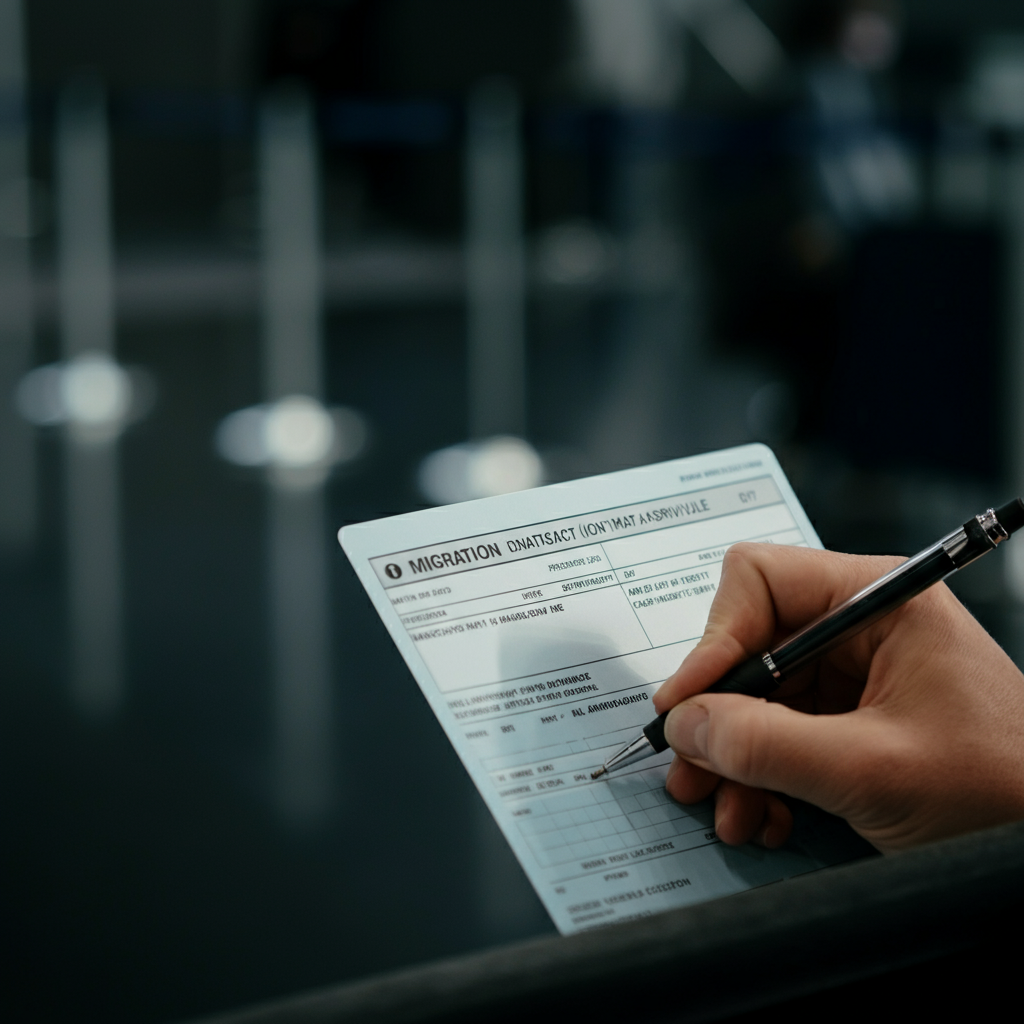
Upon arrival in Russia, you will be issued a migration card at the port of entry. This card is a crucial document that confirms your legal entry into the country. Fill it out accurately, including your personal details, the purpose of your visit, and the address where you will be staying. The card will be stamped by immigration officials. It is essential to retain this card at all times, as you will need it to apply for a temporary residence permit. If you lose the migration card, report it immediately to the Ministry of Internal Affairs to avoid fines.
Step 7: Applying for a Temporary Residence Permit (RVP)
After legally entering Russia, the next crucial step is applying for a Temporary Residence Permit (RVP). This permit allows you to legally reside and work in a specific region of Russia for three years. Apply at the local branch of the Ministry of Internal Affairs (formerly the Federal Migration Service). The application requires the same documents as the entry visa application, along with proof of accommodation. You will need to register your address with the authorities within seven working days of receiving your RVP. The processing time for the RVP can be lengthy, so it is important to apply as soon as possible after entering the country. Remember, you're only authorized to work in the region where your RVP is registered.
Step 8: Work Permits and Employment
While your Temporary Residence Permit is being processed, securing a work permit is often necessary to legally earn income. The process typically requires a Russian employer to apply for a work permit on your behalf. This involves demonstrating that your skills are needed and that no qualified Russian citizen is available for the position. Be aware that Russia has quotas on the number of foreign workers allowed in certain sectors. Many employers may be reluctant to hire foreign nationals until they possess a permanent residence permit due to the administrative burden. Working without a permit is illegal and can result in fines and deportation.

Step 9: Obtaining Permanent Residency (Vid na Zhitelstvo)
After residing in Russia for one year under a Temporary Residence Permit, you become eligible to apply for permanent residency (Vid na Zhitelstvo). This permit grants you greater rights and freedoms, including the ability to work in any region of Russia, access social services, and freely enter and exit the country. The application process is similar to the RVP, requiring documentation such as passport photos, proof of income, proof of residence, and a medical certificate. Applying well in advance of the RVP's expiration is crucial. The permanent resident permit is valid for five years and can be renewed indefinitely.
Step 10: Naturalization and Russian Citizenship
After five years of permanent residency, you can apply for Russian citizenship. This is the final step in becoming fully integrated into Russian society, granting you all the rights and privileges of a Russian citizen, including the right to vote and hold a Russian passport. The application process involves demonstrating a commitment to the Russian constitution, renouncing your previous citizenship (unless your country has an agreement with Russia), and proving your knowledge of the Russian language and history. Maintaining continuous residence within Russia for the five years preceding the application is a crucial requirement. Becoming a citizen offers the greatest level of security and belonging.
Tools or Materials Required
- Passport (valid for at least 6 months beyond your intended stay)
- Passport-sized photographs
- Birth certificate
- Marriage certificate (if applicable)
- Medical certificate (confirming the absence of communicable diseases)
- Criminal record check
- Proof of financial resources (bank statements, employment contract)
- Invitation letter from your sponsor
- Russian language proficiency certificate
- Translated and notarized copies of all documents
Common Mistakes to Avoid
- Providing inaccurate or incomplete information on application forms.
- Failing to meet the Russian language proficiency requirements.
- Overstaying your visa or residency permit.
- Working without a valid work permit.
- Failing to register your address with the authorities.
- Losing your migration card.
- Neglecting to renew your residency permit on time.
Safety Considerations
- Always carry your passport, migration card, and residency permit with you.
- Be aware of your surroundings and avoid unsafe areas.
- Learn basic Russian phrases for emergencies.
- Register with your embassy or consulate.
- Purchase travel insurance.
- Be cautious of scams targeting foreigners.
Pro Tips
- Start learning Russian well in advance of your move.
- Connect with expat communities in Russia.
- Familiarize yourself with Russian customs and etiquette.
- Be patient and persistent throughout the immigration process.
- Seek legal advice from an immigration lawyer if needed.
FAQ Section
- How long does it take to get Russian citizenship?
- It typically takes at least six years to become a Russian citizen: one year with a Temporary Residence Permit and five years with a Permanent Residence Permit.
- Can I work in Russia while my residency permit is being processed?
- Yes, but you need a work permit. Your employer must apply for it on your behalf.
- What happens if I lose my migration card?
- Report the loss immediately to the Ministry of Internal Affairs to avoid fines.
- Do I need to renounce my original citizenship to become a Russian citizen?
- Yes, unless your country has a special agreement with Russia.
- How much does it cost to move to Russia?
- The cost varies greatly depending on your lifestyle, location, and origin country. Visa fees, legal costs, relocation expenses, and initial living expenses should all be factored in.
Conclusion
Moving to Russia requires meticulous planning, diligent preparation, and a deep understanding of the immigration processes. By securing a sponsor, gathering essential documents, mastering the Russian language, and navigating the visa application process step-by-step, you can successfully establish a new life in Russia. Remember to stay informed about the latest immigration regulations and seek professional advice when needed. With perseverance and a positive attitude, you can transform the dream of living in Russia into a rewarding reality. Good luck on your journey!