The pantheon of Greek mythology is vast and intricate, populated by a multitude of deities beyond the well-known Olympians. While figures like Zeus, Hera, and Poseidon often dominate the narratives, a wealth of fascinating minor goddesses played crucial roles in shaping the world and influencing the lives of mortals. These lesser-known divinities presided over diverse aspects of existence, from the subtle nuances of nature to the complex emotions of the human heart. Understanding their stories provides a richer, more nuanced appreciation of ancient Greek culture and beliefs.
This guide delves into the world of these intriguing figures, offering insights into their origins, domains, and significance. We will explore their unique powers, their interactions with both gods and mortals, and the enduring legacy they have left on art, literature, and modern thought. Get ready to uncover the hidden gems of Greek mythology, discovering the power and influence held by these often-overlooked goddesses.
From goddesses associated with specific locations and natural elements to those embodying abstract concepts, the minor goddesses offer a captivating window into the ancient Greek worldview. Join us as we journey through the fascinating stories and explore the enduring importance of these often-underappreciated deities.
Step 1: Understanding the Hierarchy of Greek Deities
Before diving into specific goddesses, it's crucial to understand the general structure of the Greek pantheon. At the top are the twelve Olympians, the major gods and goddesses who resided on Mount Olympus and wielded the greatest power. Below them existed a vast array of lesser deities, including Titans, nymphs, spirits, and of course, minor goddesses. While not as powerful as the Olympians, these minor deities held sway over specific domains and were often deeply revered by local communities. It's important to remember that the distinction between major and minor is often a matter of scale and influence, not inherent importance; many minor goddesses were essential to the daily lives of the ancient Greeks.
Step 2: Achelois: Goddess of Pain Relief
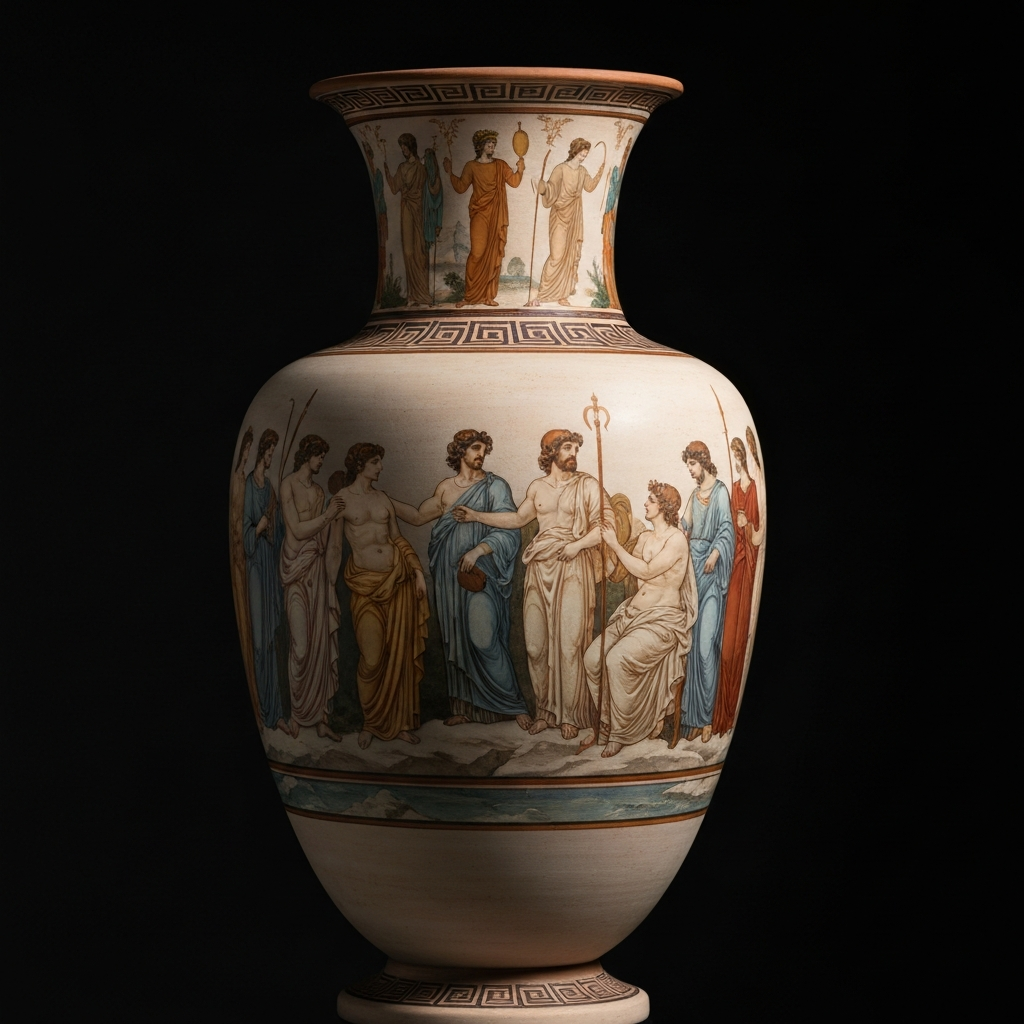
Achelois is a minor goddess associated with the moon and is known as a healer, specifically the goddess of pain relief. Her name, meaning "she who casts away pain," reflects her role in alleviating suffering. She is one of many female deities associated with the lunar cycle. Though not as prominent as other healing deities like Asclepius, Achelois represents a vital aspect of ancient Greek medicine and the recognition of pain management as an essential part of well-being. Don't confuse her with other lunar goddesses; Achelois focuses specifically on the moon's connection to healing and pain relief.
Step 3: Alectrona: Goddess of the Sun
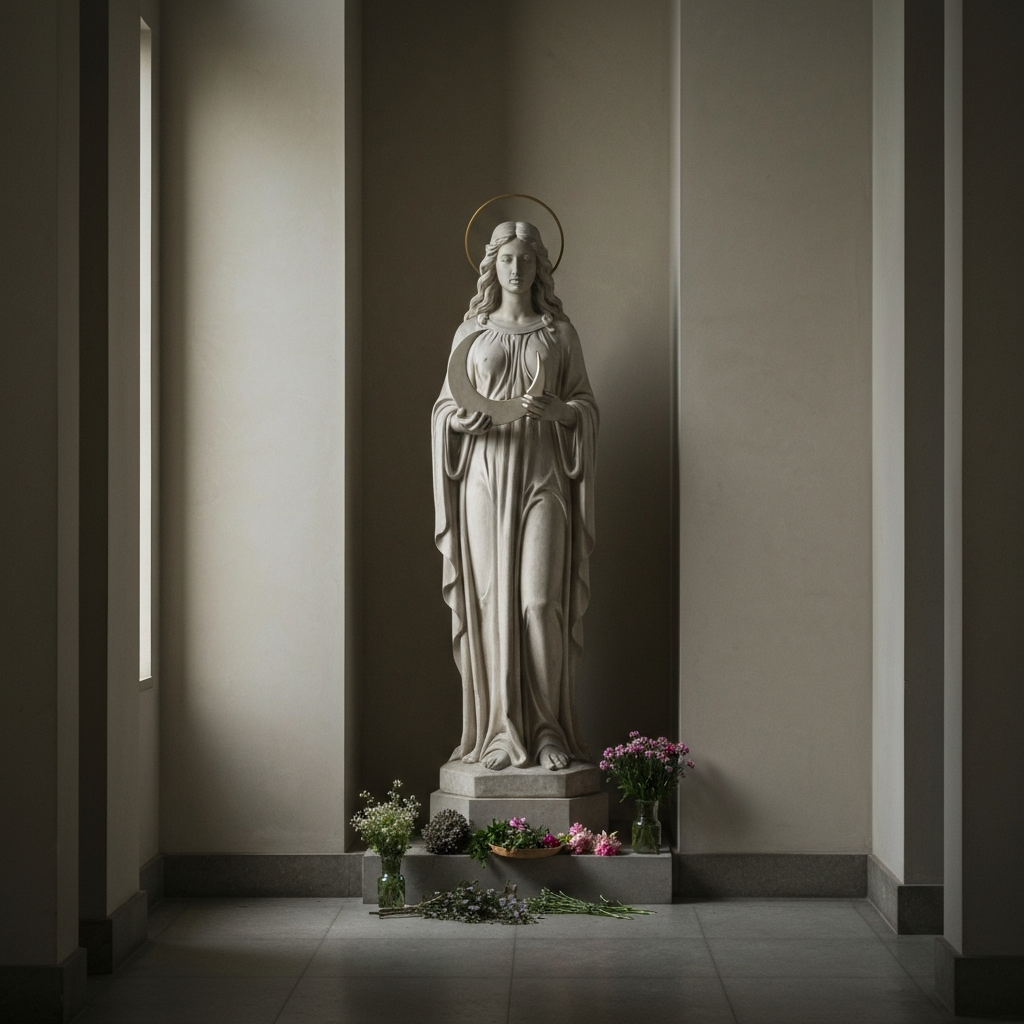
Alectrona, a minor sun goddess, daughter of the Titan sun god Helios, represents a fascinating, though sparsely documented, aspect of early Greek mythology. Worshiped in the ancient city of Rhodes, she personified the radiant energy of the sun. Unfortunately, few details about her rituals or myths have survived, leaving her somewhat enigmatic. The lack of information highlights the ephemeral nature of ancient beliefs and the constant evolution of mythological narratives. While the sun was eventually predominantly associated with Apollo, Alectrona shows that earlier traditions existed.
Step 4: Amphitrite: Goddess of the Sea
Amphitrite is the Greek goddess of the sea, often portrayed as the wife of Poseidon and his female counterpart. Ruling over the Mediterranean, she wields significant power over the marine realm. Her most famous tale tells of her transformation of Scylla into a six-headed monster after Poseidon took interest in her. Amphitrite’s story demonstrates the potential for jealousy and vengeance even among the gods. Her association with Poseidon firmly establishes her role as a powerful and influential sea deity.

Step 5: Apate: Goddess of Deceit
Apate is the Greek goddess of deceit, lies, fraud, and deception, and is the daughter of Nyx, the goddess of night. According to myth, she was one of the first deities to fly out of Pandora's box, releasing all the world's evils. She serves as a cautionary figure, embodying the dark side of human nature and the dangers of dishonesty. Understanding Apate provides insight into the ancient Greek recognition of deceit as a powerful and pervasive force in the world.

Step 6: Aphaea: Goddess of Fertility and Agriculture
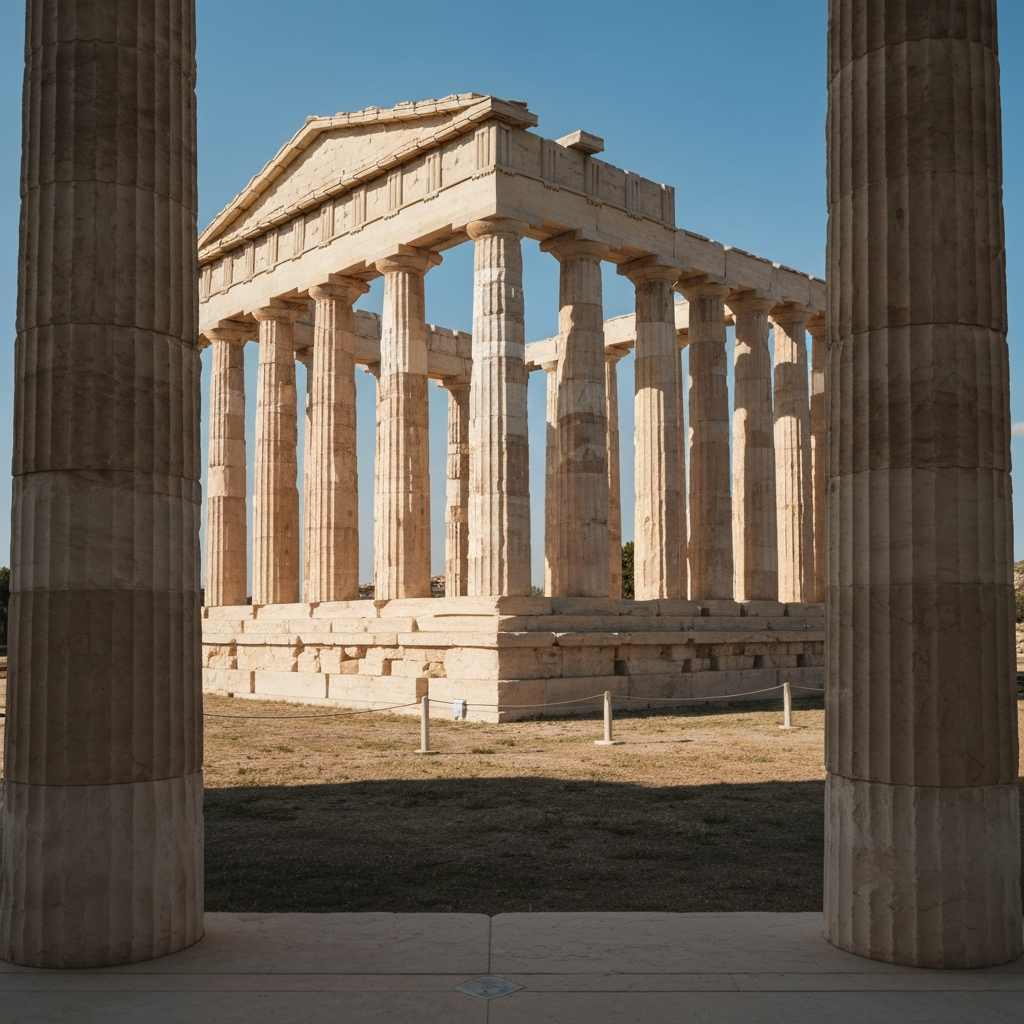
Aphaea is a minor goddess of fertility and agriculture, revered almost exclusively on the island of Aegina. Some historians believe she is another name for Britomartis, a nymph who watched over hunters and fishermen. Her association with fertility and agriculture underscores the importance of these elements in ancient Greek society. The temple dedicated to her on Aegina stands as a testament to her local significance. Her limited geographic reach demonstrates the regional variations in religious beliefs within ancient Greece.
Step 7: Astraea: Goddess of Justice and Innocence
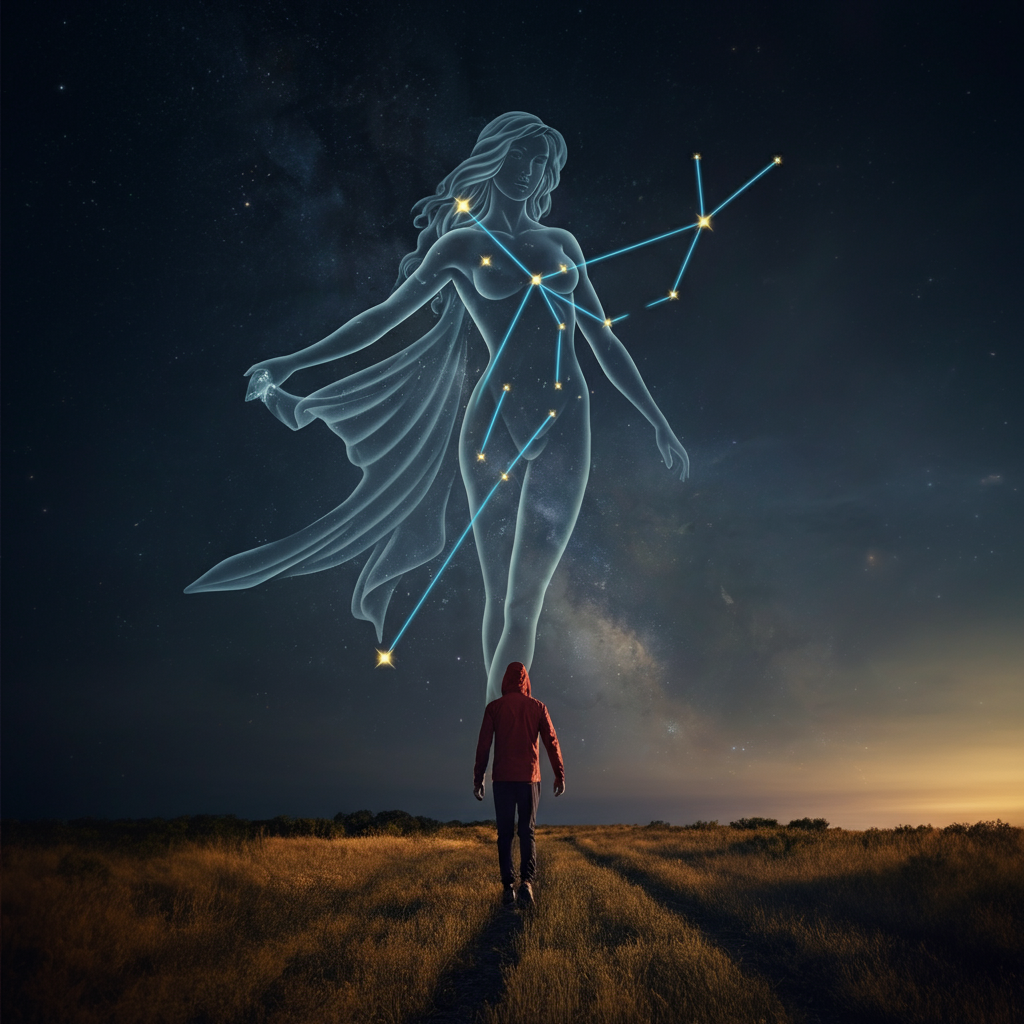
Astraea is a minor goddess associated with justice and innocence. She sided with Zeus during the War of the Titans, demonstrating her commitment to righteousness. Her name, meaning "starry-one," reflects her celestial association; she is said to live among the stars as part of the Virgo constellation. Astraea’s presence embodies the hope for justice and order in a world often marred by chaos. The connection to the Virgo constellation adds a layer of cosmic significance to her role.
Step 8: Até: Goddess of Mischief and Delusion
Até is the Greek goddess of mischief, delusion, and ruin. Her story varies, with some accounts portraying her as leading gods and mortals to thoughtless actions that cause suffering, resulting in her banishment from Olympus by Zeus. Other tales depict her as an avenging goddess, inflicting punishment on evildoers. Her dual nature highlights the complex interplay between fate, free will, and divine retribution in Greek mythology. Até’s actions often have disastrous consequences, serving as a warning against rash decisions.

Step 9: Bia: Goddess of Force
Bia, whose name means "strength," is the Greek goddess of force, representing physical power and energy. Considered the only deity strong enough to chain Prometheus to a rock as punishment for stealing fire, Bia embodies unwavering strength. Her role in Prometheus's imprisonment underscores the stark consequences of defying the gods. While often overlooked, Bia's presence underscores the importance of raw power in the ancient Greek worldview.
Step 10: Brizo: Protector of Mariners and Interpretor of Dreams
Brizo is a prophet goddess believed to protect mariners and fishermen. Sending dreams to mortals and revealing their meanings, she played a vital role in guiding those who relied on the sea. Women in Ancient Greece would offer sacrifices in the shape of boats, hoping for her protection. Brizo demonstrates the close relationship between ancient Greeks and the sea, as well as the importance of dreams in their spiritual lives.
Step 11: Common Mistakes to Avoid
- Confusing Minor Goddesses with Nymphs: While both are lesser deities, nymphs are typically associated with specific natural locations, while minor goddesses often have broader domains.
- Assuming Minor Goddesses are Unimportant: Many minor goddesses played crucial roles in local communities and specific aspects of life.
- Attributing Olympian Powers to Minor Goddesses: It's essential to remember that minor goddesses have less power and influence than the twelve Olympians.
Conclusion
Exploring the realm of minor Greek goddesses reveals a rich tapestry of beliefs, customs, and cultural values. These often-overlooked deities offer invaluable insights into the intricate workings of the ancient Greek world. By understanding their stories, we gain a more comprehensive appreciation for the complexity and enduring legacy of Greek mythology. Keep exploring, keep learning, and keep the spirit of ancient Greece alive!