Starting at a new school can be daunting, and being the "new kid" comes with its own unique set of challenges. But reaching out and befriending someone new isn't just an act of kindness; it's an opportunity to broaden your own social circle and learn from different perspectives. A welcoming environment benefits everyone involved. This guide provides a practical roadmap for building a genuine friendship with the new student, ensuring they feel comfortable and accepted.
Remember, the initial approach sets the tone for any potential friendship. Authenticity and empathy are key. Avoid being performative or insincere; genuine interest in getting to know them will shine through. This guide will walk you through initiating conversations, discovering common interests, and navigating the initial awkwardness, ultimately helping you forge a lasting bond.
Step 1: The Initial Welcome
Extending a Warm Greeting
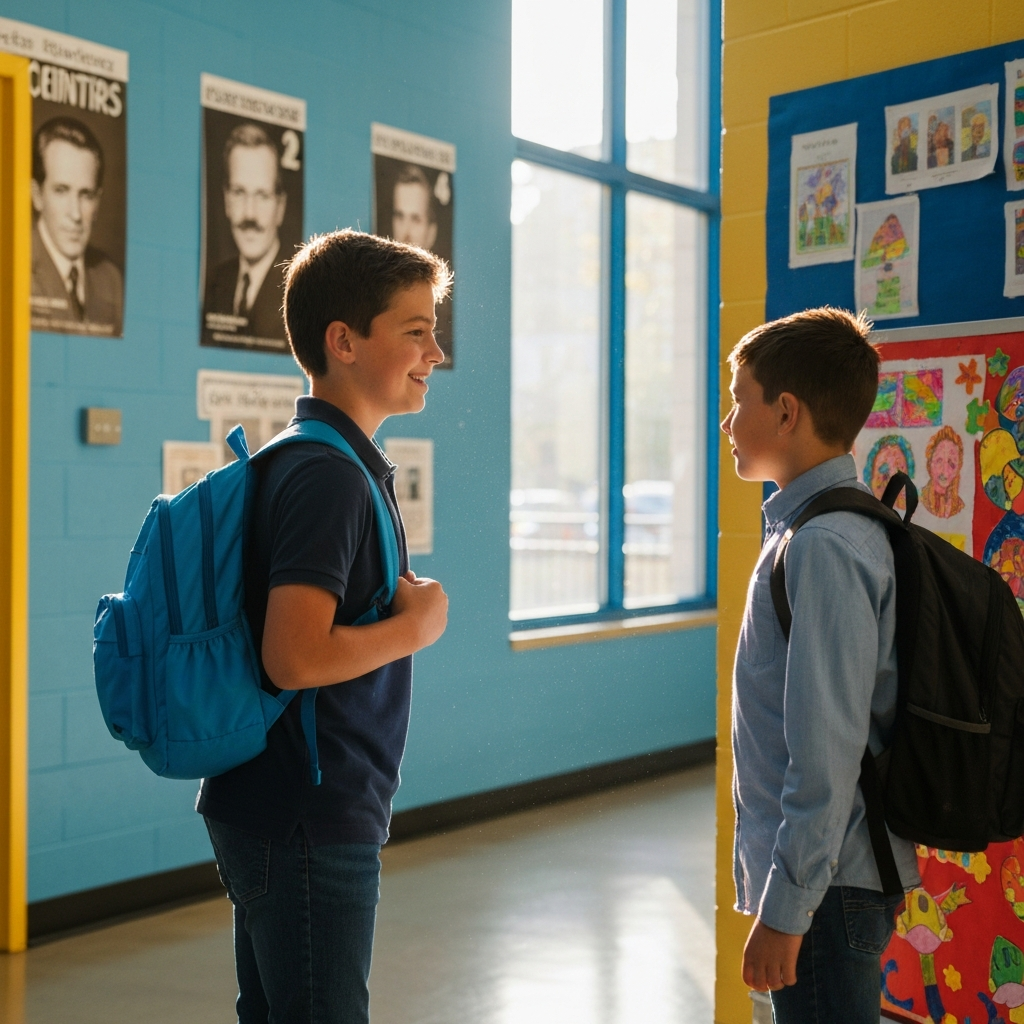
The very first step is often the most impactful. Approach the new student with a genuine smile and introduce yourself. A simple, "Hi, I'm [Your Name]. Welcome to [School Name]!" can make a world of difference. Don't underestimate the power of a friendly face in a new environment. Offer to show them around or help them find their way to their next class. This immediate gesture of goodwill can alleviate a lot of anxiety and establish you as someone approachable.
Step 2: Navigating the School Together
Becoming a Guide and Resource
Navigating a new school can be overwhelming, especially in the initial days. Offer to help the new student find their classes, the cafeteria, the library, or any other essential locations. Walking with them between classes provides opportunities for casual conversation and allows them to familiarize themselves with the school layout. Be patient and understanding; don't rush them or make them feel inadequate if they get lost. Point out important landmarks and provide helpful tips about school routines.

Step 3: Starting a Conversation
Initiating Meaningful Interaction
Once you've established a basic rapport, begin engaging in conversations beyond logistical help. Ask open-ended questions about their interests, hobbies, and previous school experiences. Avoid asking overly personal or intrusive questions early on; keep the initial conversations light and friendly. Actively listen to their responses and show genuine curiosity. Share some information about yourself as well, creating a sense of reciprocity and mutual connection.
Step 4: Discovering Common Interests
Finding Shared Ground
Friendships often blossom from shared interests and passions. Pay attention to the new student's responses during conversations and look for common ground. Do you both enjoy a particular sport, musical genre, or subject in school? If you discover a shared interest, suggest engaging in that activity together. Even seemingly small similarities can be the foundation for a strong friendship. This could be as simple as suggesting watching a movie together or studying for a test.

Step 5: Extending Invitations
Including Them in Activities
Extend invitations to the new student to join you and your existing friends for social activities. This could be anything from grabbing lunch together to attending a school event or hanging out on the weekend. Be mindful of their comfort level and avoid pressuring them to participate if they seem hesitant. A simple, "Hey, we're going to [Activity]. Want to join us?" can go a long way in making them feel included and accepted.

Step 6: Giving Genuine Compliments
Positive Reinforcement and Validation
Offering genuine compliments can be a powerful way to build rapport and boost someone's confidence, especially in a new and unfamiliar environment. Notice something you appreciate about the new student, whether it's their style, their sense of humor, or their intelligence. Ensure your compliments are sincere and specific; avoid generic or insincere flattery. A simple, "I really like your [item of clothing/accessory]" or "That's a really insightful point you made in class today" can make a positive impact.

Step 7: Maintaining Friendliness and Approachability
Consistent Positive Interactions
Even if you're not naturally outgoing, make an effort to be friendly and approachable. A simple smile, a wave in the hallway, or a brief conversation can reinforce your initial welcome and help the new student feel more comfortable. Consistency is key; don't just be friendly on the first day and then ignore them afterward. Small gestures of kindness, such as holding the door open or offering to help with their books, can also make a big difference.
Common Mistakes to Avoid
- Being overly eager or pushy. Give the new student space and time to adjust.
- Gossiping or sharing their personal information with others.
- Making assumptions about their background or experiences.
- Trying to change them or pressure them to fit in.
- Forgetting about them after the initial welcome.
Safety Considerations
If you observe the new student being bullied or experiencing any other form of distress, report it to a trusted adult, such as a teacher, counselor, or school administrator. Creating a safe and supportive environment is everyone's responsibility. Encourage the new student to seek help if they are struggling to adjust to their new school.
Conclusion
Making a new student feel welcome and befriending them is an act of kindness that benefits everyone involved. By extending a warm greeting, offering practical assistance, initiating meaningful conversations, and discovering shared interests, you can forge a genuine friendship and create a more inclusive school environment. Remember, the key is to be authentic, empathetic, and consistently friendly. You'll not only help the new kid feel more at home, but you'll also enrich your own life in the process.