The mystery surrounding the Tooth Fairy has captivated children (and parents!) for generations. The idea of a magical being exchanging lost teeth for a small reward is a comforting and exciting prospect during childhood. But, as children grow older, the question inevitably arises: Is the Tooth Fairy truly real? Unraveling this mystery requires a careful examination of folklore, psychology, and the very nature of belief.
While there's no definitive scientific proof to support the existence of the Tooth Fairy, her impact on children's development and cultural traditions is undeniable. Understanding the origins of this figure, the stories surrounding her, and the role she plays in shaping childhood memories can offer valuable insights. We'll explore these aspects in detail to provide a comprehensive perspective on the Tooth Fairy phenomenon.
In this guide, we'll delve into the historical roots of the Tooth Fairy, explore the psychological benefits of believing in her, and offer practical advice on how to navigate conversations about her reality with your children. Prepare for a journey through the world of make-believe and the power of imagination!
Step 1: Examining the Origins of the Tooth Fairy
The modern Tooth Fairy, as we know her, is a relatively recent invention, with her earliest known mention dating back to 1908 in a "Household Hints" column in the Chicago Daily Tribune by Lillian Brown. However, the tradition of dealing with lost teeth has much older roots, predating the 20th century by centuries. Historical accounts reveal various customs and beliefs surrounding teeth, ranging from burning them to offering them to animals. For example, in medieval Europe, burning lost teeth was a common practice to prevent witches from using them to gain power over the child. Other traditions involved burying teeth or throwing them on the roof.

Step 2: Exploring Cultural Variations
The Tooth Fairy isn't a universal figure; different cultures have their own unique traditions and characters associated with lost teeth. In many Spanish-speaking countries, the equivalent of the Tooth Fairy is "El Ratoncito Pérez," a small mouse who collects teeth in exchange for gifts. In France and Belgium, a similar tradition involves a white rat. In Asian countries like Japan, children throw lost upper teeth down to the ground and lower teeth up in the air, hoping for new teeth to grow straight. These cultural variations underscore the universal human fascination with lost teeth and the desire to create a meaningful ritual around this childhood milestone.
Step 3: Understanding the Psychological Benefits of Belief
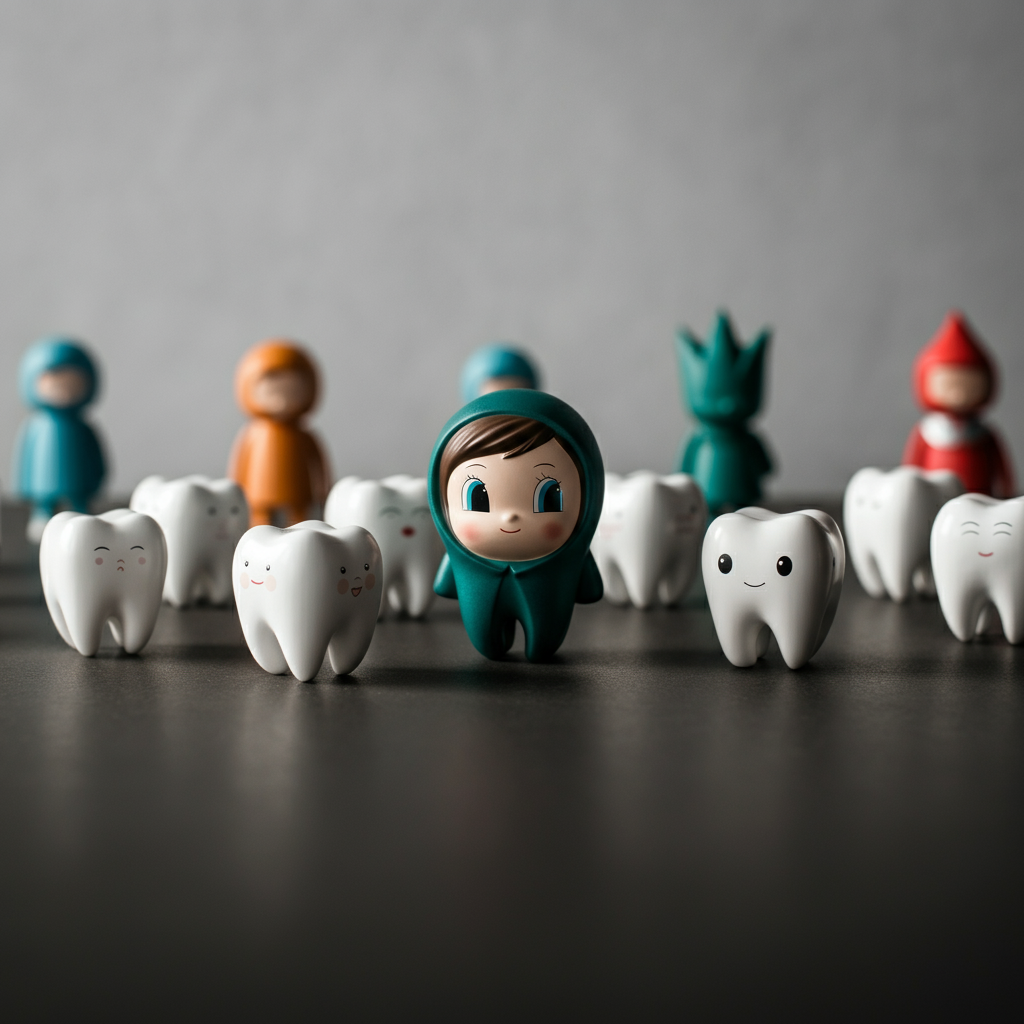
Believing in the Tooth Fairy (and other mythical figures like Santa Claus) can offer significant psychological benefits to children. It fosters imagination, creativity, and a sense of wonder. Losing a tooth can be a slightly scary or unsettling experience for a young child, and the Tooth Fairy can transform this potentially negative event into something positive and exciting. The promise of a reward can ease anxiety and create positive memories. Furthermore, some parents use the Tooth Fairy as a motivator for good dental hygiene, suggesting she pays more for healthy, well-cared-for teeth. However, research also suggests that fervent belief in such figures might make children more prone to false memories.

Step 4: Addressing the Inevitable Question: "Is She Real?"
Eventually, most children will begin to question the reality of the Tooth Fairy. How you respond to this question depends on your child's age, maturity level, and individual personality. Some children may simply be seeking reassurance, while others may genuinely want a truthful answer. It's crucial to gauge your child's perspective before providing a definitive response. You can ask probing questions like, "What do you think?" or "Why are you asking?" If you suspect they want to continue believing, you can reinforce their belief with a simple affirmation. However, if they're seeking the truth, be gentle and empathetic. Acknowledge that it might be sad news and explain your reasons for perpetuating the myth.

Step 5: Transitioning from Belief to Understanding
Once you've revealed the truth about the Tooth Fairy, it's essential to help your child navigate this transition. Explain that the Tooth Fairy is a tradition, a game that families play to celebrate the milestone of losing a tooth. Emphasize that even though she's not "real" in the literal sense, the magic and fun associated with her can still exist. You can even invite your child to become a "helper Tooth Fairy" for younger siblings or friends, allowing them to participate in the tradition and maintain the sense of wonder. Acknowledge their feelings, whether they're sad, angry, or simply curious, and reassure them that it's okay to feel however they feel.
Common Mistakes to Avoid
- Lying outright: Avoid making absolute statements like "Of course, she's real!" if you suspect your child is genuinely questioning her existence.
- Being dismissive: Don't brush off your child's questions or feelings. Take their concerns seriously.
- Revealing the truth too abruptly: A sudden, blunt revelation can be upsetting. Ease into the conversation gently.
- Ignoring cultural sensitivities: Be mindful of your family's cultural background and traditions when discussing the Tooth Fairy.
- Forgetting the magic: Even after revealing the truth, try to preserve the sense of fun and wonder associated with the Tooth Fairy tradition.
FAQ Section
Q: At what age do most kids stop believing in the Tooth Fairy?
A: Most children typically stop believing in the Tooth Fairy around the age of 5, as their cognitive abilities develop and they begin to question the evidence presented to them.
Q: Is it harmful for children to believe in the Tooth Fairy?
A: Not at all! Believing in the Tooth Fairy can foster imagination, creativity, and a sense of wonder. However, it's essential to be honest and open when your child begins to question her existence.
Q: What if my child is angry or upset when they find out the Tooth Fairy isn't real?
A: It's normal for children to experience a range of emotions when they learn the truth. Acknowledge their feelings, reassure them that it's okay to be upset, and explain your reasons for perpetuating the myth.
Q: How can I keep the magic alive even after my child knows the truth?
A: Involve them in helping with the Tooth Fairy tradition for younger siblings or friends, or create new traditions that celebrate their milestones in unique and imaginative ways.
Conclusion
The question of whether the Tooth Fairy is real is more complex than a simple yes or no. While there's no concrete evidence to support her existence, the Tooth Fairy's cultural significance and psychological impact are undeniable. By understanding the origins of this figure, the benefits of belief, and the importance of open communication, you can navigate this childhood milestone with sensitivity and grace. Ultimately, the Tooth Fairy represents the power of imagination, the comfort of tradition, and the joy of childhood.