Investing in wine presents a unique opportunity to diversify your portfolio and potentially realize significant returns. Unlike traditional investments, wine offers a tangible asset that can appreciate in value over time, driven by factors such as scarcity, vintage quality, and critical acclaim. However, navigating the world of wine investment requires careful planning, diligent research, and a deep understanding of the market dynamics at play.
This guide provides a step-by-step approach to successfully investing in wine, covering everything from building your knowledge base to managing your portfolio. We'll delve into the nuances of wine selection, storage, and market analysis, empowering you to make informed decisions and maximize your investment potential. Remember that wine investment, like any investment, carries risk, and past performance is not indicative of future results.
Whether you're a seasoned collector or a novice investor, this guide will equip you with the essential knowledge and strategies to navigate the fascinating and rewarding world of wine investment.
Step 1: Educate Yourself About Wine
The foundation of any successful wine investment strategy is a thorough understanding of the wine market. This encompasses knowledge of different wine regions, grape varietals, vintages, producers, and critic ratings. Familiarize yourself with the characteristics of wines from Bordeaux, Burgundy, Napa Valley, and other renowned regions. Research the factors that contribute to a wine's quality and collectibility, such as its aging potential, production volume, and historical performance at auction. Consider taking wine courses, reading industry publications like Wine Spectator or Robert Parker Wine Advocate, and attending wine tastings to broaden your palate and knowledge base. Neglecting this step is akin to investing in stocks without understanding financial statements.
Step 2: Choose Your Investment Focus
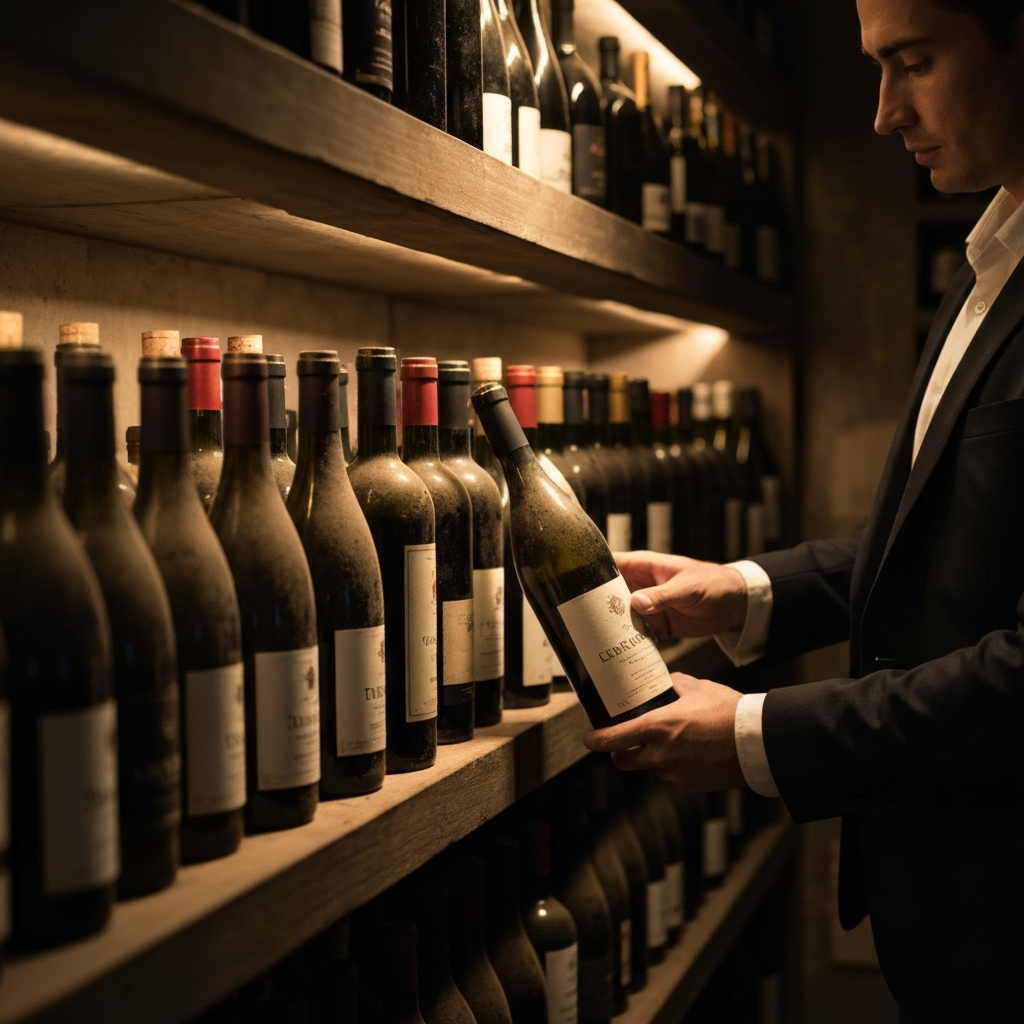
There are several avenues for investing in wine, each with its own set of advantages and disadvantages. You can invest in physical bottles of wine, which requires secure storage and insurance; wine futures (also known as en primeur), which involves purchasing wine before it is bottled; or wine investment funds, which offer diversification but may come with higher fees. Consider your investment goals, risk tolerance, and available capital when selecting your focus. For beginners, physical bottles offer a tangible and controllable entry point, while futures require more expertise and carry a higher level of risk. Wine funds provide diversification but may dilute potential returns.

Step 3: Evaluate Potential Investments
Once you've chosen your investment focus, it's crucial to carefully evaluate potential acquisitions. For physical bottles, consider the wine's provenance, condition, and storage history. Look for wines with high critic scores from reputable reviewers, and assess their potential for appreciation based on historical performance and market trends. Examine auction records and online marketplaces to gauge current market prices and identify undervalued opportunities. If investing in futures, research the producer's track record, the vintage quality, and the release price compared to previous vintages. When evaluating funds, scrutinize their management fees, historical returns, and investment strategy.
Step 4: Build a Diversified Wine Portfolio
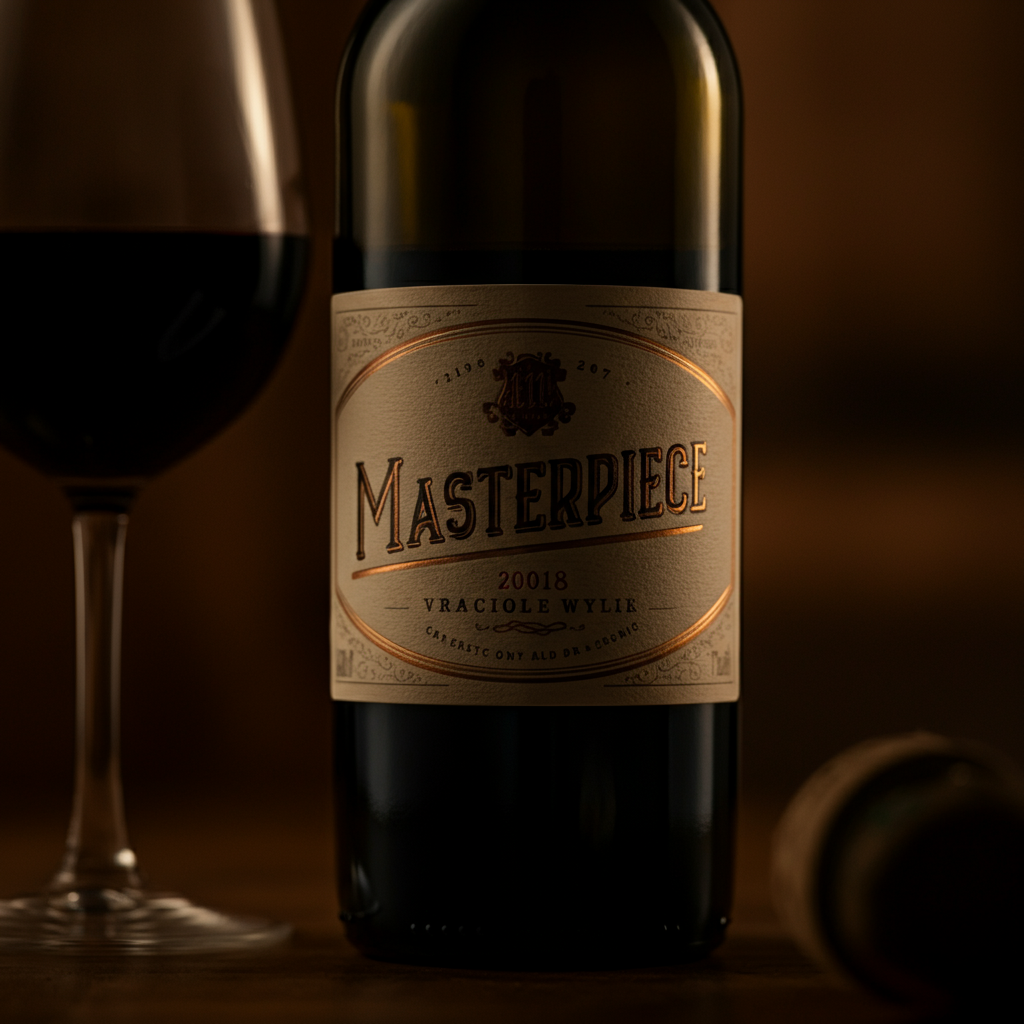
Diversification is key to mitigating risk in any investment portfolio, and wine is no exception. Avoid concentrating your investments in a single region, producer, or vintage. Instead, build a portfolio that includes a variety of wines from different regions, grape varietals, and price points. Consider allocating a portion of your portfolio to established blue-chip wines (e.g., First Growth Bordeaux) and another portion to emerging regions or producers with high growth potential. Regularly review and rebalance your portfolio to maintain your desired asset allocation and capitalize on market opportunities. A well-diversified portfolio can weather market fluctuations and increase your chances of long-term success.
Step 5: Properly Store Your Wine
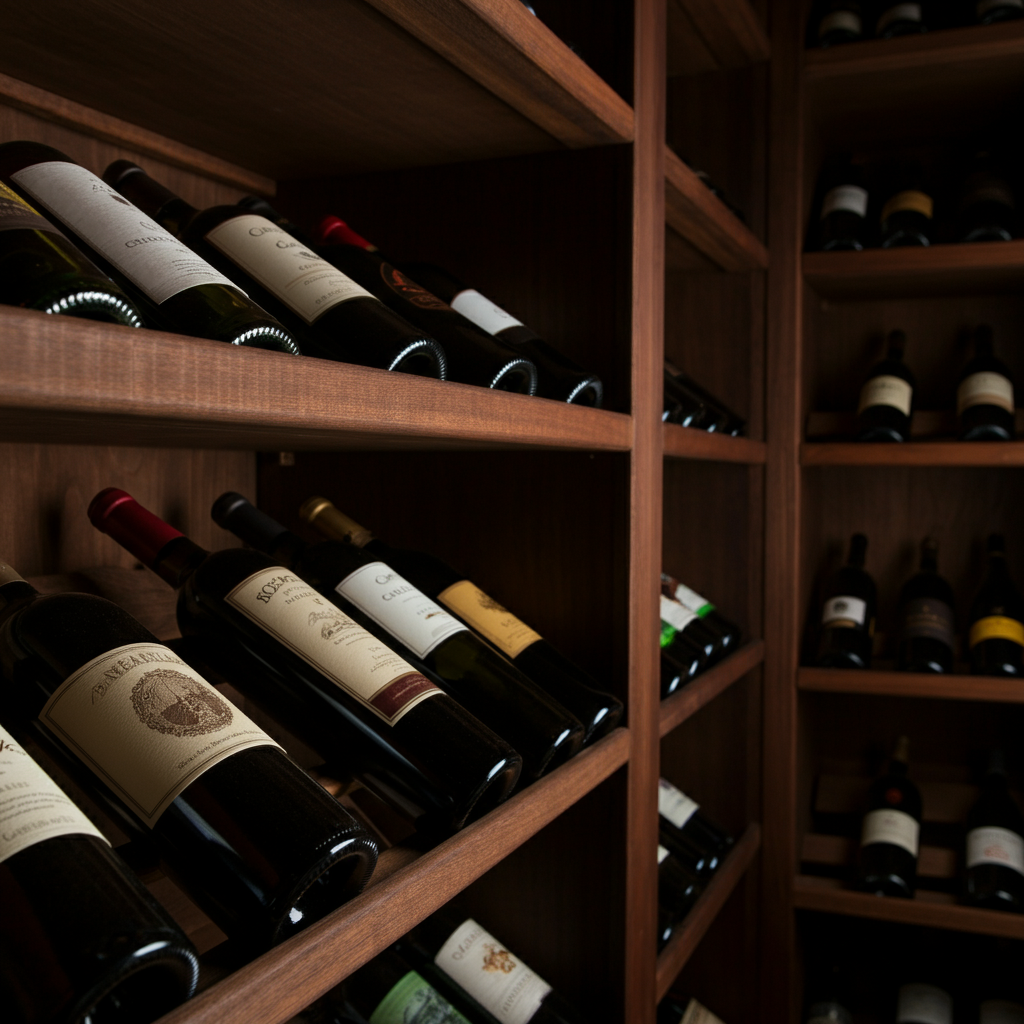
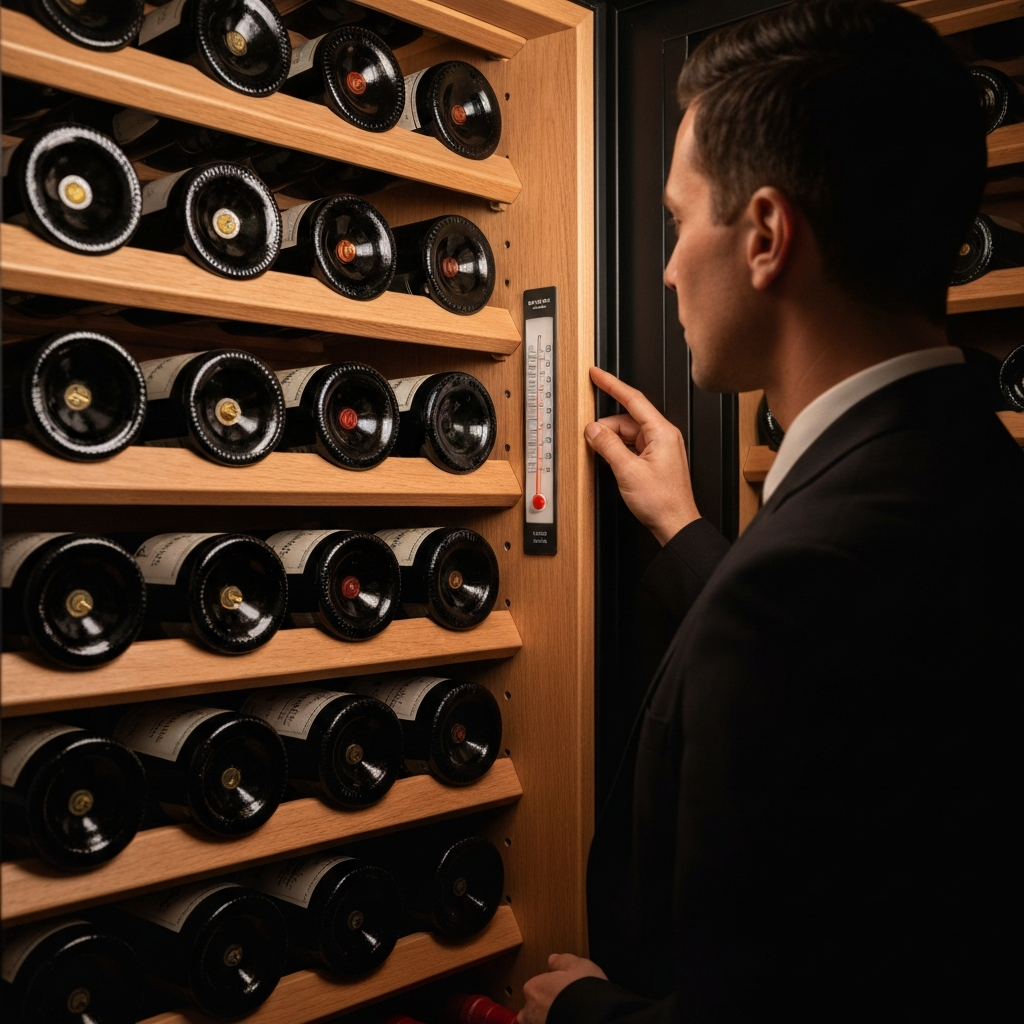
Proper storage is essential for preserving the quality and value of your wine investments, particularly if you're investing in physical bottles. Wine should be stored in a cool, dark, and humid environment, ideally at a constant temperature between 55°F (13°C) and 65°F (18°C). Avoid exposure to direct sunlight, which can damage the wine. Maintain a humidity level between 50% and 70% to prevent the cork from drying out and allowing air to enter the bottle. Consider investing in a dedicated wine refrigerator or cellar if you plan to store a significant amount of wine. Poor storage conditions can significantly degrade the quality and value of your investment.
Step 6: Monitor the Wine Market
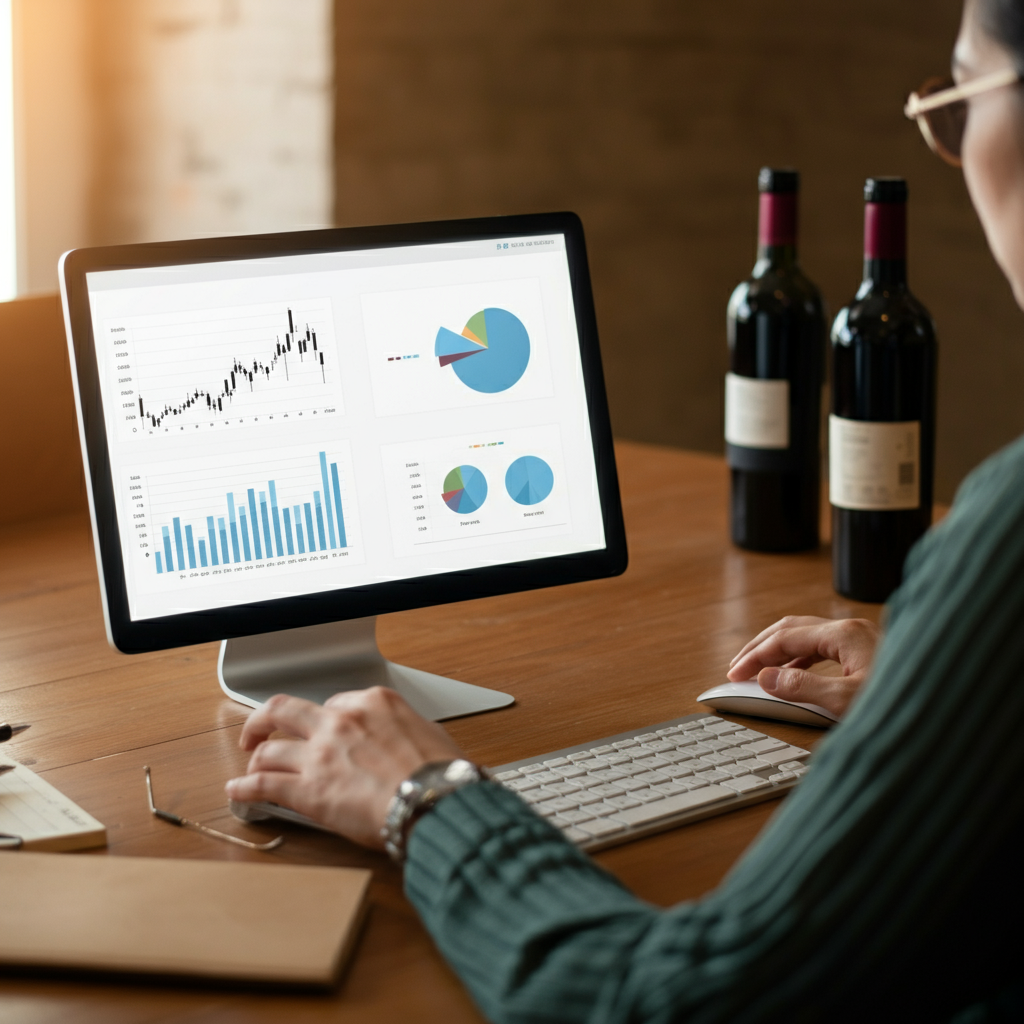
The wine market is dynamic and influenced by various factors, including vintage quality, economic conditions, critic reviews, and consumer demand. Stay informed about market trends and price fluctuations by following industry publications, attending auctions, and consulting with wine experts. Track the performance of your wines and be prepared to adjust your strategy as needed. If you're investing in futures, monitor the producer's releases and adjust your expectations based on critical reception. Regularly review your portfolio and consider selling wines that have reached their peak value or are no longer aligned with your investment goals.
Common Mistakes to Avoid
- Ignoring proper storage: Storing wine in improper conditions can significantly degrade its quality and value.
- Over-relying on critic scores: While critic scores can be helpful, don't rely on them exclusively. Do your own research and develop your own palate.
- Failing to diversify: Concentrating your investments in a single region or producer increases your risk.
- Being impatient: Wine investment is a long-term proposition. Don't expect immediate returns.
- Not insuring your collection: Protecting your investment against damage, theft, or loss is crucial.
Pro Tips
- Develop relationships with reputable wine merchants and auction houses.
- Attend wine tastings and educational events to expand your knowledge and network.
- Consider joining a wine investment club or community.
- Keep detailed records of your purchases, storage conditions, and market valuations.
FAQ Section
- What is the best way to store wine at home?
- The best way is in a dedicated wine refrigerator or cellar with consistent temperature and humidity.
- How long should I hold onto a wine investment?
- This depends on the specific wine, its aging potential, and market conditions. Research carefully.
- Are wine futures a good investment for beginners?
- Wine futures carry higher risk and require more expertise. Consider physical bottles first.
Conclusion
Investing in wine can be a rewarding and potentially profitable venture. By educating yourself, choosing your focus, evaluating investments carefully, building a diversified portfolio, and managing your holdings effectively, you can increase your chances of success. Remember to be patient, disciplined, and always prioritize quality over hype. With careful planning and diligent execution, you can build a valuable wine portfolio that provides both financial returns and the pleasure of owning exceptional wines.