The concept of "Auntie" in Indian culture extends far beyond a simple familial relationship. It’s a term steeped in respect, affection, and a complex web of social etiquette. For those unfamiliar with Desi culture, navigating these nuances can be a bit daunting. This guide aims to demystify the "Auntie" phenomenon, offering practical advice on how to interact respectfully and appropriately.
Understanding the role of an Indian Auntie is crucial for anyone seeking to build genuine connections within Indian communities. It's more than just a title; it's a signifier of a relationship, a gesture of acknowledging someone's seniority and experience. Misunderstanding or misusing the term can inadvertently lead to awkward or even offensive situations.
This guide is designed to provide a comprehensive understanding of the "Auntie" concept, covering everything from appropriate usage to potential pitfalls. We'll delve into the cultural significance, explore the dos and don'ts, and equip you with the knowledge to navigate interactions with Indian Aunties with confidence and grace.
Whether you're attending your first Indian wedding, interacting with colleagues of Indian descent, or simply seeking to broaden your cultural understanding, this guide will provide you with the necessary tools to engage respectfully and build meaningful relationships.
Step 1: Recognizing an Auntie
Understanding the Core Definition
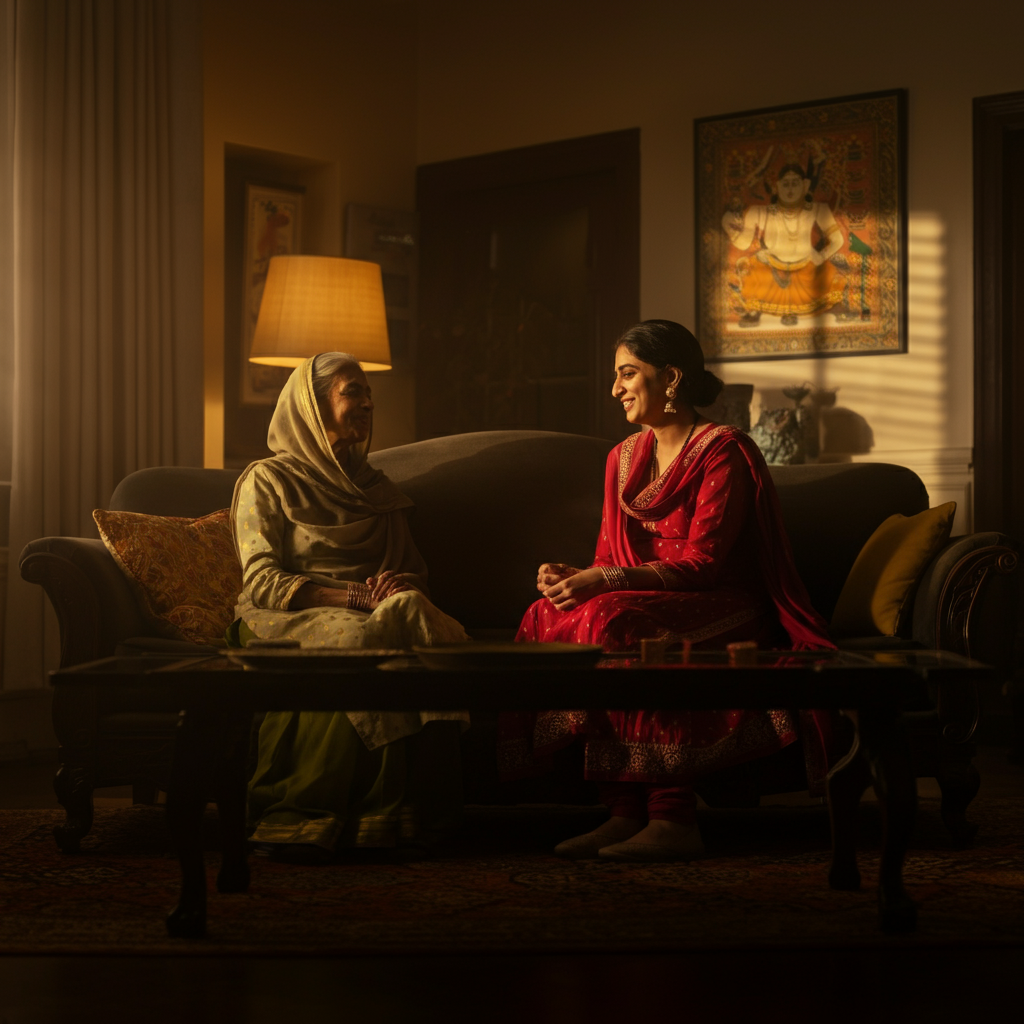
In Indian culture, "Auntie" is generally used to address older women with whom you have a social or familial connection. It’s a sign of respect and endearment, but it's not simply a catch-all term for any older woman you encounter. The key is the pre-existing link, whether it’s through family, friends, or community. Think of it as a more personal and culturally specific version of "Ma'am." It signifies a degree of closeness and acknowledgement of seniority within a shared social context. Be mindful that outside of India, Indians may not expect non-Desi people to address them as auntie unless they have a clear, existing social relationship.
Step 2: Identifying the Connection
Establishing the Social Link
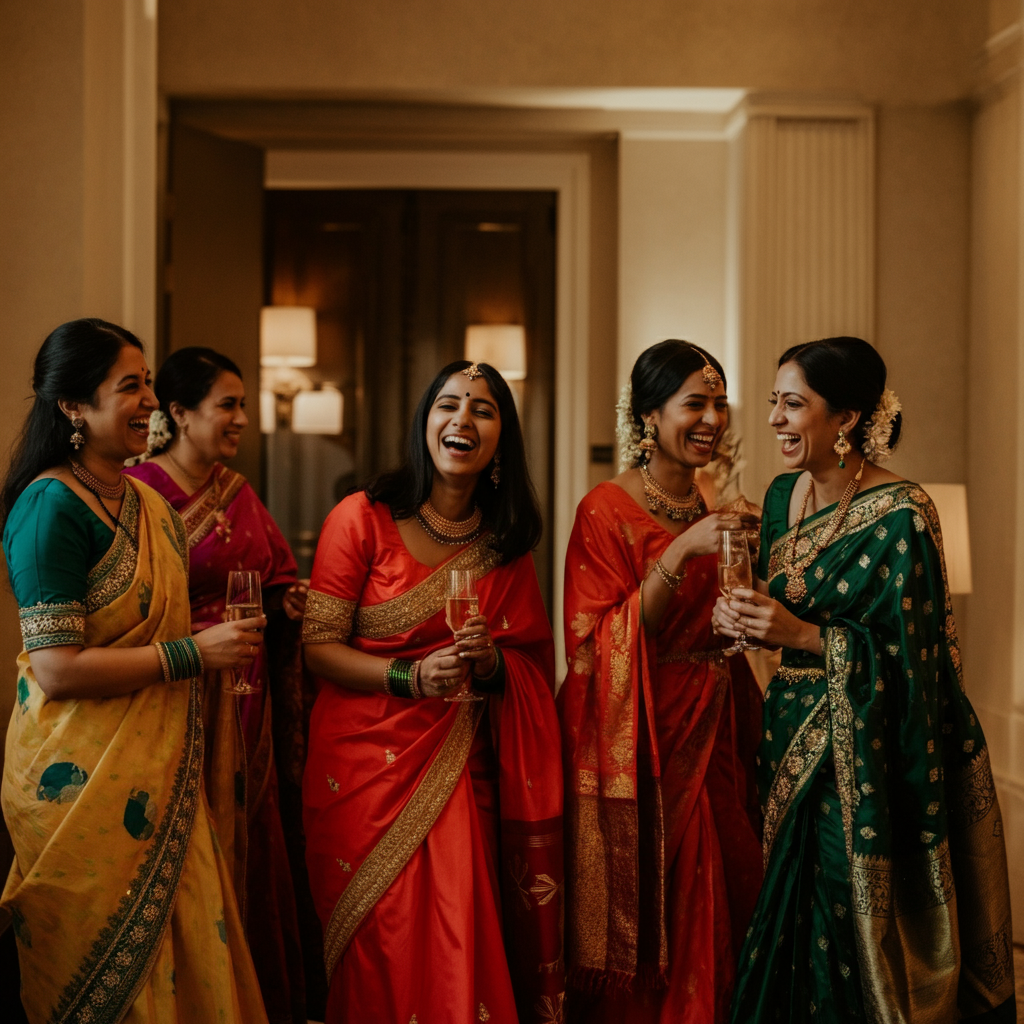
The most important aspect of using "Auntie" correctly is establishing a social connection. If you're invited to an Indian gathering, such as a wedding or a family dinner, any older woman present who is connected to the host can generally be addressed as "Auntie." However, simply encountering an older Indian woman in a public setting, like a grocery store or a coffee shop, does not automatically warrant the title. Using "Auntie" in such a scenario could be perceived as presumptuous or overly familiar. Remember, the connection is the crucial element.
Step 3: Using the Name Convention
Incorporating Names with Auntie
When addressing an Auntie, it's considered polite to use her first name in conjunction with the title. You can either say "Auntie [First Name]" or "[First Name] Auntie." Both are acceptable and demonstrate a level of familiarity and respect. If you don't know her first name, it's perfectly acceptable to simply use "Auntie" on its own. This avoids any potential faux pas of misremembering or guessing incorrectly. Observe how others address her and follow suit for the most comfortable approach. If unsure, defaulting to just "Auntie" is always the safest option.
Step 4: Navigating Potential Offense
Age and Context Considerations
Be mindful of the age of the woman you're addressing. Using "Auntie" for someone who is relatively close to your age, or who is known to be sensitive about their age, can be considered impolite. The title is generally reserved for women who are noticeably older and hold a certain level of seniority within the social context. Furthermore, cultural nuances can vary. Some women, especially those who have grown up outside of India, may not be comfortable with the term at all. Pay attention to social cues and body language. If someone seems hesitant or uncomfortable, err on the side of caution and use "Ms." followed by their last name instead.

Step 5: The Male Equivalent: Uncle
Applying the Rules to "Uncle"
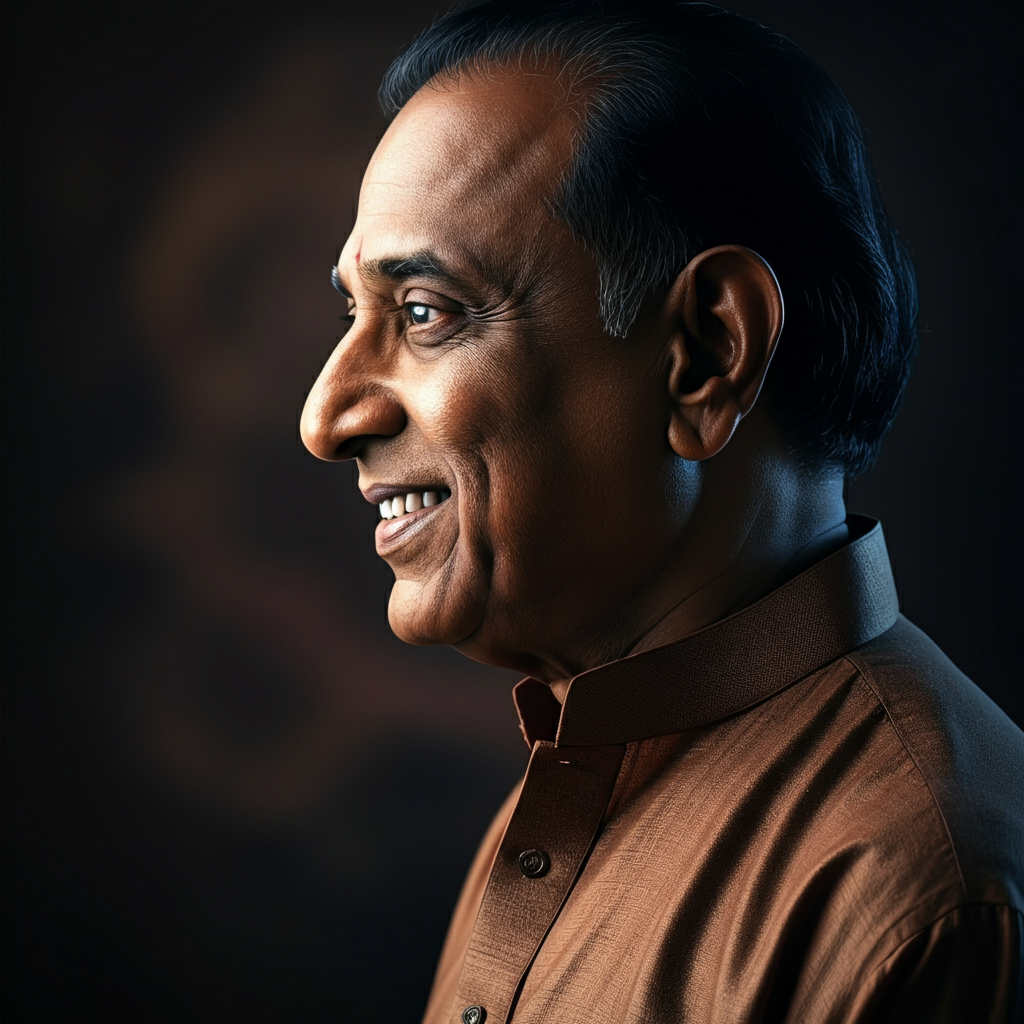
The rules governing the use of "Auntie" also apply to its male counterpart, "Uncle." Use "Uncle" to address older men who are socially connected to you in the same way you would use "Auntie" for women. If you're referring to a woman as "Auntie," it's generally expected that you would address her male partner as "Uncle." Omitting one while using the other can seem awkward. Just like with "Auntie," use the first name when possible: "Uncle [First Name]" or "[First Name] Uncle." And when in doubt, observe and follow the lead of others within the group.
Step 6: Considering Cultural Sensitivity as a Non-Indian
Avoiding Cultural Appropriation
As a non-Indian person, it's essential to approach the use of "Auntie" with sensitivity and respect. While it's generally appreciated as a sign of goodwill when used correctly, it's crucial to avoid any perception of cultural appropriation. Using "Auntie" indiscriminately or in a mocking tone can be deeply offensive. The key is genuine respect and a sincere effort to connect with the individual and the culture. If you are unsure, it's always best to politely inquire about their preference or to use a more formal mode of address until you've established a comfortable rapport. The same applies to terms like "Uncle".

Step 7: Expanding Your Vocabulary (Optional)
Learning Hindi Terms
While using "Auntie" and "Uncle" is a great start, expanding your knowledge of Hindi terms for family members can further enhance your interactions. Words like "Mausi" (mother's sister), "Chachi" (father's brother's wife), "Nani" (maternal grandmother), and "Nana" (maternal grandfather) offer a deeper understanding of familial relationships within Indian culture. However, it's important to note that using these terms appropriately requires a strong understanding of the specific family dynamics and your relationship to them. Unless you are very close to the family (e.g. married into it), stick to "Auntie" and "Uncle" for older relatives and "brother" or "sister" for peers.
Common Mistakes to Avoid
- Assuming all older Indian women want to be called "Auntie."
- Using "Auntie" for women who are close to your age.
- Using "Auntie" in a sarcastic or mocking tone.
- Forgetting to use the first name when appropriate.
- Using the term outside of an Indian cultural context without a prior existing relationship.
FAQ Section
- Is it okay to call a younger Indian woman "Auntie" as a joke?
- While it might be tempting to tease a friend in this way, it's generally best to avoid it. It can easily be misinterpreted as insensitive or disrespectful, especially if the woman is self-conscious about her age.
- What if I accidentally call someone "Auntie" and they are offended?
- The best course of action is to sincerely apologize. Explain that you meant no disrespect and that you were simply trying to be polite. Acknowledge their feelings and avoid making the same mistake again.
- If an Auntie introduces me to her friend, should I call her friend "Auntie" too?
- Probably. The new person has now been introduced into your shared social context. So long as she's noticeably older than you, addressing her as auntie will likely be well-received.
Conclusion
Understanding and appropriately using the term "Auntie" is a key aspect of demonstrating respect and cultural sensitivity within Indian communities. By following the guidelines outlined in this guide, you can navigate these interactions with confidence and build meaningful relationships. Remember to always prioritize respect, context, and individual preferences. With a little knowledge and careful consideration, you can confidently engage with Indian Aunties and foster genuine connections.