Ordering goods internationally can be exciting, but the journey through customs can sometimes seem like a black box. When your tracking information displays "Inbound into Customs," it simply means your package has arrived in the destination country and is now under the jurisdiction of that country's customs authority. This guide will demystify the customs process, providing you with the knowledge to understand what's happening and what to expect.
Understanding this phase is crucial for managing expectations and proactively addressing potential issues. A smooth customs clearance can mean the difference between receiving your package on time and experiencing frustrating delays. We'll break down the steps involved, typical timelines, potential hiccups, and how to navigate them effectively.
This guide is designed to empower you with the information you need to confidently track your international packages and understand the "Inbound into Customs" status. Let's dive in!
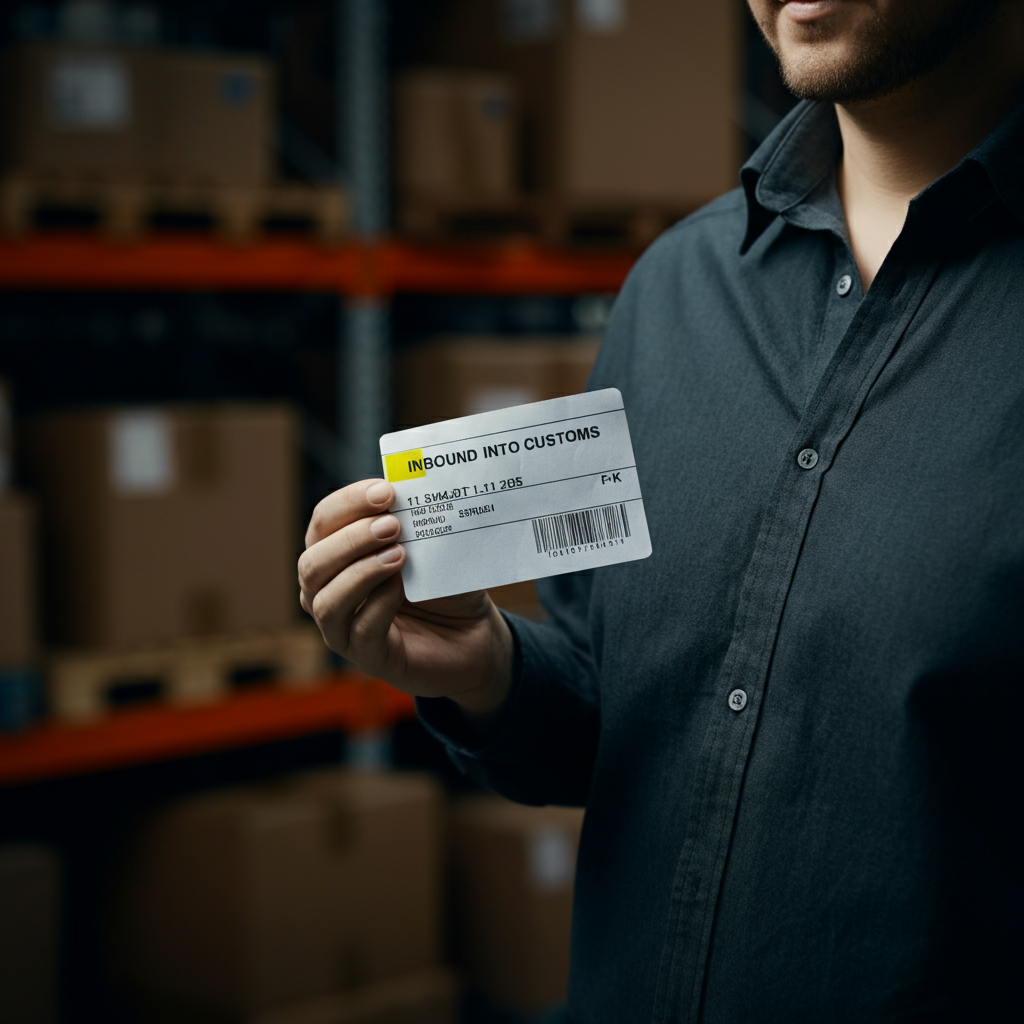
Step 1: Understanding the "Inbound Into Customs" Status
When your package's tracking information shows "Inbound into Customs," it signifies that your shipment has physically entered the customs territory of the destination country and is awaiting inspection. The package has been transferred from the carrier (e.g., USPS) to the Customs and Border Protection (CBP) agency or the equivalent agency in another country. This is a mandatory step for all international shipments, allowing customs officials to verify the contents, assess any applicable duties and taxes, and ensure compliance with import regulations.
Step 2: Customs Inspection and Assessment
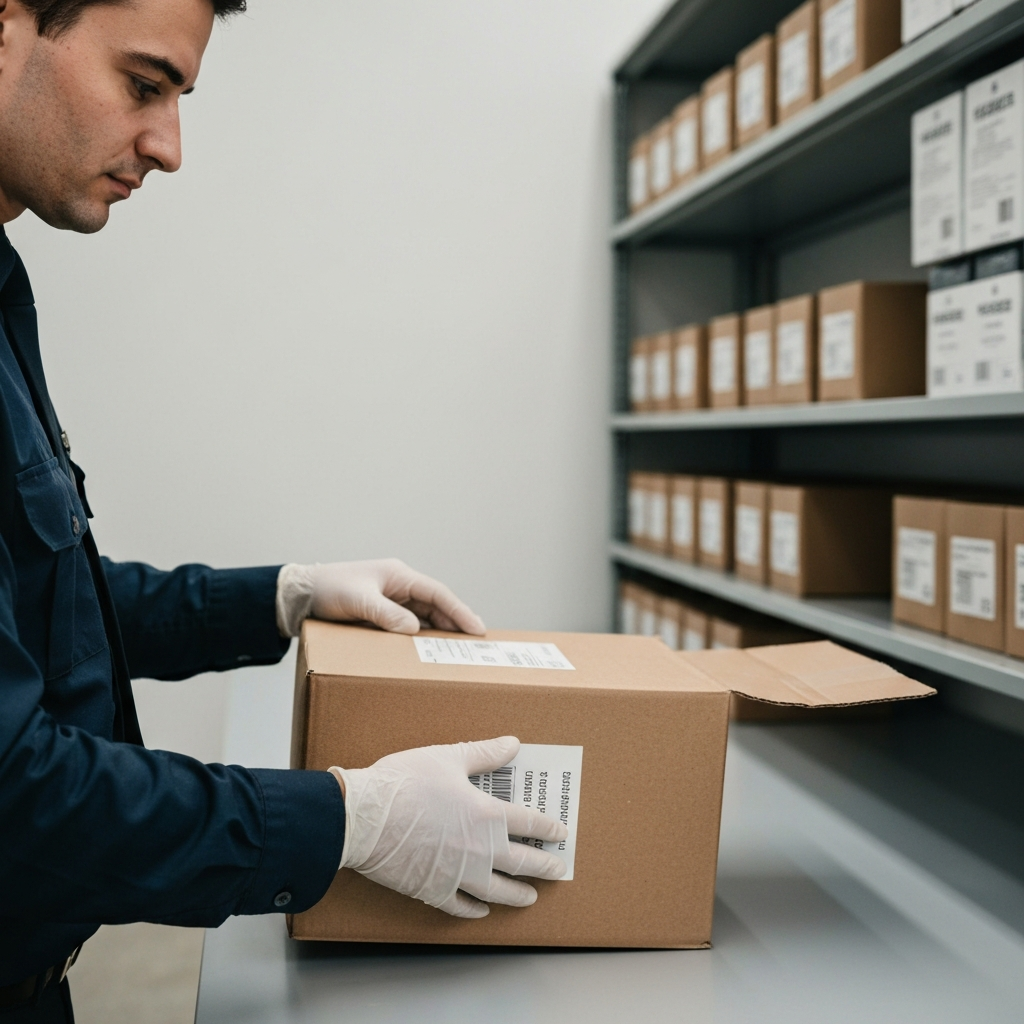
Upon arrival at customs, your package will undergo inspection. This process may involve a physical examination of the contents or a review of the accompanying documentation, such as the customs declaration and invoice. Customs officials are looking for several things: accurate declaration of goods, compliance with import regulations, and potential prohibited or restricted items. They also assess the value of the goods to determine if any duties or taxes are owed.
Step 3: Potential Outcomes and Delays
The outcome of the customs inspection can vary. Ideally, your package will be cleared quickly and move on to the next stage of delivery. However, several factors can lead to delays. These include incomplete or inaccurate documentation, suspicion of undeclared or prohibited items, or a high volume of packages awaiting processing. Be prepared for potential delays, especially during peak seasons like holidays.
Step 4: "Inbound Out of Customs" and Next Steps
Once your package has successfully cleared customs, the tracking status will typically update to "Inbound Out of Customs" or a similar phrase, indicating that it has been released from customs control and is now back in the hands of the carrier (e.g., USPS). From this point, the package will be sorted and routed to its final destination for delivery. Keep tracking your package after it leaves customs to monitor its progress and estimated delivery date.
Step 5: Handling Customs Holds and Requests
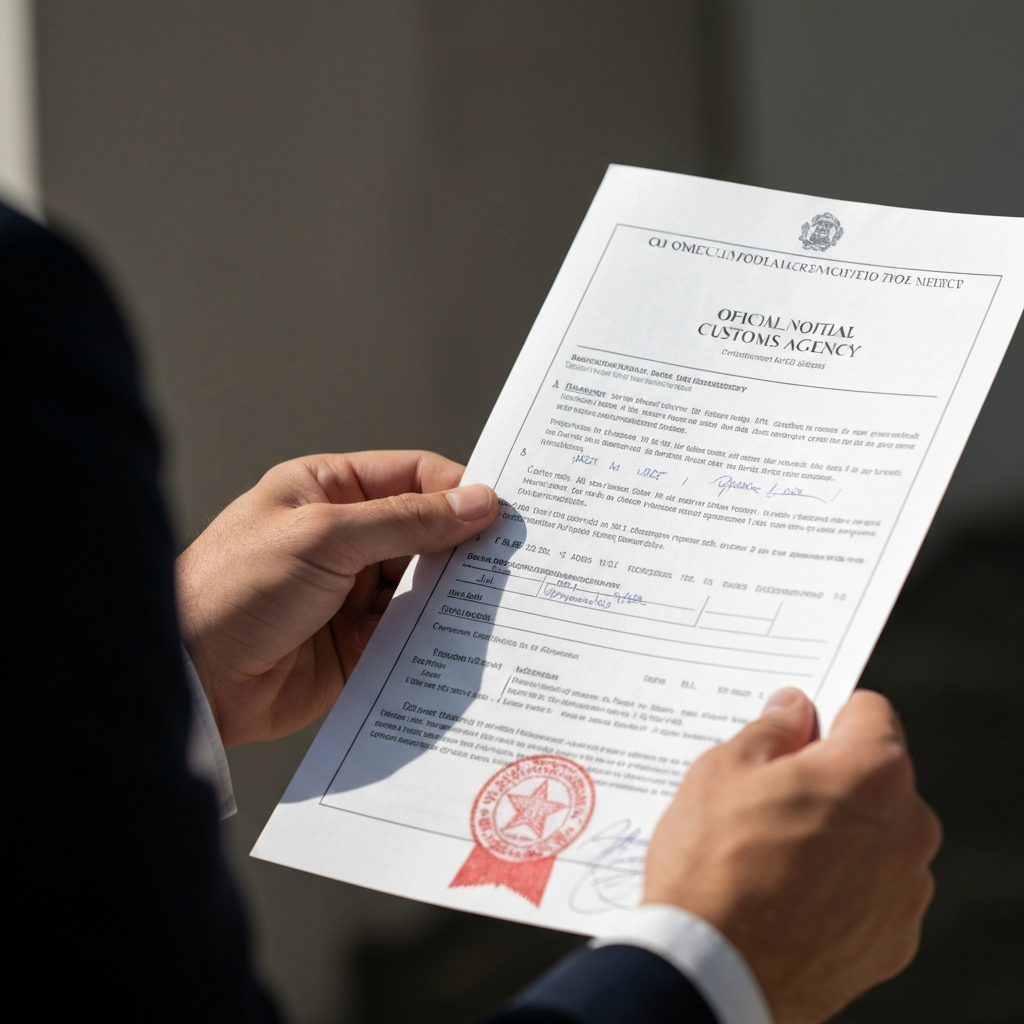
If your package is held by customs, you will typically receive a notification from the carrier or customs agency. This notification will outline the reason for the hold and provide instructions on how to proceed. Common reasons for holds include the need for additional documentation, payment of duties and taxes, or clarification of the contents. Respond promptly to any requests from customs to avoid further delays or potential seizure of your package.
Step 6: Paying Duties and Taxes
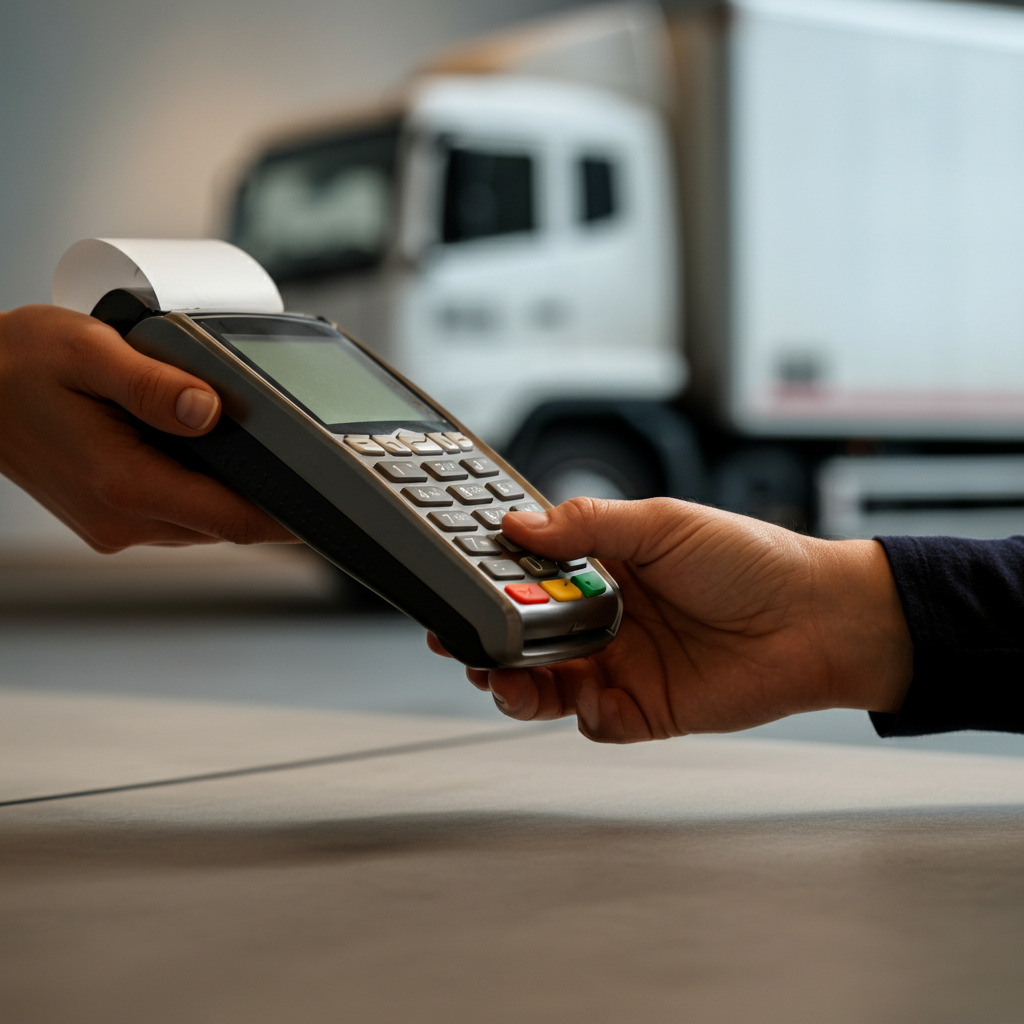
Depending on the value and nature of the goods you've imported, you may be required to pay duties and taxes. These fees are determined by the customs agency based on the declared value of the items and the applicable tariff rates. The carrier will usually collect these fees on behalf of the customs agency before releasing the package for delivery. Be prepared to pay duties and taxes upon delivery to ensure a smooth customs clearance. Check the CBP website or your country's equivalent for estimated duty rates.
Common Mistakes to Avoid
- Inaccurate Declarations: Providing false or incomplete information on the customs declaration can lead to delays, fines, or even seizure of your goods.
- Ignoring Communication: Failing to respond to requests from customs can result in your package being held indefinitely.
- Lack of Preparation: Not being aware of potential duties and taxes can lead to unexpected costs and delays.
FAQ Section
- How long does customs clearance typically take? Customs clearance times can vary, but most packages are processed within 1-2 business days. However, delays can occur due to various factors.
- What if my package contains a prohibited item? Prohibited items will be seized by customs and may be subject to forfeiture or return to the sender.
- How can I track my package after it clears customs? Continue to use the tracking number provided by the carrier to monitor the progress of your package.
Conclusion
Navigating "Inbound into Customs" doesn't have to be a daunting task. By understanding the process, being prepared with accurate documentation, and responding promptly to any requests, you can significantly improve your chances of a smooth and timely customs clearance. Remember to track your package diligently and be aware of potential duties and taxes. With a little preparation and patience, you can confidently receive your international shipments.