So you want to become a better basketball player? Whether your goal is making the team, getting more playing time, or simply dominating the local pickup games, improvement requires dedication, smart training, and a solid understanding of the fundamentals. Basketball is more than just athleticism; it's a blend of skill, strategy, and mental toughness. This guide breaks down key areas of the game and provides actionable steps you can take to elevate your performance.
Many players make the mistake of only focusing on one aspect of the game, such as shooting, while neglecting other crucial areas like defense or ball-handling. A well-rounded player is a more valuable asset to any team. Our approach will cover a holistic set of skills, ensuring you develop a complete and effective game. We'll delve into dribbling techniques, shooting drills, defensive strategies, and ways to enhance your overall basketball IQ.
Remember that consistent effort and focused practice are essential. There's no substitute for putting in the hours. However, practicing the wrong techniques can actually hinder your progress. This guide will help you avoid common pitfalls and maximize your training time for optimal results.
Step 1: Mastering the Fundamentals of Dribbling
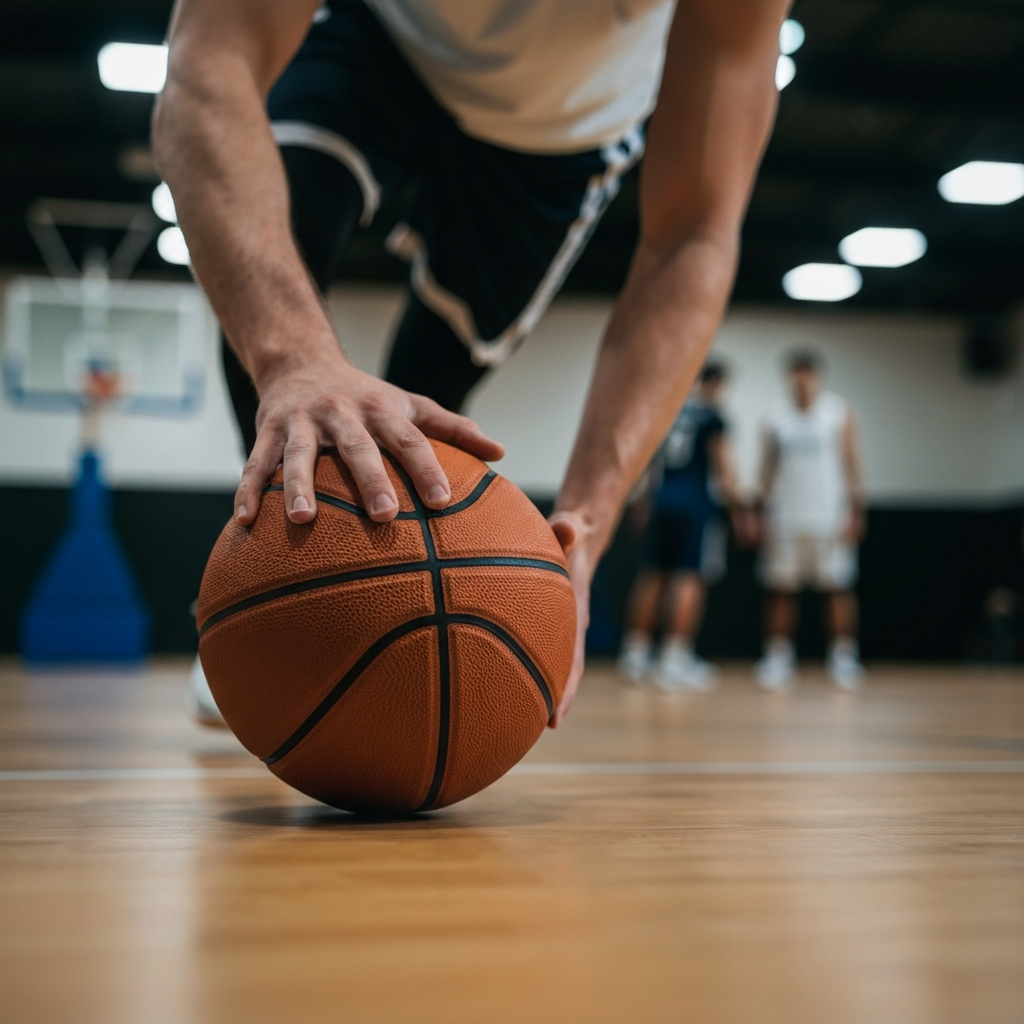
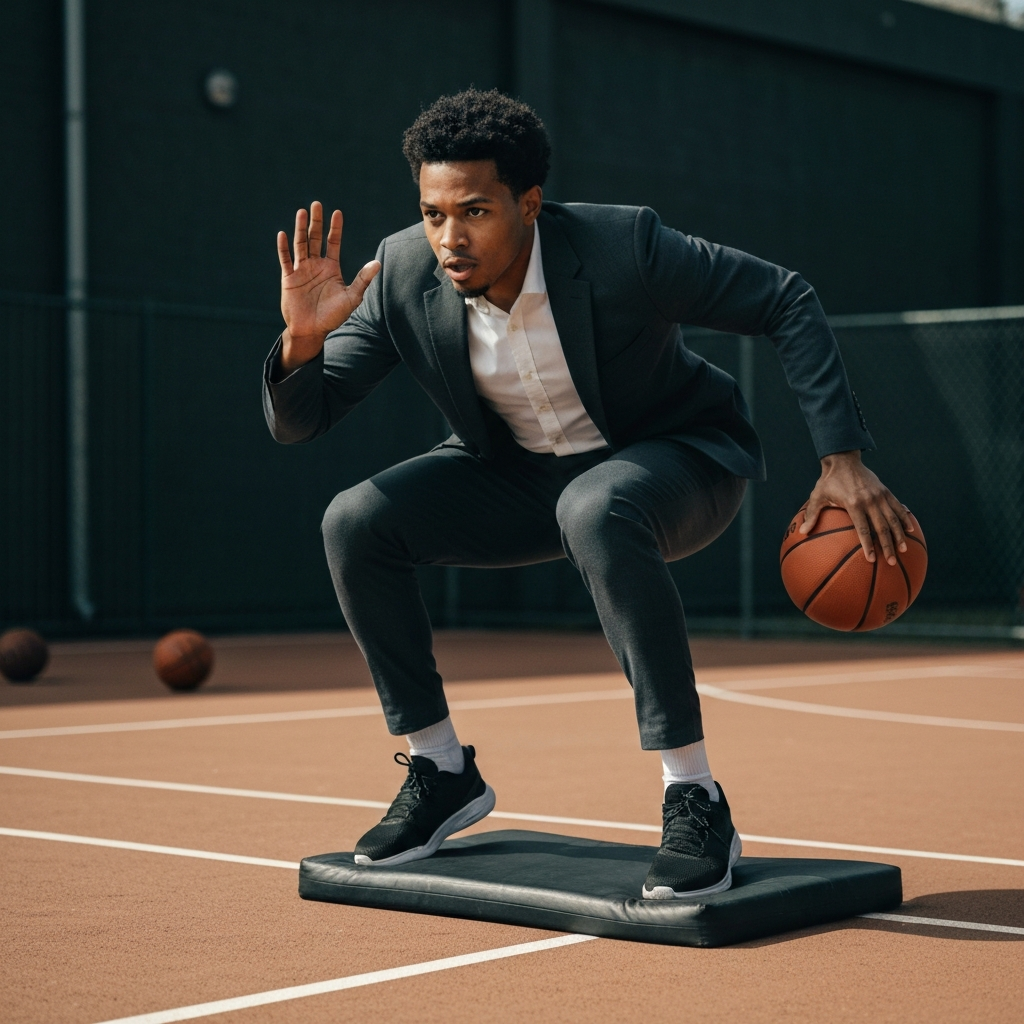
Dribbling is the foundation of your offensive game. It allows you to move the ball effectively, create scoring opportunities, and maintain possession under pressure. You need to be comfortable dribbling with both hands and maintaining control even when facing defensive pressure. Start by practicing stationary dribbling, focusing on keeping the ball low and using your fingertips for control. Then gradually incorporate movement, dribbling while walking, jogging, and eventually sprinting. Pay close attention to your body posture: keep your knees bent, your back straight, and your head up to survey the court.
Step 2: Perfecting Your Shooting Technique
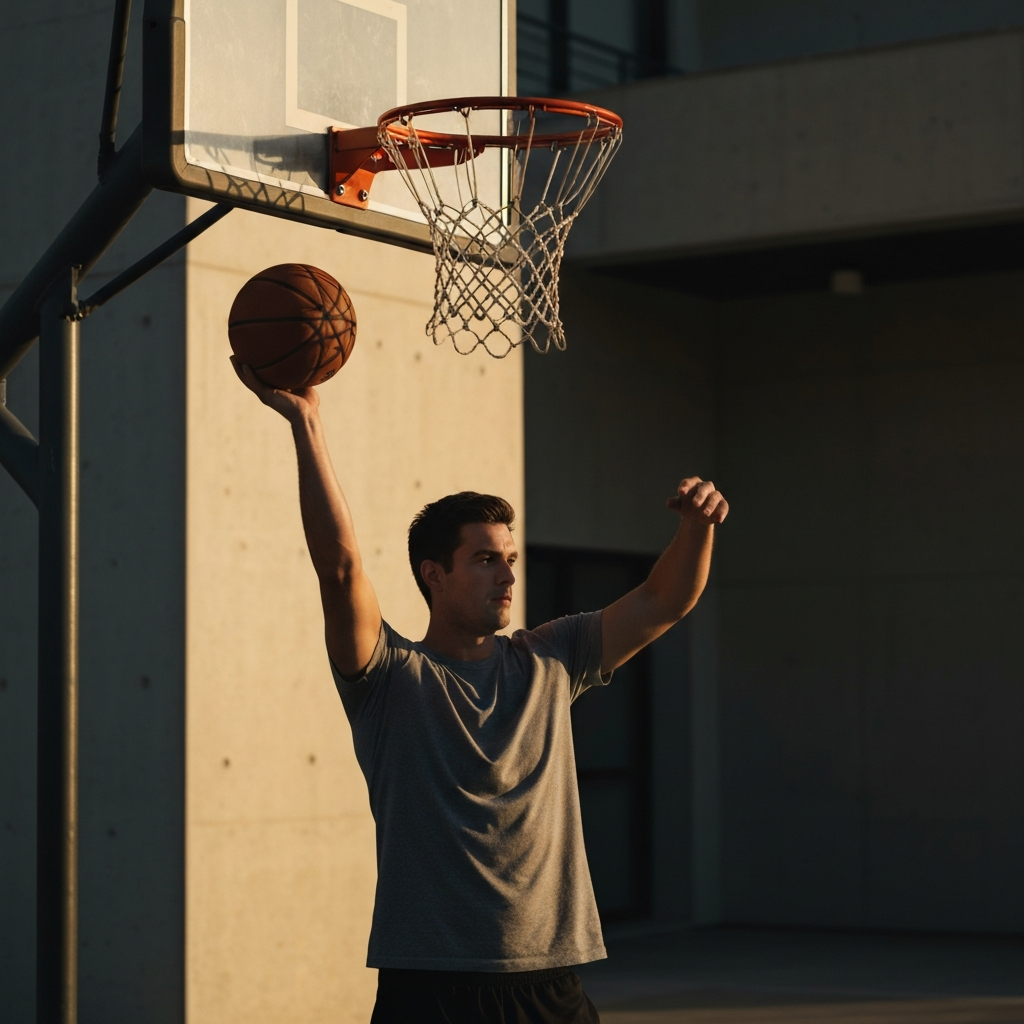
Shooting is arguably the most important skill in basketball. A consistent and accurate shot can dramatically increase your scoring potential and make you a threat from anywhere on the court. The key to good shooting is developing a consistent form. Remember the BEEF acronym: Balance, Eyes, Elbow, Follow-Through. Balance involves planting your feet shoulder-width apart and bending your knees slightly. Keep your eyes focused on the basket. Tuck your elbow in towards your body, and finish with a high follow-through, snapping your wrist. Practice shooting from various spots on the court, gradually increasing your range as you improve. It’s also wise to film yourself so you can analyze your shot and find areas for improvement.
Step 3: Honing Your Defensive Skills
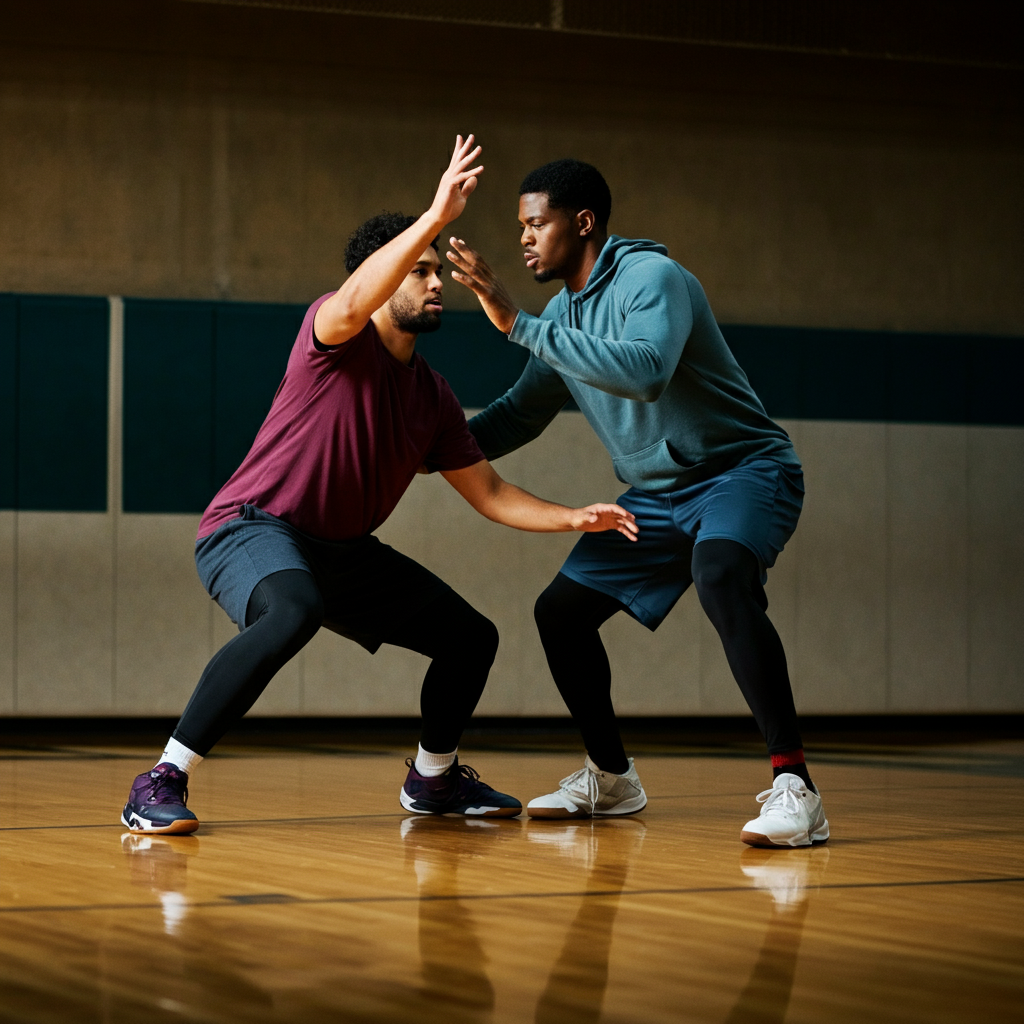
Defense is half the game, and often the most overlooked. Being a good defender requires a combination of athleticism, technique, and mental toughness. Start by mastering the defensive stance: wide base, low center of gravity, hands up and active. Practice shuffling laterally, staying in front of your opponent, and anticipating their moves. Remember, good defense is about more than just blocking shots; it's about disrupting the offensive player's rhythm and forcing them into difficult situations. Practice boxing out after a shot goes up, securing rebounds and preventing the opposing team from getting second-chance points.
Step 4: Enhancing Your Passing Accuracy and Court Vision
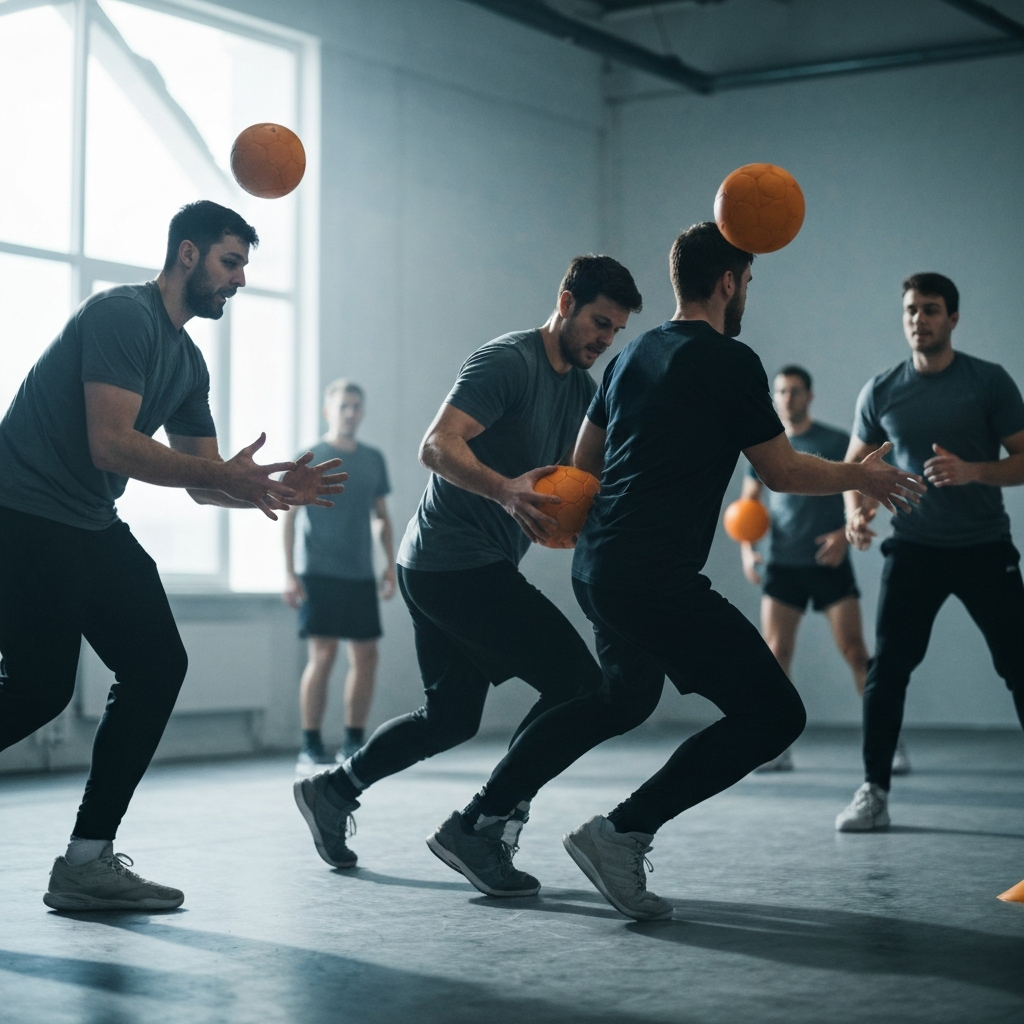
Passing is crucial for team success. A good passer can create easy scoring opportunities for teammates and facilitate ball movement. Practice different types of passes, including chest passes, bounce passes, and overhead passes. Focus on accuracy and speed, aiming for your teammate's chest or hands. Develop your court vision by scanning the floor before you receive the ball and anticipating where your teammates will be. Playing in organized games is the best way to develop these skills and learn to make quick decisions under pressure.
Step 5: Improving Your Athleticism and Stamina
Basketball demands a high level of athleticism. You need to be quick, agile, and have the stamina to play hard for extended periods. Incorporate regular cardio workouts into your training regimen, such as running, sprinting, and interval training. Strength training is also important for developing power and preventing injuries. Focus on exercises that strengthen your legs, core, and upper body. Don't neglect plyometrics, which can improve your jumping ability and explosiveness. Be sure to warm up before each workout and cool down afterward to prevent muscle soreness and reduce the risk of injury.
Tools or Materials Required
- Basketball
- Basketball hoop
- Cones (for dribbling drills)
- Agility ladder (optional, for footwork drills)
- Weight training equipment (dumbbells, barbell, etc.)
- Jump rope
Common Mistakes to Avoid
- Practicing without a plan: Structure your workouts and focus on specific skills each session.
- Ignoring fundamentals: Don't skip the basics; they are the foundation of your game.
- Overtraining: Rest and recovery are just as important as practice.
- Neglecting weaknesses: Identify your areas for improvement and dedicate time to them.
- Comparing yourself to others: Focus on your own progress and celebrate your achievements.
Safety Considerations
- Warm up thoroughly before each practice or game.
- Wear appropriate footwear and protective gear (e.g., ankle braces, mouthguard).
- Stay hydrated by drinking plenty of water.
- Be aware of your surroundings and avoid collisions with other players.
- Listen to your body and stop if you experience pain.
Pro Tips
- Watch professional games and study the techniques of top players.
- Get feedback from coaches, teammates, and experienced players.
- Film yourself practicing and analyze your technique.
- Set realistic goals and track your progress.
- Stay positive and maintain a strong work ethic.
FAQ Section
Q: How often should I practice?
A: Aim for at least 3-5 times per week, focusing on different skills each session.
Q: How long should each practice session be?
A: A good practice session should last at least 1-2 hours.
Q: What if I don't have access to a basketball court?
A: You can still practice dribbling and ball-handling skills in your driveway or backyard. You can also work on your conditioning and strength training at home.
Q: How important is it to play in organized games?
A: Playing in games is essential for developing your basketball IQ, decision-making skills, and teamwork abilities.
Conclusion
Improving at basketball is a journey that requires dedication, hard work, and a strategic approach. By mastering the fundamentals, honing your skills, and developing your athleticism, you can significantly elevate your game. Remember to stay focused, set realistic goals, and enjoy the process. With consistent effort and a commitment to learning, you can unlock your full potential and become the best basketball player you can be. Keep practicing, keep learning, and never stop striving to improve.