Identifying your car's make and model is crucial for a multitude of reasons. Whether you're applying for insurance, ordering replacement parts, researching its history, or simply satisfying your curiosity, knowing this information accurately is paramount. Many car models have subtle variations across years and trim levels, making precise identification essential.
Misidentifying your car can lead to ordering the wrong parts, receiving inaccurate insurance quotes, or even encountering issues when trying to register or sell the vehicle. This guide provides a step-by-step approach to accurately determine your car's make and model, leaving no room for guesswork. We will cover both visual cues and alternative methods to ensure you get it right.
Don't let a simple oversight turn into a costly mistake. Follow this guide, and you'll confidently identify your car's make and model in no time.
Step 1: Examine the Exterior Badges and Emblems
Locating the Manufacturer's Logo
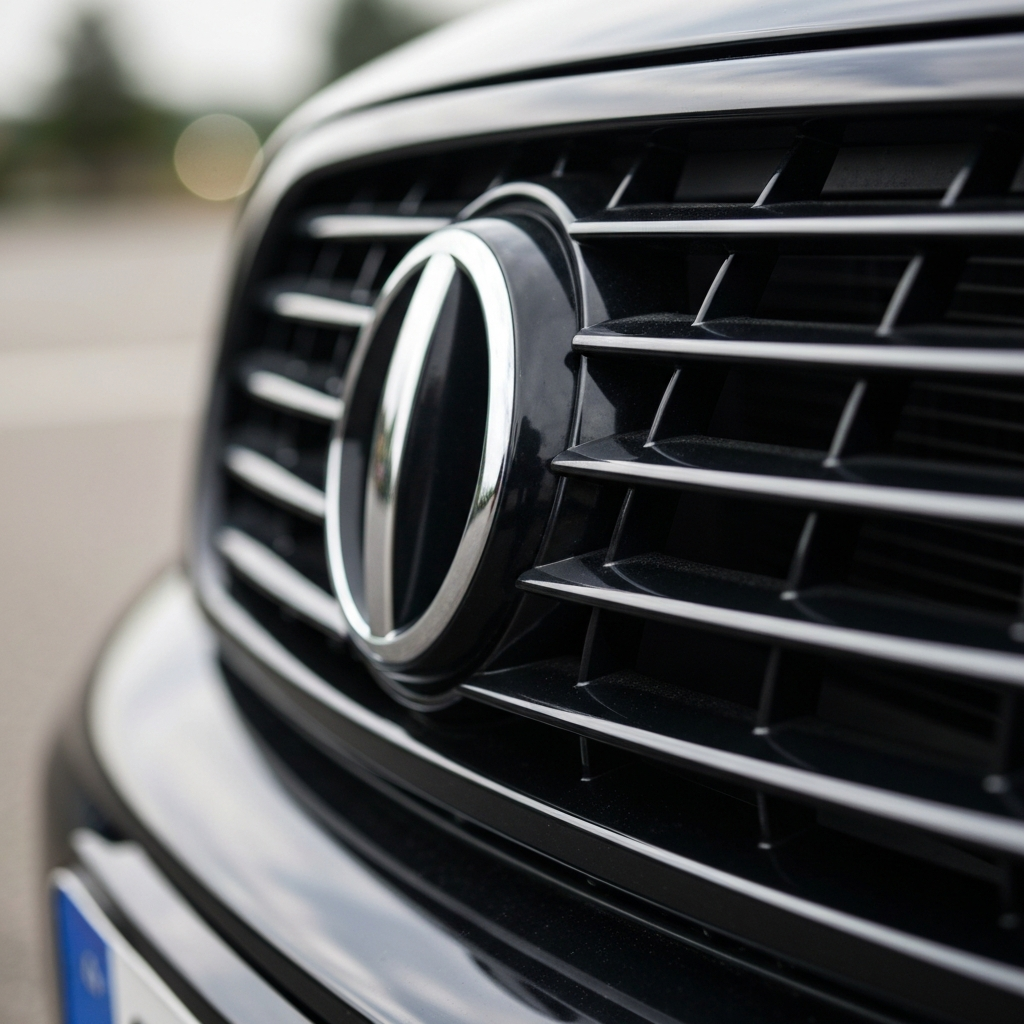
The most straightforward way to identify your car's make is by examining the manufacturer's logo. This is typically found on the front grille and the rear of the vehicle. Look for a distinctive emblem that represents the car manufacturer (e.g., the Mercedes-Benz star, the BMW roundel, the Toyota ellipse). Familiarize yourself with common car logos if you're unsure. On some vehicles, the logo might also be present on the wheel hubcaps and even embossed on interior components.
Step 2: Find the Model Name on the Vehicle
Identifying the Model Designation
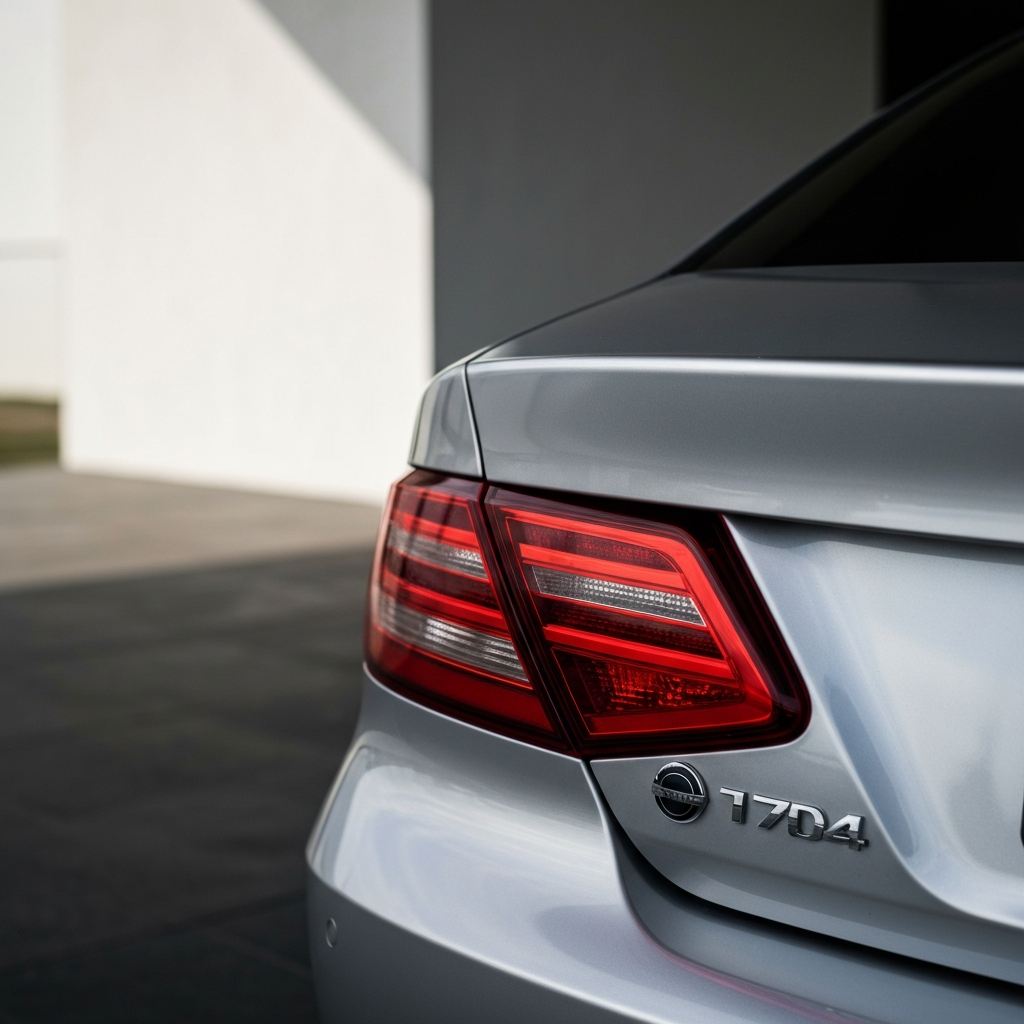
Once you've identified the make, the next step is to locate the model name. This is usually displayed on the rear of the car, often near the manufacturer's logo. The model name is typically a separate badge or lettering, and it might be accompanied by other designations like "Sport," "Limited," or engine size (e.g., "3.5L"). Be careful not to confuse the model name with trim levels or special edition badges. For instance, "XLE" is a trim level, not the model itself, on a Toyota Camry.
Step 3: Check the Vehicle Identification Number (VIN)
Decoding the VIN for Vehicle Information
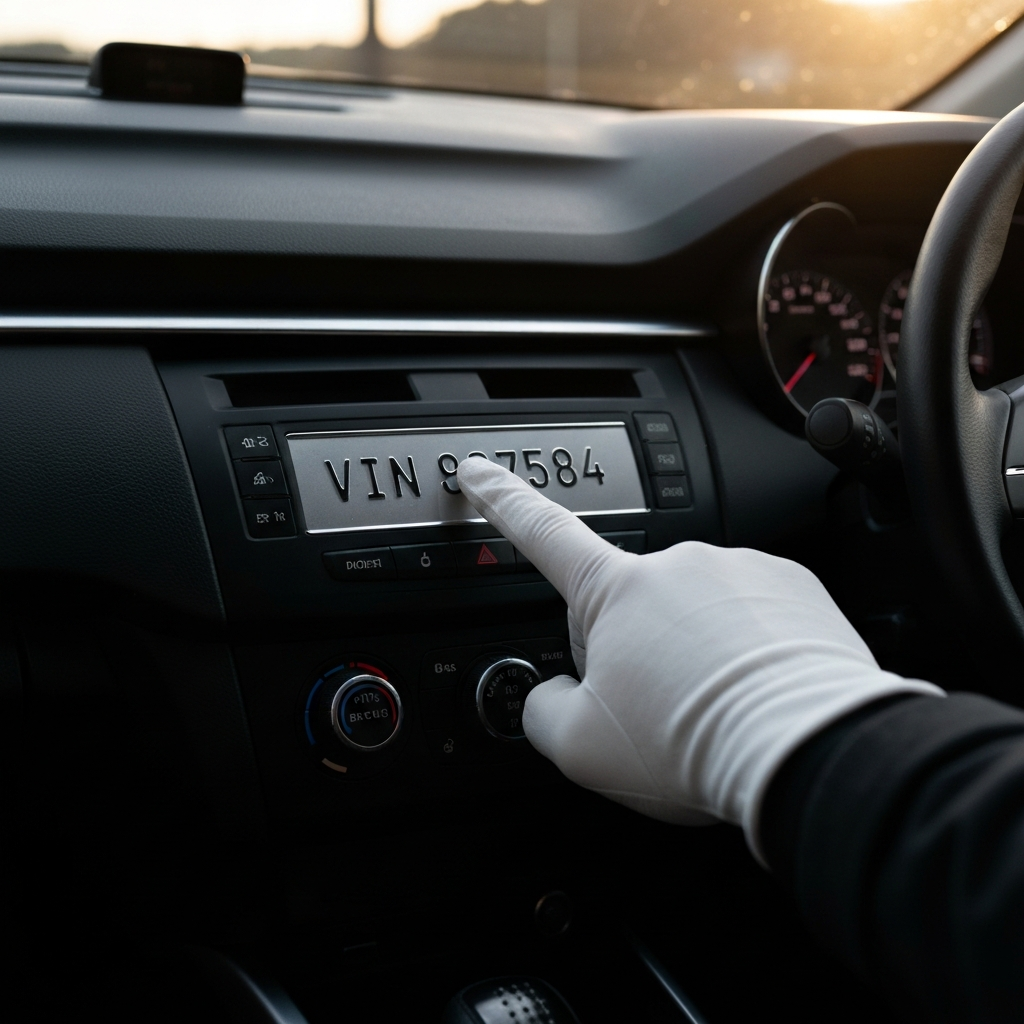
The Vehicle Identification Number (VIN) is a unique 17-character code assigned to every vehicle. It contains encoded information about the car's make, model, year of manufacture, assembly plant, and other specifications. You can find the VIN in several locations: on the driver's side dashboard (visible through the windshield), on the driver's side door jamb, and on your car's title and registration documents. Once you have the VIN, you can use online VIN decoders (many are free) to retrieve detailed information about your car's make and model.
Step 4: Consult Your Car's Documentation
Referencing the Owner's Manual and Registration
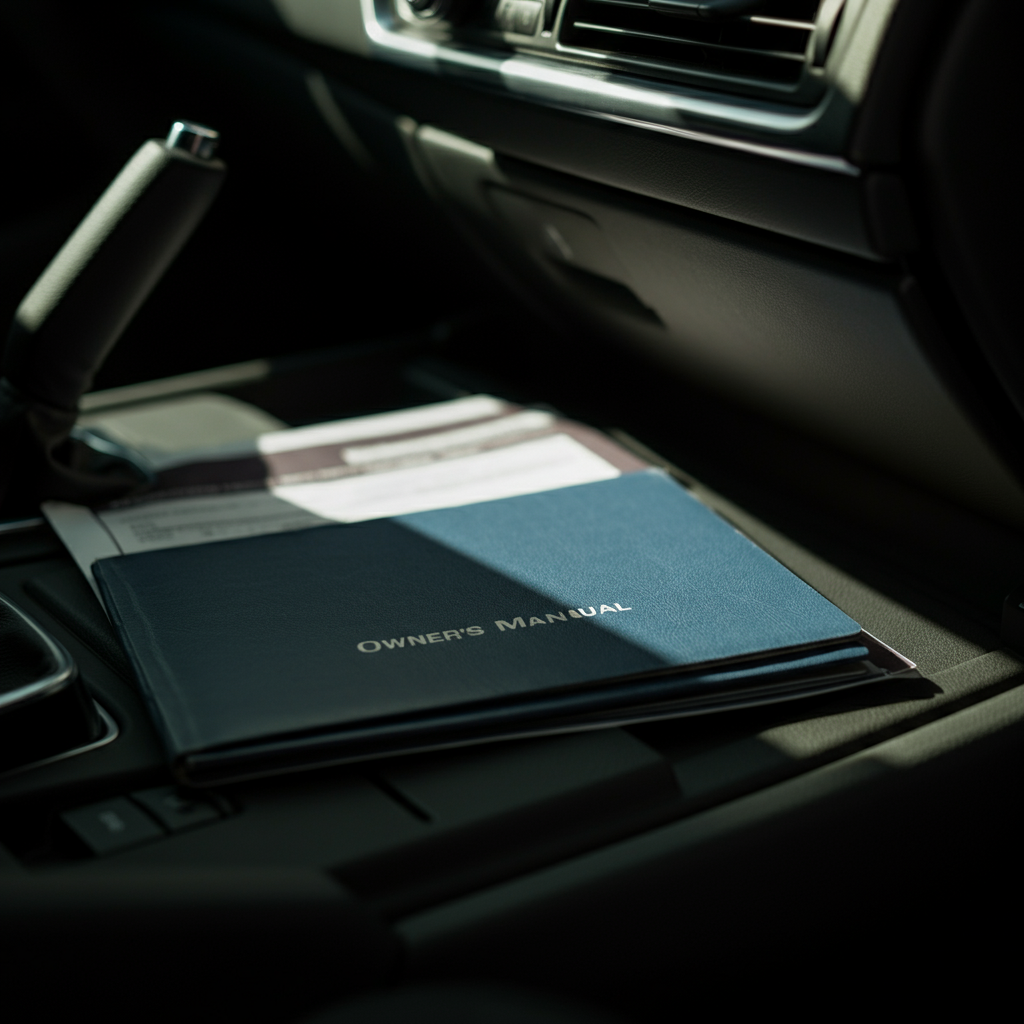
Your car's owner's manual is a valuable resource for confirming its make and model. The information is usually prominently displayed on the cover and within the first few pages. Your vehicle registration documents and insurance cards also list the make and model. These documents provide official confirmation and can be especially helpful if the exterior badges are missing or damaged. Cross-referencing information from multiple sources is always a good practice.
Step 5: Online Vehicle Information Lookups
Using Online Resources for Verification
If you're still unsure after checking the physical markings and documentation, you can utilize online vehicle information databases. Many websites offer free vehicle lookups based on license plate number or VIN. These services can provide accurate make and model information, along with other details about your car. Be cautious when using these services and only use reputable sources to avoid scams or inaccurate information.

Tools or Materials Required
- Your car
- A flashlight (for better visibility, especially in low-light conditions)
- Your car's owner's manual (if available)
- Your vehicle registration documents
- A computer or smartphone with internet access
Common Mistakes to Avoid
- Confusing trim levels with the model name (e.g., mistaking "Limited" for the model).
- Relying solely on memory without verifying the information.
- Using unreliable online resources for vehicle lookups.
- Ignoring the VIN as a source of information.
Pro Tips
- Take a picture of the badges and VIN plate with your phone for easy reference and documentation.
- When using online VIN decoders, compare the results with your car's physical appearance to ensure accuracy.
- If you're still unsure, consult a local mechanic or car dealership for assistance.
FAQ Section
- What if the badges on my car are missing?
- Use the VIN or consult your car's documentation. Online VIN decoders can provide accurate make and model information.
- Where can I find a reliable VIN decoder?
- Search online for reputable VIN decoder websites. Look for ones with positive reviews and clear terms of service.
- Can the car's color affect its make and model identification?
- No, the car's color does not affect its make and model. However, certain colors might be exclusive to specific trim levels, providing a hint.
Conclusion
Accurately identifying your car's make and model is a fundamental task with far-reaching implications. By following these steps – examining badges, checking the VIN, consulting documentation, and utilizing online resources – you can confidently determine your car's identity. Always verify the information from multiple sources to ensure accuracy and avoid costly errors. With this guide, you're now equipped to handle this task with expertise.