The Ford Model A, a successor to the ubiquitous Model T, represents a pivotal era in automotive history. Identifying a 1931 Model A requires a keen eye and attention to specific details that differentiate it from other Model A years. This guide provides a step-by-step approach to accurately identify a 1931 Ford Model A, focusing on key features and characteristics.
Distinguishing a 1931 Model A involves examining subtle design changes implemented that year. While sharing many similarities with other Model A models, unique features exist that set the 1931 apart. This guide provides you with the knowledge to confidently differentiate a 1931 Model A from earlier and later models, helping you appreciate the nuances of this iconic vehicle.
Whether you're a seasoned collector, an automotive enthusiast, or simply curious about vintage cars, this comprehensive guide will equip you with the necessary tools to accurately identify a 1931 Ford Model A. By carefully examining specific details, you can confidently determine the year of manufacture and appreciate the historical significance of this classic automobile.
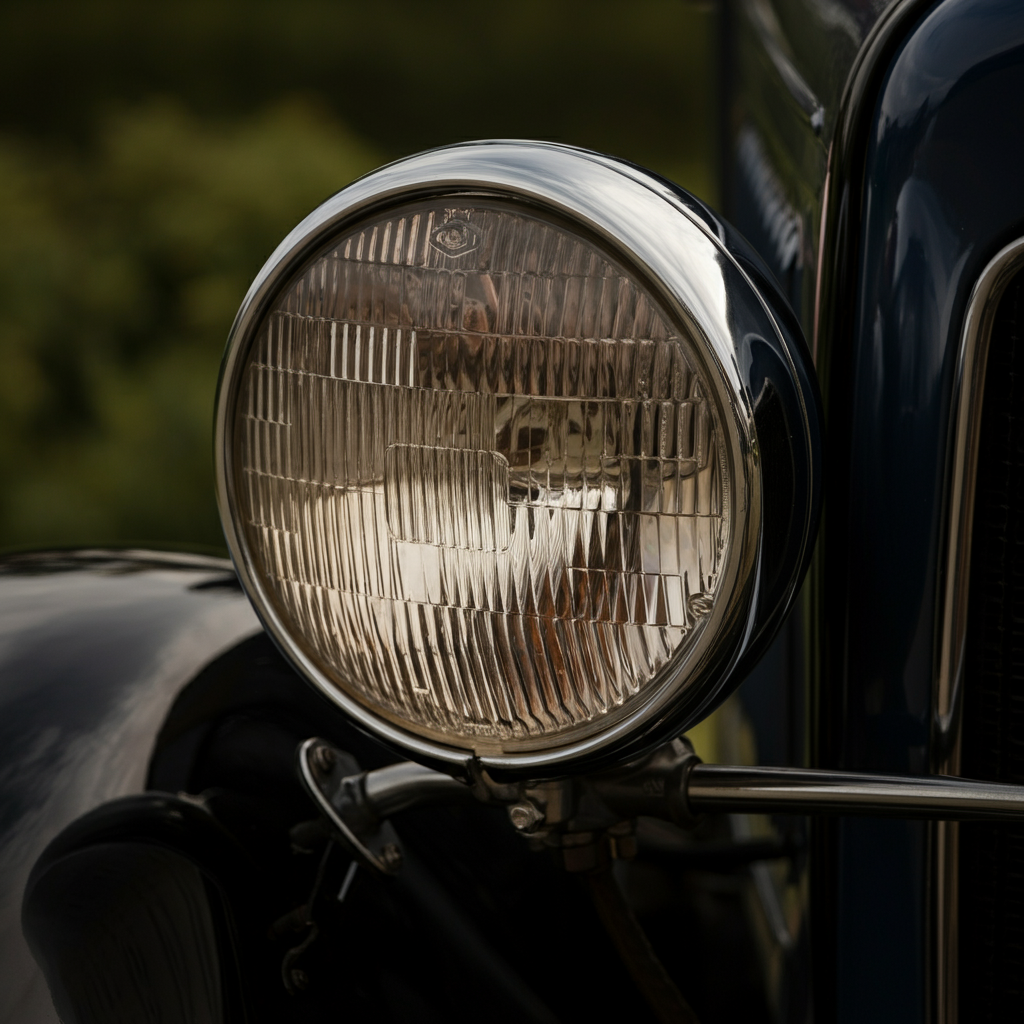
Step 1: Examine the Headlights and Headlight Bar
The headlight configuration is a crucial identifier. In 1931, Ford introduced a slightly longer headlight bar compared to previous years. The headlights themselves were typically chrome-plated and mounted on this bar, positioned between the radiator and the front fenders. Pay close attention to the length and shape of the headlight bar. A common mistake is to assume all Model A headlights are the same. This is not the case, the position can vary slightly by year. Remember to check for any modifications that may have been made throughout the years, as aftermarket parts or replacements can change the original appearance.
Step 2: Analyze the Radiator Shell and Grille
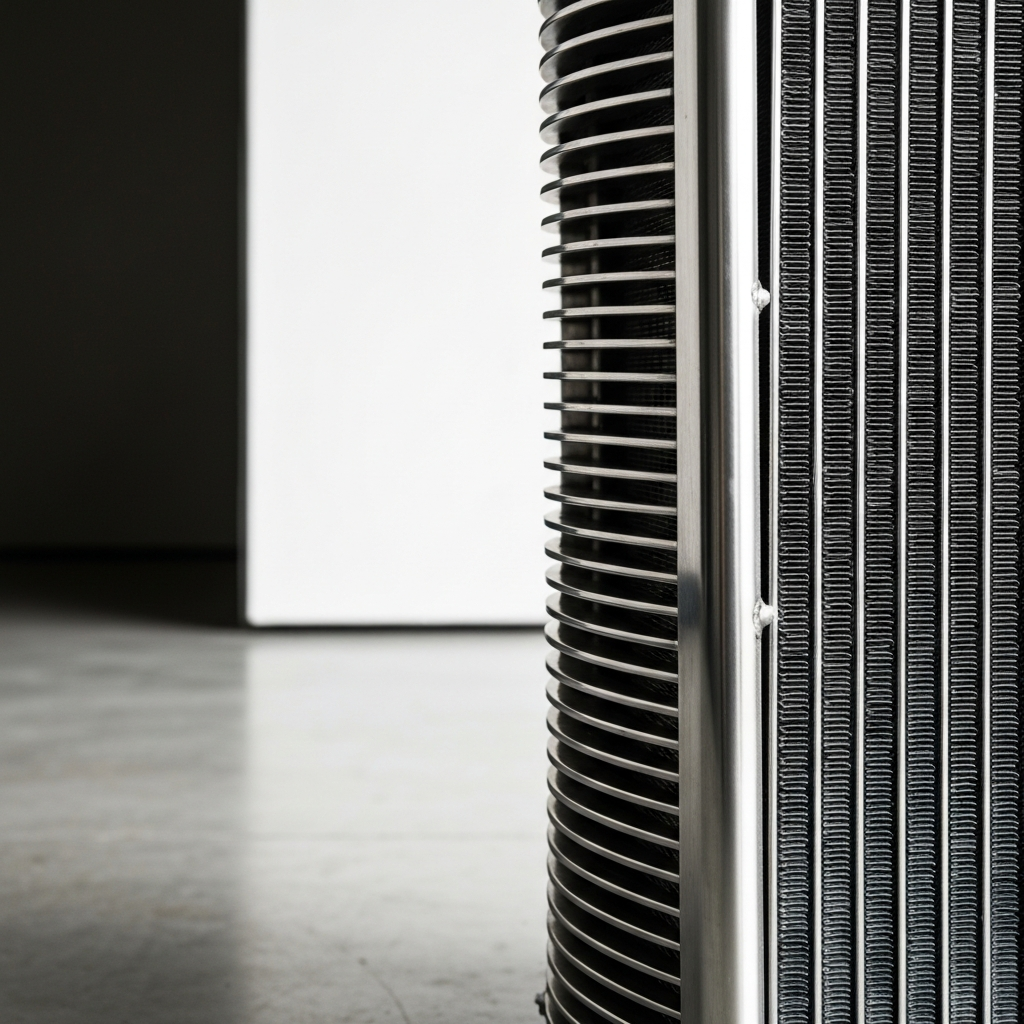
The radiator shell and grille design underwent changes throughout the Model A production run. The 1931 Model A featured a distinct radiator shell design. Look for a slightly taller and more rounded radiator shell compared to earlier years. Also, take note of the stainless steel grille insert. The number of bars, or louvers, and their spacing can be characteristic of 1931 models. Variations existed, but understanding the typical configuration will aid in identification. Examine the chrome plating quality; original 1931 models should have a consistent and high-quality finish. Inspect for any signs of repair or replacement, as these areas may not accurately reflect the original design.
Step 3: Identify Cowl Lights (If Equipped)
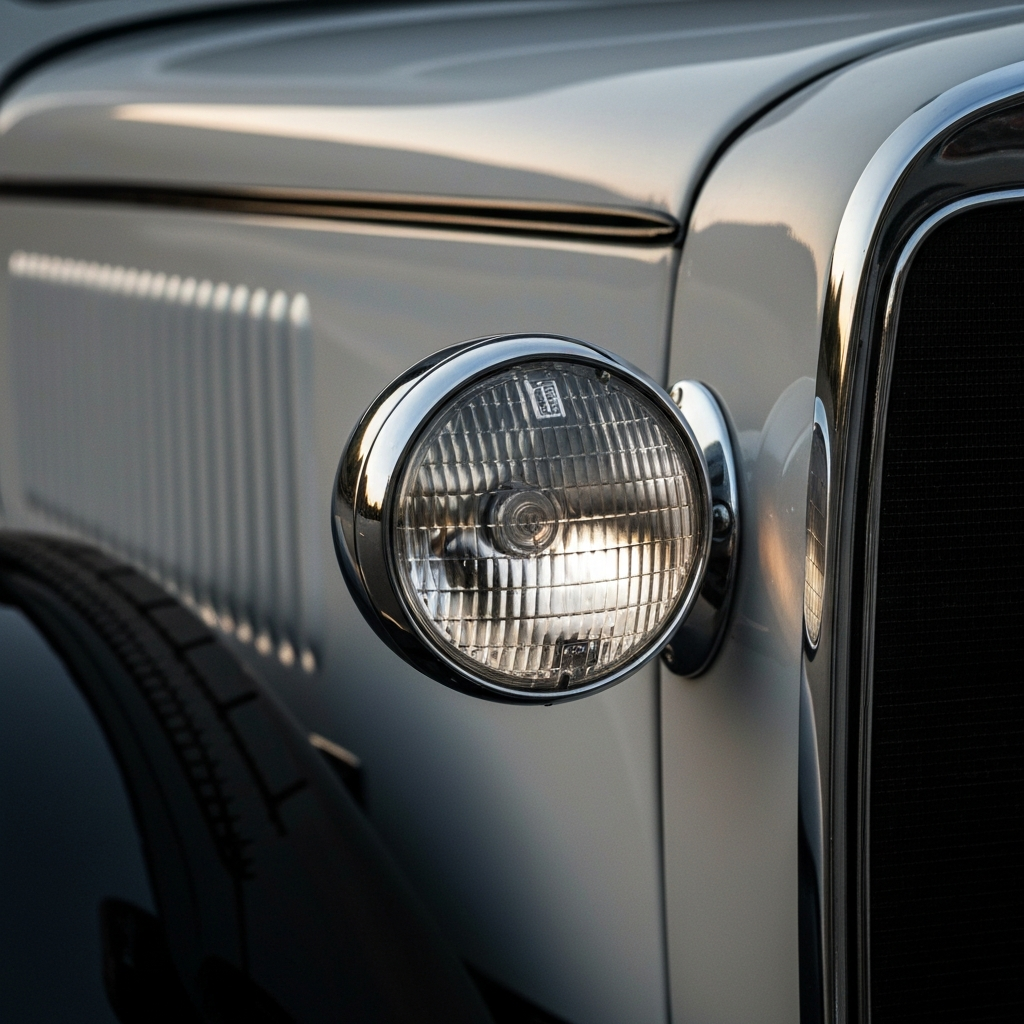
Cowl lights, or side lights, mounted on the cowl (the area between the hood and windshield) were an optional feature on the 1931 Model A. If present, their presence and style can aid in identification. While cowl lights were available in other years, examine the shape and mounting style. Ensure they are the correct type for a 1931, and not a later modification. Many owners added or removed cowl lights over the years, so their absence doesn't automatically disqualify a car as a 1931 model. However, if present, their specific design elements can be a helpful clue. Check for correct placement, wiring, and any aftermarket alterations.
Step 4: Inspect the Body Style and Features
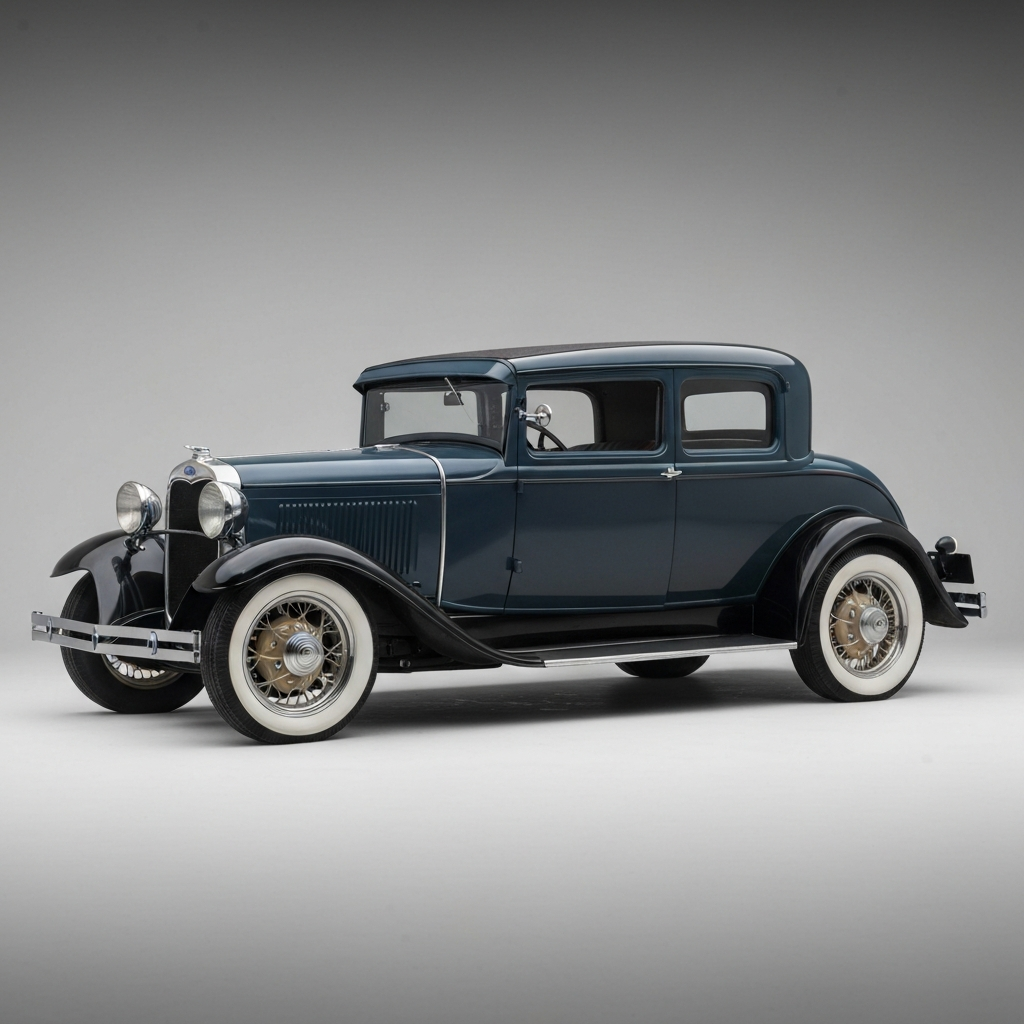
The 1931 Model A was available in a variety of body styles, including roadster, coupe, sedan, and truck variations. Familiarize yourself with the body styles that were offered that year. Look for any unique features or trim details specific to certain 1931 models. Pay particular attention to details like the placement of the spare tire (if equipped), the style of the bumpers, and the presence of any unique trim pieces. Keep in mind that body modifications were common. Rust repair or restoration efforts may obscure some original features. Compare the vehicle to known original examples.
Step 5: Examine the Engine and Mechanical Components
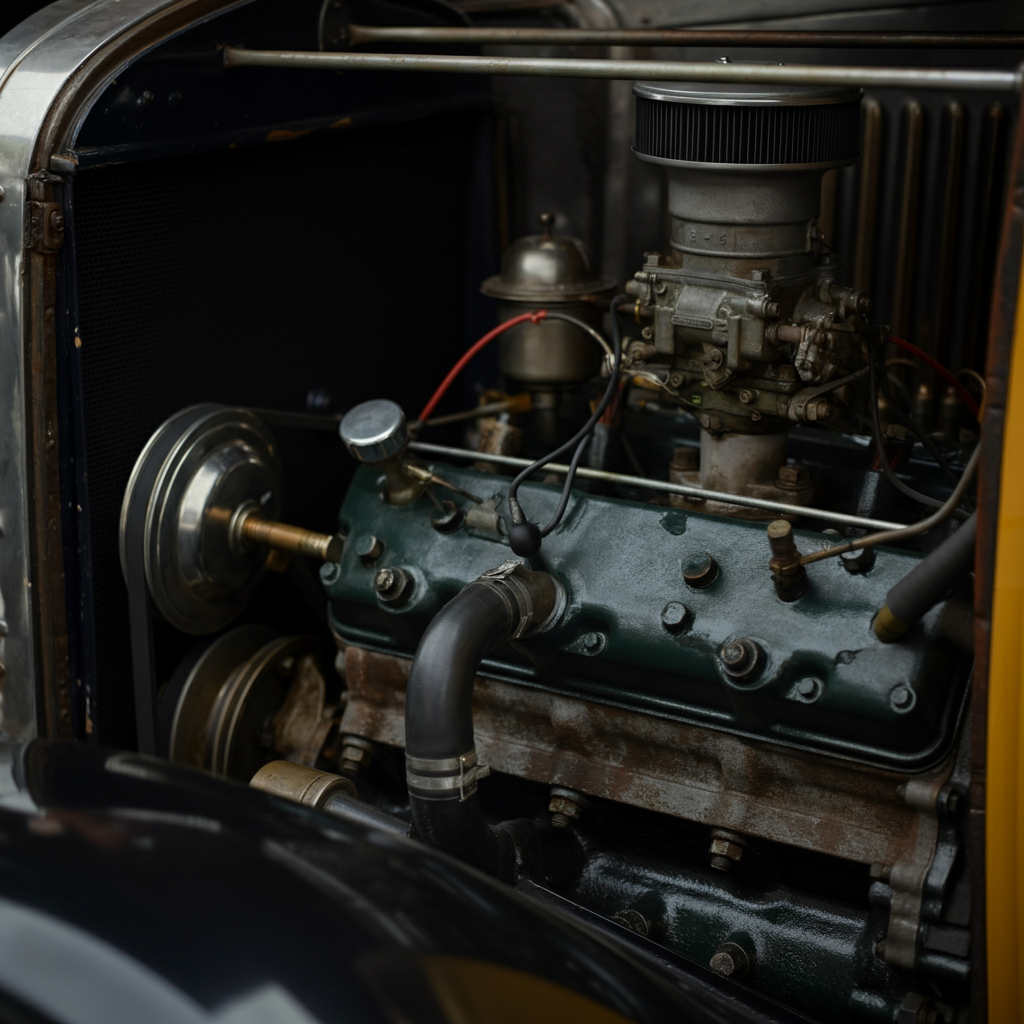
While engine swaps are common in older vehicles, understanding the original engine specifications can help in identification. The 1931 Model A was powered by a 201 cubic inch (3.3 L) L-head four-cylinder engine. The firing order for the engine is 1-2-4-3. The presence of original components like the carburetor, distributor, and generator can provide clues, although these parts may have been replaced over time. Inspect for any obvious modifications or non-original parts. Comparing the engine block casting numbers to known 1931 specifications can also be helpful, although this requires specialized knowledge and resources.
Tools or Materials Required
- Reference books or online resources for Model A specifications
- A flashlight for inspecting hard-to-reach areas
- A notepad and pen for recording observations
- Camera for documenting details
Common Mistakes to Avoid
- Assuming all Model A's are the same – there are significant year-to-year variations.
- Ignoring body modifications or restoration work that may obscure original features.
- Relying solely on one characteristic for identification – use multiple factors.
- Forgetting to check for aftermarket parts or replacements.
Pro Tips
- Attend Model A car shows and events to see original examples in person.
- Join Model A clubs and online forums to connect with experts and enthusiasts.
- Consult with experienced restorers or appraisers for a professional assessment.
FAQ Section
Q: Where can I find the VIN number on a 1931 Model A?
A: The VIN (Vehicle Identification Number) is typically located on the frame, usually near the engine or on the firewall. However, due to the age of these vehicles and potential restoration work, it may be difficult to locate or missing altogether. Records from the era are not as comprehensive as modern vehicle records.
Q: Are there any specific colors that were only available in 1931?
A: While color availability varied, researching the original paint charts for 1931 will reveal specific color options offered that year. Comparing the paint color to these charts can aid in verifying the vehicle's authenticity.
Conclusion
Identifying a 1931 Ford Model A requires careful observation and attention to detail. By examining the headlights, radiator shell, cowl lights (if equipped), body style, and engine components, you can confidently determine the year of manufacture. Remember to consult reference materials, seek expert advice, and be aware of potential modifications or restorations. With this guide, you'll be well-equipped to appreciate the unique characteristics of this iconic automobile.