Ah, "I know you are but what am I?" A phrase echoing through playgrounds and lunchrooms for generations. It's more than just a silly retort; it's a masterclass in deflection, a linguistic shield against verbal jabs. While seemingly simple, understanding its nuances and appropriate usage can elevate your comeback game from amateur hour to legendary status.
This phrase isn't about logic; it’s about mirroring. It takes the insult hurled your way and, with a playful twist, throws it right back at the aggressor. Think of it as verbal judo, using their momentum against them. But where did this peculiar saying originate, and how can you wield it effectively? This guide will provide a comprehensive exploration of this timeless phrase.
Whether you're aiming to defend yourself from a playground bully or simply wanting to add a touch of retro charm to your vocabulary, this guide will equip you with the knowledge to master the art of "I know you are but what am I." So, prepare to delve into the history, meaning, and practical applications of this iconic phrase.
1. Understanding the Core Meaning
At its heart, "I know you are but what am I?" serves as a deflection mechanism. Imagine a scenario: someone calls you "boring." Instead of getting defensive or launching a counter-attack, you calmly respond with "I know you are but what am I?" This cleverly implies that the accuser is, in fact, the boring one. The comeback isn't intended to be a logically sound argument, but rather a playful, albeit somewhat nonsensical, way to turn the insult back on the insulter.

2. Identifying Appropriate Situations
Context is crucial. This phrase thrives in lighthearted, casual settings. Picture a friendly banter session with friends or a playful exchange at a family gathering. Deploying it in a serious argument or professional setting could be perceived as immature or inappropriate. Save it for moments when a touch of playful silliness is warranted, not when genuine conflict resolution is required. Attempting to use this phrase in a formal debate, for instance, will likely be met with confusion and possibly even scorn.
3. Mastering the Delivery
The tone of voice is just as important as the words themselves. A condescending or aggressive delivery can completely negate the playful nature of the phrase, making you appear confrontational rather than witty. Aim for a light, teasing tone, almost as if you're sharing a private joke. A slight smirk can also enhance the effect, signaling that you're not taking the insult seriously. Conversely, shouting the phrase or delivering it with clenched fists will likely escalate the situation, achieving the opposite of your intended effect.
4. Tracing the Origins
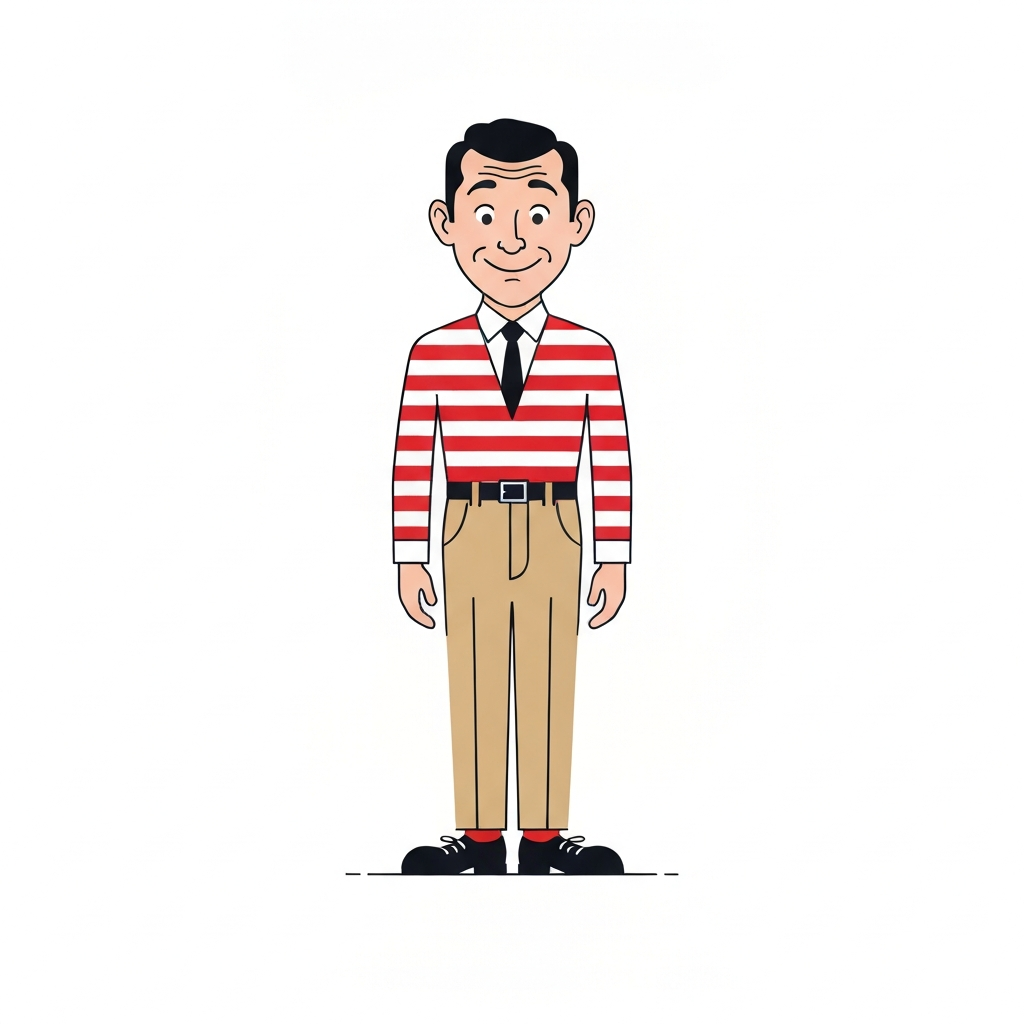
The exact origin of "I know you are but what am I?" remains somewhat shrouded in mystery. While popular belief attributes its widespread fame to Pee-wee Herman's iconic usage in "Pee-wee's Big Adventure" (1985), some sources suggest it may have appeared earlier in a 1957 issue of *The New Yorker*. Regardless of its precise genesis, Pee-wee's memorable repetition of the phrase solidified its place in pop culture history, introducing it to a new generation of playground enthusiasts and cementing its status as a timeless retort.
5. Exploring Variations and Alternatives
While the classic "I know you are but what am I?" is a reliable choice, exploring variations can add a touch of originality to your comebacks. Consider adapting the phrase to fit the specific insult, or combining it with other playful retorts like "I'm rubber, you're glue." The key is to maintain the spirit of playful deflection while adding your personal flair. Be cautious not to overcomplicate the phrase, as its simplicity is part of its charm. Overly elaborate variations may lose the intended effect and simply sound confusing.
6. Recognizing Limitations
It's crucial to acknowledge that "I know you are but what am I?" is not a universal solution for all insults. It's primarily effective against childish or nonsensical jabs, not against genuine criticism or constructive feedback. Using it in response to legitimate concerns can make you appear dismissive and unwilling to engage in meaningful dialogue. Choose your battles wisely, and reserve this phrase for situations where a lighthearted deflection is the most appropriate course of action. For instance, if your boss criticizes your work performance, responding with this phrase would be highly inappropriate and could have negative consequences.
7. Knowing When to Walk Away
Sometimes, the best defense is simply to disengage. If the other person persists with their insults or if the situation begins to escalate, it's perfectly acceptable to walk away. Engaging in a prolonged back-and-forth, even with witty comebacks, can be emotionally draining and ultimately unproductive. Recognizing when a situation is becoming toxic and choosing to remove yourself is a sign of maturity and self-respect. Remember, not every insult deserves a response.
Common Mistakes to Avoid
- Using the phrase in serious situations.
- Delivering the phrase with an aggressive tone.
- Overusing the phrase, rendering it repetitive and annoying.
- Misunderstanding the context and applying it inappropriately.
- Expecting it to resolve genuine conflicts.
FAQ Section
- Is "I know you are but what am I?" considered rude?
- It can be, depending on the context and delivery. In playful situations, it's generally considered harmless banter. However, using it in serious or formal settings can be perceived as disrespectful.
- Does this phrase actually solve anything?
- No, it doesn't solve problems. It's primarily a deflection tactic, designed to diffuse tension or provide a moment of amusement.
- Is it ever appropriate to use this phrase with adults?
- Yes, in casual settings among friends who understand the playful nature of the phrase. However, it's generally best to avoid using it in professional or formal interactions.
Conclusion
"I know you are but what am I?" is more than just a childish retort; it's a cultural touchstone, a reminder of simpler times, and a testament to the enduring power of playful language. By understanding its nuances, recognizing its limitations, and mastering the art of delivery, you can wield this phrase with confidence and add a touch of retro charm to your interactions. Just remember to use it responsibly, and always prioritize respectful communication over witty comebacks when genuine dialogue is needed.