Everyone possesses a unique creative spark, waiting to be ignited. This guide is designed to help you discover and nurture your artistic potential, regardless of your background or perceived talent. Creative expression isn't about perfection; it's about exploration, experimentation, and finding joy in the process. Don't be intimidated by the idea of "art" – think of it as a form of communication, a way to translate your thoughts, feelings, and observations into a tangible form.
This journey of artistic discovery begins with understanding yourself and what inspires you. We'll explore various mediums, techniques, and exercises to help you find your niche and develop your own unique style. Remember, the most important thing is to have fun and embrace the freedom of self-expression. There are no right or wrong answers in art, only opportunities to learn and grow. Let's begin!
Prepare to step outside your comfort zone and challenge your preconceived notions about art and creativity. You might surprise yourself with what you're capable of creating. The following steps will provide a framework for your artistic exploration, offering guidance and encouragement along the way.
Step 1: Discover Your Creative Interests
Identify Your Passions
Before diving into specific art forms, take some time to reflect on your interests and passions. What subjects fascinate you? What colors, textures, or sounds do you find appealing? What stories do you want to tell? Your passions will fuel your creative endeavors and make the process more enjoyable. Consider writing down a list of things that bring you joy or spark your curiosity. These could be anything from nature and animals to history and science fiction. The key is to identify the themes and subjects that resonate with you on a deeper level.

Step 2: Explore Different Art Forms
Experiment with Various Mediums
Don't limit yourself to one particular art form. Experiment with drawing, painting, sculpting, photography, writing, music, dance, or any other medium that piques your interest. Each medium offers a unique set of challenges and opportunities for creative expression. Trying different mediums can help you discover your strengths and preferences. Consider taking introductory classes or workshops to learn the basics of each art form. There are also countless online resources available to help you get started. Remember, the goal is to explore and have fun, not to become a master overnight.
Step 3: Embrace Imperfection
Let Go of the Need for Perfection
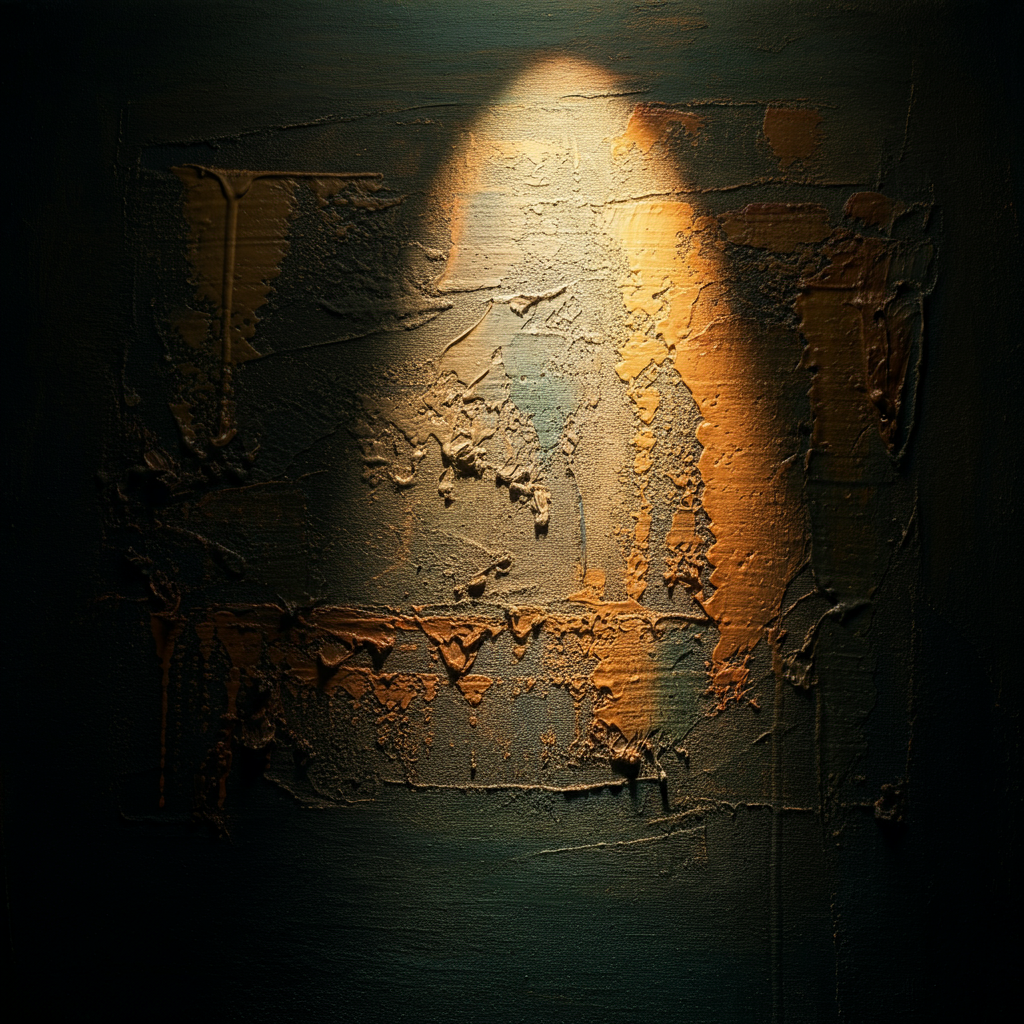
One of the biggest obstacles to creative expression is the fear of making mistakes. Perfectionism can stifle creativity and prevent you from taking risks. Instead of striving for perfection, embrace imperfection and view mistakes as opportunities for learning and growth. Don't be afraid to experiment, try new things, and make messes. The most important thing is to keep creating and allow yourself to make mistakes along the way. Analyze your "mistakes" - often unexpected beauty emerges from them.
Step 4: Practice Regularly
Make Time for Creative Practice
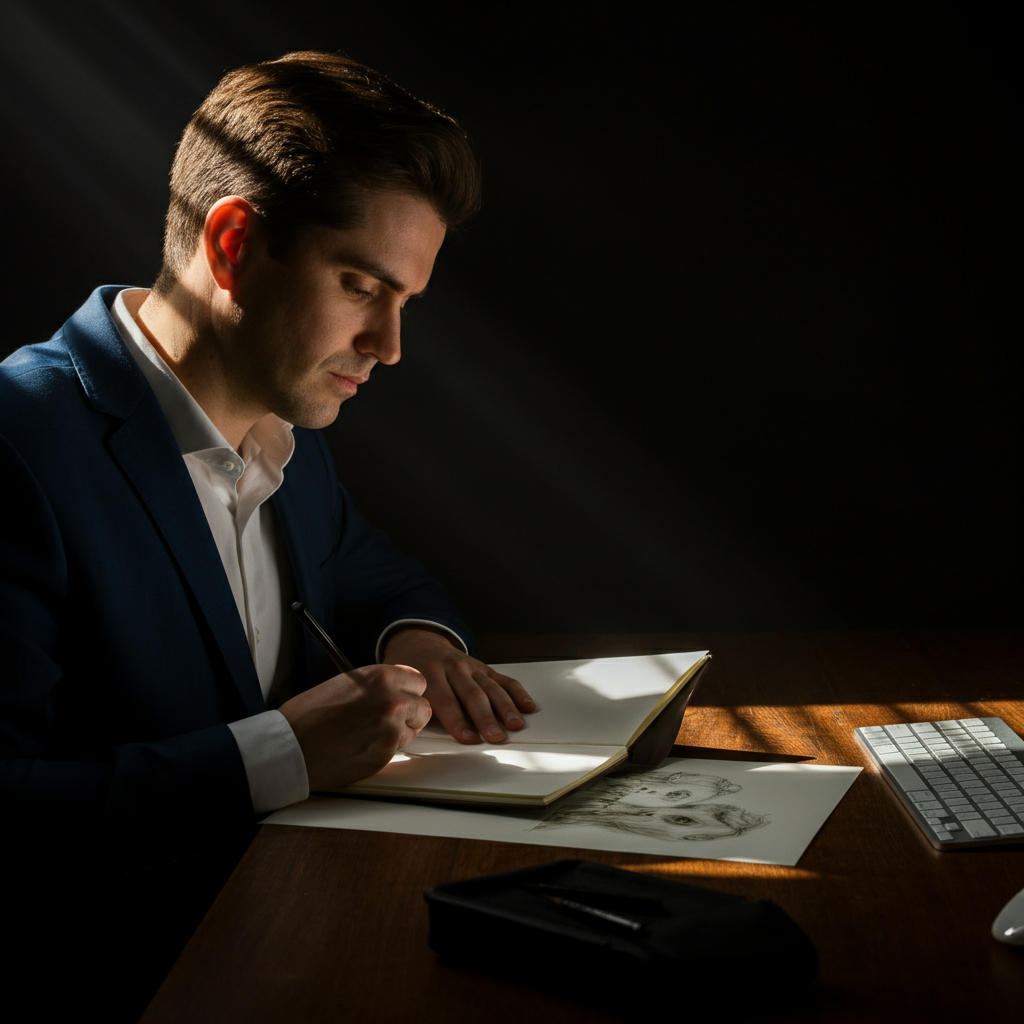
Like any skill, creative expression requires practice. Set aside some time each day or week to dedicate to your artistic pursuits. Even if it's just for 15-30 minutes, regular practice can help you develop your skills and build confidence. Consistency is key to progress. Treat your creative practice as a form of self-care and make it a priority in your life. Find a quiet and comfortable space where you can focus without distractions.
Step 5: Seek Inspiration
Surround Yourself with Creative Stimuli
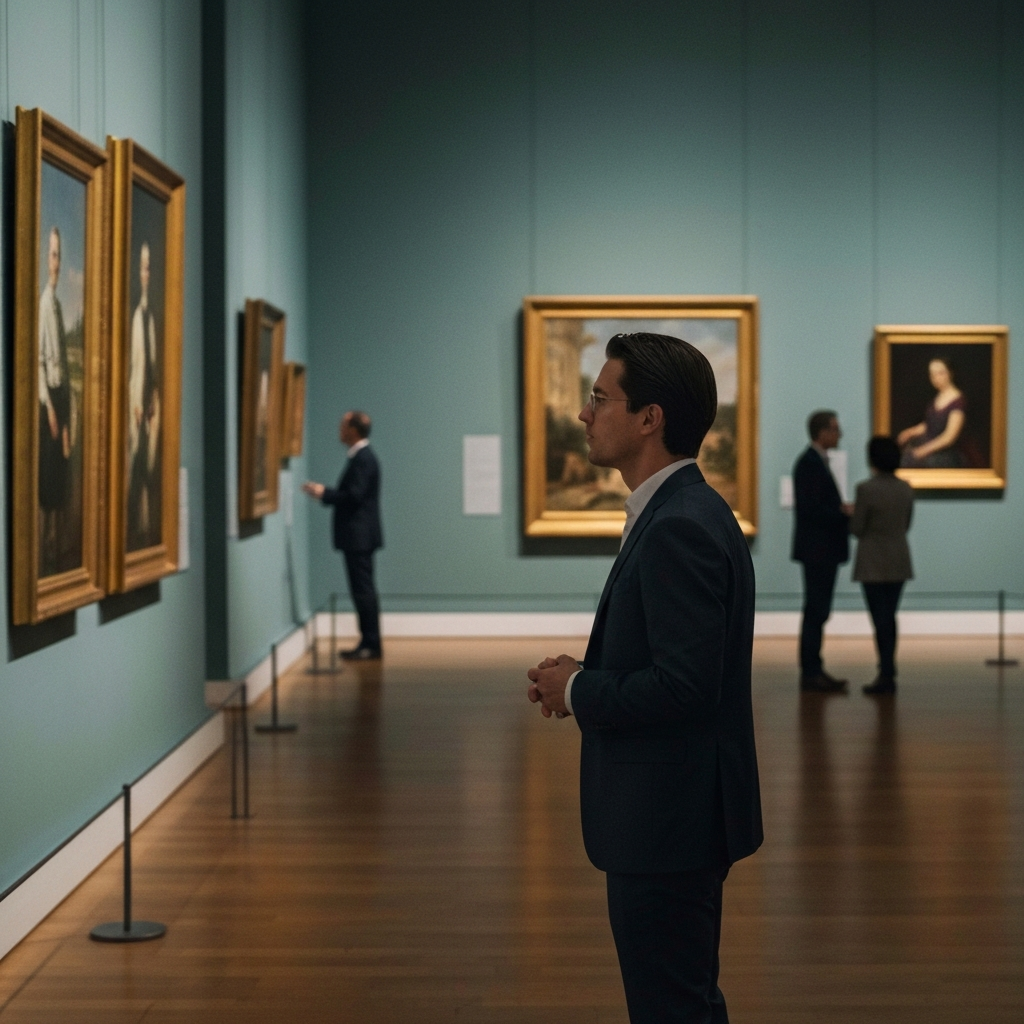
Inspiration can come from anywhere – nature, music, art, literature, conversations, or even everyday experiences. Pay attention to the world around you and be open to new ideas. Visit museums, art galleries, concerts, and theaters to expose yourself to different forms of art. Read books, listen to music, and watch movies that inspire you. Surround yourself with people who are creative and supportive. Keep a sketchbook or journal to jot down ideas, sketches, and observations.
Tools or Materials Required
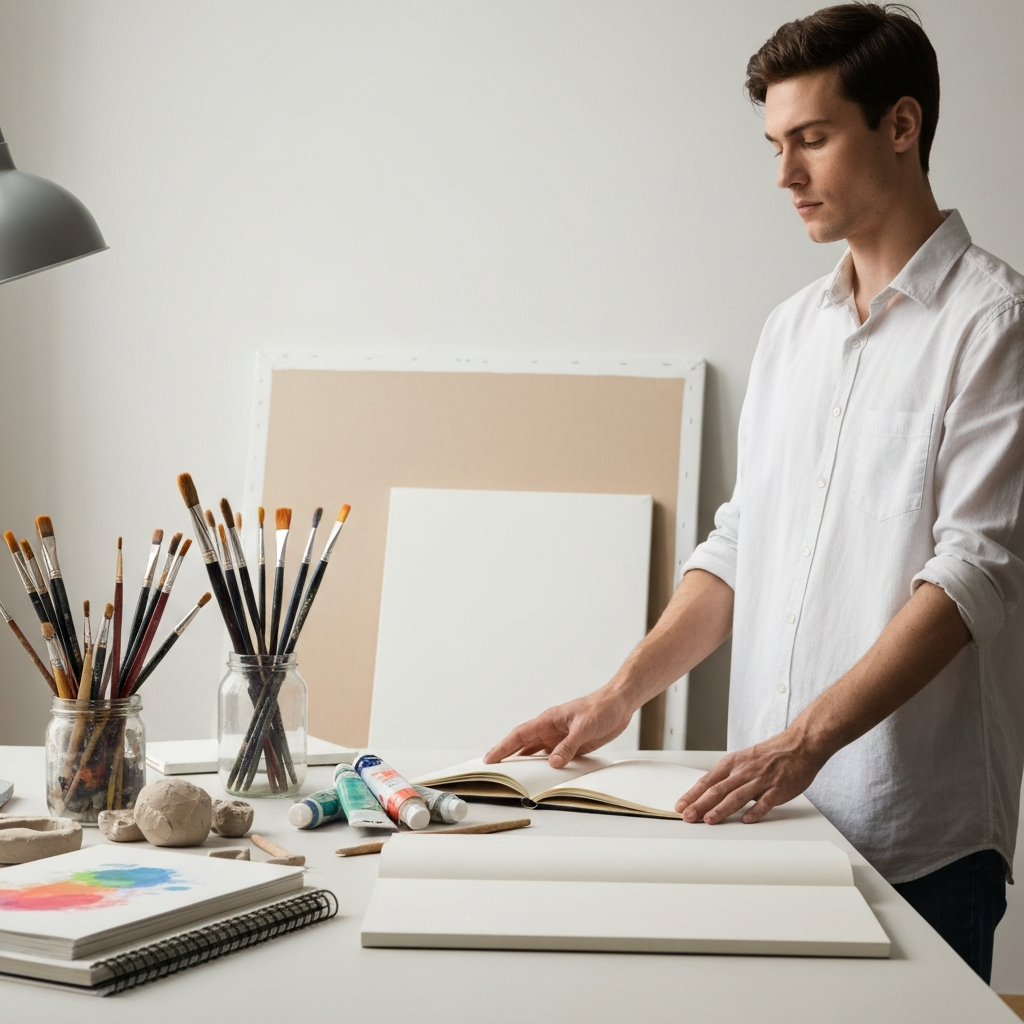
The specific tools and materials will vary depending on the art form you choose to explore. However, some basic supplies that are useful for beginners include: sketchbook, pencils, erasers, paintbrushes, paints, paper, clay, sculpting tools, camera, and musical instrument. Start with basic and affordable materials before investing in more expensive equipment. Research online to find recommended starter kits for your chosen medium.
Common Mistakes to Avoid
One common mistake is comparing yourself to others. Remember that everyone is on their own unique creative journey. Another mistake is being too critical of your own work. Focus on the process of creating rather than the end result. Don't be afraid to experiment and try new things. And most importantly, don't give up! Keep practicing and exploring, and you will eventually find your own unique voice.
FAQ Section
Q: I don't think I'm creative. Is this guide still for me?
A: Absolutely! Everyone has the potential to be creative. This guide is designed to help you unlock your inner artiste, regardless of your perceived talent.
Q: What if I don't have a lot of time?
A: Even dedicating just a few minutes each day to creative practice can make a big difference. Find small pockets of time throughout your day to explore your artistic interests.
Q: What if I'm afraid of making mistakes?
A: Mistakes are a natural part of the creative process. Embrace them as opportunities for learning and growth.
Conclusion
Unleashing your inner artiste is a journey of self-discovery and creative exploration. By identifying your passions, experimenting with different art forms, embracing imperfection, practicing regularly, and seeking inspiration, you can develop your skills and find your own unique voice. Remember that the most important thing is to have fun and enjoy the process. So, go forth and create! The world awaits your artistic expression.