Staying fit doesn't always require a gym membership or fancy equipment. In today's world, it's entirely possible to achieve your fitness goals within the comfort of your own home. All it takes is a bit of creativity, discipline, and the right knowledge. This guide is designed to equip you with practical strategies and expert insights to transform your home into a personal fitness sanctuary.
We'll explore everything from crafting effective workout routines using minimal equipment to mastering the art of healthy eating habits that complement your fitness efforts. The key is consistency and a commitment to making small, sustainable changes that add up to significant results over time. So, ditch the excuses and get ready to unlock your fitness potential without ever stepping foot outside your door.
Let's embark on this transformative journey together, empowering you to take control of your health and well-being from the convenience of your own home. Get ready to sweat, challenge yourself, and witness the incredible power of at-home fitness.
Step 1: Define Your Fitness Goals
Before diving into any workout routine, it's crucial to define your fitness goals. Are you aiming to lose weight, build muscle, improve cardiovascular health, or simply boost your overall well-being? Knowing your "why" will provide you with the motivation and direction needed to stay consistent. Be specific and realistic. Instead of saying "I want to get fit," try "I want to lose 10 pounds in the next three months" or "I want to be able to do 20 push-ups by the end of the year." This clarity will also help you tailor your workouts and diet to achieve optimal results. Don't fall into the trap of comparing yourself to others; focus on your personal journey and celebrate your progress along the way.

Step 2: Create a Dedicated Workout Space
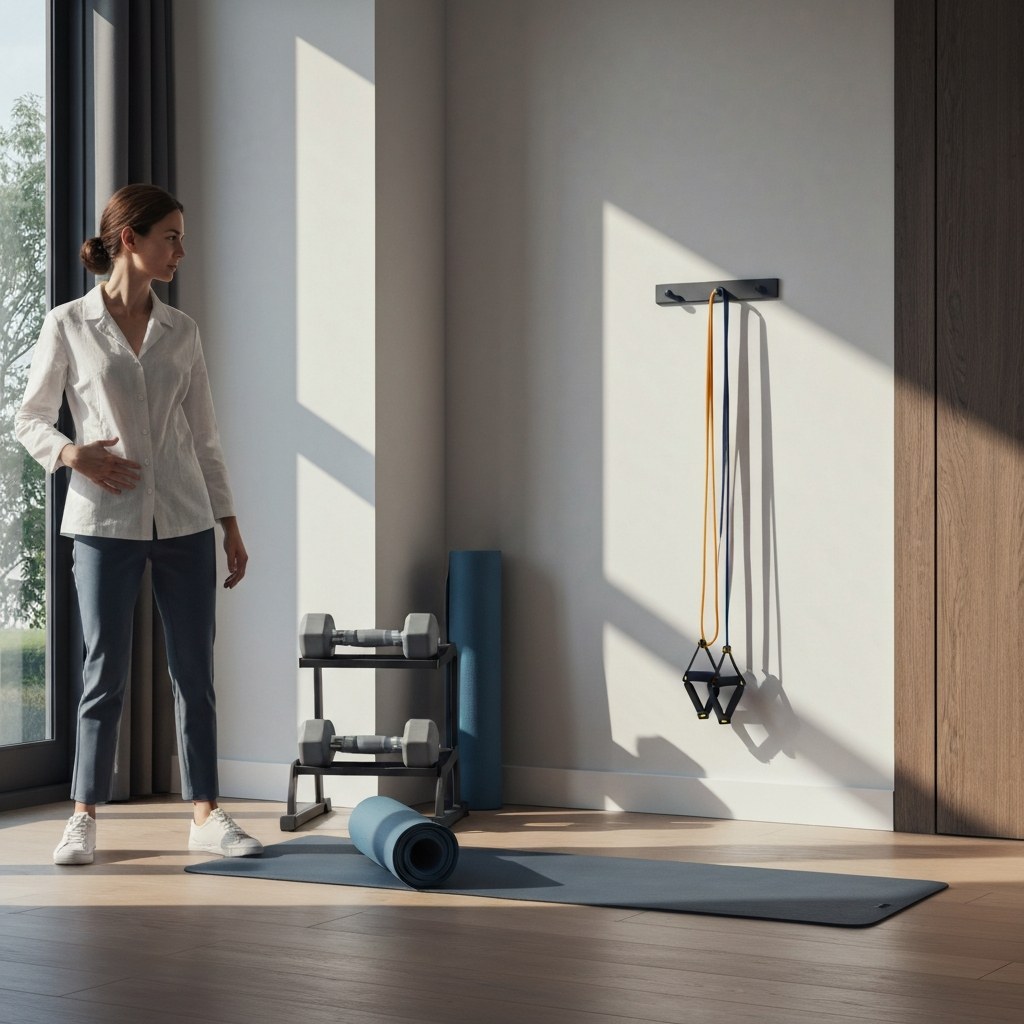
Designating a specific area in your home for workouts can significantly enhance your motivation and focus. This space doesn't need to be large or elaborate; even a small corner of a room will suffice. The key is to make it inviting and free from distractions. Clear the area of clutter, and consider adding elements that inspire you, such as motivational posters, plants, or your favorite workout equipment. Ensure proper ventilation and lighting for a comfortable workout environment. Having a dedicated space will help you mentally prepare for your workouts and minimize the temptation to skip them.
Step 3: Design a Versatile Workout Routine
The beauty of at-home fitness is its versatility. You can design a workout routine that suits your individual needs and preferences. Incorporate a mix of cardio, strength training, and flexibility exercises for a well-rounded approach. For cardio, consider activities like jumping jacks, high knees, burpees, or running in place. Strength training can be done using bodyweight exercises such as push-ups, squats, lunges, and planks. Resistance bands can also be a valuable addition for added intensity. Don't forget to include stretching and mobility exercises to improve flexibility and prevent injuries. Aim for at least 30 minutes of exercise most days of the week, and gradually increase the duration and intensity as you get stronger.
Step 4: Master Bodyweight Exercises
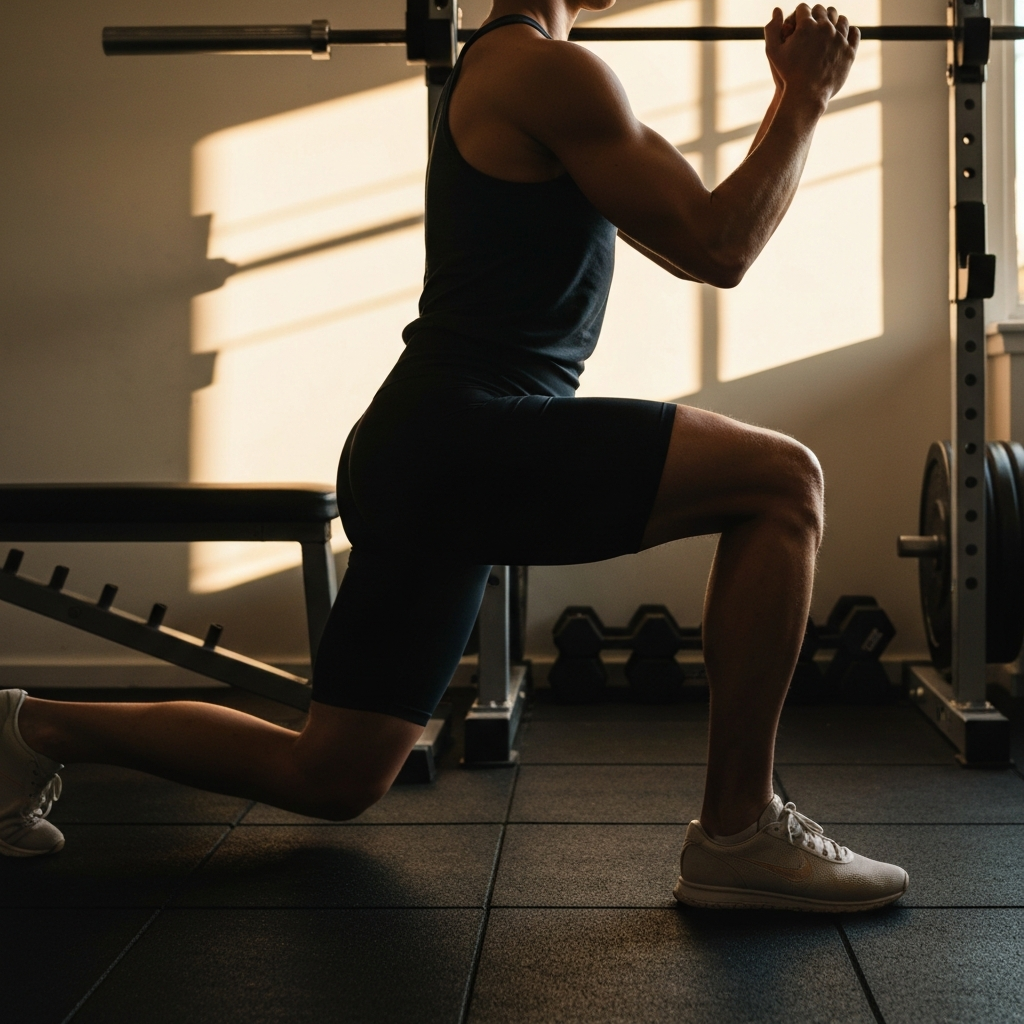
Bodyweight exercises are the cornerstone of effective at-home fitness. They require no equipment and can be modified to suit various fitness levels. Focus on mastering the fundamental movements, such as squats, push-ups, lunges, planks, and rows (using a sturdy table or chair). Pay close attention to your form to avoid injuries. Start with a manageable number of repetitions and gradually increase the volume as you get stronger. Explore variations of these exercises to challenge yourself further. For example, try incline push-ups, pistol squats, or plank variations. Remember to engage your core throughout each exercise for maximum benefit.

Step 5: Incorporate Resistance Bands
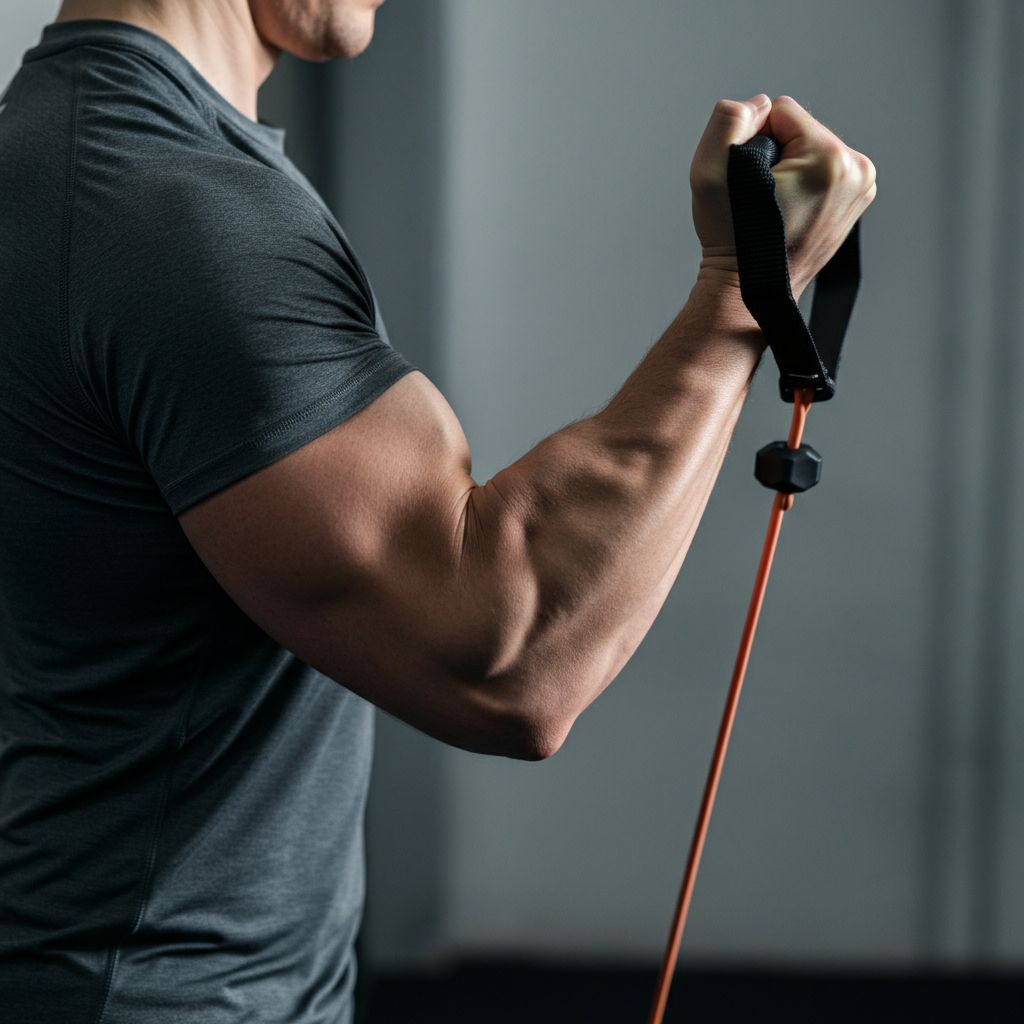
Resistance bands are a fantastic and affordable way to add intensity to your at-home workouts. They provide variable resistance throughout the range of motion, challenging your muscles in a unique way. Use resistance bands to enhance exercises like squats, lunges, rows, bicep curls, and tricep extensions. Choose bands with varying levels of resistance to progress as you get stronger. Be sure to anchor the bands securely to avoid snapping and potential injuries. Explore online resources for a plethora of resistance band exercises and workout routines.
Step 6: Prioritize Proper Nutrition
Fitness is not just about exercise; it's also about fueling your body with the right nutrients. Focus on a balanced diet that includes plenty of fruits, vegetables, lean proteins, and whole grains. Limit your intake of processed foods, sugary drinks, and unhealthy fats. Plan your meals in advance to avoid impulsive unhealthy choices. Pay attention to portion sizes and calorie intake. Stay hydrated by drinking plenty of water throughout the day. Consider consulting a registered dietitian or nutritionist for personalized dietary advice.

Step 7: Track Your Progress
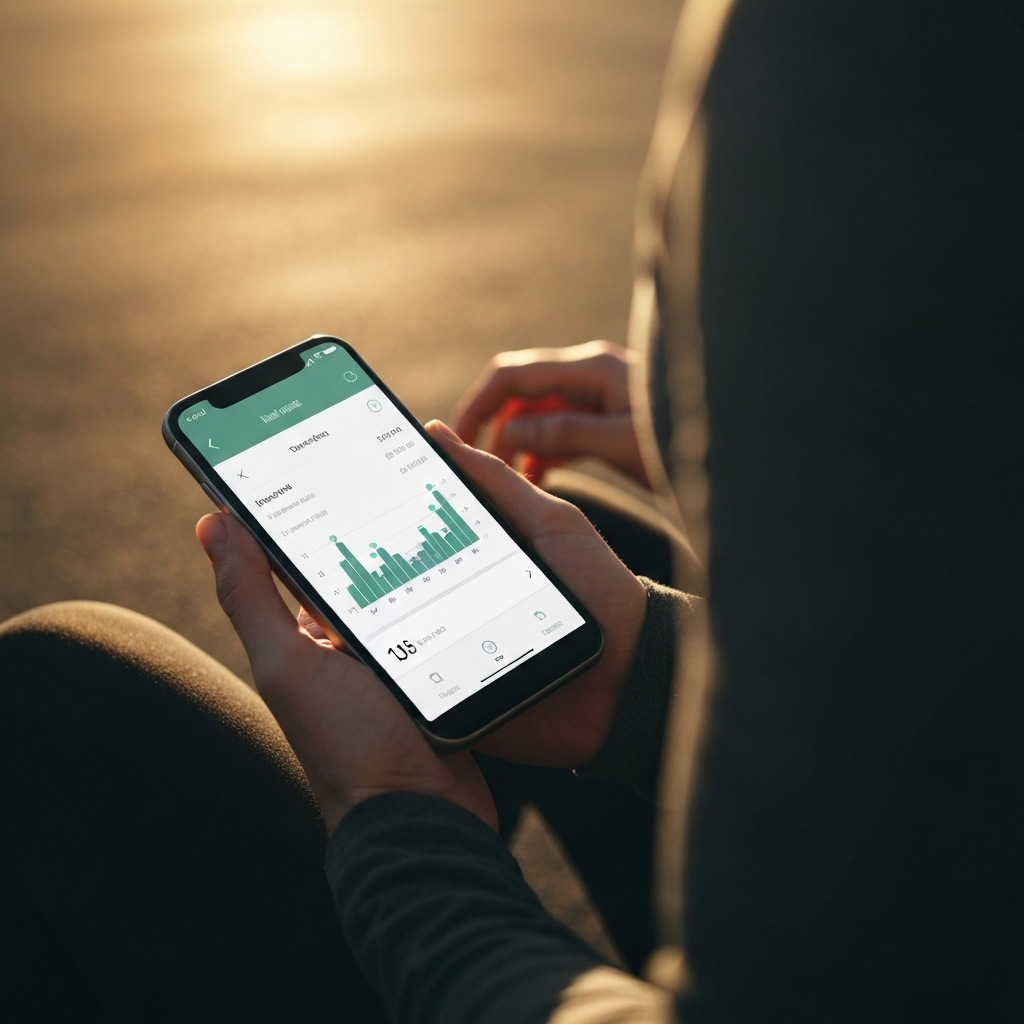
Monitoring your progress is essential for staying motivated and making adjustments to your fitness plan. Keep track of your workouts, including the exercises you perform, the number of repetitions, and the sets you complete. Measure your body weight, body fat percentage, and other relevant metrics regularly. Take photos of yourself periodically to visually track your transformation. Use a fitness journal, a smartphone app, or a spreadsheet to record your data. Analyze your progress to identify what's working and what's not, and make necessary changes to optimize your results.
Step 8: Stay Consistent and Patient
Consistency is the key to achieving lasting fitness results. It's important to understand that progress takes time, and there will be ups and downs along the way. Don't get discouraged by setbacks; instead, view them as learning opportunities. Make fitness a non-negotiable part of your daily routine. Find an accountability partner to help you stay on track. Celebrate your achievements, no matter how small they may seem. Remember that even a little bit of exercise is better than none at all. Be patient and persistent, and you will eventually reach your fitness goals.
Safety Considerations
Before starting any new workout routine, it's essential to consult with your doctor, especially if you have any underlying health conditions. Always warm up before exercising and cool down afterward to prevent injuries. Use proper form when performing exercises. If you experience any pain, stop immediately and seek medical advice. Stay hydrated by drinking plenty of water during your workouts. Listen to your body and don't push yourself too hard, especially when you're just starting out. Avoid exercising on an empty stomach. Create a safe workout environment by clearing any obstacles and ensuring adequate ventilation.
Common Mistakes to Avoid
- Skipping warm-ups and cool-downs
- Using incorrect form
- Overdoing it too soon
- Not tracking progress
- Neglecting nutrition
- Being impatient and giving up too easily
Pro Tips
- Vary your workout routine to prevent boredom and plateaus.
- Listen to music or podcasts to stay motivated.
- Find an online workout buddy for accountability.
- Reward yourself for achieving milestones (with non-food rewards).
- Prioritize sleep for optimal recovery.
FAQ Section
Q: How often should I workout at home?
A: Aim for at least 3-5 times per week, depending on your fitness goals and current fitness level.
Q: What equipment do I need for at-home workouts?
A: You can start with just your bodyweight! As you progress, consider adding resistance bands, dumbbells, or a yoga mat.
Q: How can I stay motivated to workout at home?
A: Set realistic goals, find an accountability partner, and reward yourself for achieving milestones.
Q: What if I don't have much space for a home gym?
A: You don't need a lot of space! Bodyweight exercises and resistance band workouts can be done in a small area.
Conclusion
Leveling up your fitness game without leaving home is entirely achievable with the right approach. By defining your goals, creating a dedicated workout space, designing a versatile workout routine, prioritizing proper nutrition, and staying consistent, you can transform your home into a personal fitness sanctuary. Remember to listen to your body, track your progress, and celebrate your achievements along the way. Embrace the convenience and flexibility of at-home fitness, and unlock your full potential for a healthier, happier you.