Embarking on a fitness journey can feel daunting, but with the right approach, it's entirely achievable. This blueprint provides a structured path for beginners to transform their health and well-being. Forget the quick-fix fads; we're focusing on sustainable habits that will lead to long-term results. This journey is not just about physical transformation but also about building a resilient mindset.
This guide breaks down the process into manageable steps, ensuring you don't get overwhelmed. We’ll cover everything from setting realistic goals and creating a workout plan to mastering proper nutrition and prioritizing recovery. Remember, consistency is key, and progress, not perfection, is the ultimate goal.
Consider this your starting point, a foundation upon which you’ll build a healthier and happier you. Are you ready to begin? Let's get started and level up your fitness game, one step at a time.
Step 1: Define Your Fitness Goals
Before jumping into workouts, take a moment to clearly define your fitness goals. Are you aiming to lose weight, gain muscle, improve endurance, or simply enhance your overall well-being? Having a specific, measurable, achievable, relevant, and time-bound (SMART) goal is crucial for staying motivated and tracking progress. Write them down and revisit them regularly to stay focused.

Step 2: Create a Realistic Workout Schedule
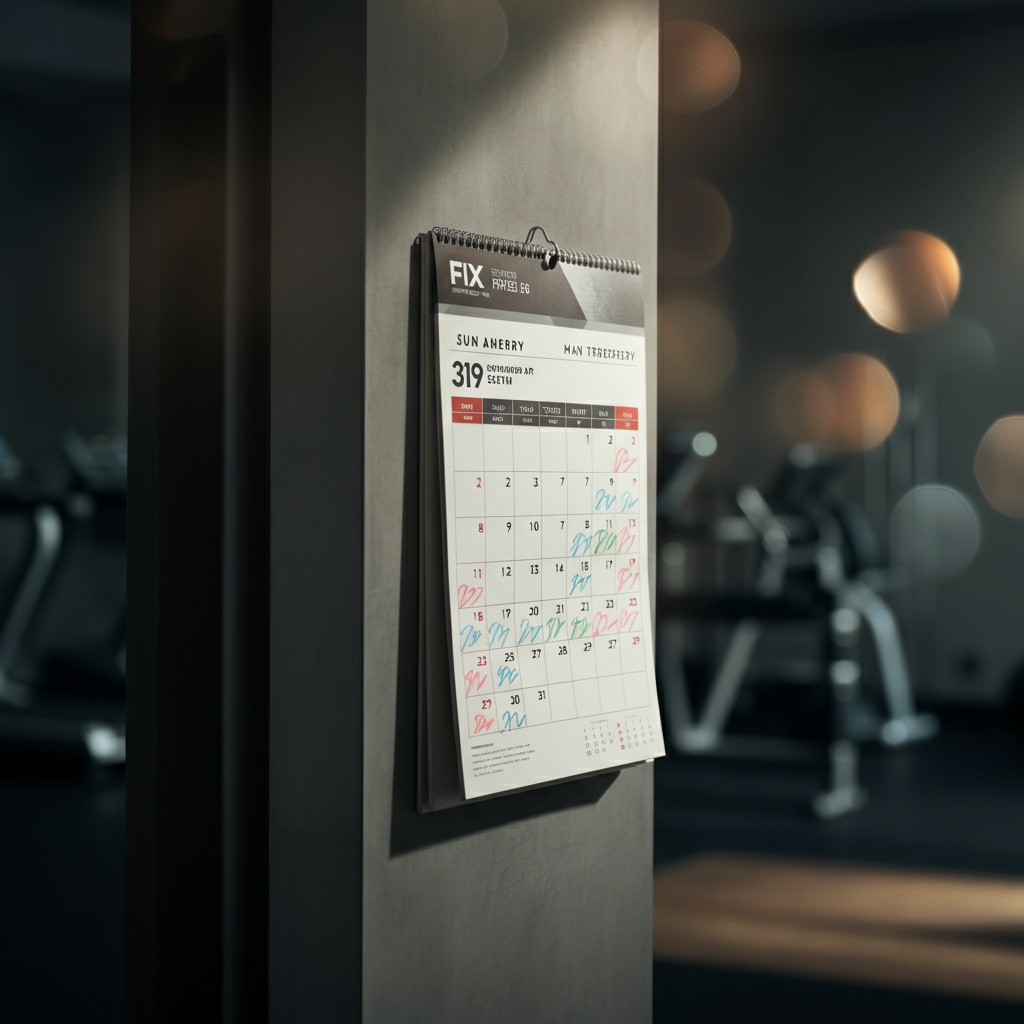
Consistency is paramount, so creating a workout schedule that fits into your lifestyle is essential. Start with 2-3 workouts per week and gradually increase the frequency and intensity as your fitness level improves. Don't try to do too much too soon; it will only lead to burnout and injuries. Choose activities you genuinely enjoy, whether it's brisk walking, jogging, swimming, cycling, or dancing. If you don't enjoy it, you won't stick with it.
Step 3: Master the Fundamentals of Exercise
Begin with the basics. Focus on proper form and technique before adding weight or increasing intensity. Incorrect form can lead to injuries, so it’s crucial to learn how to perform each exercise correctly. Consider hiring a certified personal trainer or watching instructional videos from reputable sources. Include exercises that target all major muscle groups: legs, back, chest, shoulders, arms, and core.

Step 4: Fuel Your Body with Proper Nutrition
Exercise is only one piece of the puzzle. Nutrition plays a vital role in achieving your fitness goals. Focus on eating whole, unprocessed foods, including plenty of fruits, vegetables, lean protein, and whole grains. Avoid sugary drinks, processed snacks, and excessive amounts of unhealthy fats. Pay attention to portion sizes and caloric intake to ensure you're fueling your body adequately for your activity level. Consider consulting a registered dietitian for personalized advice.

Step 5: Prioritize Rest and Recovery
Rest and recovery are just as important as exercise. Your muscles need time to repair and rebuild after workouts. Aim for at least 7-8 hours of quality sleep each night. Overtraining can lead to fatigue, injuries, and decreased performance. Incorporate rest days into your workout schedule and listen to your body. If you're feeling sore or fatigued, take a break.

Step 6: Track Your Progress and Stay Accountable
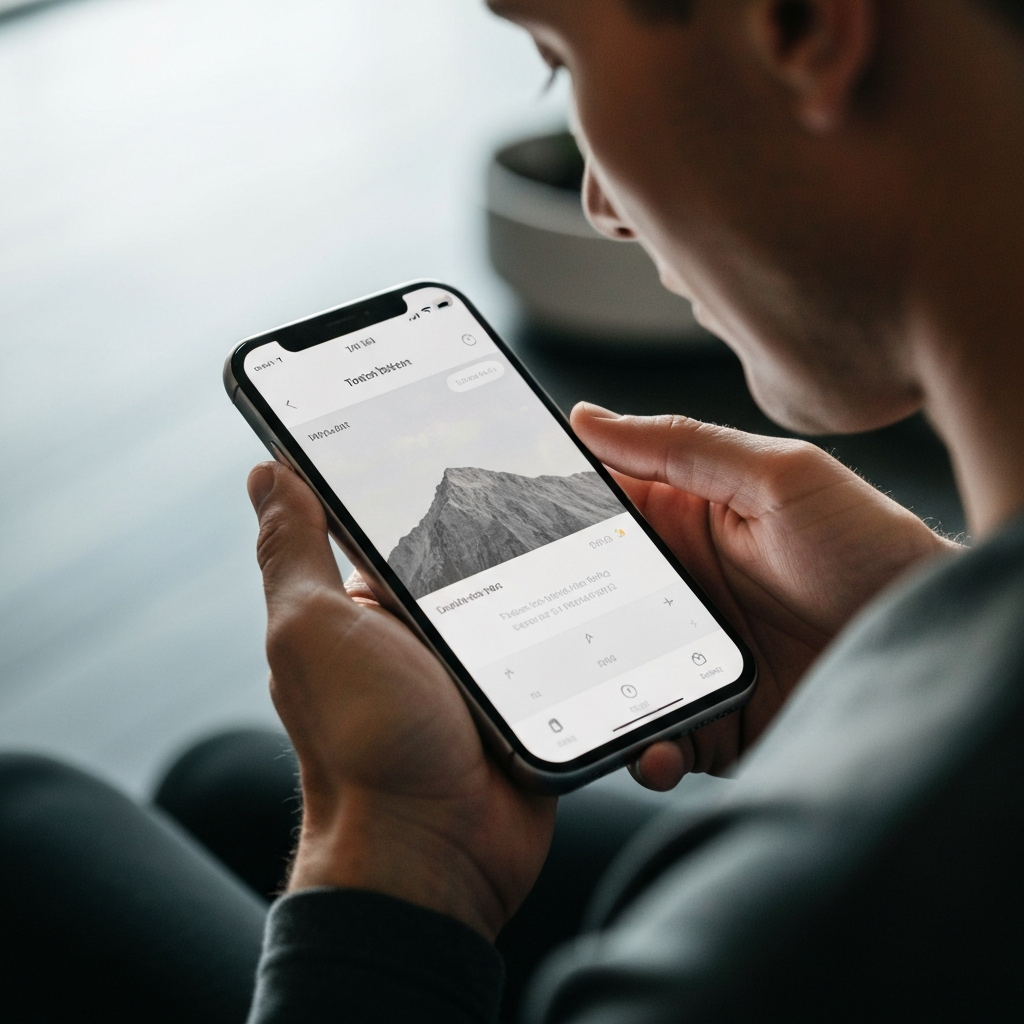
Keep track of your progress by recording your workouts, meals, and measurements. This will help you stay motivated and identify areas where you need to make adjustments. Consider using a fitness tracker, journal, or app to monitor your activity levels and caloric intake. Find an accountability partner, such as a friend, family member, or online community, to help you stay on track. Sharing your goals and progress with others can provide support and encouragement.
Step 7: Stay Hydrated
Water is essential for nearly every bodily function, including muscle function and energy levels. Dehydration can lead to fatigue, muscle cramps, and decreased performance. Aim to drink at least eight glasses of water per day, and even more if you're exercising intensely. Carry a water bottle with you throughout the day and sip on it regularly.

Common Mistakes to Avoid
Many beginners make common mistakes that can hinder their progress. These include starting too fast, neglecting proper form, not prioritizing rest, and following fad diets. Avoid these pitfalls by taking a gradual and sustainable approach to fitness. Remember, it's a marathon, not a sprint.
FAQ Section
Q: How long does it take to see results?
A: Results vary depending on individual factors such as genetics, diet, and consistency. However, you can expect to see noticeable changes in your energy levels and body composition within a few weeks of consistent effort.
Q: Do I need to join a gym?
A: No, you don't need to join a gym to get fit. There are plenty of exercises you can do at home with minimal equipment. Bodyweight exercises, such as push-ups, squats, and lunges, are a great starting point.
Q: What if I miss a workout?
A: Don't beat yourself up over it. Just get back on track with your next scheduled workout. Consistency is more important than perfection.
Conclusion
Leveling up your fitness game is a journey, not a destination. By following these steps, you can create a sustainable and enjoyable fitness routine that will transform your health and well-being. Remember to set realistic goals, master the fundamentals, fuel your body with proper nutrition, prioritize rest, and track your progress. Stay consistent, stay patient, and celebrate your achievements along the way. You've got this!