Effective communication is the cornerstone of impactful education. Whether you're a teacher, administrator, student, or parent, your ability to clearly articulate ideas, actively listen, and foster open dialogue directly influences learning outcomes. This guide will provide you with practical strategies to enhance your communication skills and create a more engaging and productive educational environment.
In the realm of education, merely transmitting information isn't enough. We need to ignite passion, spark curiosity, and inspire action. That requires a deliberate approach to communication that goes beyond textbooks and lectures. This means understanding your audience, tailoring your message, and creating a space where everyone feels empowered to contribute.
This "how-to" guide is designed to equip you with the tools and techniques necessary to master communication in education. By following these steps, you can transform your interactions, unlock the potential of your students, and build a thriving learning community. Let's embark on this journey together, transforming the way we communicate and, in doing so, transforming education itself.
Remember, mastering communication is an ongoing process of learning and adaptation. Be patient with yourself, embrace challenges, and celebrate your successes along the way.
Step 1: Cultivate Active Listening Skills
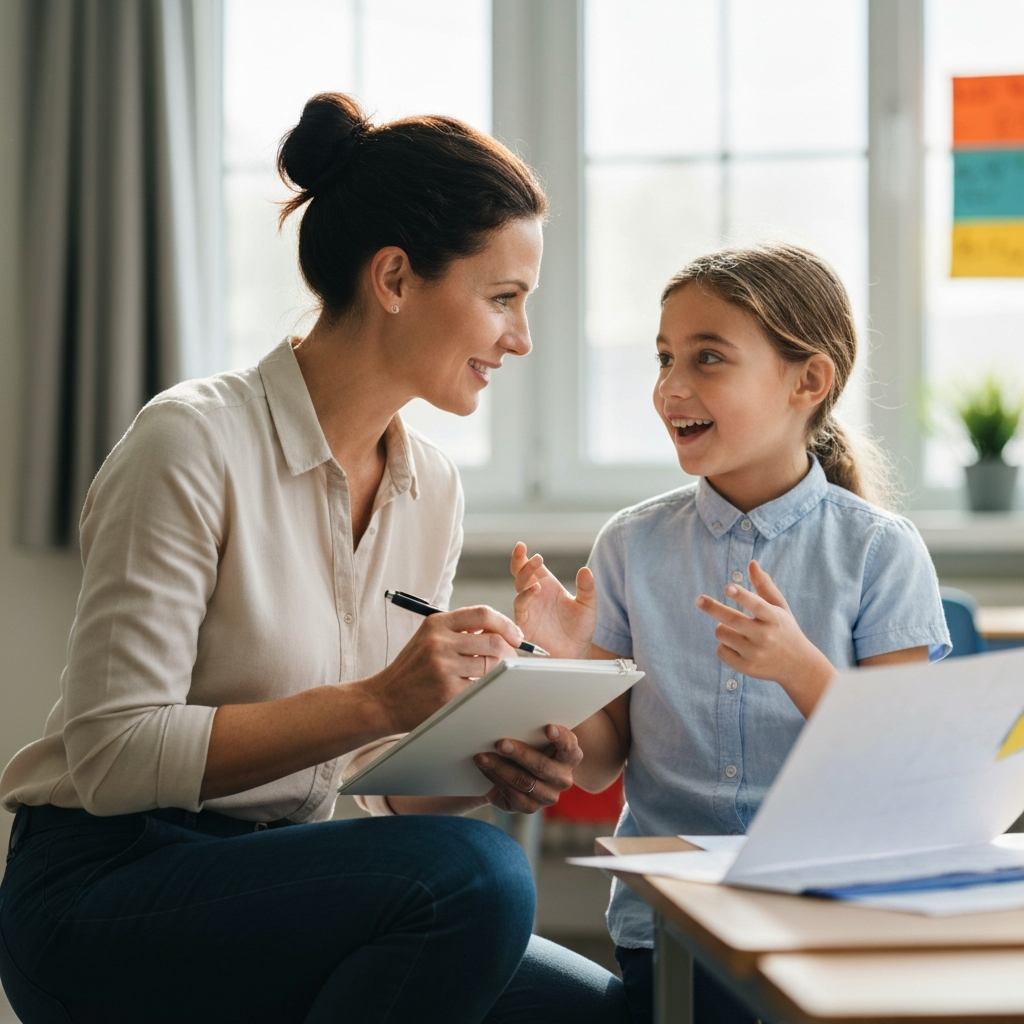
Active listening is more than just hearing words; it's about understanding the speaker's message, both verbal and nonverbal. This involves paying close attention, asking clarifying questions, and providing thoughtful feedback. When you actively listen, you create a safe and respectful environment where others feel valued and heard.
To actively listen, make eye contact, avoid interrupting, and summarize what you've heard to ensure understanding. Pay attention to body language and tone of voice to pick up on unspoken cues. Ask open-ended questions that encourage the speaker to elaborate. A common mistake is to formulate your response while the other person is still talking; resist this urge and truly focus on what they are saying.
Step 2: Master Nonverbal Communication
Nonverbal cues, such as body language, facial expressions, and tone of voice, can convey more than words alone. Being aware of your own nonverbal signals and interpreting those of others is crucial for effective communication. A genuine smile, open posture, and consistent eye contact can build trust and rapport, while crossed arms, a furrowed brow, or a dismissive tone can create barriers.
Practice mirroring techniques to establish connection. Be mindful of your facial expressions and strive for authenticity. Pay attention to cultural differences in nonverbal communication, as gestures and expressions can have different meanings in different cultures. It’s important to remember that nonverbal signals can be ambiguous, so don’t jump to conclusions without seeking clarification.

Step 3: Tailor Your Message to Your Audience
Effective communication requires adapting your message to the specific needs and understanding of your audience. Consider their age, background, learning style, and level of knowledge when crafting your message. Using jargon or complex language with younger students, for example, will likely lead to confusion and disengagement.
Use clear, concise language that is appropriate for your audience. Provide relevant examples and analogies to illustrate your points. Break down complex information into smaller, more manageable chunks. Use visuals, such as diagrams or charts, to enhance understanding. Be prepared to answer questions and provide additional support as needed. Remember that empathy is key - try to see things from your audience’s perspective.
Step 4: Embrace Storytelling to Convey Ideas
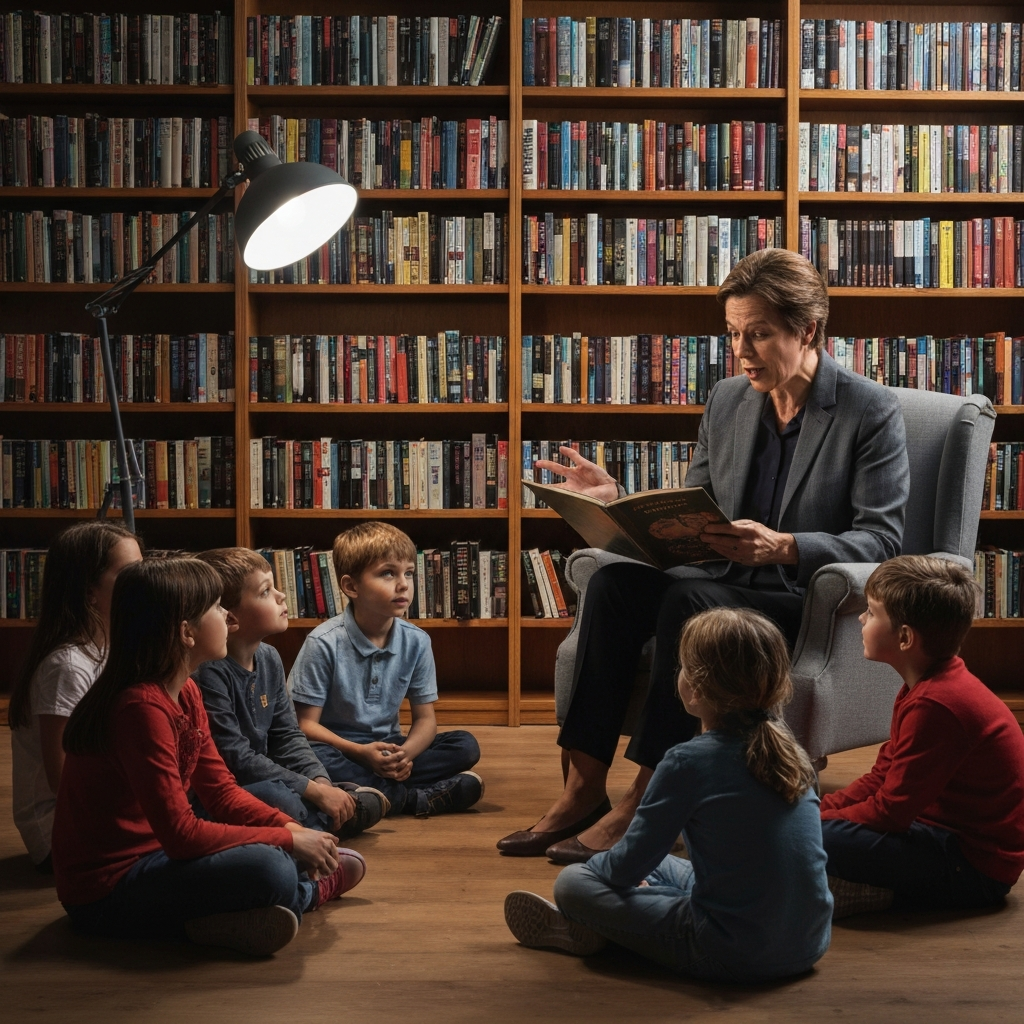
Stories have the power to capture attention, evoke emotions, and make complex concepts more relatable. Incorporating storytelling into your communication can transform dull information into engaging and memorable experiences. Whether you're teaching history, science, or literature, weaving stories into your lessons can bring the subject matter to life.
Use personal anecdotes to connect with your audience on a human level. Incorporate characters, plot, and conflict to create a compelling narrative. Use vivid language and imagery to paint a picture in your audience’s mind. End your stories with a clear takeaway or moral. Practice your storytelling skills to deliver your stories with confidence and enthusiasm.
Step 5: Foster Open Dialogue and Feedback
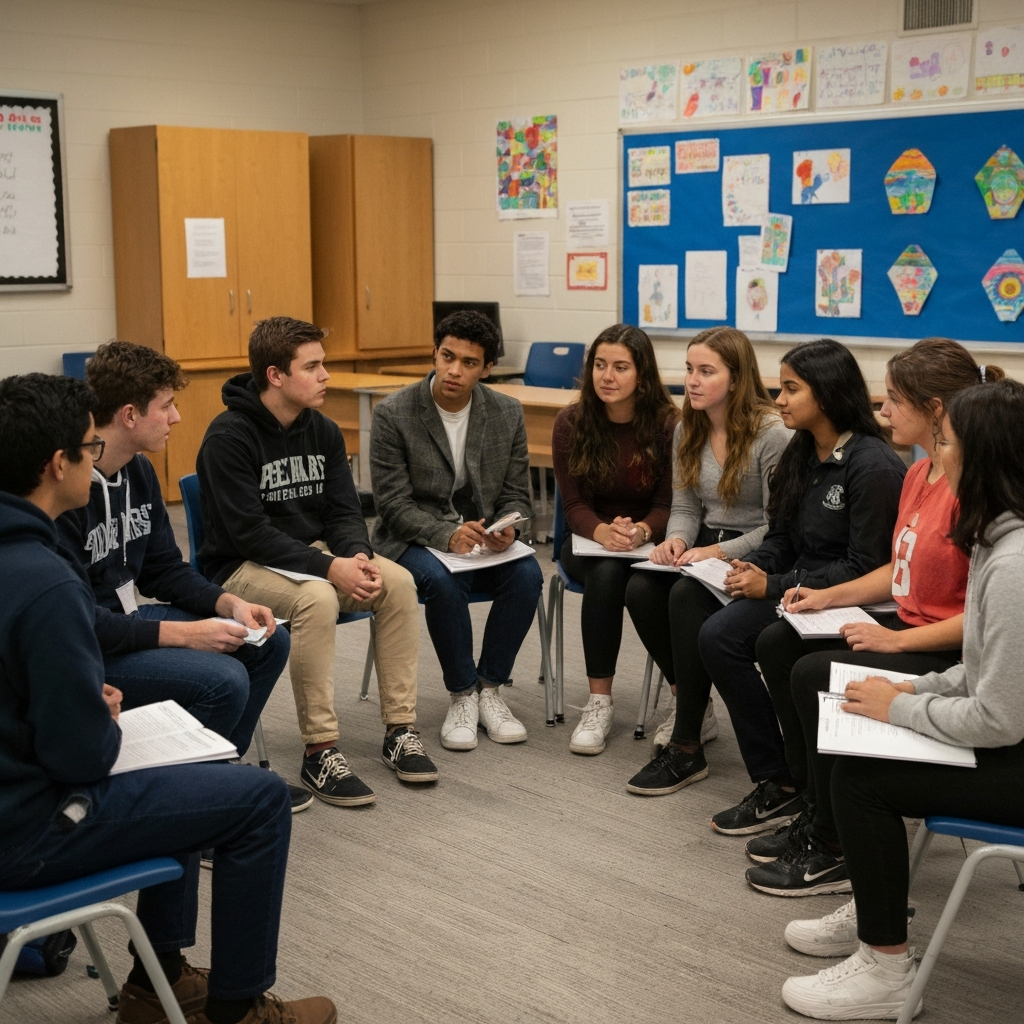
Communication is a two-way street. Creating opportunities for open dialogue and feedback is essential for fostering a collaborative and supportive learning environment. Encourage students to ask questions, share their ideas, and provide constructive criticism. Value their input and use it to improve your teaching methods and communication strategies.
Create a classroom environment where students feel safe to express their opinions without fear of judgment. Use techniques like brainstorming, group discussions, and peer feedback to encourage participation. Provide regular opportunities for students to reflect on their learning and provide feedback on your teaching. Be open to criticism and use it as an opportunity to grow. Showing vulnerability can encourage reciprocal openness.
Tools or Materials Required
- Notebook and pen for active listening
- Mirror for practicing nonverbal communication
- Visual aids (charts, diagrams, images) for tailoring your message
- Storytelling resources (books, articles, personal anecdotes)
- Feedback forms or online survey tools for gathering input
Common Mistakes to Avoid
- Interrupting speakers
- Using jargon or complex language
- Failing to adapt your message to your audience
- Ignoring nonverbal cues
- Discouraging questions and feedback
Pro Tips
- Record yourself speaking and analyze your communication style.
- Seek feedback from trusted colleagues or mentors.
- Attend communication workshops or courses.
- Practice active listening in everyday conversations.
- Read books and articles on effective communication.
FAQ Section
- How can I improve my public speaking skills?
- Practice, practice, practice! Join a Toastmasters club, record yourself speaking, and seek feedback from others.
- What if I struggle with active listening?
- Focus on paying attention, asking clarifying questions, and summarizing what you've heard. It takes time and effort, but it's a skill you can develop.
- How can I encourage students to participate more in class discussions?
- Create a safe and supportive environment, ask open-ended questions, and value student input.
Conclusion
Mastering communication for education is an ongoing journey of self-improvement and growth. By cultivating active listening skills, mastering nonverbal communication, tailoring your message, embracing storytelling, and fostering open dialogue, you can create a more engaging, effective, and fulfilling learning environment. Remember that effective communication is the key to unlocking the potential of both yourself and your students. Embrace these strategies, commit to continuous improvement, and watch as your ideas ignite a passion for learning in those around you.