Hosting a dinner party should be a joyous occasion, a chance to connect with friends and family over good food and conversation. All too often, however, it becomes a source of immense stress. The pressure to create the "perfect" evening can overshadow the pleasure of actually spending time with your guests. But with careful planning and a few strategic shortcuts, you can host a dinner party that's both impressive and enjoyable – for you and your guests.
This guide will walk you through every step of the process, from the initial planning stages to the final, flawless presentation. We'll cover menu planning, preparation timelines, creating a welcoming atmosphere, and even tackling those unexpected hiccups. The goal is to empower you to confidently throw a dinner party that feels effortless, allowing you to relax and savor the experience alongside your friends.
Remember, the most important ingredient for a successful dinner party is your presence and genuine enjoyment. Let's get started and transform you into a stress-free host!
Step 1: Plan Your Guest List and Send Invitations
Before you even think about the menu, determine how many people you can comfortably accommodate. Consider the size of your dining space, the number of chairs you have, and your personal comfort level with hosting a crowd. Once you have a number in mind, create a guest list and send out invitations well in advance – at least two to three weeks is ideal. Be clear about the date, time, and any specific requests (e.g., "dress code is casual," or "please let me know about any dietary restrictions").
Real-world consideration: Confirming attendance is crucial. Follow up with guests a few days before the RSVP deadline to get an accurate headcount. This allows you to adjust your food quantities and seating arrangements accordingly. Potential mistake: inviting too many people for your space or not accounting for last-minute cancellations.

Step 2: Craft Your Menu
The menu is the heart of any dinner party. Start by choosing a main course that you're comfortable preparing. It's better to excel at a simple dish than to struggle with a complicated one. Then, build your menu around the main course, selecting complementary appetizers, side dishes, and desserts. Consider your guests' preferences and any dietary restrictions. Offer a variety of flavors and textures to create a balanced and interesting meal.
Practical detail: Balance is key. Aim for a mix of light and rich dishes, hot and cold items, and familiar and unexpected flavors. Don't be afraid to incorporate store-bought components to lighten your workload. Common mistake to avoid: Trying too many new recipes at once. Stick to dishes you've made before, or test new recipes well in advance.
Step 3: Make a Detailed Shopping List
Once you've finalized your menu, create a comprehensive shopping list. Organize your list by grocery store sections (produce, meat, dairy, etc.) to save time and prevent you from forgetting anything. Check your pantry and refrigerator to avoid buying duplicates. Be specific with quantities to minimize waste.
Real-world consideration: Shop a few days in advance to avoid the weekend rush. Consider ordering non-perishable items online. Potential mistake: Forgetting essential ingredients or underestimating quantities.

Step 4: Prep Ahead Like a Pro
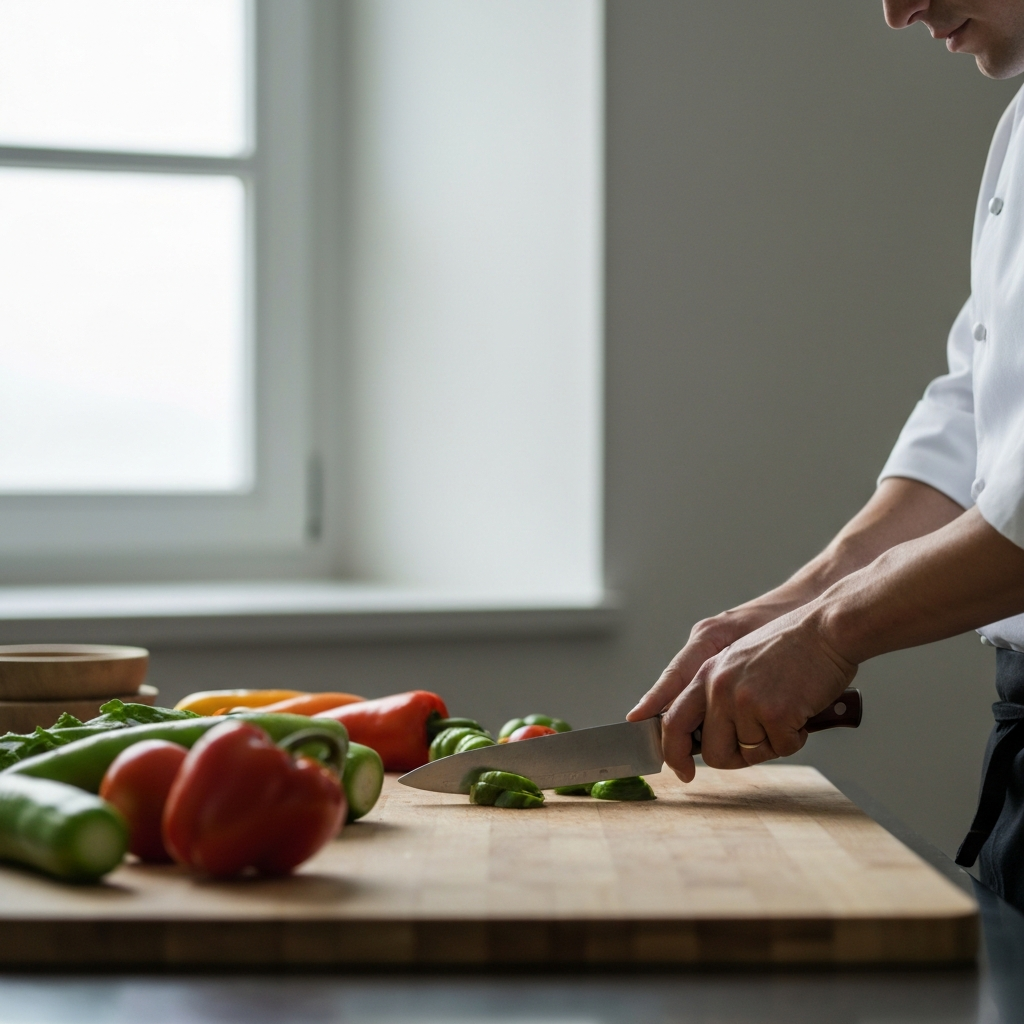
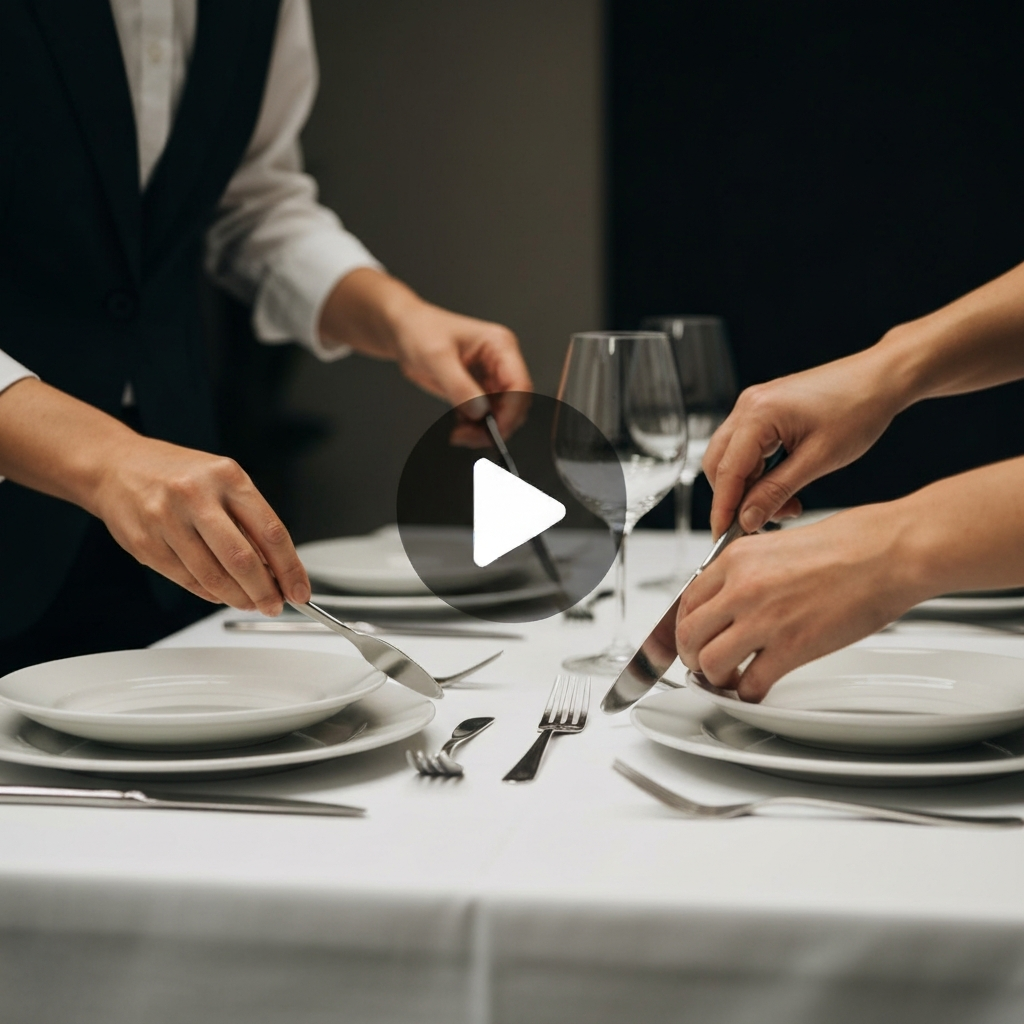
The key to a stress-free dinner party is to do as much preparation in advance as possible. Chop vegetables, marinate meats, make sauces, and set the table the day before. Choose recipes that can be partially or fully prepared ahead of time. Embrace make-ahead desserts – they're a lifesaver!
Practical detail: Divide your tasks into manageable chunks and create a timeline. Delegate tasks to helpful friends or family members. Safety considerations: Store prepared food properly to prevent spoilage. Pro tip: Invest in good-quality storage containers to keep your ingredients fresh.
Step 5: Set the Mood
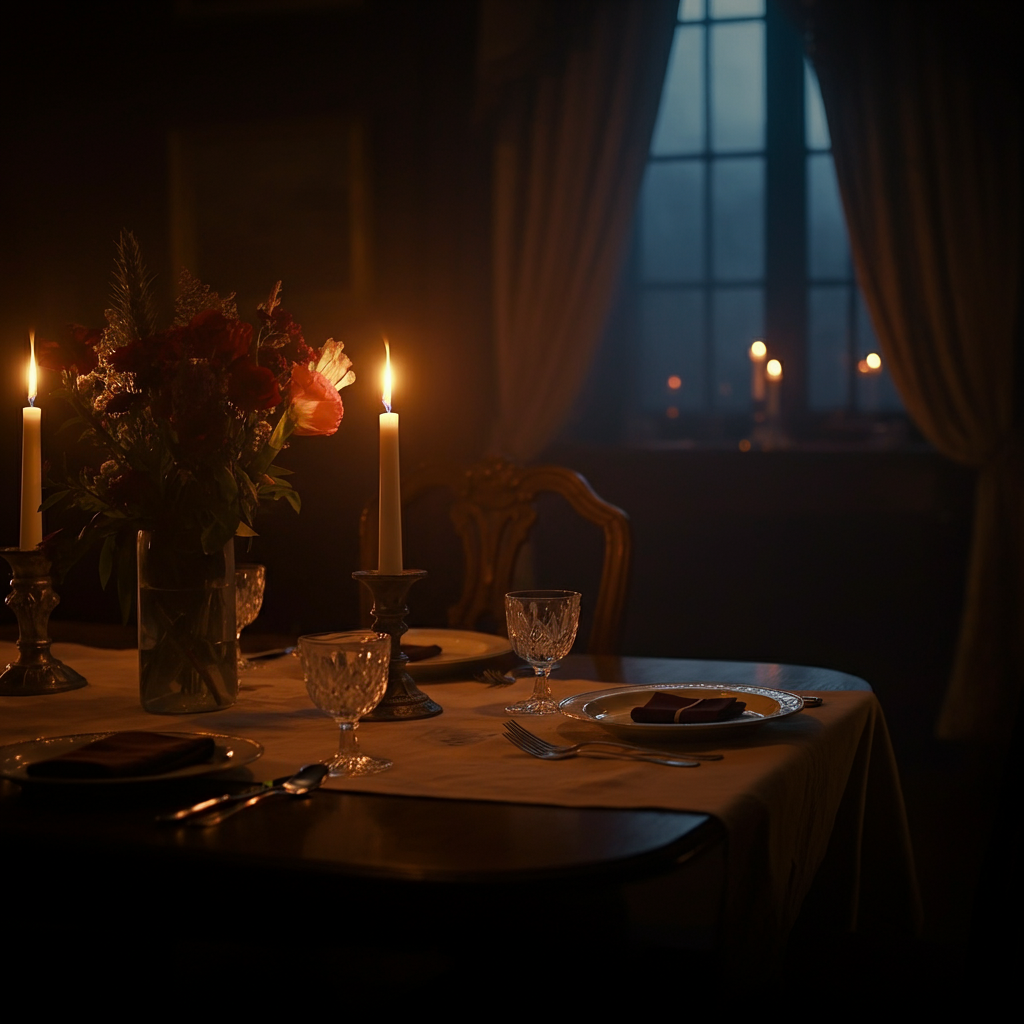
Create a welcoming atmosphere by paying attention to details. Dim the lights, light candles, and play some background music. Choose a playlist that complements the mood you want to create. Arrange flowers or other decorations to add a festive touch. Ensure the temperature is comfortable for your guests.
Real-world consideration: Consider the acoustics of your space and adjust the music volume accordingly. Potential mistake: Overdoing the decorations – keep it simple and elegant. Pro Tip: A signature scent, like a subtle diffuser, can create a memorable impression.
Step 6: The Final Touches and Presentation
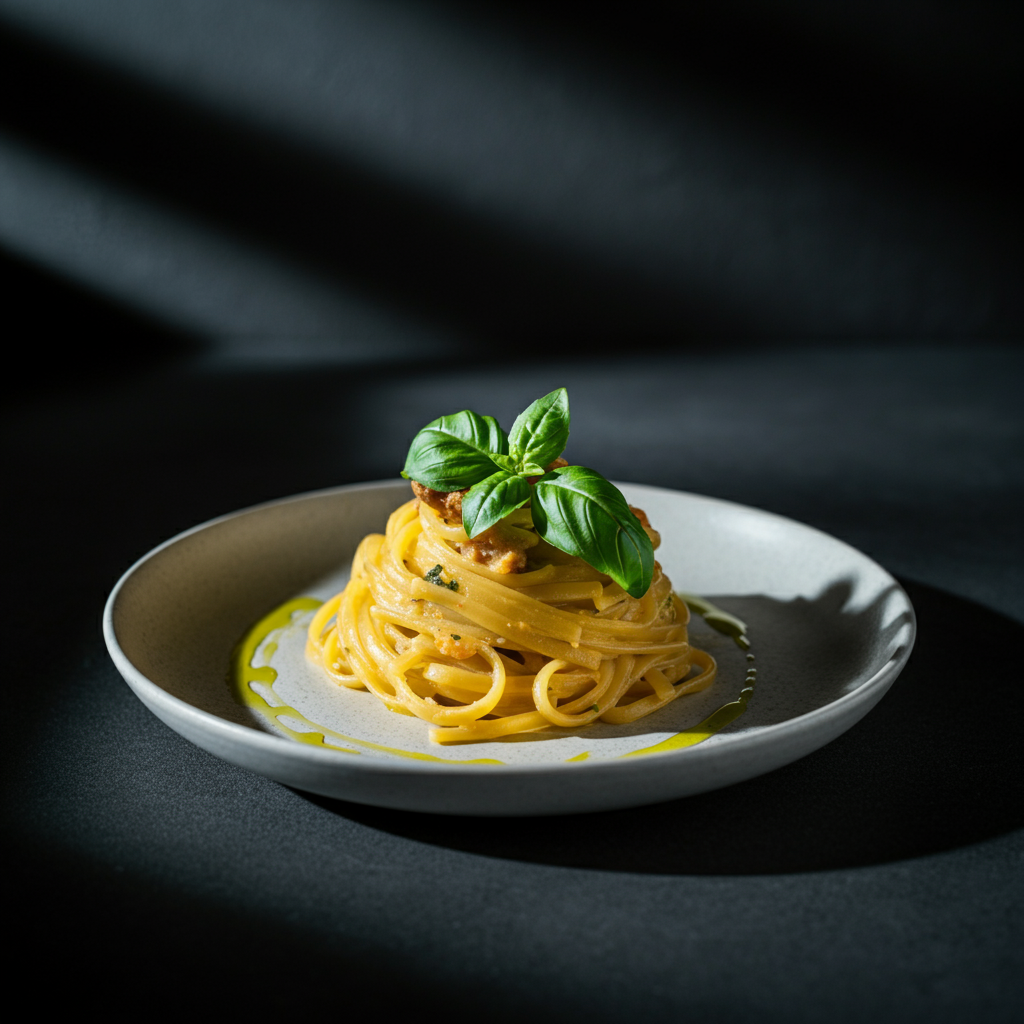
Before your guests arrive, do a final walk-through of your home to ensure everything is in place. Set out drinks and appetizers. As guests arrive, offer them a warm welcome and a beverage. Don't be afraid to ask for help with last-minute tasks. Presentation matters – arrange food artfully on platters and garnish with fresh herbs.
Practical detail: Keep serving dishes warm in the oven or on a warming tray. Don't overcrowd the table – leave space for guests to comfortably eat and converse. Common mistake: Forgetting to chill drinks or prepare ice. Pro tip: Have a backup plan in case something goes wrong (e.g., a spare bottle of wine, a frozen pizza).
Step 7: Relax and Enjoy!
The most important step! Once your guests have arrived, relax, enjoy their company, and savor the fruits of your labor. Don't obsess over every detail. If something goes wrong, don't panic – laugh it off and move on. Your guests are there to spend time with you, not to judge your hosting skills.
Practical detail: Don't be afraid to delegate tasks to your guests, such as pouring drinks or clearing plates. Common mistake: Spending too much time in the kitchen and not enough time with your guests.

FAQ Section
Q: What if I have a dietary restriction myself?
A: Make a main course that accommodates YOUR restriction. Then you only need to worry about side dishes that might need adaptation. Consider a potluck approach if you are very limited.
Q: How do I deal with unexpected guests?
A: Don't stress! Have some extra food on hand, like a bag of frozen appetizers or a simple pasta dish. Extra bread can also help fill gaps.
Q: What's the best way to handle awkward conversations?
A: Be prepared with a few neutral conversation starters, like travel, hobbies, or current events (avoiding controversial topics). Steer the conversation away from sensitive subjects.
Conclusion
Hosting a stress-free dinner party is achievable with careful planning, advance preparation, and a relaxed attitude. Remember to focus on creating a welcoming atmosphere, serving delicious food, and enjoying the company of your guests. By following these steps, you can transform your next dinner party from a source of stress into a joyful and memorable occasion.