The thought of hosting a dinner party can often conjure images of chaotic kitchens, burnt dishes, and stressed-out hosts. However, with careful planning and a strategic approach, you can transform this potential nightmare into a delightful and memorable experience for both you and your guests. The key lies in preparation, delegation, and, most importantly, enjoying the process.
This guide will walk you through every step, from crafting the perfect menu to creating a warm and inviting atmosphere, all while keeping your stress levels to a minimum. We'll cover everything from planning ahead to last-minute tweaks, ensuring you're equipped to handle anything that comes your way. Remember, the goal is to create an enjoyable experience for everyone, including yourself!
So, ditch the anxiety and embrace the art of effortless entertaining. Let's dive in and discover how to host a dinner party that will leave your guests impressed and you feeling relaxed and accomplished.
Step 1: Plan Your Menu Strategically
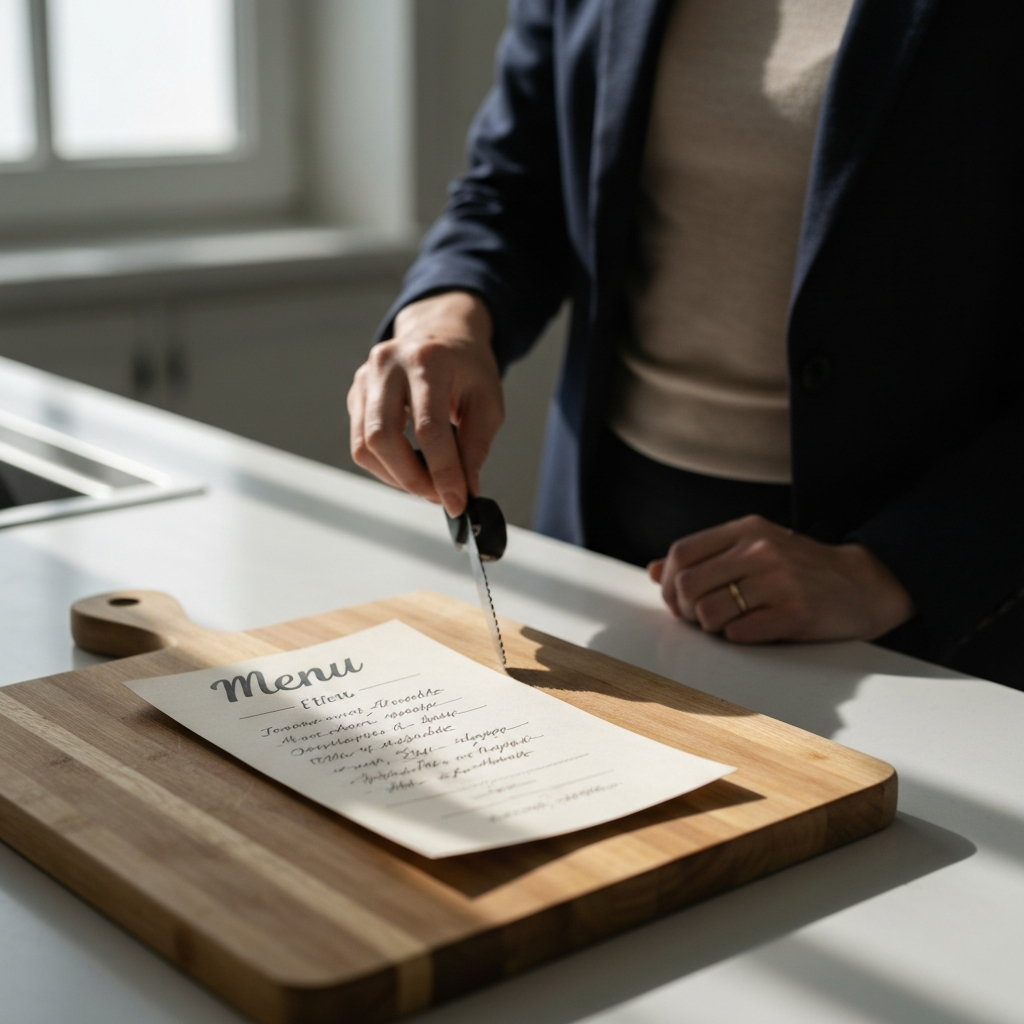
Choosing the right menu is crucial for a stress-free dinner party. Opt for dishes you've made before and are comfortable preparing. This isn't the time to experiment with complicated new recipes. Consider your guests' dietary restrictions and preferences. Offer vegetarian, vegan, or gluten-free options if necessary. Aim for a balance of flavors and textures, and don't forget about the presentation. A well-planned menu will not only impress your guests but also streamline your cooking process.
Step 2: Create a Detailed Timeline
A well-defined timeline is your secret weapon against dinner party stress. Start by listing all the tasks that need to be completed, from grocery shopping to setting the table. Then, allocate specific time slots for each task, working backward from the party start time. Be realistic about how long things will take and build in buffer time for unexpected delays. This timeline will help you stay organized and on track, preventing last-minute rushes.

Step 3: Shop Smart and Prep Ahead
Once you have your menu and timeline, it's time to hit the grocery store. Make a detailed shopping list based on your recipes and stick to it. Avoid impulse purchases that could lead to unnecessary cooking complications. The day before the party, prep as much as possible. Chop vegetables, marinate meats, and prepare sauces. This will significantly reduce your workload on the day of the event.

Step 4: Set the Ambiance
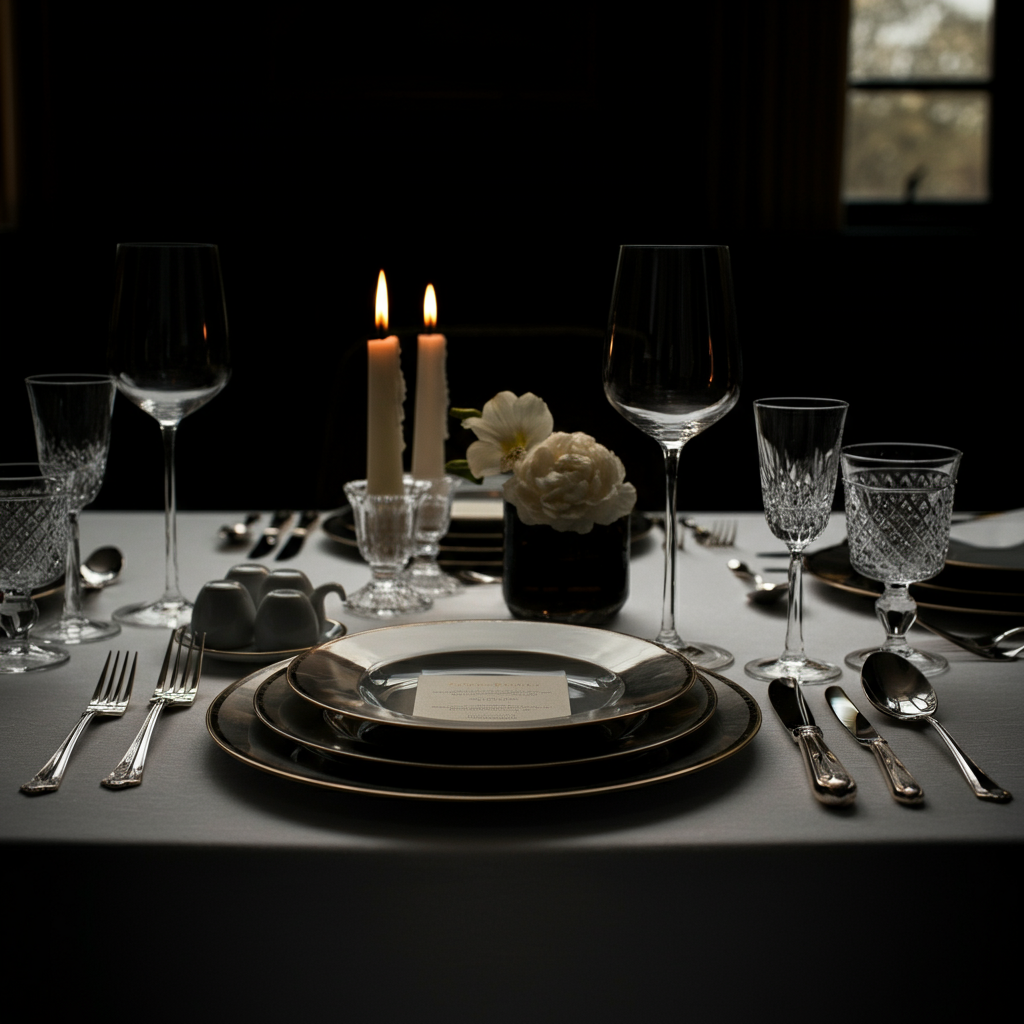
Creating a welcoming atmosphere is just as important as the food. Think about the lighting, music, and table setting. Dim the lights for a more intimate feel, and choose music that complements the mood. A well-set table with nice linens, silverware, and glassware will elevate the dining experience. Consider adding a personal touch, such as fresh flowers or candles, to make your guests feel special.
Step 5: Delegate Tasks and Accept Help
Don't be afraid to ask for help! Enlist friends or family members to assist with tasks such as setting the table, serving drinks, or cleaning up. Accepting help is not a sign of weakness; it's a sign of smart hosting. If guests offer to bring a dish or beverage, graciously accept. This will not only lighten your load but also make your guests feel more involved and appreciated.

Step 6: Master the Art of the Cocktail Hour
The cocktail hour is a crucial time to set the tone for the evening. Offer a selection of drinks, both alcoholic and non-alcoholic, and serve some simple appetizers. This will give your guests something to nibble on while they mingle and wait for dinner. Keep the appetizers simple and easy to eat, allowing guests to socialize comfortably.

Step 7: Enjoy Your Own Party!
This is the most important step of all. Once your guests arrive, relax and enjoy the fruits of your labor. Don't spend the entire evening in the kitchen; mingle with your guests, engage in conversation, and savor the moment. Your guests will appreciate your relaxed and welcoming demeanor, and that will make the party even more enjoyable for everyone.

Tools or Materials Required
- Cookware and bakeware
- Serving dishes and utensils
- Table linens and decorations
- Glassware and silverware
- Grocery list and recipes
- Timeline and planner
Common Mistakes to Avoid
- Trying new and complicated recipes for the first time
- Underestimating the amount of time required for preparation
- Forgetting to account for dietary restrictions
- Not delegating tasks or accepting help
- Spending the entire evening in the kitchen
FAQ Section
- How far in advance should I start planning a dinner party?
- At least one week in advance, but two weeks is ideal for larger or more elaborate parties.
- How do I handle unexpected dietary restrictions?
- Always ask your guests about any dietary restrictions or allergies when you invite them. Have a backup plan or a simple dish that can accommodate those needs.
- What if I run out of food or drinks?
- Always overestimate rather than underestimate. Have some extra ingredients on hand for a quick fix or a backup bottle of wine.
Hosting a stress-free dinner party is achievable with careful planning, strategic delegation, and a positive attitude. Remember to choose a menu you're comfortable with, create a detailed timeline, prep ahead, and don't be afraid to ask for help. Most importantly, remember to relax, enjoy the company of your guests, and savor the moment. With these tips, you'll be able to host a dinner party that will leave your guests impressed and you feeling relaxed and accomplished.