Hosting a charcuterie board night is a fantastic way to gather friends and enjoy delicious food without breaking the bank. It's all about presentation, smart shopping, and a little creativity. Forget expensive restaurants – with a bit of planning, you can create a sophisticated and memorable evening right in your own home. The key is to focus on a mix of affordable ingredients that offer a variety of textures and flavors.
This guide will walk you through every step, from selecting the perfect board to arranging your ingredients like a pro. We'll cover budget-friendly options for cheeses, meats, fruits, and more. You'll also learn how to create a visually appealing display that will impress your guests without emptying your wallet.
Get ready to elevate your hosting game and create a charcuterie board night that's both delicious and affordable. It's time to gather your friends, open a bottle of wine (or sparkling cider!), and enjoy an evening of good food and great company.
Step 1: Planning and Budgeting
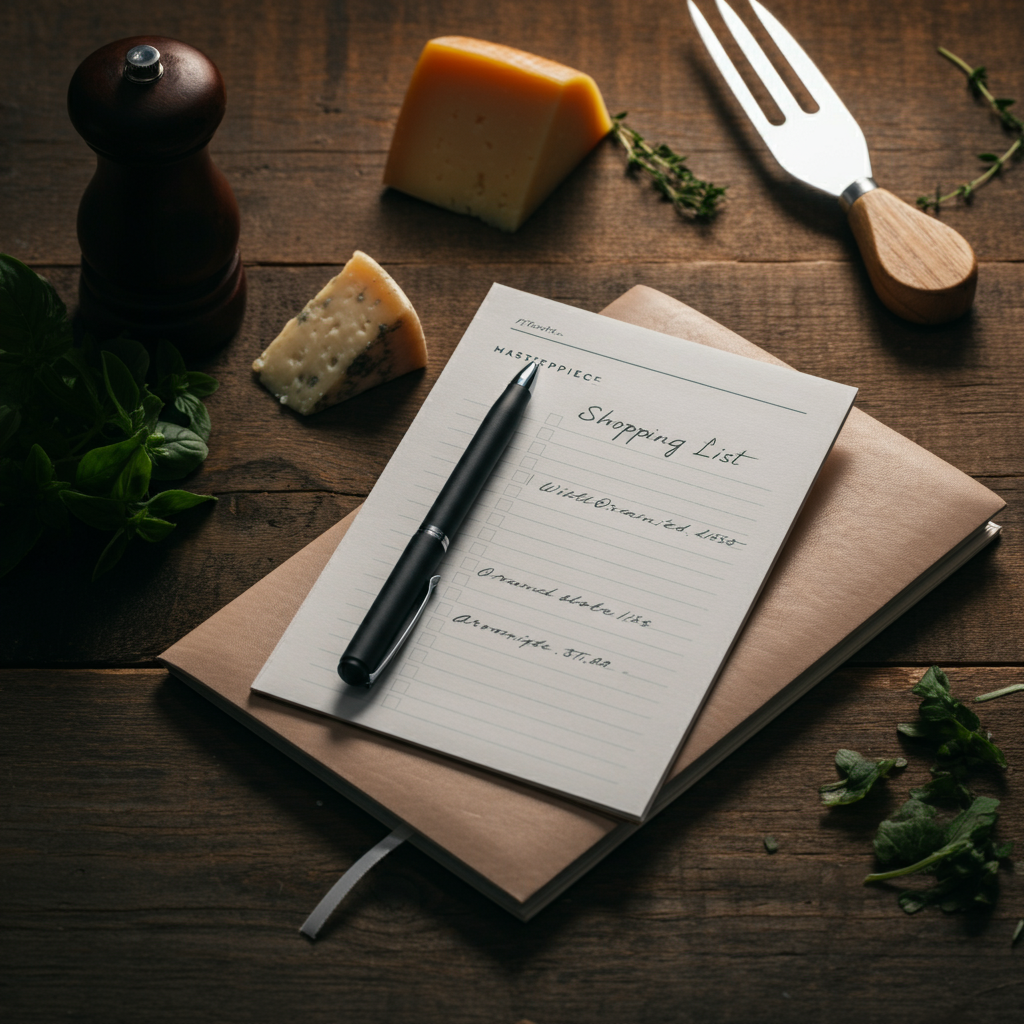
First, determine your budget and guest count. This is crucial for avoiding overspending. Decide how much you're willing to spend per person and stick to it. A good starting point for a budget-friendly charcuterie board is $5-$10 per guest, but this can be adjusted based on your preferences. Once you know your guest count and budget, you can start planning your menu. Consider sending out a quick poll to your friends to learn any dietary restrictions or preferences (vegan, vegetarian, allergies) so everyone can enjoy the spread.
Step 2: Selecting Your Board
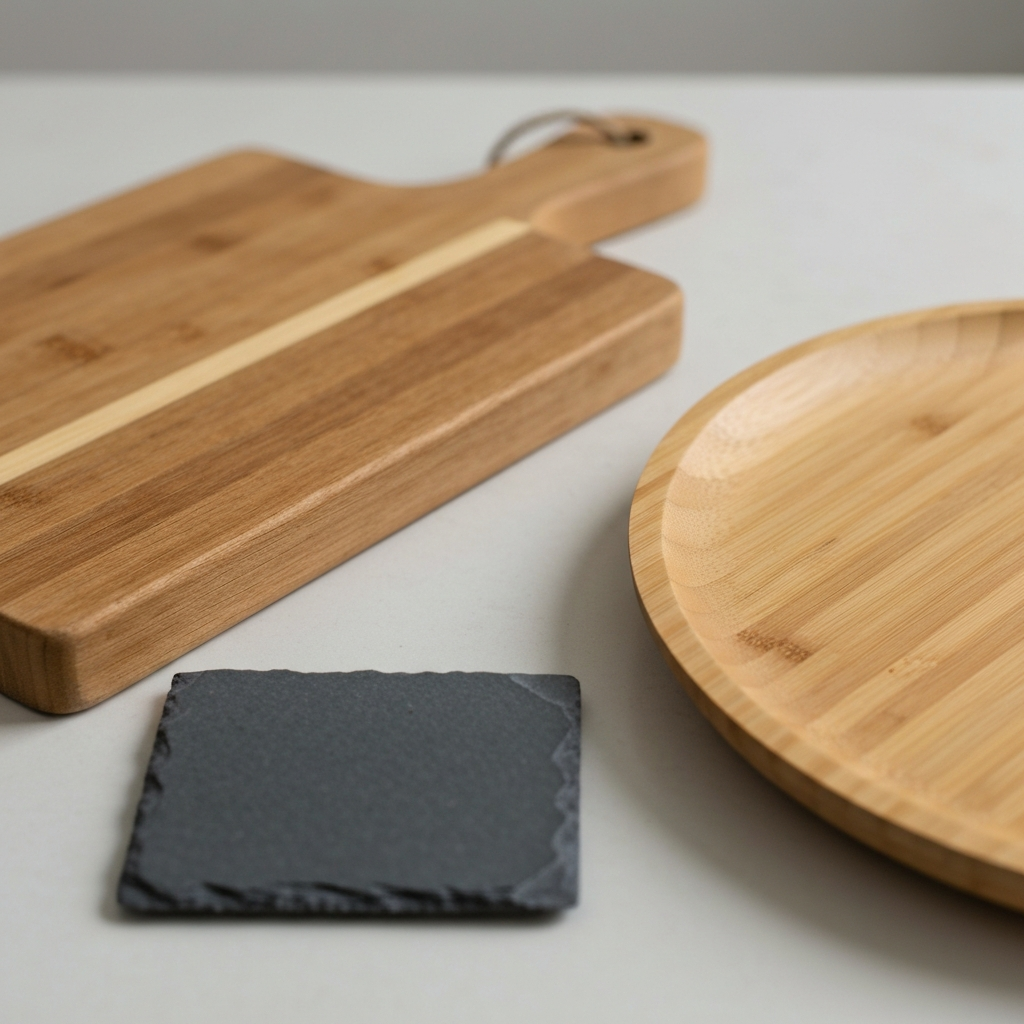
You don't need a fancy, expensive charcuterie board. A large wooden cutting board, a slate tile, or even a clean baking sheet will work perfectly. Presentation is key, so focus on arranging the items attractively. If you're looking to invest in a dedicated board, check out affordable options at stores like HomeGoods or TJ Maxx. You can even find inexpensive wooden boards at craft stores and personalize them with paint or wood burning. Ensure the board is food-safe before use.
Step 3: Cheese Selection - Budget-Friendly Options
Cheese can be a significant expense, but there are plenty of affordable and delicious options. Opt for one or two cheeses to keep costs down. Cheddar, mozzarella, and brie (which can be surprisingly affordable) are crowd-pleasers. Check your local grocery store's cheese section for sales or clearance items. Consider buying cheese in block form and slicing it yourself – it's often cheaper than pre-sliced varieties.

Step 4: Meats - Savvy Shopping
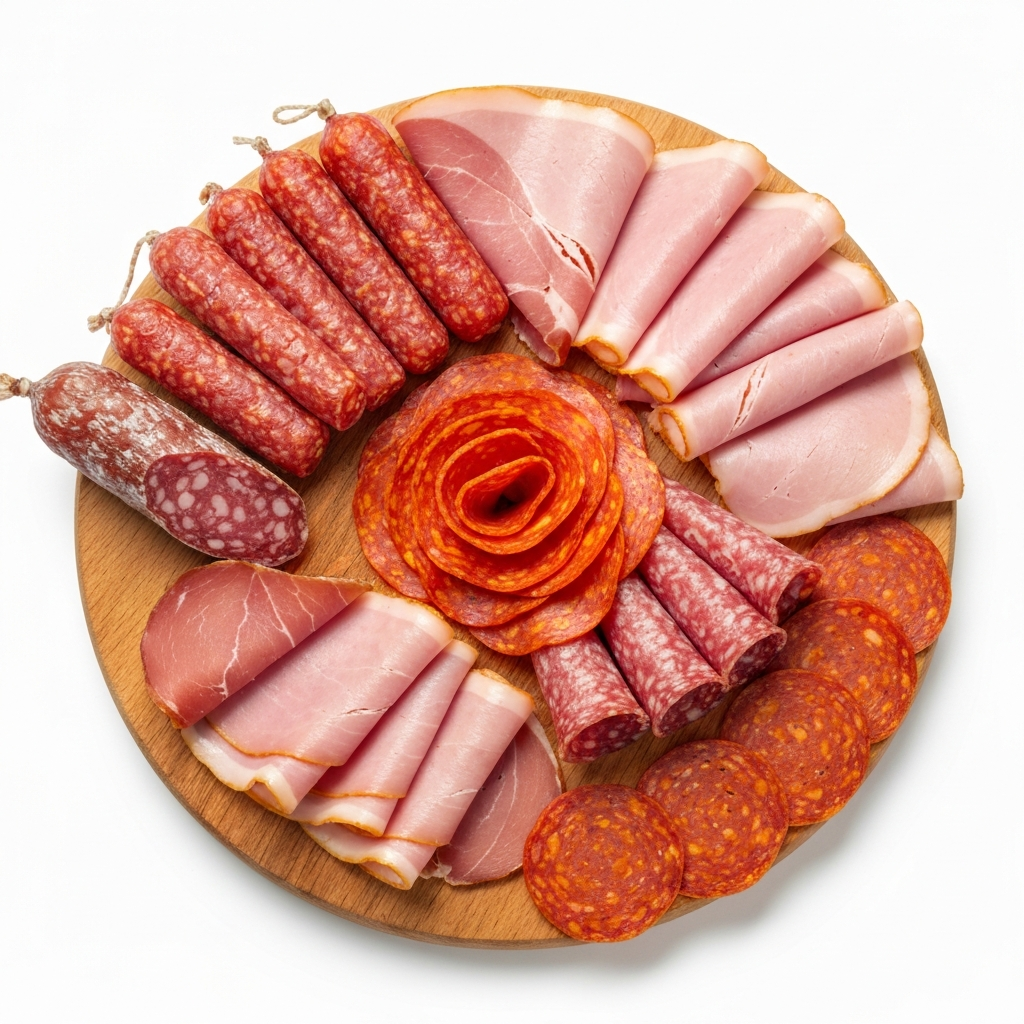
Prosciutto and other high-end cured meats can be costly. Instead, consider affordable alternatives like salami, pepperoni, or even sliced ham. Look for pre-packaged deli meats on sale or clearance. You can also purchase a whole salami stick and slice it yourself, which is often more economical. Arrange the meats in different ways – rolled, folded, or fanned out – to add visual interest.
Step 5: Fruits and Vegetables - Adding Color and Freshness
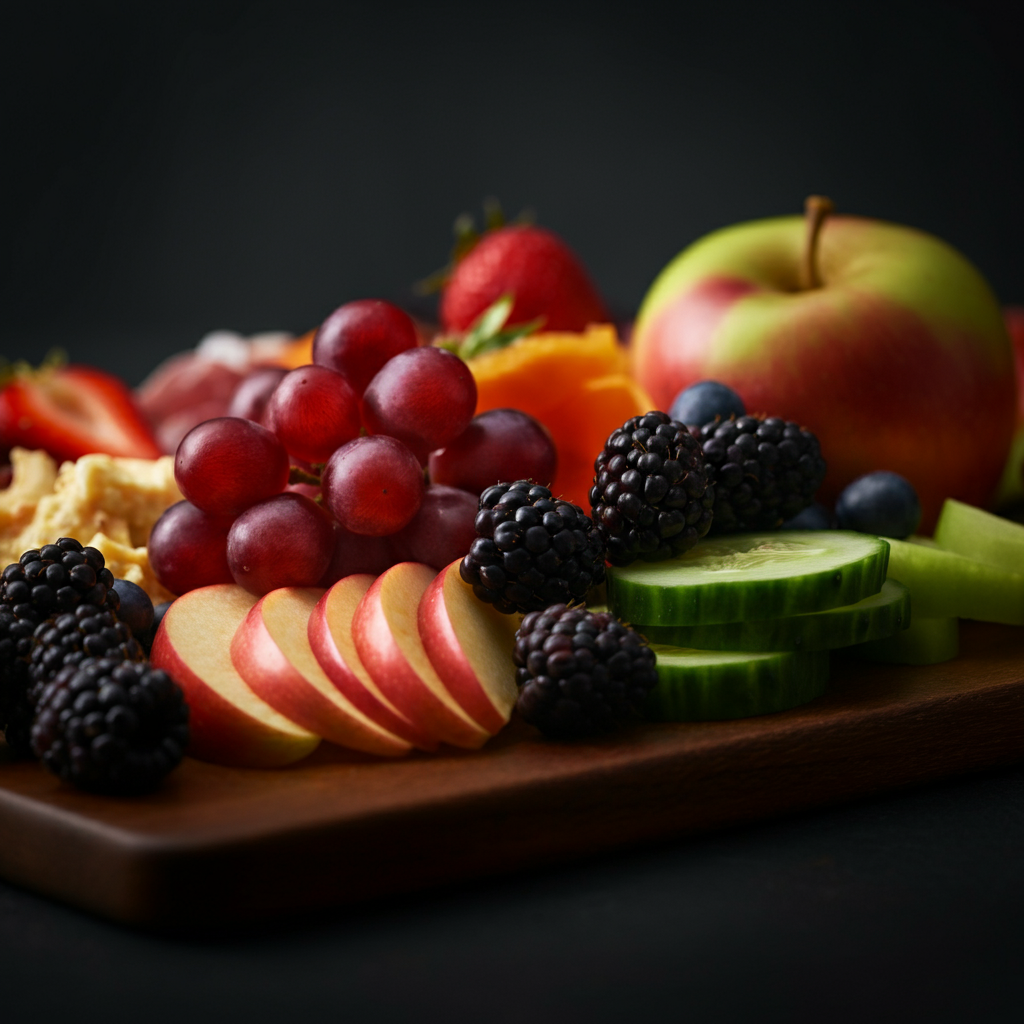
Fruits and vegetables are a budget-friendly way to add color, texture, and flavor to your charcuterie board. Choose seasonal fruits and vegetables for the best prices and flavors. Grapes, berries, apples, and pears are all excellent choices. For vegetables, consider sliced cucumbers, carrots, and bell peppers. Arrange the fruits and vegetables in small clusters or lines to create a visually appealing display.
Step 6: Crackers and Bread - The Base
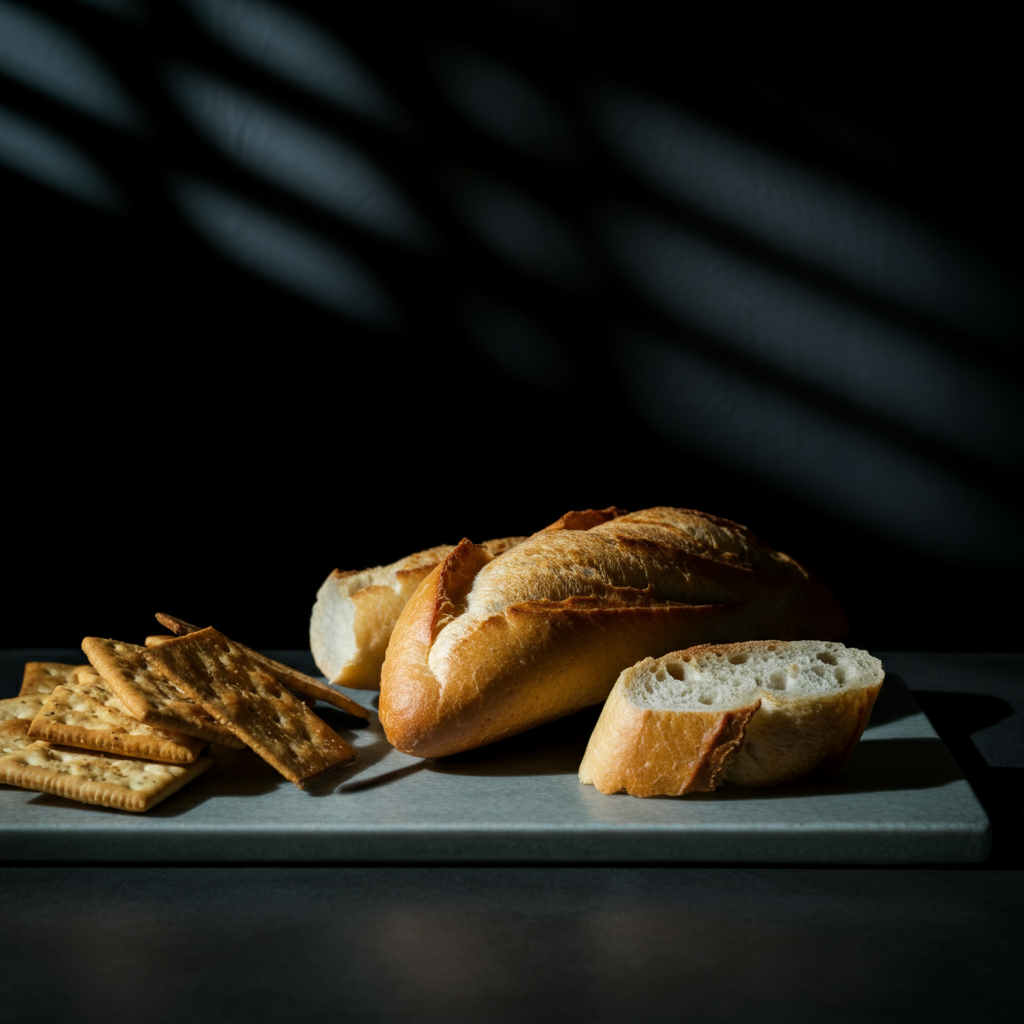
Crackers and bread are essential for serving your charcuterie board. Opt for a variety of textures and flavors. Simple crackers, baguette slices, and breadsticks are all affordable options. Look for sales or clearance items at your local grocery store. Consider toasting the bread slices for added flavor and texture. You can even make your own crostini by slicing a baguette, brushing it with olive oil, and baking it in the oven until golden brown.
Step 7: Dips and Spreads - Flavor Boosters
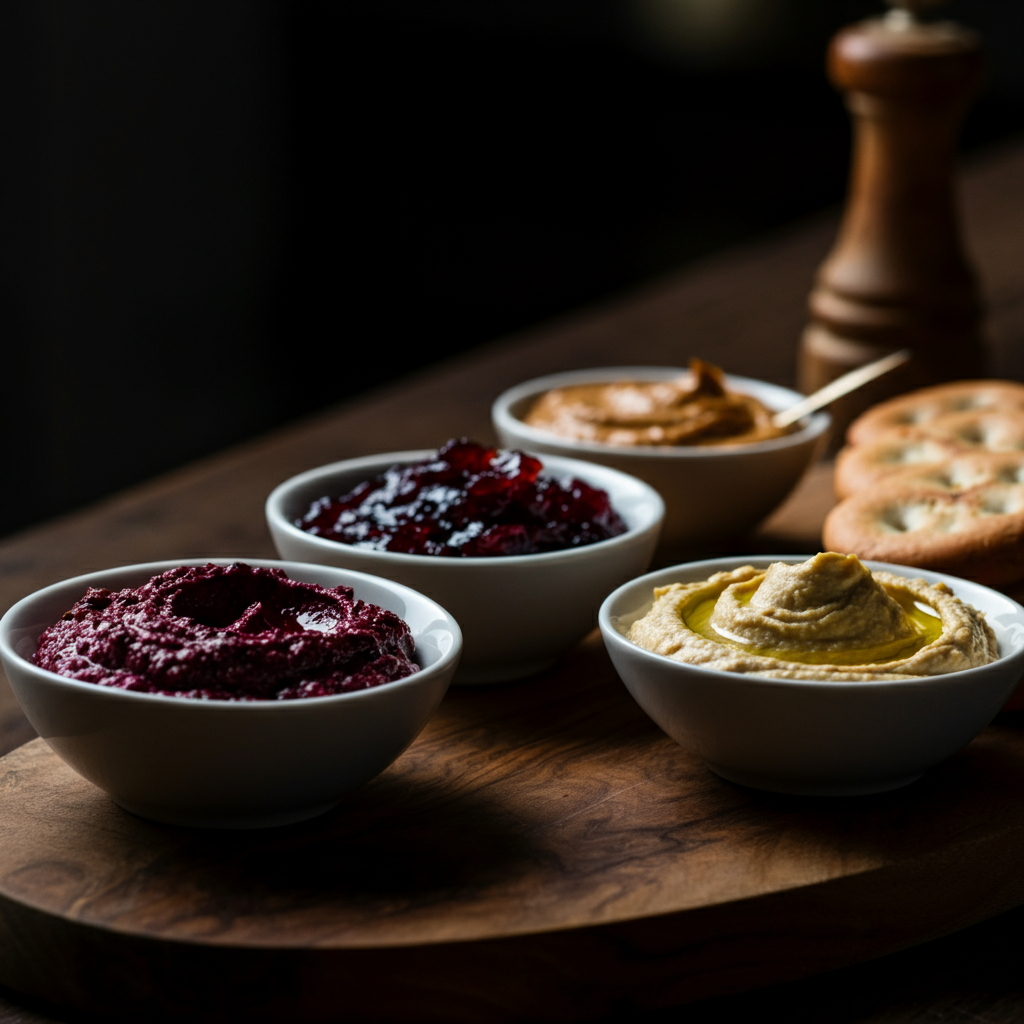
Dips and spreads add extra flavor and variety to your charcuterie board. Hummus, mustard, and fruit preserves are all affordable and delicious options. You can even make your own dips and spreads at home to save money. A simple homemade hummus or a fruit jam can be made with minimal ingredients. Serve the dips and spreads in small bowls or ramekins for easy access.
Step 8: Arrange Your Board - Presentation Matters
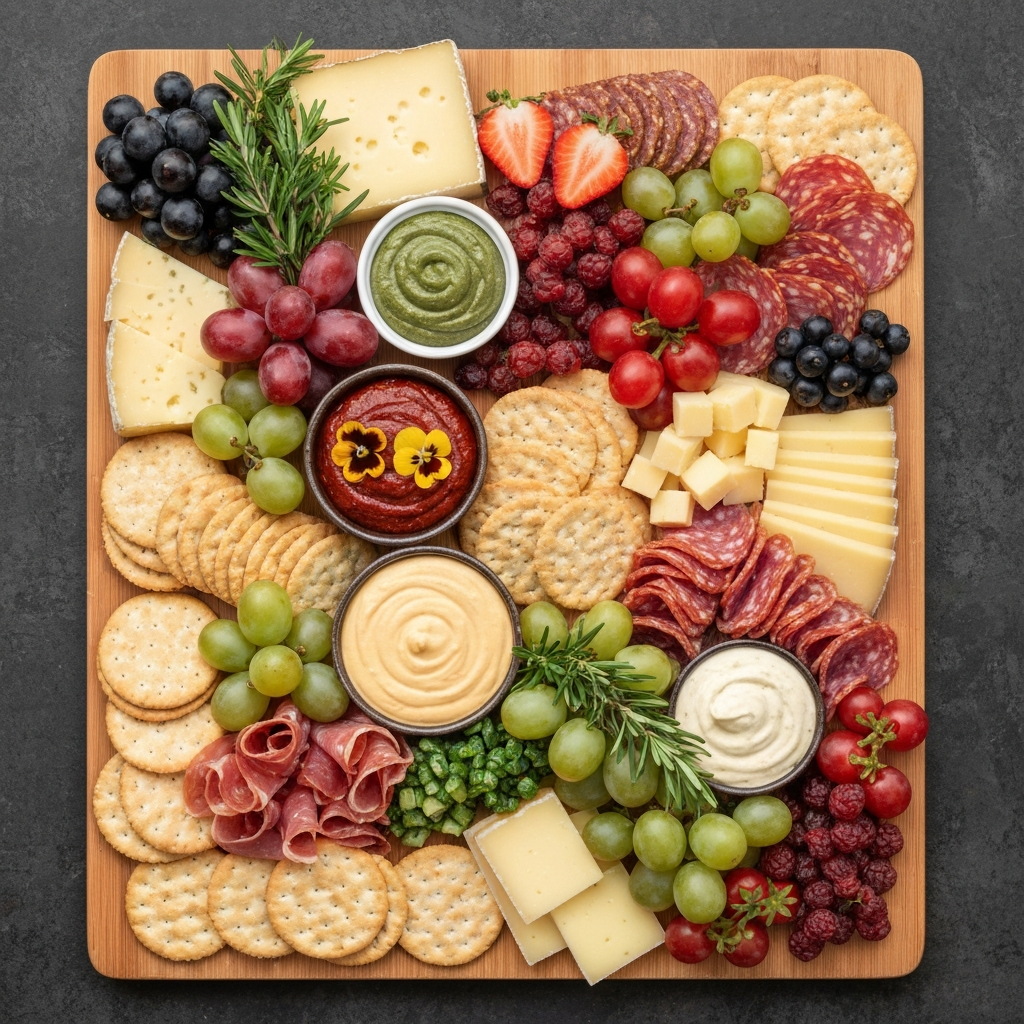
Now comes the fun part – arranging your charcuterie board. Start by placing the larger items, like the cheeses and meats, on the board. Then, fill in the gaps with the fruits, vegetables, crackers, and dips. Don't be afraid to get creative and experiment with different arrangements. Use small bowls or ramekins to contain the dips and spreads. Consider adding some garnishes, like fresh herbs or edible flowers, to add a touch of elegance.
Step 9: The Final Touches
Before your guests arrive, take a final look at your charcuterie board and make any necessary adjustments. Ensure there are enough serving utensils, like cheese knives and spreaders, for everyone to use. Place napkins and plates nearby for easy access. Pour the drinks and get ready to welcome your guests.
Pro Tips
- Shop at discount grocery stores: Stores like Aldi or Trader Joe's often have great deals on cheese, meats, and other charcuterie board essentials.
- Buy in bulk: If you're hosting a large group, consider buying certain items in bulk to save money.
- Utilize leftovers: Get creative with what you already have in your refrigerator and pantry.
- Make it a potluck: Ask each guest to bring a dish to share to help offset the cost.
Common Mistakes to Avoid
- Overspending on expensive items: Stick to your budget and choose affordable alternatives.
- Not planning ahead: Plan your menu and shopping list in advance to avoid impulse purchases.
- Forgetting dietary restrictions: Be sure to ask your guests about any dietary restrictions or allergies.
FAQ Section
- Q: How far in advance can I prepare a charcuterie board?
- A: You can assemble most of the board a few hours in advance. However, it's best to add the crackers and bread closer to serving time to prevent them from getting soggy. Keep the assembled board refrigerated until ready to serve.
- Q: What drinks pair well with a charcuterie board?
- A: Wine (red, white, or rosé), beer, sparkling cider, and even cocktails all pair well with a charcuterie board. Choose drinks that complement the flavors of the cheeses, meats, and other ingredients.
- Q: How much food should I plan per person?
- A: As a general rule, plan for about 3-4 ounces of cheese and 2-3 ounces of meat per person. Adjust the amounts based on the number of guests and their appetites.
Conclusion
Hosting a killer charcuterie board night on a budget is totally achievable. By focusing on smart planning, affordable ingredients, and creative presentation, you can create a memorable and delicious experience for your friends without breaking the bank. Remember to prioritize flavor variety, visual appeal, and, most importantly, have fun! With these tips, you'll be well on your way to becoming a charcuterie board pro. Cheers to good food, good friends, and great times!