Feeling sluggish? Overwhelmed by the sheer volume of health advice out there? It's time to take control and "hack" your health. This isn't about quick fixes or unsustainable trends; it's about implementing simple, effective strategies to build a stronger, healthier you, one step at a time.
We often think of health as a passive state, something that just "happens" to us. But in reality, it's a dynamic process we actively shape through our daily choices. By understanding the fundamentals of nutrition, movement, and mental well-being, you can optimize your body's natural capabilities and unlock your full potential. Think of it as upgrading your operating system for peak performance.
This guide provides actionable steps, backed by expert advice, to help you navigate the complexities of modern health and create a personalized plan that works for you. Forget restrictive diets and grueling workouts; we're focusing on sustainable habits that integrate seamlessly into your life.
Get ready to take charge of your well-being and build the foundation for a vibrant, energetic future. Let's begin.
Step 1: Cultivate a Gratitude Journal
It's easy to get caught up in what's lacking in our lives, but focusing on gratitude can significantly shift your mindset and improve your overall well-being. A gratitude journal is a powerful tool for cultivating this positive perspective. Take a few minutes each day to write down things you're thankful for, no matter how small. This practice trains your brain to recognize and appreciate the good in your life, leading to increased happiness and resilience.
Practical details: Aim to write in your journal every day, even if it's just for 5 minutes. Consider prompts like "What am I grateful for today?" or "What went well today?". Don't underestimate the power of simple things like a warm cup of coffee or a sunny day. A common mistake is to focus only on big, impressive things. Potential mistakes: Forgetting to do it regularly, writing generic responses without genuine feeling.

Step 2: Practice Mindful Meditation
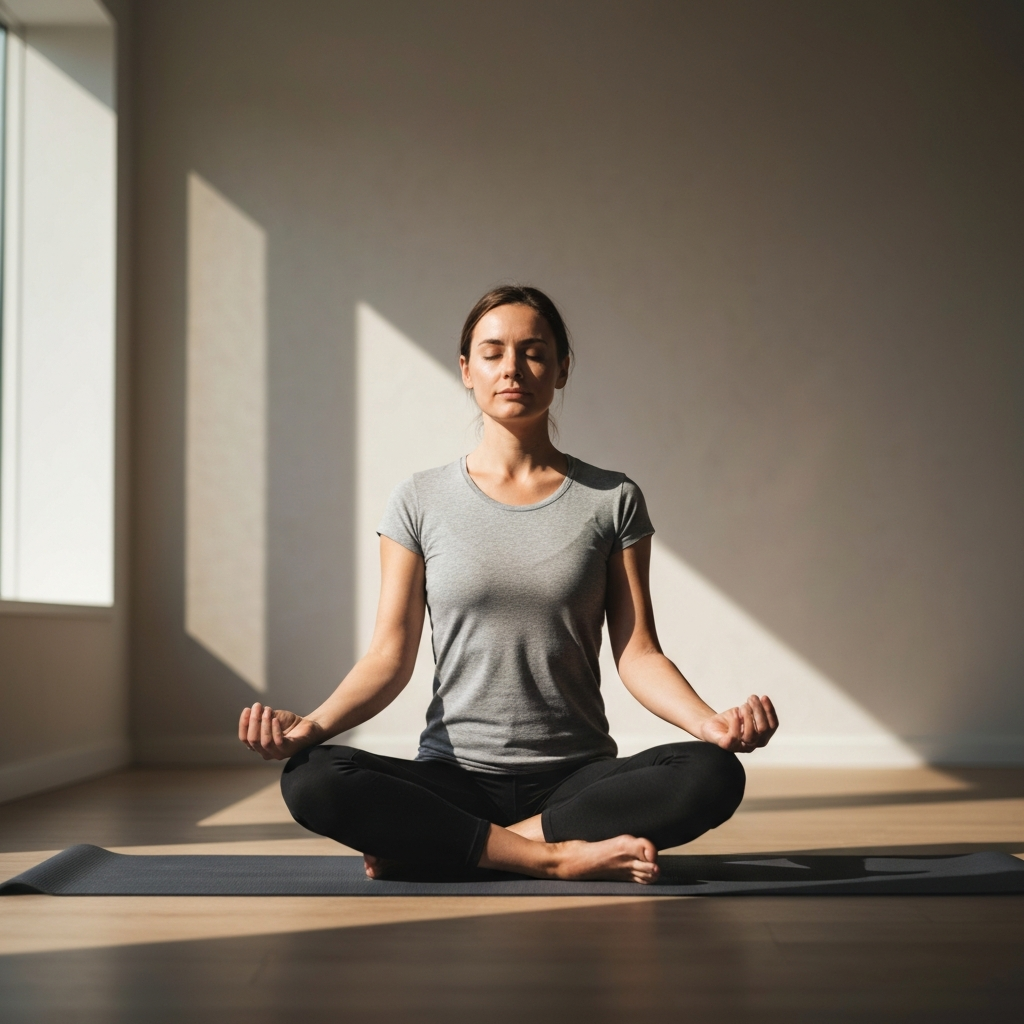
In today's fast-paced world, it's crucial to find moments of stillness and cultivate a sense of presence. Mindful meditation is a simple yet profound technique for training your attention and becoming more aware of your thoughts and feelings without judgment. A regular meditation practice, even just a few minutes a day, can reduce stress, improve focus, and foster a greater sense of inner peace. This allows you to deal with the stresses in a more optimistic state of mind.
Practical details: Find a quiet space where you can sit comfortably. Close your eyes and focus on your breath. When your mind wanders (and it will!), gently redirect your attention back to your breath. There are numerous guided meditation apps and online resources to help you get started. Start with 5 minutes a day and gradually increase the duration as you become more comfortable. Consistency is key. A common mistake is getting frustrated when your mind wanders. Potential mistakes: Expecting instant results, trying to force a "perfect" meditation experience.
Step 3: Challenge Negative Self-Talk
We all have an inner critic, but it's important to prevent it from dominating our thoughts. Negative self-talk can sabotage your efforts to improve your health and well-being. Learn to recognize and challenge these negative thoughts by reframing them in a more positive and constructive light. Ask yourself if there's another way to interpret the situation, and focus on your strengths and accomplishments.
Practical details: Keep a "thought log" to track negative thoughts as they arise. When you notice a negative thought, write it down and then challenge it with a more positive alternative. For example, instead of thinking "I'll never be able to do this," try "This is challenging, but I'm capable of learning and improving."Be kind to yourself. A common mistake is getting discouraged when you experience setbacks. Potential mistakes: Not recognizing negative thoughts, believing everything your inner critic tells you.

Step 4: Focus on Positives Rather Than Negatives
This isn't about ignoring the bad, but rather consciously shifting your attention to the good things in your life. Train yourself to notice and appreciate the positive aspects of your day, your relationships, and your accomplishments. This doesn't mean ignoring negative events, but it does mean not dwelling on them. This reminds you that the bad situations are only temporary setbacks, and improvement is just around the corner.
Practical details: Make it a habit to end each day by listing three positive things that happened. Share good news with friends and family. Celebrate your successes, no matter how small. Actively seek out positive experiences. A common mistake is letting negative events overshadow the positive ones. Potential mistakes: Dismissing positive experiences as insignificant, focusing solely on problems.

Step 5: Set Realistic and Achievable Goals
Optimism requires grounding. Being optimistic isn't about setting unrealistic goals or convincing yourself that nothing bad can ever happen. It's essential to set measurable goals for yourself that are achievable and reachable. Setting small, attainable goals will help you maintain a positive outlook overall.
Practical details: Break down larger goals into smaller, more manageable steps. Ensure that your goals are specific, measurable, achievable, relevant, and time-bound (SMART goals). For example, instead of "lose weight," set a goal of "lose 1-2 pounds per week."Celebrate each milestone you reach. A common mistake is setting unrealistic expectations and getting discouraged when you don't see immediate results. Potential mistakes: Overly ambitious goals, lack of planning and tracking.

Step 6: Engage in Activities that Bring You Joy
Fun and laughter are essential components of a healthy and fulfilling life. Make time for activities that you genuinely enjoy, whether it's spending time with loved ones, pursuing a hobby, or simply relaxing and unwinding. These activities provide a much-needed break from stress and boost your overall mood.
Practical details: Schedule time for enjoyable activities each week, just as you would any other important appointment. Don't feel guilty about taking time for yourself. Explore new hobbies and interests. Prioritize joy. A common mistake is neglecting your own needs and putting others first. Potential mistakes: Feeling obligated to engage in activities you don't enjoy, letting stress consume your free time.

Step 7: Adopt a Healthy, Active Lifestyle
Regular physical activity is not only beneficial for your physical health but also for your mental well-being. Exercise can reduce stress, improve mood, boost energy levels, and enhance sleep quality. Aim for at least 30 minutes of moderate-intensity exercise most days of the week. This doesn't have to be a grueling workout; it could be a brisk walk, a bike ride, or a dance class.
Practical details: Find an activity you enjoy and make it a regular part of your routine. Start slowly and gradually increase the intensity and duration as you become more fit. Listen to your body and rest when needed. A common mistake is overdoing it and risking injury. Potential mistakes: Setting unrealistic fitness goals, neglecting proper warm-up and cool-down.

FAQ Section
Q: How long does it take to see results from these health hacks?
A: It varies from person to person, but you should start to notice improvements in your mood and energy levels within a few weeks of consistently implementing these strategies. Remember, this is a long-term journey, not a quick fix.
Q: What if I miss a day or slip up?
A: It's okay! Don't beat yourself up about it. Just get back on track the next day. Consistency is important, but perfection is not required.
Q: Can I combine these health hacks with other health and wellness practices?
A: Absolutely! These strategies are designed to complement other healthy habits, such as a balanced diet and adequate sleep.
Conclusion
Hacking your health is about taking small, consistent steps to improve your overall well-being. By cultivating gratitude, practicing mindfulness, challenging negative self-talk, focusing on positives, setting realistic goals, engaging in enjoyable activities, and adopting a healthy lifestyle, you can unlock your full potential and build a stronger, healthier you. Remember, it's a journey, not a destination. Be patient with yourself, celebrate your progress, and enjoy the process!