Building wealth can seem like an overwhelming task, requiring meticulous planning and constant attention. However, with the right strategies and a focus on automation, you can effectively "hack" your finances and build wealth on autopilot. This guide provides actionable steps to streamline your financial life, making wealth accumulation a more efficient and less stressful process.
The key is to create systems that work for you, minimizing the need for constant decision-making. By automating savings, investments, and bill payments, you can ensure that your financial goals are consistently being met, even when life gets busy. This approach not only builds wealth but also reduces financial stress, freeing up your time and energy for other priorities.
This isn't about "get rich quick" schemes; it's about creating a sustainable and predictable path to financial freedom. Let's dive into the specific steps you can take to automate your wealth-building journey.
Step 1: Calculate Your Net Worth and Set Clear Goals
Before you can automate your wealth-building, you need to understand your current financial position. Calculating your net worth – your assets minus your liabilities – provides a baseline. This crucial step allows you to track your progress and identify areas for improvement. Once you know where you stand, set specific, measurable, achievable, relevant, and time-bound (SMART) financial goals. Do you want to retire early? Save for a down payment on a house? Achieve financial independence?
Don't be vague. Instead of "save more money," aim for "save $500 per month for my retirement account." The clearer your goals, the easier it will be to create a plan and automate the process. Real-world consideration: Be realistic about your goals. Don't set unrealistic targets that will lead to discouragement. Start small and gradually increase your savings rate as your income grows. A common mistake is failing to consider inflation when setting long-term goals.

Step 2: Automate Your Savings
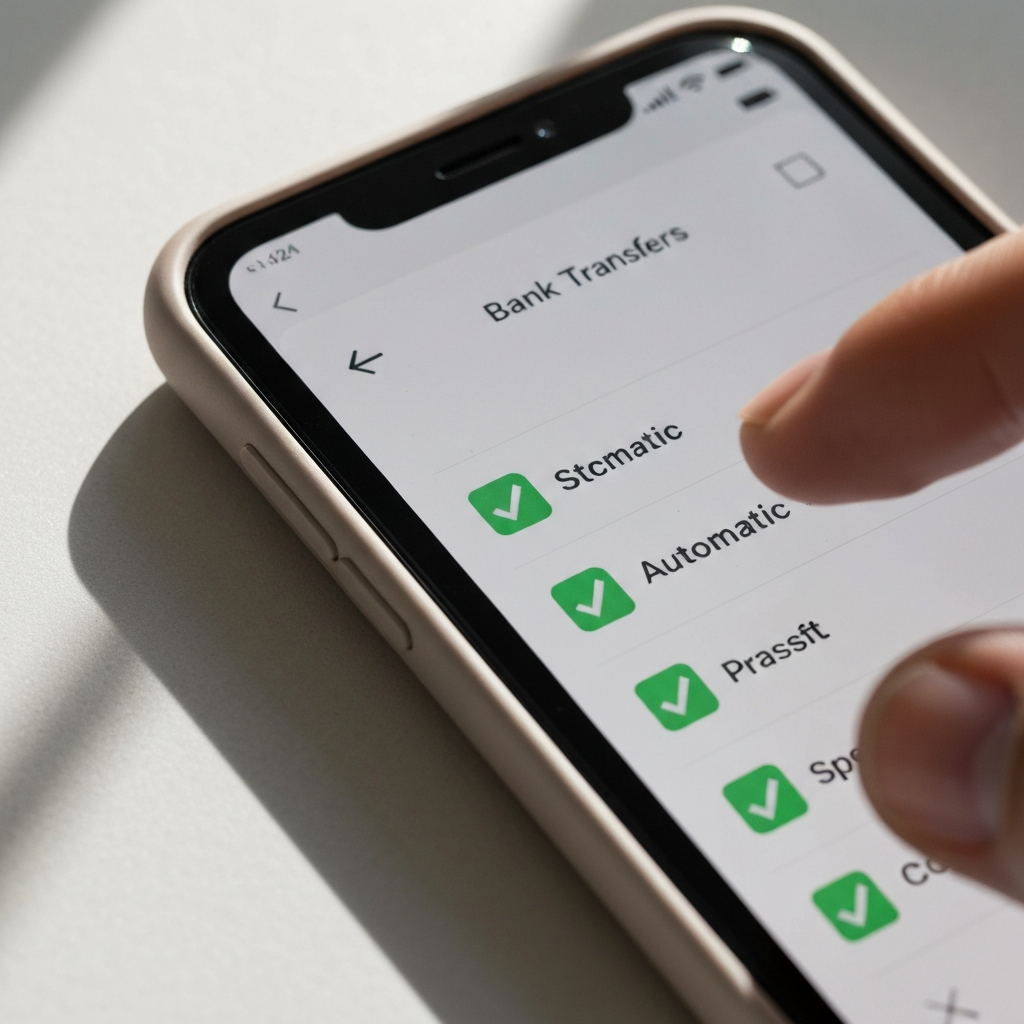
The cornerstone of building wealth on autopilot is automating your savings. Set up automatic transfers from your checking account to your savings or investment accounts immediately after you get paid. Treat this transfer like a non-negotiable bill. Most banks allow you to schedule recurring transfers, making it a simple and effective way to ensure consistent savings.
Start with a comfortable amount and gradually increase it over time. You can also automate contributions to your retirement accounts, such as a 401(k) or IRA. Maximize employer matching contributions if available, as this is essentially free money. Potential mistake: Forgetting to adjust your automated transfers when your income changes. Make it a habit to review and adjust your savings plan at least once a year. Consider using a high-yield savings account (HYSA) to maximize your interest earnings.
Step 3: Automate Your Investments
Investing is crucial for long-term wealth building, and automating your investments ensures consistency and removes emotional decision-making. Consider using robo-advisors, which automatically invest your money based on your risk tolerance and financial goals. These platforms typically offer diversified portfolios of low-cost index funds or ETFs, making it easy to build a well-balanced investment strategy.
Alternatively, you can automate your investments directly through a brokerage account by setting up recurring purchases of ETFs or individual stocks. Dollar-cost averaging (DCA) is a popular strategy where you invest a fixed amount of money at regular intervals, regardless of market conditions. This helps to smooth out volatility and reduce the risk of investing a lump sum at the wrong time. Safety consideration: Diversify your investments across different asset classes to mitigate risk. Avoid putting all your eggs in one basket.

Step 4: Optimize and Automate Bill Payments
Late fees and interest charges can erode your wealth. Automate your bill payments to avoid these unnecessary expenses. Most companies offer automatic payment options, allowing you to pay your bills directly from your bank account. This not only ensures timely payments but also simplifies your financial life.
Set up alerts to notify you of upcoming payments and to confirm that payments have been made successfully. Regularly review your bills for any errors or discrepancies. Consider using a budgeting app or software to track your income and expenses and identify areas where you can save money. Pro Tip: Negotiate lower rates with your service providers. Many companies are willing to offer discounts to retain customers.

Step 5: Track Your Progress and Adjust as Needed
Automating your finances doesn't mean setting it and forgetting it. Regularly track your progress towards your financial goals and adjust your plan as needed. Review your net worth, savings rate, and investment performance at least quarterly. Life changes happen, and your financial plan needs to adapt accordingly. If you get a raise, increase your savings rate. If you experience unexpected expenses, adjust your budget temporarily.
Use budgeting apps and financial planning tools to monitor your progress and identify areas for improvement. Consider consulting with a financial advisor to get personalized guidance. Common mistake to avoid: Ignoring your finances for extended periods of time. Regular monitoring is essential to ensure that your plan is still aligned with your goals.

Tools or Materials Required
- Budgeting App (e.g., Mint, YNAB)
- High-Yield Savings Account
- Brokerage Account (e.g., Vanguard, Fidelity, Schwab)
- Robo-Advisor Platform (e.g., Betterment, Wealthfront)
- Automated Bill Payment Setup with your bank and service providers
FAQ Section
- Q: How much should I automate for savings?
- A: Start with an amount you're comfortable with, even if it's small. Aim for at least 10-15% of your income, and gradually increase it over time.
- Q: What if I don't have enough money to automate?
- A: Focus on increasing your income and reducing expenses. Even small savings can make a big difference over time. Look for side hustles or ways to cut back on unnecessary spending.
- Q: Is it safe to automate my finances?
- A: As long as you use reputable and secure platforms, automating your finances is generally safe. Use strong passwords and enable two-factor authentication for all your accounts. Regularly monitor your accounts for any unauthorized activity.
Conclusion
Building wealth on autopilot is achievable with the right strategies and a commitment to automation. By calculating your net worth, setting clear goals, automating your savings and investments, optimizing bill payments, and tracking your progress, you can create a sustainable path to financial freedom. Remember to regularly review and adjust your plan as needed to ensure that it remains aligned with your evolving financial goals. Start today, and watch your wealth grow on autopilot!