Unlocking your body's full fitness potential isn't about restrictive diets or punishing workouts. It’s about understanding your body's unique needs and implementing smart, sustainable strategies. This guide provides a roadmap to optimize your fitness journey, helping you achieve your goals efficiently and effectively.
We'll delve into practical techniques encompassing training, nutrition, and recovery, empowering you to personalize your approach and break through plateaus. Get ready to learn how to fine-tune your lifestyle for peak performance and a healthier, happier you. Remember, consistency and informed choices are key to long-term success.
Forget the quick fixes and fad diets. This is about building a foundation for lasting fitness, built on scientific principles and personalized insights. By understanding the core concepts and adapting them to your individual needs, you can transform your body and your life.
Step 1: Optimizing Your Training Split
Choosing the right training split is fundamental to maximizing muscle growth and preventing overtraining. A training split refers to how you divide your workouts across the week, targeting different muscle groups on different days. Common splits include full body workouts, upper/lower splits, and body part splits. Experimenting is crucial to find what works best for your schedule and recovery capabilities. For example, a beginner might benefit from 3 full-body workouts per week, while an experienced lifter might thrive on a 5-day split focusing on individual muscle groups. Consider your recovery rate, training experience, and personal preferences when designing your split.
Step 2: Mastering Compound Exercises
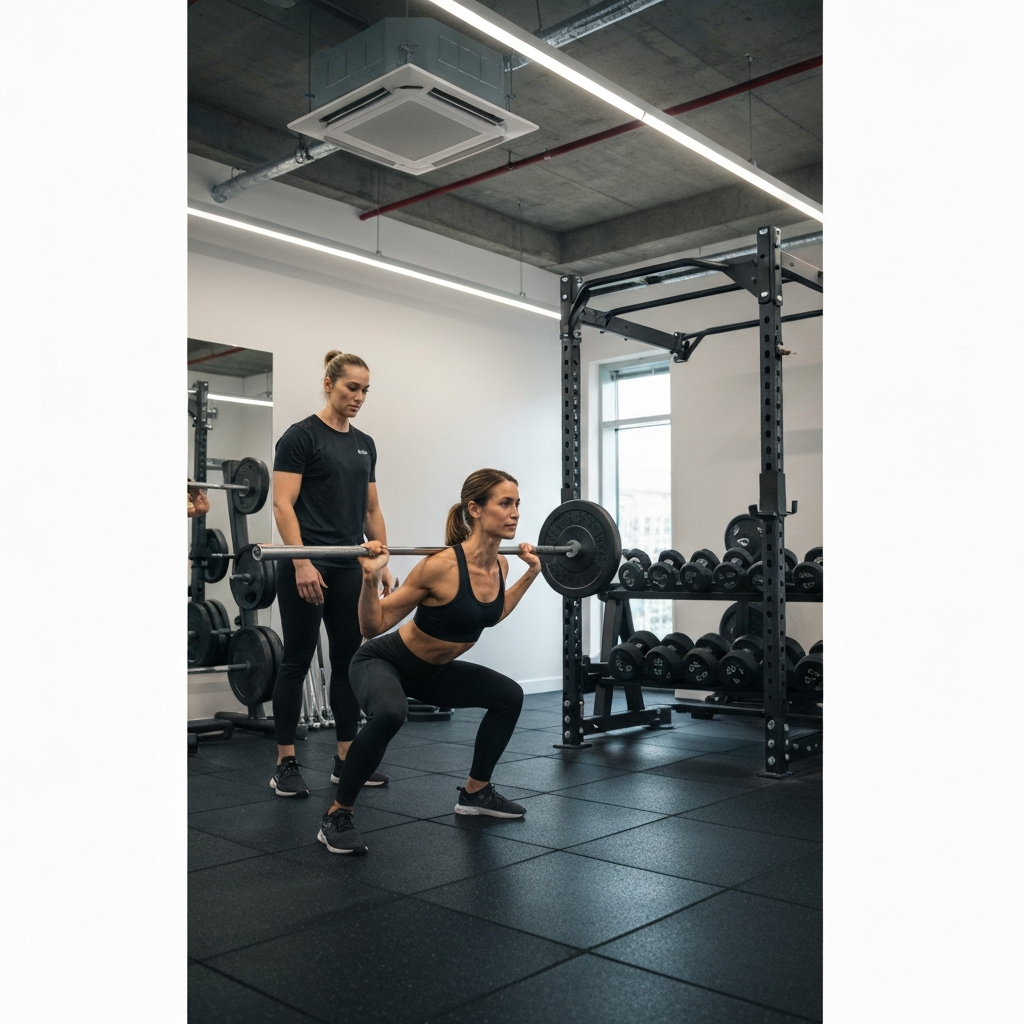
Compound exercises are multi-joint movements that work several muscle groups simultaneously. Examples include squats, deadlifts, bench presses, overhead presses, and rows. These exercises are incredibly efficient for building strength, increasing muscle mass, and burning calories. Prioritize compound movements in your workouts before moving on to isolation exercises. Focus on proper form to prevent injuries and maximize muscle activation. Start with lighter weights and gradually increase the load as you get stronger. Consider working with a qualified trainer to learn the correct technique for each exercise.
Step 3: Progressive Overload: The Engine of Growth
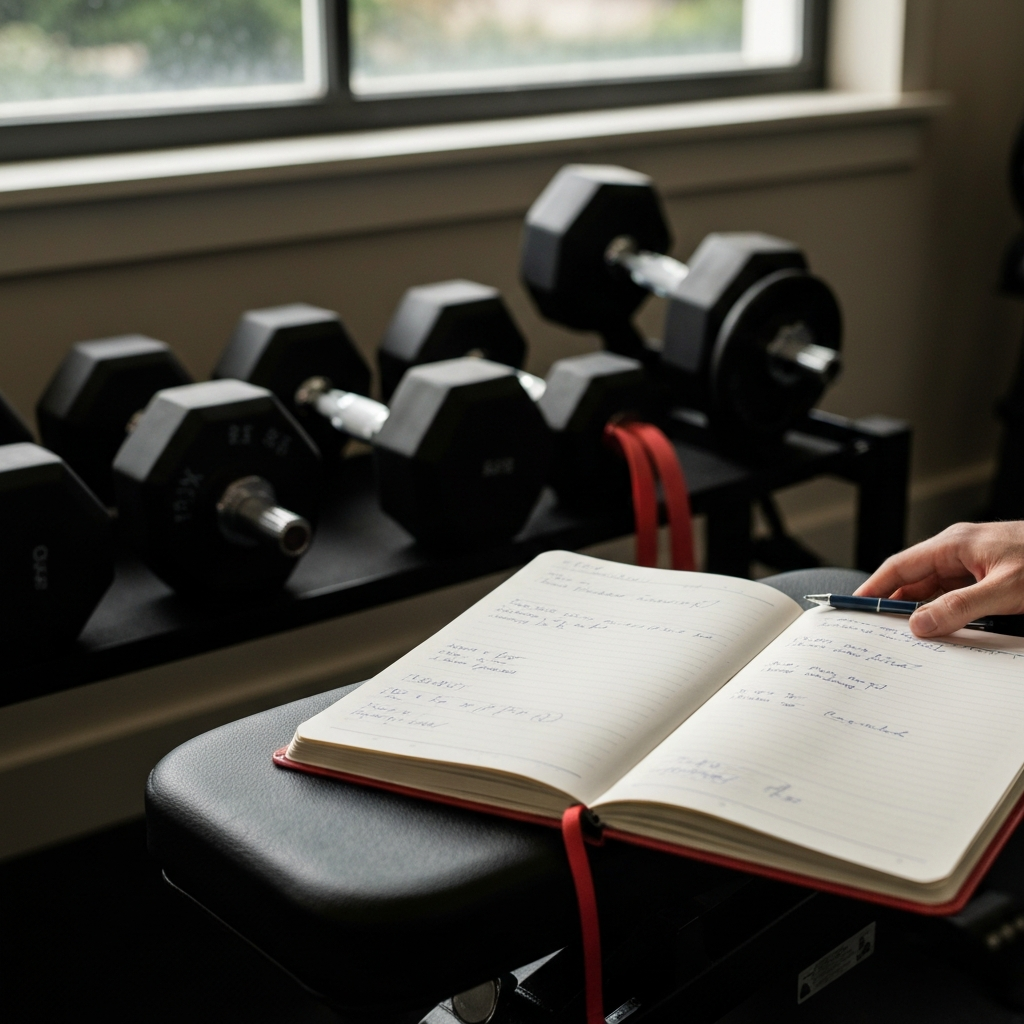
Progressive overload is the principle of gradually increasing the demands placed on your body over time. This could involve increasing the weight you lift, the number of repetitions you perform, or the sets you complete. Without progressive overload, your body will adapt to your workouts, and you'll stop making progress. Track your workouts and strive to improve each session. Even small increments of improvement can lead to significant gains over time. Be patient and consistent, and avoid increasing the load too quickly, which can increase your risk of injury.

Step 4: Nutrition: Fueling Your Performance
Nutrition is the foundation of any successful fitness program. Focus on eating a balanced diet rich in whole, unprocessed foods. This includes plenty of lean protein, complex carbohydrates, healthy fats, fruits, and vegetables. Pay attention to your macronutrient ratios (protein, carbs, and fats) to support your training goals. For muscle growth, aim for around 0.8-1 gram of protein per pound of body weight. Stay hydrated by drinking plenty of water throughout the day. Consider tracking your calories and macronutrients to ensure you're meeting your needs.

Step 5: Prioritizing Recovery: The Unsung Hero
Recovery is just as important as training and nutrition. Your muscles don't grow in the gym; they grow during rest. Aim for 7-9 hours of quality sleep each night. Implement active recovery techniques, such as light cardio or stretching, to improve blood flow and reduce muscle soreness. Consider incorporating foam rolling or massage to release tension in your muscles. Manage stress through relaxation techniques, such as meditation or yoga. Overtraining can lead to fatigue, injury, and decreased performance, so listen to your body and take rest days when needed.

Tools or Materials Required
- Weightlifting equipment (dumbbells, barbells, weight plates)
- Resistance bands
- A fitness journal or workout tracking app
- Foam roller
- Healthy, whole foods
- Water bottle
Common Mistakes to Avoid
- Overtraining: Pushing yourself too hard without adequate rest.
- Neglecting proper form: Prioritizing weight over technique, leading to injury.
- Inconsistent nutrition: Failing to fuel your body properly for training and recovery.
- Ignoring sleep: Sacrificing sleep for other activities, hindering recovery and performance.
- Lack of progressive overload: Not gradually increasing the demands placed on your body.
Safety Considerations
- Always warm up before each workout and cool down afterward.
- Use proper form when performing exercises.
- Start with lighter weights and gradually increase the load as you get stronger.
- Listen to your body and stop if you feel pain.
- Consult with a healthcare professional before starting any new exercise program.
Pro Tips
- Find a workout buddy to stay motivated and accountable.
- Prepare your meals in advance to avoid making unhealthy food choices.
- Set realistic goals and track your progress.
- Celebrate your successes along the way.
- Be patient and persistent; results take time.
FAQ Section
Q: How often should I work out?
A: The optimal frequency depends on your training split, experience level, and recovery capabilities. Aim for at least 3-5 workouts per week.
Q: How much protein should I eat?
A: Aim for around 0.8-1 gram of protein per pound of body weight, especially if you're trying to build muscle.
Q: What's the best time to work out?
A: The best time to work out is whenever you can consistently fit it into your schedule.
Q: How long should I rest between sets?
A: Rest periods depend on the exercise and your goals. For strength training, aim for 1-3 minutes of rest. For hypertrophy (muscle growth), aim for 30-90 seconds of rest.
Q: Is cardio necessary?
A: Cardio is beneficial for cardiovascular health and can help with weight loss. However, it's not essential for building muscle.
Conclusion
Hacking your body's fitness potential is a journey, not a destination. By understanding the principles of training, nutrition, and recovery, you can create a personalized plan that helps you achieve your goals and live a healthier, happier life. Remember to stay consistent, listen to your body, and celebrate your progress along the way. The most important factor is finding a sustainable approach that you can enjoy for the long term.