In an era often described as "post-truth," where objective facts are increasingly challenged and personal beliefs hold sway, the search for meaning and spiritual grounding can feel particularly complex. Traditional religious institutions, once reliable anchors, may seem out of sync with contemporary values and experiences. This necessitates a personalized approach to spirituality, one that acknowledges the subjective nature of truth while remaining grounded in ethical principles and genuine connection.
Finding your personal religion isn't about discarding faith altogether; it's about curating a set of beliefs and practices that resonate deeply with your individual needs, values, and understanding of the world. It's about creating a framework for living that provides guidance, comfort, and a sense of belonging, without blindly adhering to dogma or tradition. This journey requires introspection, exploration, and a willingness to question everything, including your own assumptions.
This guide provides a structured approach to help you navigate this process, empowering you to construct a personal religion that is both meaningful and authentic.
Step 1: Introspection and Self-Discovery
Identify Your Core Values
Begin by identifying your core values – the principles that guide your decisions and shape your perception of right and wrong. These values might include compassion, justice, creativity, honesty, freedom, or community. Understanding what truly matters to you is the foundation upon which you'll build your personal religion. Consider moments in your life when you felt most fulfilled and aligned with your true self. What values were being honored in those moments? These values should be incorporated into your daily practice.
Consider these questions: What principles are non-negotiable for you? What behaviors do you admire in others? What injustices make you feel compelled to act?

Step 2: Exploring Spiritual Traditions and Philosophies
Research Various Belief Systems
Don't limit yourself to the familiar. Explore a wide range of spiritual traditions, philosophical schools of thought, and ethical frameworks. This could include major world religions, indigenous spiritual practices, secular humanism, Stoicism, Buddhism, or even scientific perspectives on consciousness and the universe. The goal is not to convert, but to identify elements that resonate with your values and provide insights that can enrich your understanding of the world. Read primary sources, engage with practitioners, and approach each tradition with an open mind and a critical eye.
Practical details: visit local places of worship or meditation centers of different faiths. Read books or articles by respected scholars and practitioners of these traditions. Watch documentaries or attend lectures to learn more about different belief systems.

Step 3: Identifying Resonances and Dissonances
Discern What Aligns with Your Values
As you explore different traditions and philosophies, pay close attention to what resonates with your core values and what feels dissonant or contradictory. Does a particular tradition's emphasis on compassion align with your own values? Does its hierarchical structure feel at odds with your belief in equality? Note these resonances and dissonances carefully. This process of discernment is crucial for building a personal religion that is both authentic and meaningful. Don't be afraid to reject aspects of a tradition that don't align with your values, even if those aspects are considered central to the tradition by others.
Common Mistakes to Avoid: Avoid cherry-picking aspects of different traditions without a deep understanding of their context and meaning. This can lead to a superficial and incoherent belief system.

Step 4: Crafting Your Personal Belief System
Integrate Meaningful Elements
Now, begin to integrate the elements that resonate with you into a coherent personal belief system. This doesn't mean creating a rigid dogma, but rather a flexible framework that provides guidance and meaning in your life. This may involve adopting certain rituals or practices from different traditions, reinterpreting traditional concepts in light of your own understanding, or developing entirely new ways of expressing your spirituality. Remember that your personal religion is a work in progress, and it should evolve as you grow and learn. It's a creative endeavor, so embrace the freedom to shape it according to your own needs and aspirations.
Pro Tips: Start small. Focus on incorporating one or two practices that feel particularly meaningful. Gradually expand your personal religion as you become more comfortable and confident in your choices.

Step 5: Embodiment and Practice
Live Your Values in Action
Your personal religion should not be confined to intellectual assent; it should be embodied in your daily life. This means actively practicing your values in your interactions with others, your work, and your engagement with the world. Cultivate compassion, practice gratitude, strive for justice, and seek to create beauty and meaning in all that you do. This is where respect comes in, both for yourself and others. Consider ways to show kindness, courtesy, and respect to everyone you encounter, regardless of their background or beliefs. Also be respectful of different beliefs and opinions.
Safety Considerations: Be mindful of the potential for spiritual bypassing – using spiritual practices to avoid dealing with difficult emotions or real-world problems.

Step 6: Continuous Reflection and Refinement
Re-evaluate and Adapt
Your journey is not static. Regularly reflect on your beliefs and practices, re-evaluating their effectiveness and relevance in your life. Are they still providing you with guidance and meaning? Are they helping you to become a better person? Be open to revising your personal religion as you grow and learn, incorporating new insights and shedding outdated beliefs. This ongoing process of reflection and refinement is essential for maintaining the integrity and authenticity of your personal religion. Consider journaling or meditating to reflect on your experiences.
FAQ Section:
Q: What if my beliefs change over time?
A: That's perfectly normal and expected. Your personal religion should evolve with you as you grow and learn.
Conclusion
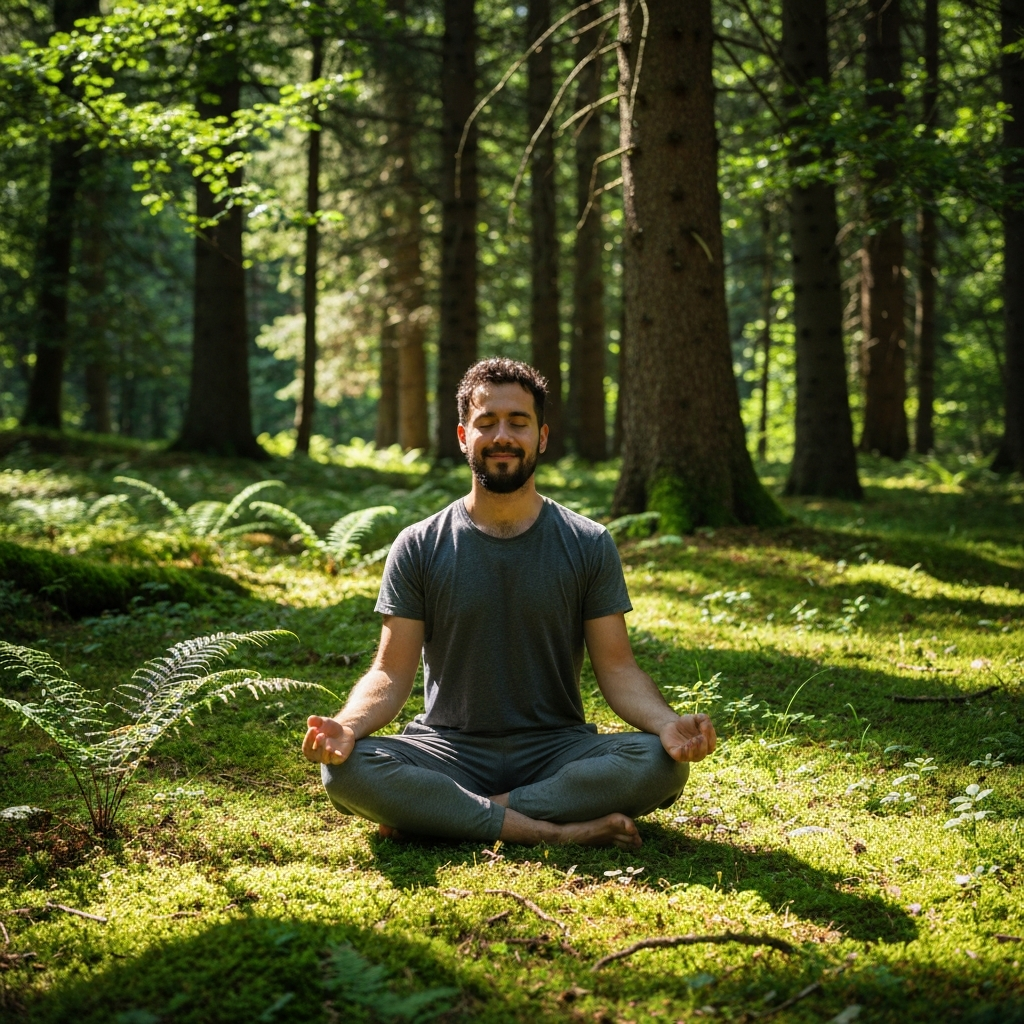
Finding your personal religion in a post-truth world is a challenging but ultimately rewarding journey. It requires introspection, exploration, and a commitment to living authentically. By identifying your core values, exploring different traditions, crafting a personal belief system, and embodying your values in action, you can create a spiritual framework that provides guidance, comfort, and meaning in your life. Remember that your personal religion is a unique and evolving expression of your own spiritual journey. Embrace the process, trust your intuition, and create a faith that is truly your own. Respecting yourself and the journey will be the most important guide.