The search for meaning and purpose is a fundamental human drive. For many, organized religion provides a framework for understanding the universe and their place within it. However, traditional religious structures aren't always the right fit for everyone. If you find yourself seeking spiritual fulfillment outside the confines of established doctrines, crafting your own personal religion might be the answer. This journey is one of self-discovery, philosophical exploration, and the courageous creation of a belief system tailored to your deepest values and aspirations.
Creating a personal religion isn't about fabricating arbitrary rules or cherry-picking elements from existing faiths. It's about thoughtfully examining your own experiences, values, and understanding of the world, and then constructing a cohesive and meaningful spiritual practice around them. This requires introspection, critical thinking, and a willingness to challenge your own assumptions. It's a process of continuous refinement, a lifelong conversation with yourself and the universe.
This guide offers a philosophical toolkit to help you navigate this complex but rewarding process. We'll explore key principles, provide practical steps, and offer insights to help you craft a personal religion that resonates authentically with your soul. Remember, the goal is not to simply invent something, but to discover what already exists within you.
Step 1: Introspection and Self-Discovery
Understanding Your Core Values
The foundation of any personal religion lies in your core values. These are the principles that guide your decisions, shape your worldview, and define what you consider to be good and right. Take the time to identify these values. What truly matters to you? Is it compassion, justice, creativity, knowledge, connection with nature, or something else entirely? Write down a list of your top five to ten values and reflect on why they are so important to you.Consider past experiences where you felt most aligned with yourself – what values were being expressed in those moments?

Step 2: Exploring Existing Spiritual Traditions
Learning from the World's Religions and Philosophies
While you may be forging your own path, it's essential to learn from the wisdom of those who have come before. Explore different religions, philosophies, and spiritual practices. Read about their histories, beliefs, rituals, and ethical frameworks. You don't have to adopt any of these wholesale, but you can glean valuable insights and inspiration. Consider Buddhism's emphasis on mindfulness, Stoicism's focus on virtue, or Hinduism's exploration of interconnectedness. Pay attention to what resonates with you and what doesn't, and ask yourself why. Remember that understanding doesn't necessitate agreement.

Step 3: Defining Your Cosmology
Developing Your Understanding of the Universe
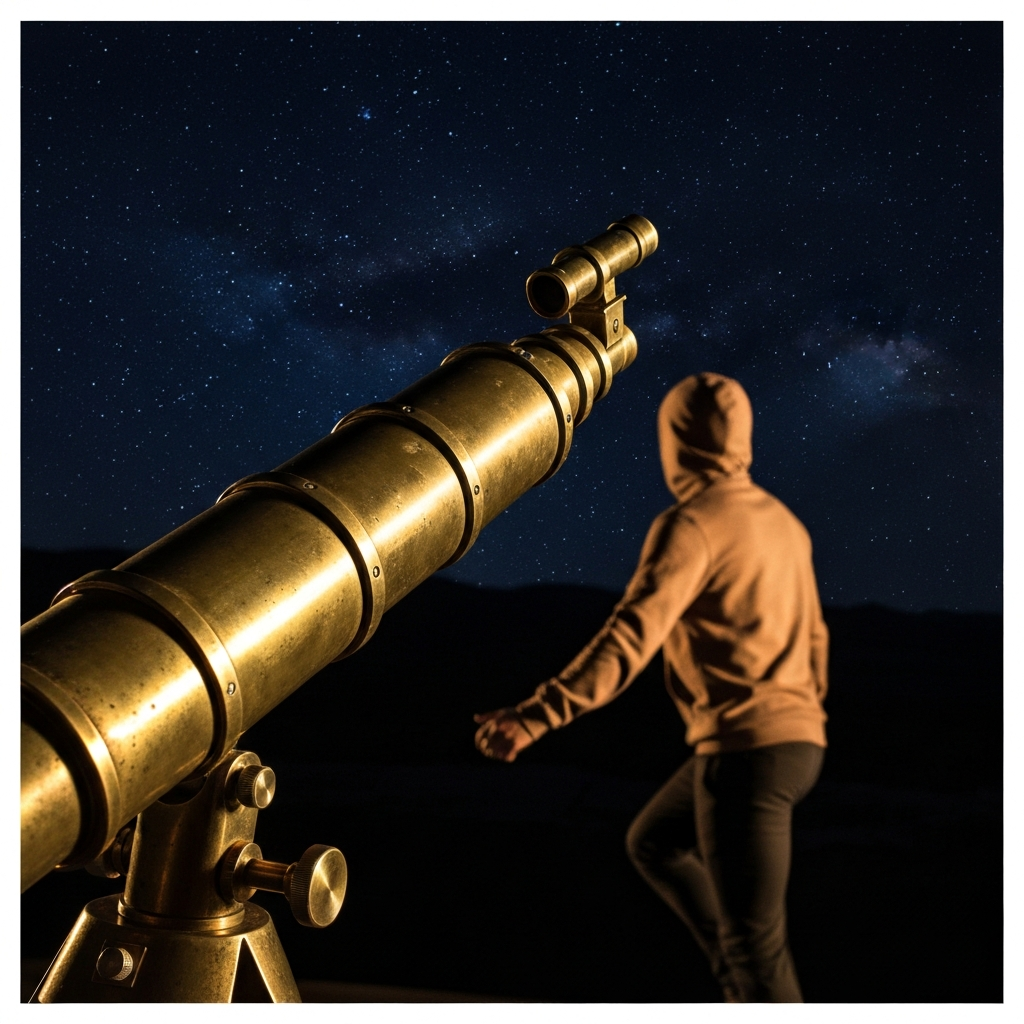
Cosmology is the study of the origin, evolution, and eventual fate of the universe. A personal religion often involves a personal cosmology, a way of understanding the big picture. Do you believe in a creator god? Is the universe deterministic or governed by chance? What is the nature of reality? Your cosmology doesn't have to be scientifically accurate (though it can be informed by science); it simply needs to be meaningful and internally consistent for you. Consider different scientific and philosophical perspectives, and develop a view that aligns with your intuition and experience.
Step 4: Creating Your Ethical Framework
Establishing Principles for Moral Conduct
Ethics are the moral principles that govern your behavior. Your personal religion should include a clear ethical framework that guides your interactions with others and the world around you. This framework should be rooted in your core values and informed by your understanding of the universe. Consider questions of responsibility, fairness, and compassion. What are your obligations to yourself, to your community, and to the planet? How do you resolve ethical dilemmas? Develop a set of principles that you can consistently apply to your life.

Step 5: Developing Rituals and Practices
Incorporating Meaningful Actions into Your Life
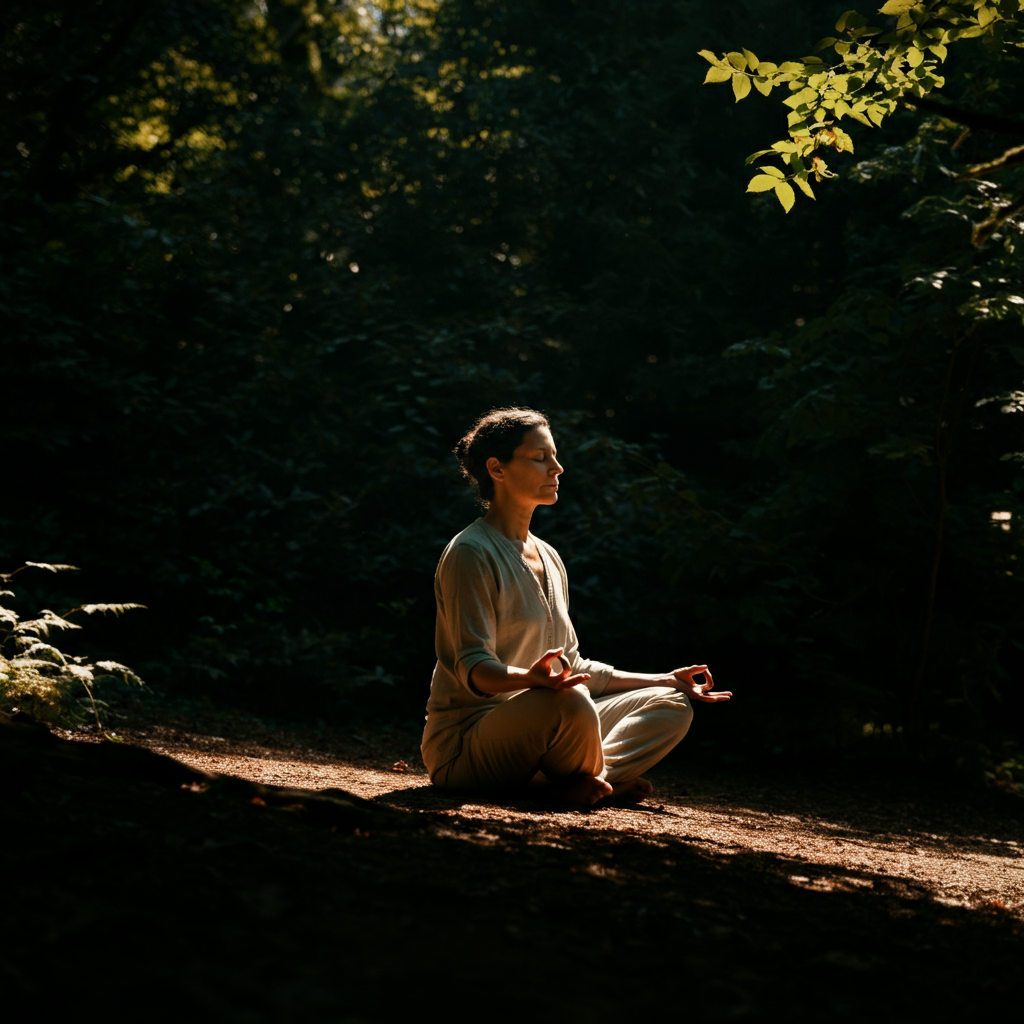
Rituals and practices can provide a sense of structure, connection, and meaning. These can be simple or elaborate, solitary or communal. Examples include meditation, journaling, spending time in nature, creative expression, or acts of service. The key is to choose practices that resonate with you and that help you connect with your values and your understanding of the universe. Don't be afraid to experiment and adapt existing rituals or create your own. The act of creating a ritual itself can be deeply meaningful.
Step 6: Finding Community (Optional)
Connecting with Like-Minded Individuals
While a personal religion is inherently individual, connecting with others who share similar values or beliefs can be incredibly enriching. This doesn't necessarily mean joining an organized religious group; it could involve forming a small circle of friends, participating in online forums, or attending workshops and retreats. Sharing your experiences and ideas with others can help you refine your own beliefs and gain new perspectives. However, be sure to prioritize authenticity and avoid feeling pressured to conform to others' expectations.

Step 7: Continual Reflection and Refinement
Evolving Your Beliefs Over Time
Your personal religion is not set in stone. It should be a living, evolving system that adapts to your changing experiences and understanding of the world. Regularly reflect on your beliefs, practices, and ethical framework. Are they still serving you? Are they still aligned with your values? Don't be afraid to revise your beliefs or discard practices that no longer resonate. The goal is to create a spiritual path that is authentic and meaningful to you, and that supports your growth and well-being.

FAQ Section
Q: Is creating a personal religion disrespectful to established religions?
A: Not necessarily. Creating a personal religion is about finding a spiritual path that resonates with you. It can be done with respect and appreciation for existing traditions. The key is to avoid appropriating beliefs or practices without understanding their context and significance.
Q: What if my beliefs change over time?
A: That's perfectly normal and expected. Your personal religion should be flexible enough to accommodate your evolving understanding of the world. Regularly reflect on your beliefs and be willing to revise them as needed.
Q: How do I know if my personal religion is "right"?
A: There is no "right" or "wrong" when it comes to personal religion. The only criterion is whether it is meaningful and fulfilling for you. Does it help you live a more ethical, purposeful, and joyful life?
Tools or Materials Required
- Journal and pen for reflection.
- Access to books and online resources about different religions and philosophies.
- A quiet space for meditation and contemplation.
Common Mistakes to Avoid
- Blindly rejecting all established religions without exploring them.
- Cherry-picking elements from different religions without understanding their context.
- Creating a belief system based on ego or wishful thinking.
- Becoming dogmatic or rigid in your beliefs.
Conclusion
Finding your personal religion is a lifelong journey of self-discovery and philosophical exploration. By understanding your core values, exploring existing spiritual traditions, defining your cosmology, creating an ethical framework, developing meaningful rituals, and continually reflecting on your beliefs, you can craft a spiritual path that is authentic, fulfilling, and uniquely your own. Embrace the process, be open to new ideas, and trust your intuition. The most important thing is to create a belief system that helps you live a more meaningful and purposeful life.