That clunk, squeal, or grind coming from your car can be incredibly frustrating, especially when you don't know the cause. Before you rush to the mechanic and potentially face a hefty bill, taking the time to investigate the sound yourself can save you money and give you a better understanding of your vehicle's health. This guide provides a step-by-step approach to help you identify the source of that mystery car noise, enabling you to communicate more effectively with your mechanic or even tackle the repair yourself.
Diagnosing car noises requires a methodical approach and keen observation. It's not always about having extensive mechanical knowledge, but rather about being attentive to the specific circumstances surrounding the sound. Consider when the noise occurs – is it during acceleration, braking, turning, or at idle? Where does it seem to be coming from – under the hood, underneath the car, or from the wheels? Answering these questions will narrow down the potential culprits and guide you toward the solution. Remember, safety is paramount, so always exercise caution when inspecting your vehicle.
By following these steps, you'll gain valuable insights into your car's condition and be better prepared to address the issue effectively. Don't be intimidated – even a basic understanding can make a significant difference. Let's get started!
Step 1: Gather Information and Initial Observation
The first step is to gather as much information as possible about the noise. Pay close attention to when the noise occurs. Is it constant, intermittent, or only present under certain conditions? Does it happen when the engine is cold or hot? Is it louder at certain speeds? Try to pinpoint the exact location of the sound. Have someone else drive while you listen from different positions inside and outside the car (safely, of course). Note the type of noise: is it a squeal, grind, clunk, hiss, or rattle? The more detail you can gather, the easier it will be to diagnose the problem.

Step 2: Check the Fluids
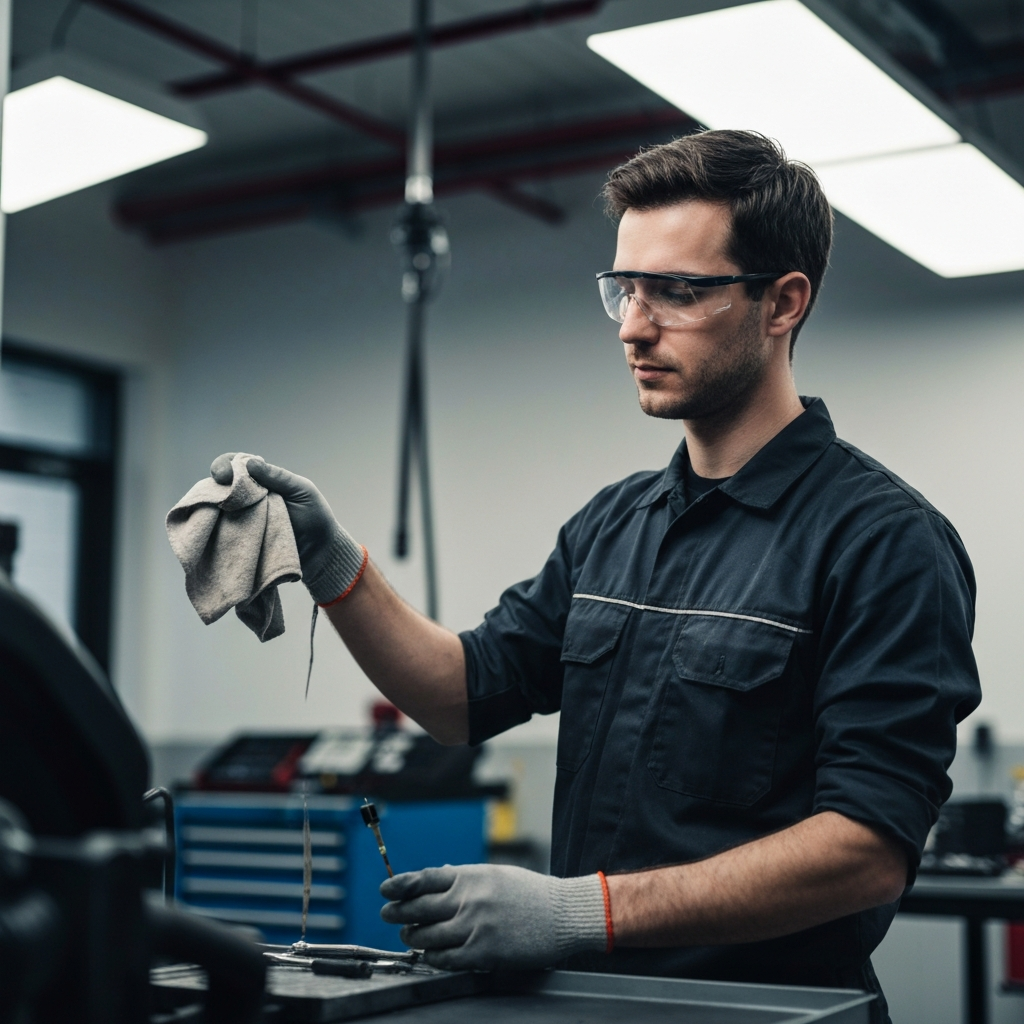
Low fluid levels can often cause unusual noises. Start by checking your engine oil, coolant, power steering fluid, brake fluid, and transmission fluid (if applicable). Low oil can cause engine knocking or ticking sounds, while low coolant can lead to overheating and hissing noises. Power steering issues often manifest as a whining sound when turning the wheel. Inspect the fluids for any signs of contamination, such as a milky appearance (indicating water contamination) or metallic particles. If any fluid levels are consistently low, investigate potential leaks.
Step 3: Inspect the Belts and Pulleys
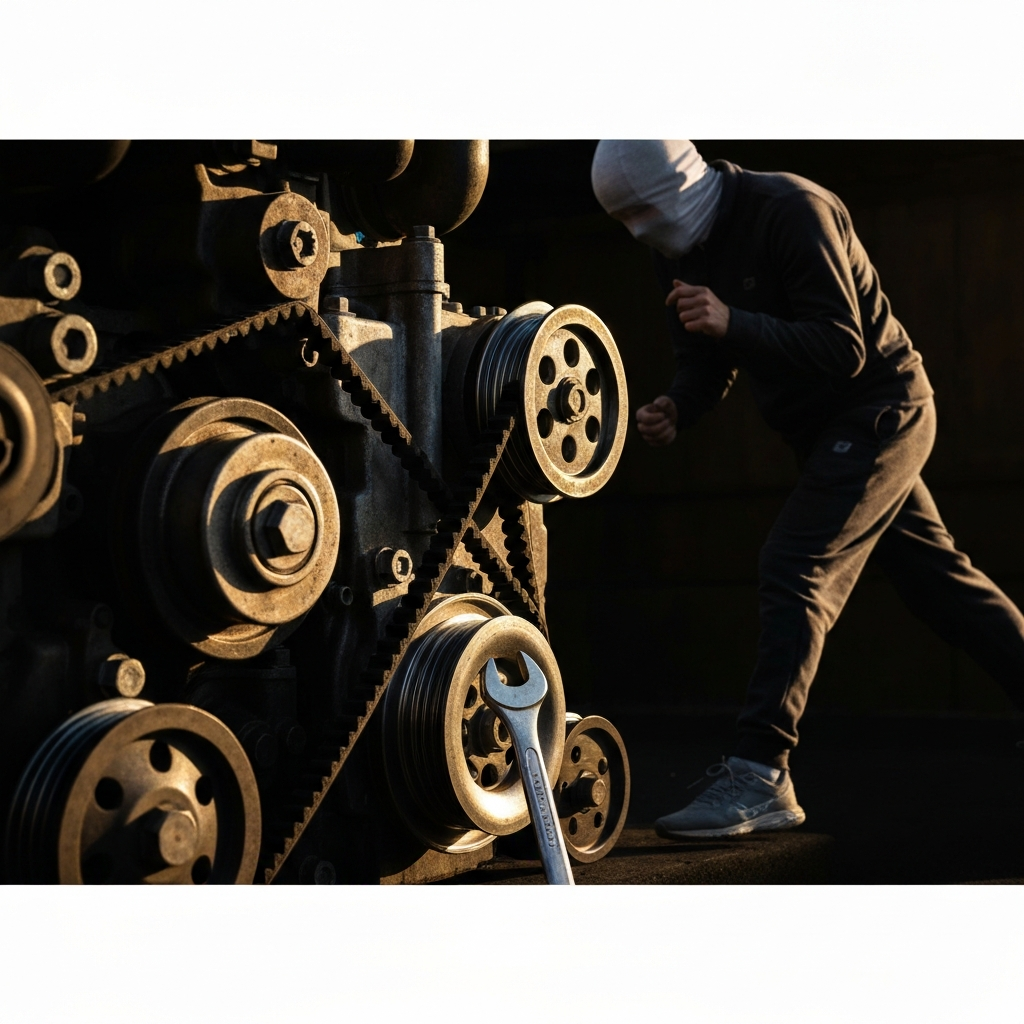
Squealing or chirping noises are often related to the belts and pulleys. Inspect the belts for cracks, fraying, or glazing. A worn belt can slip, causing a high-pitched squeal, especially when the engine is first started or under heavy load. Check the tension of the belts; they should have some give but not be excessively loose. Also, examine the pulleys for any signs of damage or misalignment. A rusty or damaged pulley can cause the belt to wear prematurely and create noise. You can use a belt dressing spray as a temporary fix for squealing belts, but ultimately, replacement is usually necessary.
Step 4: Examine the Brakes
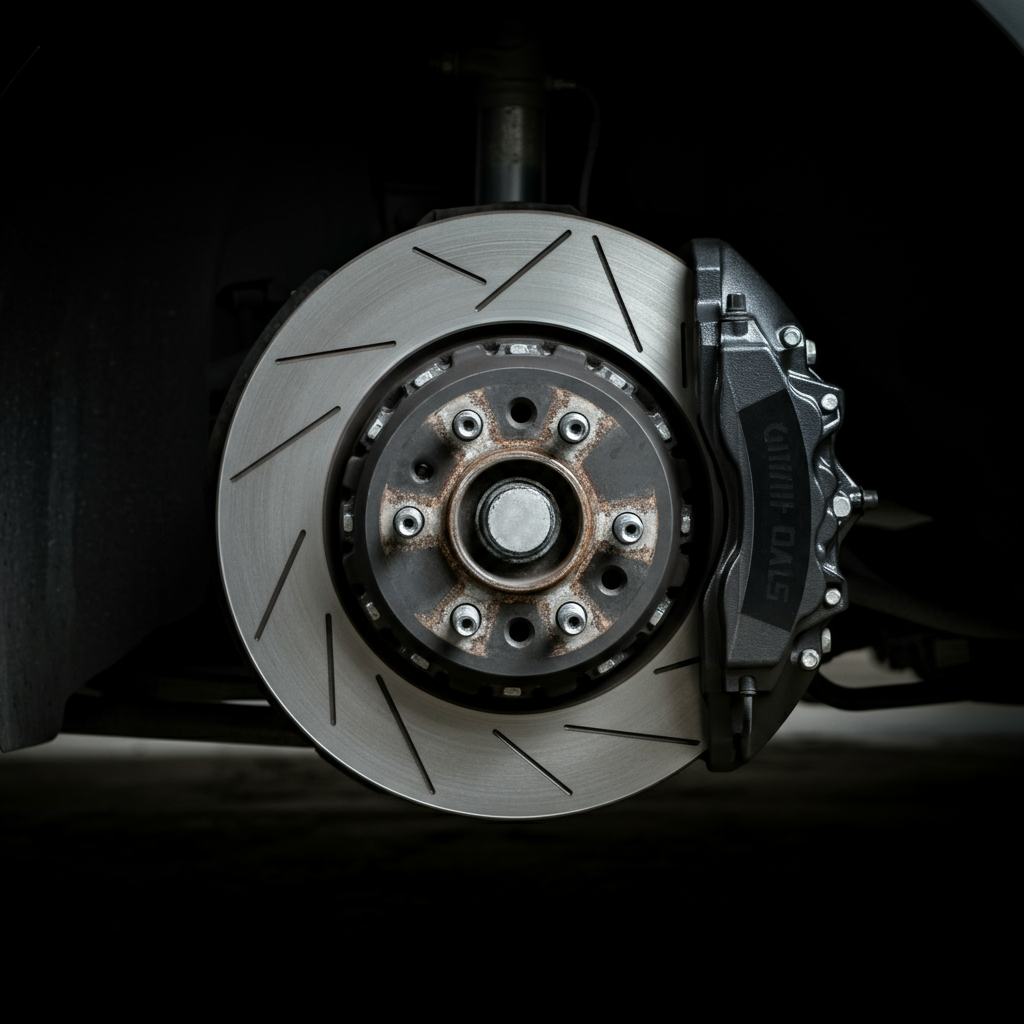
Brake noises are common and usually indicate worn brake pads or rotors. Squealing brakes often mean that the brake pads are worn down to the wear indicators. Grinding noises suggest that the brake pads are completely worn and the metal backing plate is rubbing against the rotor. A pulsating brake pedal combined with a grinding noise could indicate warped rotors. Visually inspect the brake pads through the wheel spokes or by removing the wheel. Check the rotors for any signs of damage, such as deep grooves or cracks.
Step 5: Listen for Exhaust Leaks
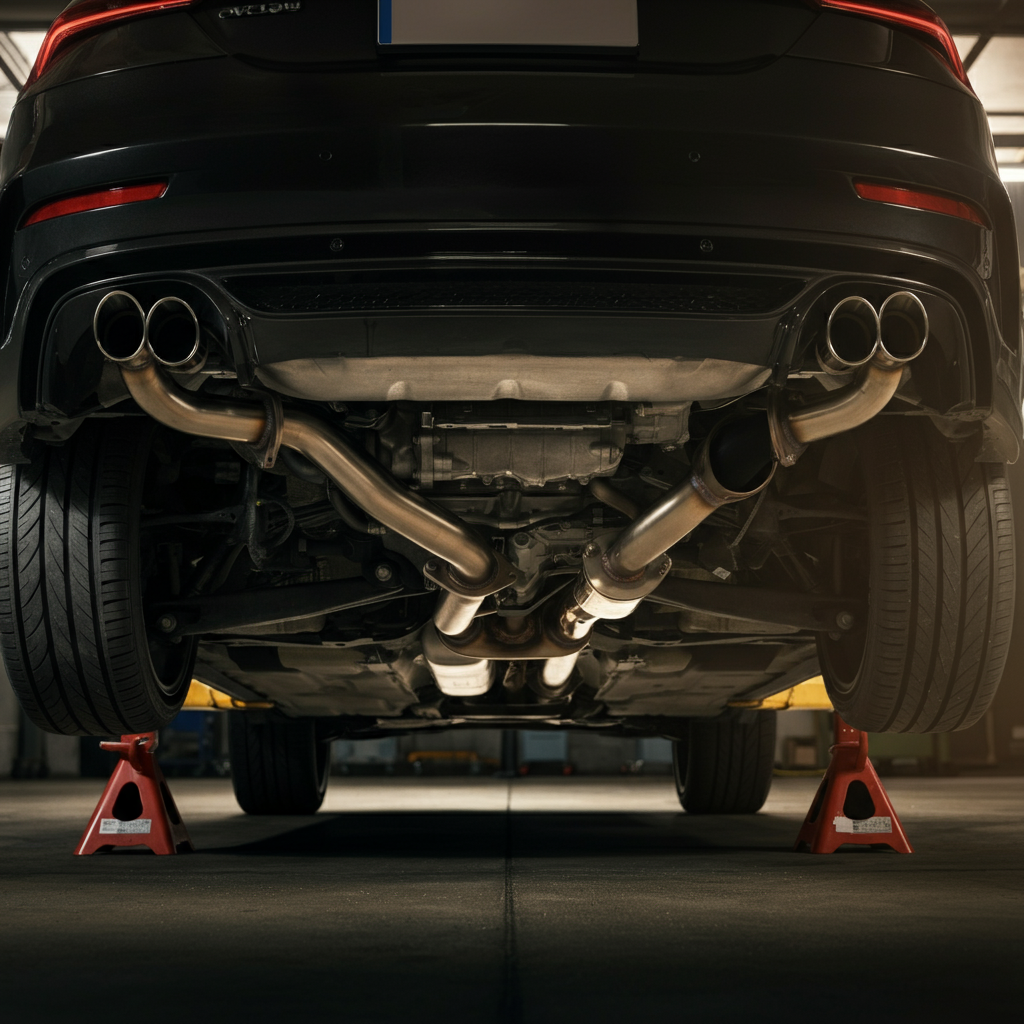
A hissing or roaring noise coming from under the car, especially during acceleration, could indicate an exhaust leak. Carefully inspect the exhaust system for any signs of damage, such as holes, cracks, or rust. Exhaust leaks can be dangerous, as they can allow carbon monoxide to enter the cabin. Start the engine and listen for the noise while someone else briefly blocks the tailpipe (be careful not to burn yourself). This will help you pinpoint the location of the leak. Note that exhaust systems get extremely hot, so never touch them directly after the engine has been running.
Step 6: Check the Suspension Components
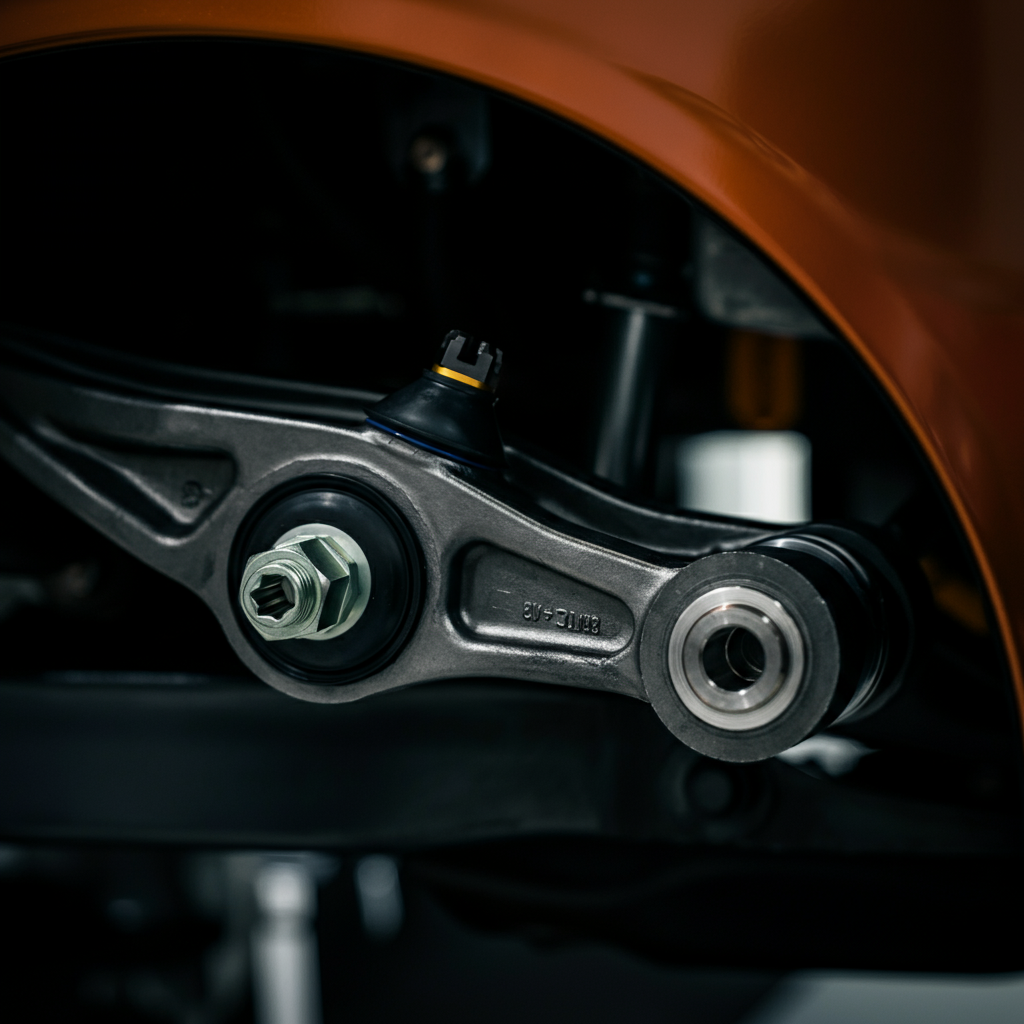
Clunking, rattling, or popping noises coming from the suspension are usually caused by worn or damaged components. These noises often occur when going over bumps or turning. Inspect the shocks, struts, springs, ball joints, tie rod ends, and sway bar links for any signs of damage, such as leaks, cracks, or excessive play. A worn ball joint can cause a clunking noise and affect the car's handling. If you suspect a suspension issue, it's best to have it inspected by a professional, as worn suspension components can compromise your safety.
Tools or Materials Required
- Jack and Jack Stands (for safe vehicle elevation)
- Wheel Chocks
- Gloves
- Safety Glasses
- Flashlight or Work Light
- Rags
- Basic Socket Set and Wrenches
Safety Considerations
- Always use jack stands when working under a vehicle. Never rely solely on a jack.
- Wear safety glasses to protect your eyes from debris.
- Allow the engine and exhaust system to cool down before inspecting them.
- Work in a well-ventilated area, especially when dealing with exhaust leaks.
- If you are unsure about any repair, consult a qualified mechanic.
Common Mistakes to Avoid
- Ignoring the noise hoping it will go away (it rarely does).
- Not gathering enough information about the noise before starting the diagnosis.
- Working under a vehicle without proper safety precautions.
- Using the wrong tools or techniques.
- Attempting repairs beyond your skill level.
FAQ Section
- Q: My car makes a clicking noise when I turn the key, but it won't start. What could be the problem?
- A: This usually indicates a problem with the starter motor or a dead battery. Try jump-starting the car. If that doesn't work, the starter motor may need to be replaced.
- Q: What does it mean when my car makes a whining noise when I accelerate?
- A: A whining noise during acceleration could be caused by several things, including a failing power steering pump, a worn alternator bearing, or a transmission issue. It's best to have it checked by a mechanic to determine the exact cause.
- Q: How can I tell if my tires are making the noise?
- A: Tire noise usually changes with speed and can be affected by road surface. Rotate your tires to see if the noise moves to a different location. Check your tires for uneven wear, bulges, or embedded objects.
In conclusion, diagnosing car noises takes patience, careful observation, and a systematic approach. By gathering information, checking fluids, inspecting belts and brakes, and listening for exhaust leaks, you can narrow down the potential causes and communicate more effectively with your mechanic. Remember to prioritize safety and consult a professional when in doubt. A little effort can save you time, money, and potential headaches down the road.