That unsettling noise coming from your car can be incredibly stressful. Is it a minor annoyance or a sign of impending mechanical doom? Before rushing to your mechanic and potentially facing a hefty bill, there are steps you can take to pinpoint the source of the sound and gather valuable information. This pre-diagnosis can save you time, money, and potentially prevent further damage to your vehicle.
This guide will walk you through a systematic approach to identifying car noises. We'll cover common sounds, their potential causes, and simple checks you can perform yourself. Remember, safety is paramount, so if you're unsure about any step, it's always best to consult a qualified mechanic.
By becoming a savvy listener and observer of your car, you can effectively communicate your concerns to your mechanic and ensure they have the information needed to diagnose and fix the problem efficiently. Let's get started!
Step 1: Identify the Type of Sound
The first step is to accurately describe the sound. Is it a squeal, a grinding noise, a clunk, a rattle, a hiss, or a thump? Note when the sound occurs: is it constant, intermittent, only when accelerating, braking, turning, or going over bumps? The more specific you can be, the easier it will be to narrow down the potential causes. Try to record the sound using your phone, if possible, as this can be very helpful for your mechanic.

Step 2: Determine the Location of the Sound
Pinpointing the location of the sound is crucial. Can you tell if it's coming from the front, rear, left, or right side of the car? Is it under the hood, near the wheels, or somewhere else entirely? Have someone else listen with you to help determine the location; they might catch something you miss. Be extremely cautious when attempting to locate sounds while the car is moving. Pull over to a safe location before investigating further.

Step 3: Check the Basics Under the Hood
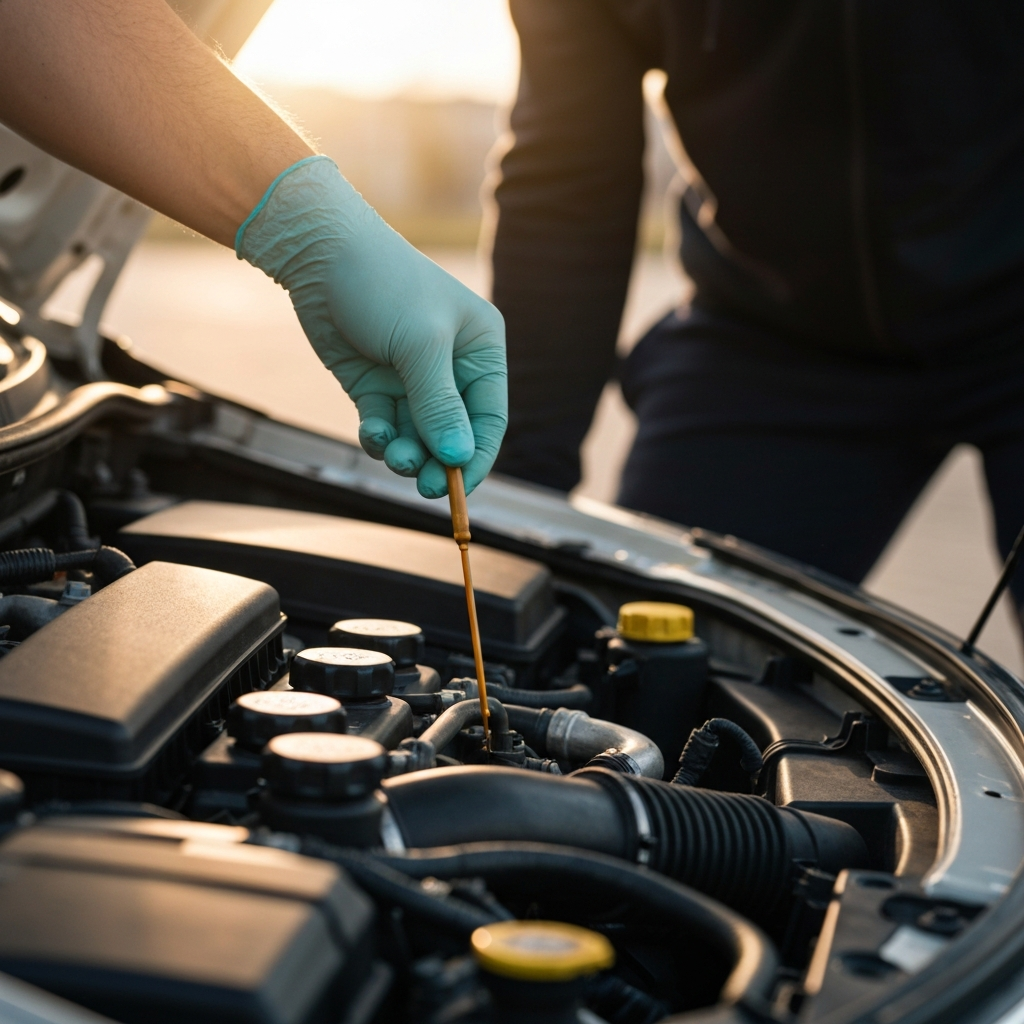
With the engine off and the car cool, perform a visual inspection under the hood. Check fluid levels (oil, coolant, brake fluid, power steering fluid). Look for leaks, frayed belts, loose hoses, or anything that appears out of place. Low fluid levels can often cause unusual noises, especially in the power steering or braking systems. Consult your car's manual to identify the location of the different fluids and proper fill levels.
Step 4: Inspect the Wheels and Brakes
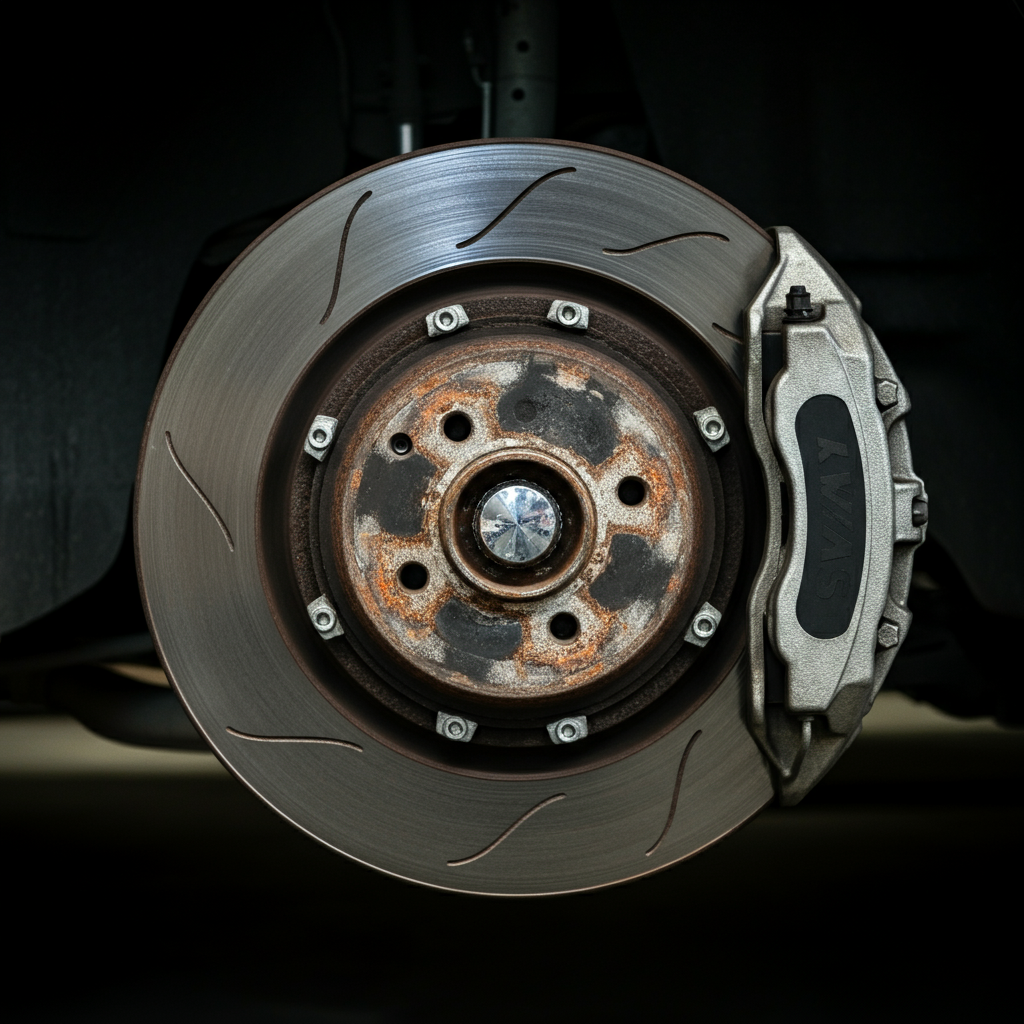
If the noise seems to be coming from the wheels, inspect the tires for uneven wear, bulges, or embedded objects. Check the brake pads and rotors for wear or damage. A squealing sound when braking is often a sign of worn brake pads. A grinding noise could indicate metal-on-metal contact, which requires immediate attention. Do not attempt to drive the car if you suspect a serious brake problem.
Step 5: Test the Suspension
To test the suspension, push down firmly on each corner of the car. The car should bounce back up and settle quickly. Excessive bouncing or squeaking noises during this test can indicate worn shocks or struts. Listen for any unusual noises when driving over speed bumps or uneven surfaces. Worn suspension components can lead to a clunking or rattling sound, especially when going over bumps.

Step 6: Listen to the Exhaust System
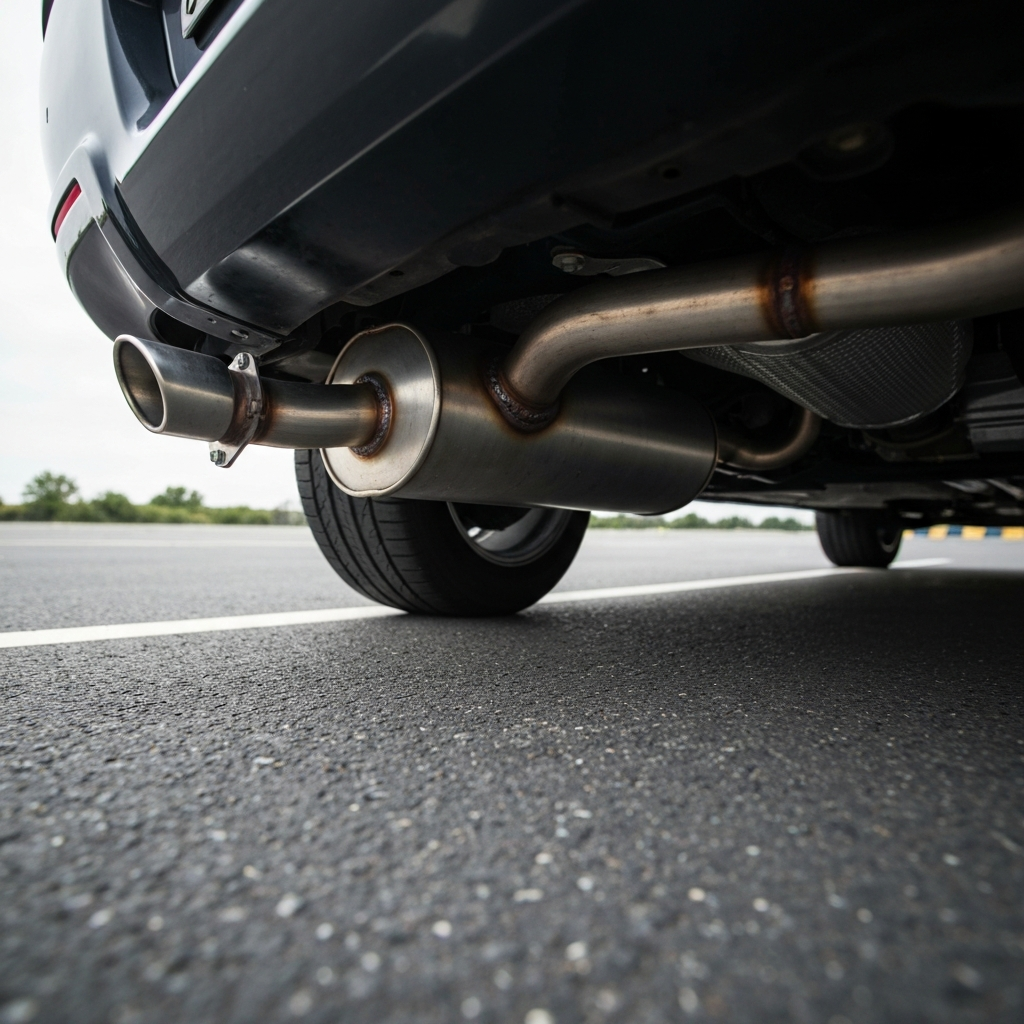
A hissing or roaring sound, especially when accelerating, could indicate a leak in the exhaust system. Check for rust, holes, or loose connections. Be extremely careful when inspecting the exhaust system, as it can get very hot. Never touch a hot exhaust system. Allow it to cool completely before attempting any inspection.
Step 7: Power Steering System Check
If you hear a whining noise when turning the steering wheel, especially at low speeds, it could be related to the power steering system. Check the power steering fluid level and look for leaks. Also, inspect the power steering belt for wear and tear. Air in the power steering system can also cause noise. Sometimes, simply topping off the fluid and turning the wheel lock-to-lock several times can resolve the issue.

Tools or Materials Required
- Flashlight
- Gloves
- Jack and Jack Stands (for wheel inspection - use safely!)
- Wheel Chocks
- Rag or paper towels
- Car Manual
- Recording Device (Phone)
Safety Considerations
- Always work on a level surface.
- Use jack stands when lifting the car. Never work under a car supported only by a jack!
- Let the engine cool down before inspecting it.
- Wear safety glasses to protect your eyes.
FAQ Section
Q: My car makes a clicking noise when I turn the key, but it doesn't start. What could it be?
A: This is often a sign of a weak or dead battery. Try jump-starting the car. If that doesn't work, the battery may need to be replaced.
Q: My car makes a squealing noise when I accelerate. What could it be?
A: This could be a slipping belt. Inspect the belts for wear and tear. They may need to be tightened or replaced.
Q: My car makes a thumping noise that gets faster as I drive. What could it be?
A: This could be a tire problem, such as a bulge or flat spot. Inspect your tires carefully.
Conclusion
By following these steps, you can gather valuable information about the source and nature of the noise your car is making. This will not only help you communicate effectively with your mechanic but also potentially save you money by narrowing down the possible causes before you even visit the shop. Remember to prioritize safety and consult a professional mechanic if you are unsure about any aspect of the diagnosis or repair. Careful observation and a little investigation can go a long way in keeping your car running smoothly and safely.