That strange noise coming from your car can be alarming. Is it a major problem, or just a minor annoyance? Before you rush to the mechanic, spending time and money, you can often perform some basic diagnostics yourself. This guide will walk you through the process of identifying common car sounds, helping you narrow down the potential issues and be better prepared when you finally do seek professional help. Knowing what to listen for and where the sound is coming from can save you considerable diagnostic fees.
Remember, this guide is for preliminary diagnosis only. If you are uncomfortable working on your car or suspect a serious issue, it's always best to consult a qualified mechanic. Safety is paramount, so always take precautions when working around a vehicle.
-
Step 1: Identify the Type of Sound
The first step is to accurately describe the sound. Is it a squeal, a grind, a knock, a clunk, a hiss, or a rumble? Consider the sound's quality – is it high-pitched, low-pitched, metallic, or dull? The more precisely you can define the sound, the better you can narrow down the possible causes. A squealing sound often indicates a belt issue or brake problem, while a grinding noise could suggest worn brake pads or a failing wheel bearing. A knocking sound from the engine might signal a more serious internal problem.

-
Step 2: Determine When the Sound Occurs
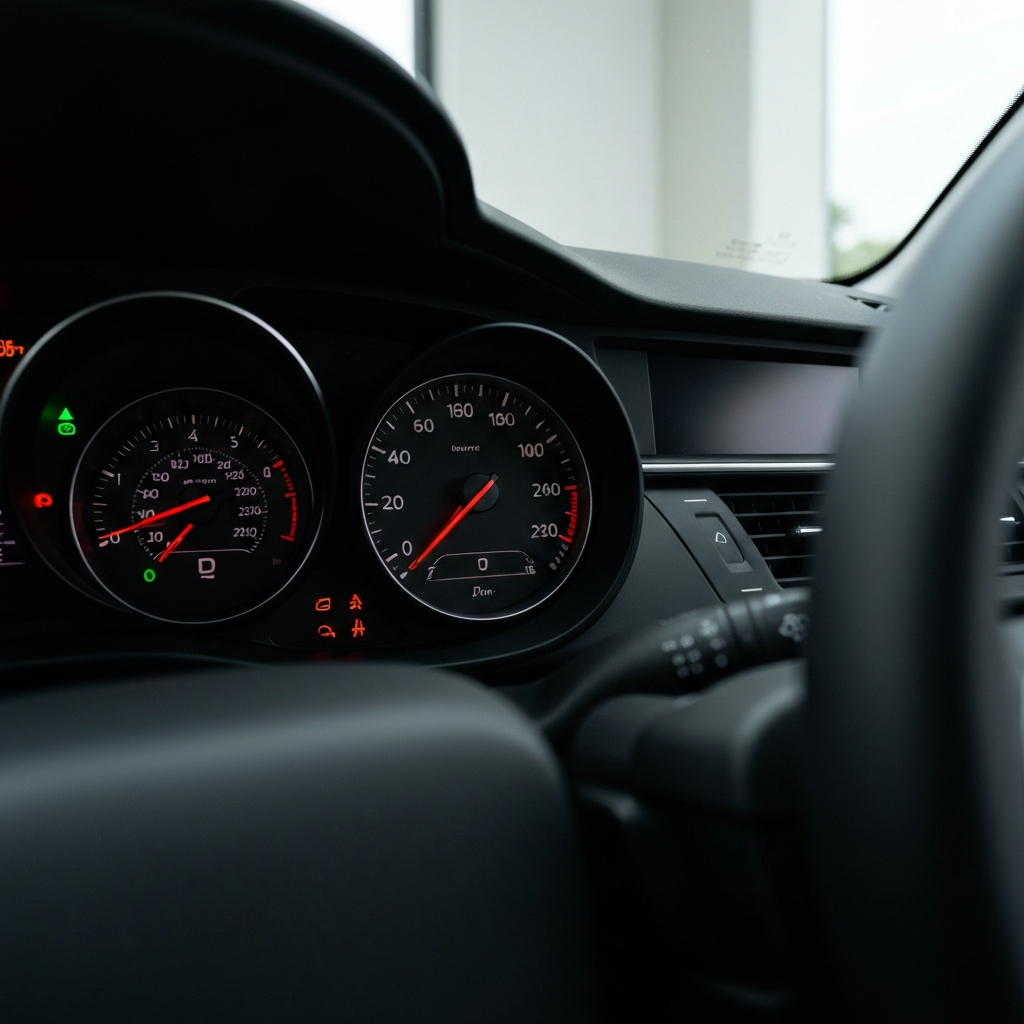
When does the sound appear? Is it constant, or does it only occur under specific conditions? Does it happen when you start the car, accelerate, brake, turn, or go over bumps? For example, a sound that only occurs when braking is likely related to the brake system. A sound that appears when turning could indicate a problem with the power steering or suspension. If the sound is present only at certain speeds, it might be related to tire balance or a failing wheel bearing. Note down all the specific circumstances that trigger the sound.
-
Step 3: Pinpoint the Location of the Sound
Where is the sound coming from? Is it from the engine bay, under the car, near the wheels, or inside the cabin? Try to pinpoint the general area. Having someone else rev the engine while you listen can help locate noises in the engine compartment. For sounds coming from under the car, you might need to safely lift the vehicle (using jack stands, never work under a car supported only by a jack) to get a better listen. Listen near each wheel for sounds that might indicate brake or suspension issues. Pay attention to how the sound changes as you move closer to its source.

-
Step 4: Visually Inspect the Suspect Area
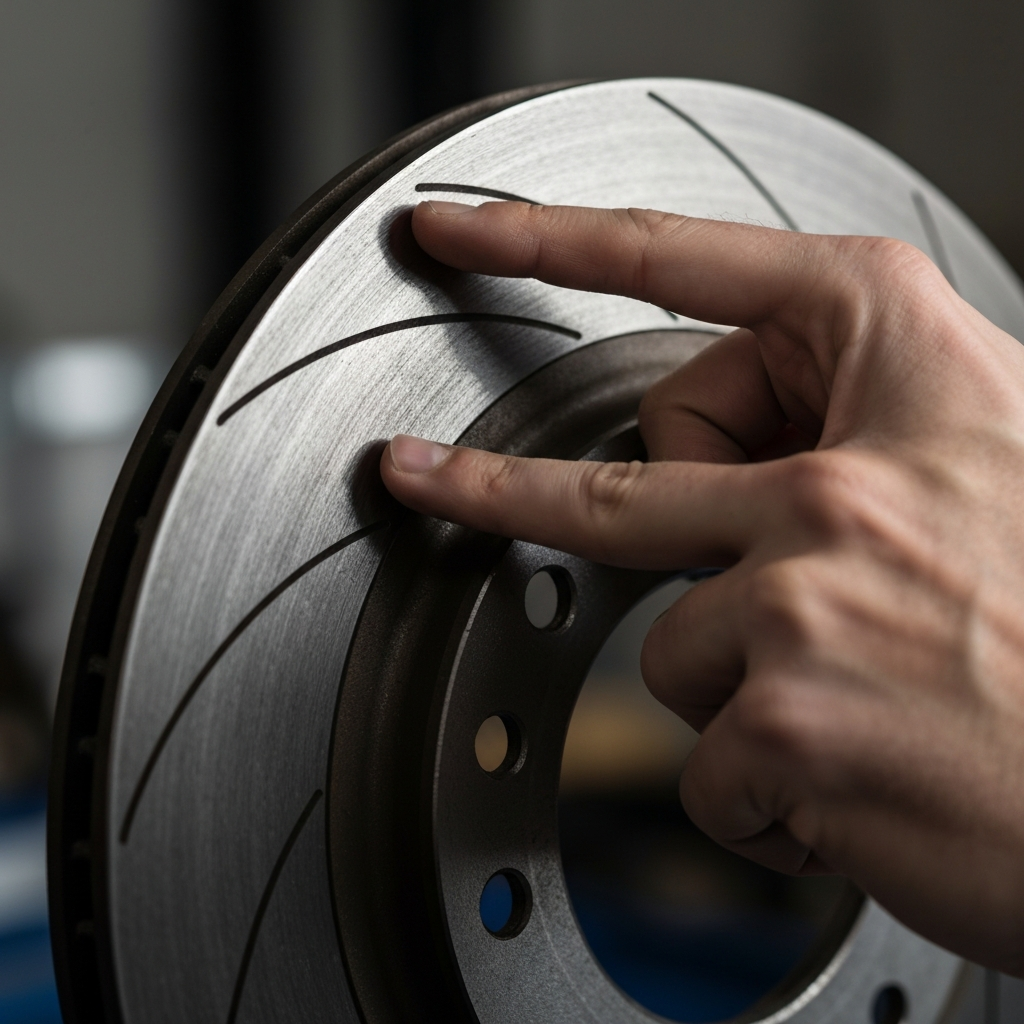
Once you've located the general area of the sound, visually inspect the components in that area. Look for anything obviously damaged, loose, or worn. Check belts for cracks or fraying. Examine brake pads for wear. Look for leaks around hoses and connections. Check for worn bushings or ball joints in the suspension. Sometimes a visual inspection can reveal the cause of the sound without any further diagnosis. Pay close attention to areas where moving parts interact.
-
Step 5: Consider Common Causes for Specific Sounds
Certain sounds are commonly associated with specific problems. A squealing sound when starting the car often indicates a loose or worn serpentine belt. A grinding noise when braking usually means worn brake pads. A clicking sound when turning might suggest a failing CV joint. Research common causes for the specific sound you're hearing in the location where you're hearing it. Numerous online resources and forums can provide valuable insights based on other people's experiences.

Tools or Materials Required
- Jack and Jack Stands (for safely lifting the vehicle)
- Wheel chocks
- Gloves
- Safety Glasses
- Flashlight
Safety Considerations
Never work under a vehicle supported only by a jack. Always use jack stands. Wear safety glasses to protect your eyes from debris. Disconnect the negative battery terminal before working on any electrical components. Be aware of hot engine parts and exhaust components.
FAQ Section
- Q: What if I can't identify the sound?
- A: Try recording the sound with your phone and playing it back to see if that helps. Ask a friend or family member to listen and see if they have any ideas.
- Q: Is it safe to drive with a strange noise?
- A: It depends on the nature of the sound. If you suspect a serious problem, such as a brake issue or engine problem, it's best to avoid driving the car and have it towed to a mechanic.
By following these steps, you can often diagnose car sounds yourself, saving time and money. Remember to prioritize safety and consult a qualified mechanic if you're unsure or uncomfortable with any aspect of the diagnosis. Even if you can't pinpoint the exact cause, providing the mechanic with detailed information about the sound will help them diagnose the problem more quickly and efficiently.