That rattling, squealing, or thumping sound your car is making could be a minor annoyance, or it could be a sign of a serious problem. Identifying the source of these noises early can save you money and prevent further damage. However, correctly diagnosing car sounds can be tricky, even for experienced mechanics. This guide provides a systematic approach to pinpointing the cause of those mysterious automotive noises.
Before diving in, it's essential to remember that safety comes first. Never attempt to diagnose a car sound while driving. Pull over to a safe location, and if the sound is severe or accompanied by warning lights, consider calling a tow truck. This guide will walk you through the process of identifying the source of the sound, but knowing your limits and seeking professional help when needed is crucial.
This step-by-step guide will help you identify common car noises. From engine knocks to brake squeals, we will walk you through a diagnostic process, equipping you with the knowledge to either fix the problem yourself or accurately describe it to a mechanic.
Step 1: Gather Information About the Sound
Before you even pop the hood, take a moment to consciously register *everything* about the sound. When does it occur? Is it constant or intermittent? What does it sound like – a squeal, a knock, a grinding noise? Does it change with speed, engine RPM, or turning the steering wheel? Does it occur only when the car is cold or after it has warmed up? The more information you gather initially, the easier it will be to narrow down the possibilities. Use your senses: Listen carefully, note any vibrations, and even smell for unusual odors that might be related. Even noting if the sound is louder inside or outside the vehicle is valuable information.

Step 2: Identify the General Area of the Sound
Try to pinpoint the general location of the sound. Is it coming from the engine bay, underneath the car, or from the wheels? Does it seem to be coming from the front, rear, left, or right side of the vehicle? Having a helper can be invaluable for this step. Have them stand outside the car while you reproduce the sound (if safe to do so) to get their perspective. Sometimes, sound can travel and be misleading, so getting multiple viewpoints is helpful. For sounds under the car, try to identify whether they are closer to the front, middle, or rear. If it only happens while driving, have a passenger carefully try to pinpoint where it's coming from.

Step 3: Inspect the Engine Bay (If Applicable)
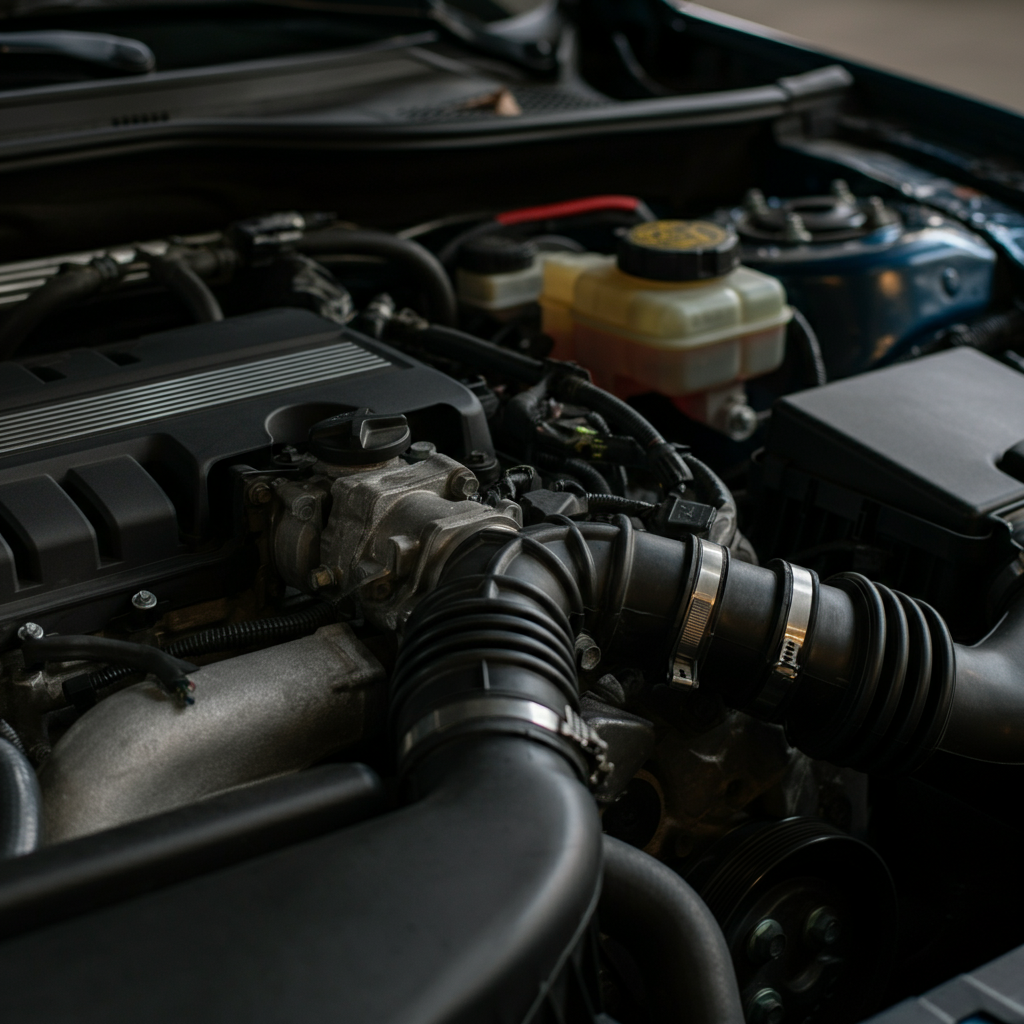
If the sound seems to be coming from the engine bay, carefully inspect it. With the engine running (if safe and the sound is present), look for any obvious signs of damage, such as loose belts, leaking fluids, or damaged hoses. Listen closely for the sound's source within the engine compartment. Be extremely careful around moving parts like belts and fans! If you are not comfortable working around a running engine, turn it off and inspect it visually. Check fluid levels (oil, coolant, power steering fluid) as low fluids can often cause noises. Look for anything that appears out of place, worn, or damaged.
Step 4: Check the Wheels and Brakes
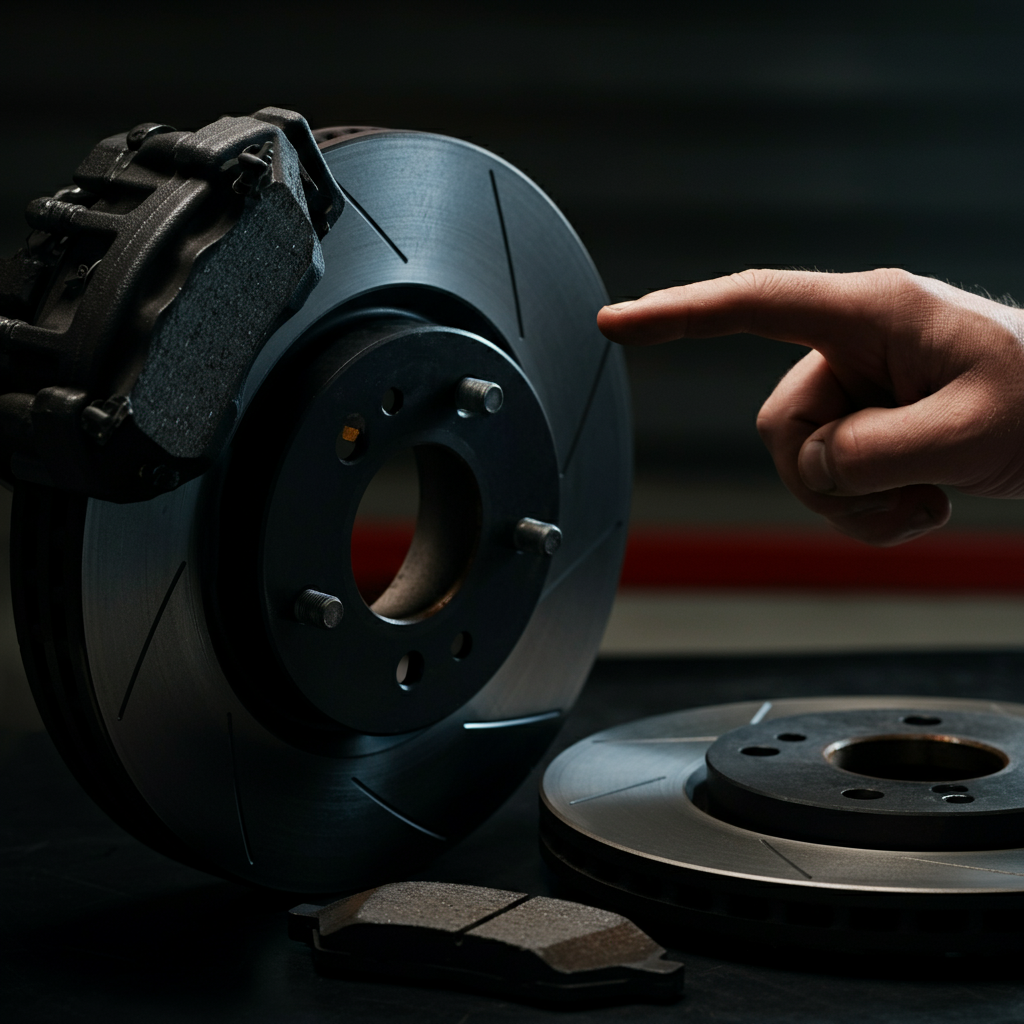
Noises coming from the wheels are often brake-related. Inspect the brake pads and rotors for wear. A squealing sound is often an indicator that the brake pads are worn down to the wear indicators. Grinding noises can suggest that the brake pads are completely worn and the rotors are being damaged. Also, check for any debris stuck in the brakes. Unevenly worn tires can also cause unusual noises. Examine your tires for bulges, cuts, or excessive wear. Rotate the tires and listen for any unusual sounds, such as a rhythmic thumping or whirring, which could indicate a wheel bearing problem.
Step 5: Inspect the Exhaust System
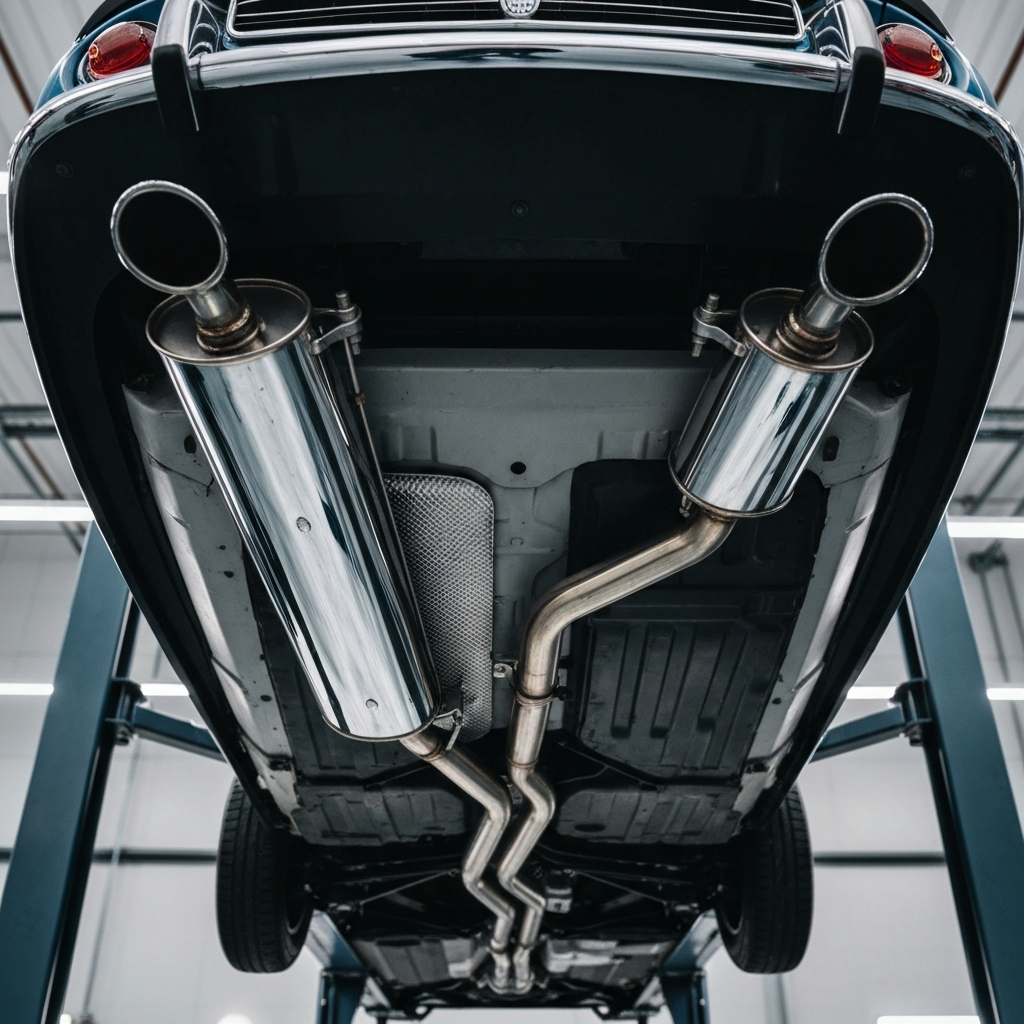
The exhaust system can be a common source of rattles, hisses, and roars. Check the exhaust pipes, muffler, and catalytic converter for rust, damage, or loose connections. A hissing sound could indicate an exhaust leak, while a rattling sound might be caused by a loose heat shield. Be careful when inspecting the exhaust system after the car has been running, as it can be extremely hot. Let it cool down before touching any components. Also, check the hangers that support the exhaust system, as broken or rusted hangers can cause the exhaust to rattle against the chassis.
Step 6: Test Drive and Re-evaluate
If you have identified a possible source of the sound, carefully test drive the car to see if the sound changes or disappears. Pay attention to the conditions under which the sound occurs – acceleration, deceleration, turning, or driving over bumps. If the sound changes, this can provide further clues about its origin. If the sound persists, you may need to repeat the earlier steps, focusing on different areas of the car. Avoid aggressive driving during the test drive, especially if you suspect a serious mechanical issue. Prioritize safety and listen carefully.

Tools or Materials Required
- Mechanic's stethoscope (optional, but helpful for pinpointing sounds)
- Jack and jack stands (for safely lifting the vehicle)
- Wheel chocks (to secure the vehicle)
- Flashlight
- Gloves
- Eye protection
- Basic set of wrenches and sockets
Common Mistakes to Avoid
- Ignoring the sound for too long, which can lead to further damage.
- Making assumptions about the cause of the sound without proper investigation.
- Attempting repairs beyond your skill level.
- Working on a running engine without proper safety precautions.
Safety Considerations
- Always wear eye protection when working on your car.
- Use jack stands to support the vehicle when it is raised. Never work under a car supported only by a jack.
- Disconnect the negative battery cable before working on the electrical system.
- Be careful around hot engine components and exhaust systems.
Pro Tips
- Record the sound with your phone for reference and to share with a mechanic.
- Use online forums and communities to ask for advice and compare your experience with others.
- Consult a repair manual for your specific vehicle model for detailed information and diagrams.
FAQ Section
- Q: My car is making a clicking noise when I turn. What could it be?
- A: A clicking noise when turning is often a sign of a worn or damaged CV joint.
- Q: What does a bad wheel bearing sound like?
- A: A bad wheel bearing typically sounds like a humming or grinding noise that gets louder with speed.
- Q: My car is making a squealing noise when I start it. What could it be?
- A: A squealing noise upon startup is often caused by a loose or worn serpentine belt.
Conclusion
Diagnosing car sounds can seem daunting, but by following a systematic approach and paying close attention to detail, you can often pinpoint the source of the problem. Remember to prioritize safety and seek professional help when needed. Early detection and proper diagnosis can save you money and keep your car running smoothly. The key is to gather as much information as possible about the sound, narrow down its location, and then perform a thorough inspection. Good luck, and happy motoring!