That rattling, squealing, or thumping sound coming from your car can be more than just annoying. It's often a warning sign that something is wrong, and ignoring it can lead to more serious (and expensive) problems down the road. But before you rush to the mechanic, you can often narrow down the possibilities yourself. This guide will walk you through a systematic approach to diagnosing common car noises, helping you identify the potential culprit and communicate the issue effectively to a professional if needed.
The key to successful noise diagnosis is observation. Pay close attention to when the sound occurs – is it constant, or does it only happen under certain conditions? Is it related to speed, engine RPM, or specific maneuvers like turning or braking? Gathering these details will significantly streamline the troubleshooting process.
Remember, safety is paramount. If you suspect a serious mechanical issue, especially related to braking or steering, avoid driving the car and consult a professional immediately. Let’s get started on deciphering those vehicular vocals!
Step 1: Identify the Type of Sound
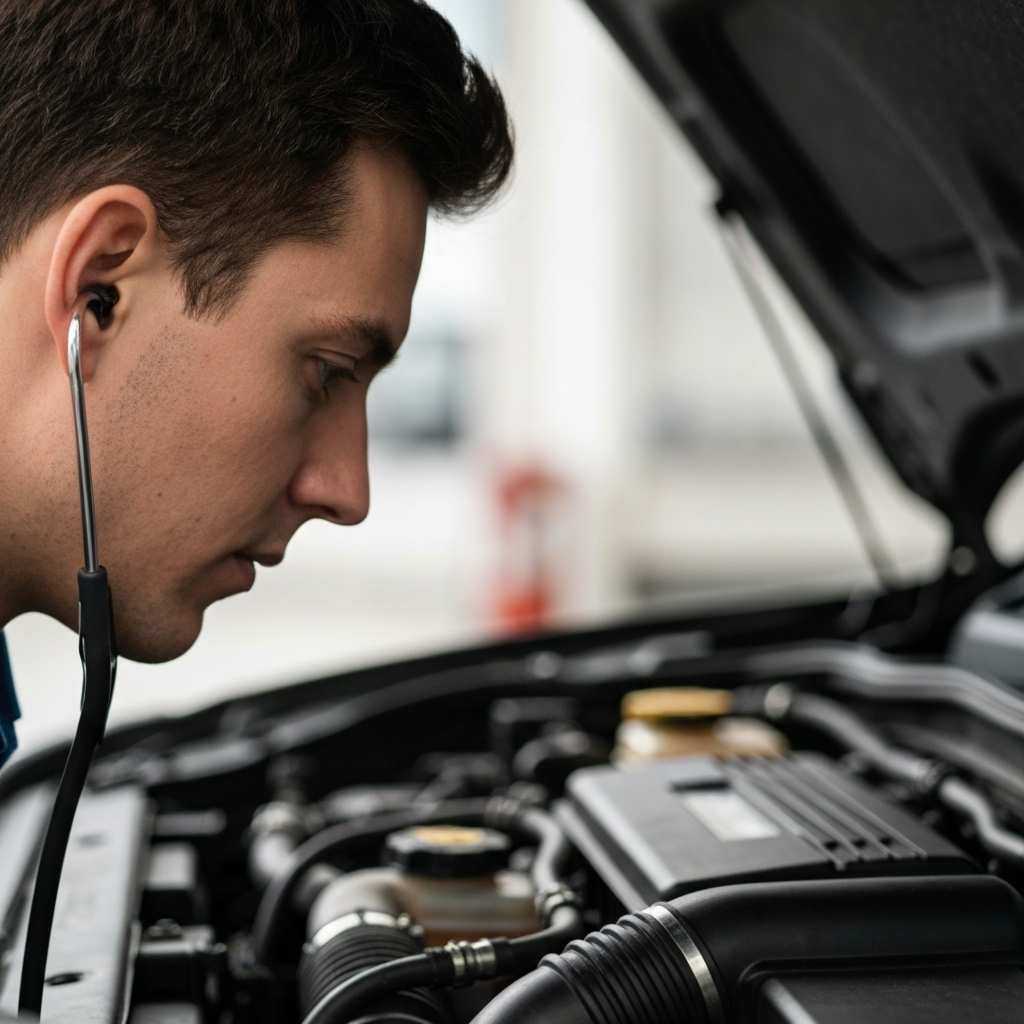
The first step is to carefully listen to the sound and try to categorize it. Is it a squeal, a grind, a thump, a click, a rattle, or something else? Each type of sound is often associated with particular components. For example, a high-pitched squeal might indicate a worn-out belt, while a grinding noise could point to brake issues. Try to be as specific as possible in your description. Don't just say "it's a weird noise"; try to describe the pitch, frequency, and quality of the sound. Is it metallic? Does it change with engine speed? Does it seem to be coming from under the hood or from one of the wheels? The more precisely you can define the sound, the easier it will be to pinpoint its origin.
Step 2: Determine When the Sound Occurs
Next, pinpoint the circumstances under which the sound appears. Does it only happen when the engine is cold? Does it disappear after the car warms up? Does it occur only when you accelerate, brake, or turn? The timing of the sound is a crucial diagnostic clue. For example, a sound that only appears when braking is almost certainly related to the brake system. A sound that only appears when accelerating could indicate an issue with the engine, transmission, or exhaust system. Try to reproduce the sound reliably under controlled conditions so you can analyze it more closely.

Step 3: Locate the Source of the Sound
This step requires a bit more effort and possibly a helper. While the car is making the noise (if safe to do so), try to pinpoint the general area it’s coming from. Is it from the front, rear, left, or right side of the vehicle? Is it from under the hood, underneath the car, or inside the cabin? Use your ears and your best judgment to narrow down the location as much as possible. If you have a helper, they can listen from different locations while you operate the car. Be sure to do this in a safe environment, away from traffic. If the sound is coming from under the hood, exercise extreme caution around moving parts like the belts and fans. If you're not comfortable working around a running engine, it's best to leave this step to a professional.
Step 4: Check Obvious Culprits
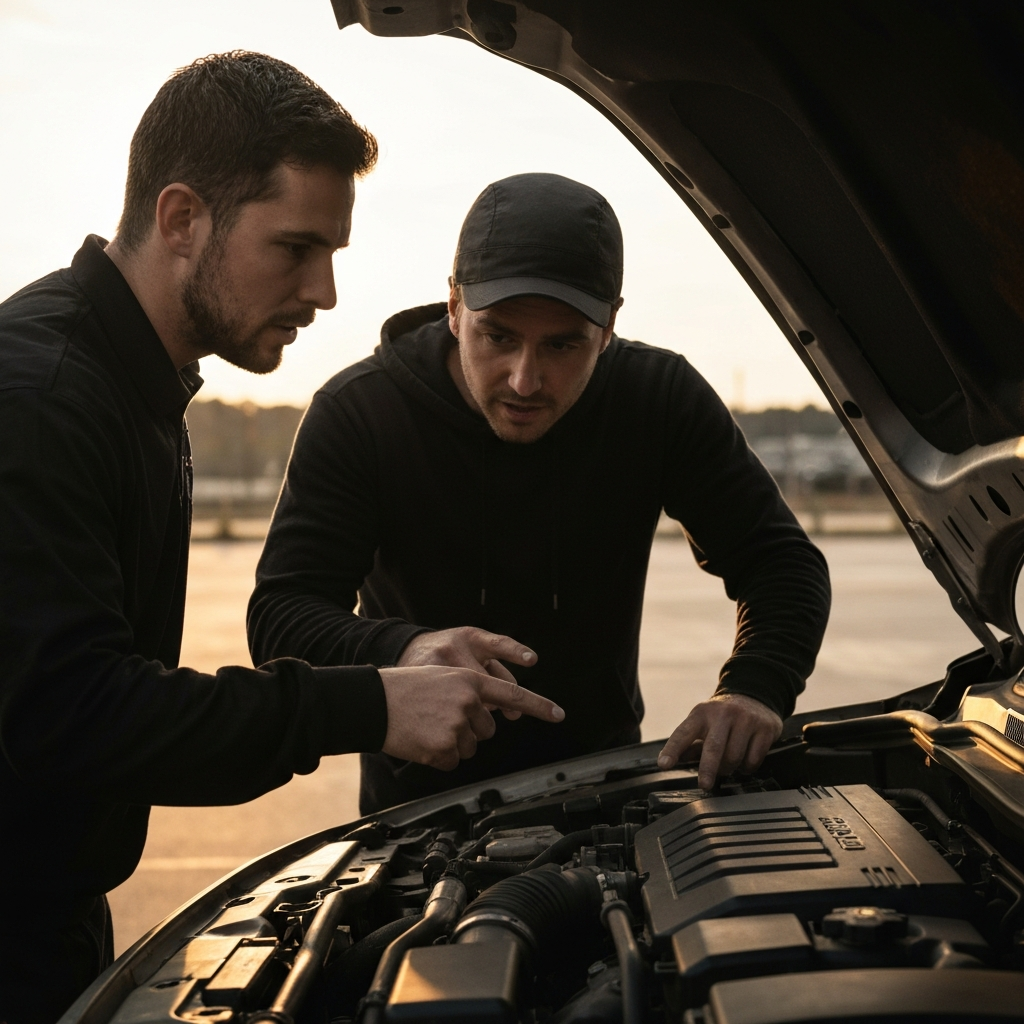
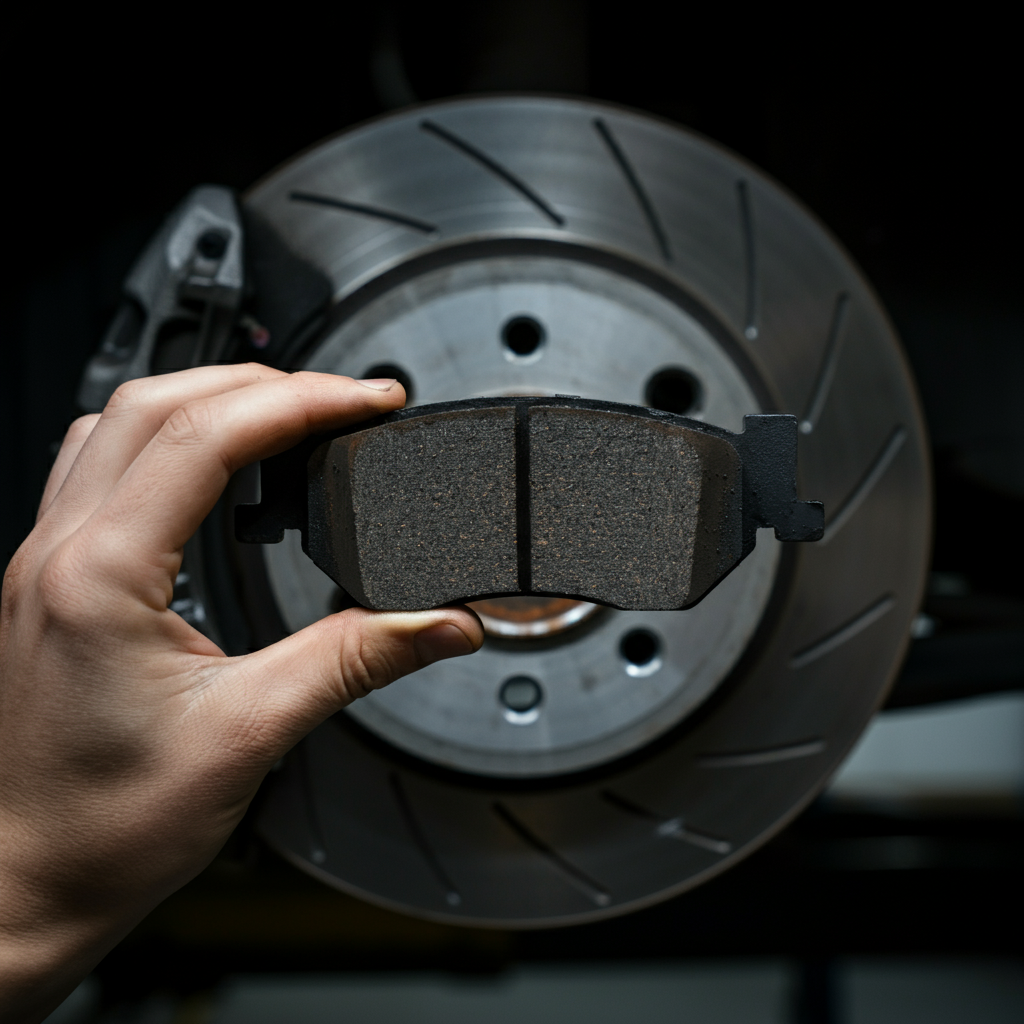
Once you have a general idea of the type, timing, and location of the sound, you can start checking some common culprits. If you suspect a belt issue, visually inspect the belts for cracks, fraying, or glazing. If you suspect brake issues, check the brake pads and rotors for wear. Look for anything that seems out of the ordinary. Low fluid levels can also cause noises, so check your oil, coolant, and power steering fluid levels. Loose exhaust components are another common source of rattles and vibrations. A quick visual inspection can often reveal loose hangers or damaged pipes. Remember to consult your owner's manual for the location of these components and proper inspection procedures.
Step 5: Road Test (with Caution)
If you've checked the obvious things and still haven't found the source of the noise, a road test might be necessary. However, exercise extreme caution and only do this if you're confident that the noise isn't indicative of a serious safety issue. During the road test, try to reproduce the sound under different conditions: accelerating, decelerating, turning, going over bumps, etc. Pay close attention to how the sound changes (or doesn't change) in response to these conditions. If the sound is related to wheel speed, it could be a wheel bearing issue. If it's related to engine RPM, it could be an engine or transmission problem. If you hear a clunking noise when going over bumps, suspect suspension components. If at any point the car feels unsafe to drive, stop immediately and call for assistance.

Step 6: Consult a Professional
If you've followed these steps and still haven't been able to diagnose the car sound, it's time to consult a professional mechanic. The information you've gathered will be invaluable in helping them quickly diagnose the problem. Be prepared to describe the sound in detail, explain when it occurs, and provide any other relevant information you've observed. The more information you can provide, the more efficiently the mechanic can diagnose and repair the issue. Don't be afraid to ask questions and understand the proposed repair plan.

Tools or Materials Required
- Basic hand tools (wrenches, screwdrivers)
- Jack and jack stands (for inspecting under the car)
- Safety glasses
- Gloves
- Flashlight
- Stethoscope (optional, but helpful)
Common Mistakes to Avoid
- Ignoring the sound: Hoping the sound will go away on its own is rarely a good strategy. Ignoring a small problem can often lead to a much bigger (and more expensive) problem down the road.
- Misdiagnosing the sound: Don't assume you know what the problem is without careful investigation. A sound can often be caused by multiple issues.
- Attempting repairs beyond your skill level: Some repairs are best left to the professionals. If you're not comfortable working on a particular system, don't attempt it.
Safety Considerations
- Always work in a well-ventilated area.
- Use jack stands when working under a vehicle. Never rely solely on a jack.
- Disconnect the negative battery cable before working on the electrical system.
- Wear safety glasses to protect your eyes.
- Be careful around hot engine components.
FAQ Section
Q: What does a clicking sound when turning usually mean?
A: It could be a sign of a worn CV joint.
Q: My car is making a humming noise that gets louder with speed. What could it be?
A: This often indicates a failing wheel bearing.
Q: Why is my car squealing when I start it?
A: It's most likely a slipping belt, especially in cold weather.
Conclusion
Diagnosing car sounds can seem daunting, but by following a systematic approach, you can often pinpoint the problem yourself. Remember to carefully listen to the sound, determine when it occurs, locate its source, and check obvious culprits. If you're unsure or uncomfortable with any aspect of the diagnosis or repair, don't hesitate to consult a professional. By being proactive and informed, you can keep your car running smoothly and avoid costly repairs down the road. Ultimately, being a careful and observant car owner will save you time and money.