That sinking feeling when your car starts making a strange noise or refuses to start is never pleasant. But before you immediately dial up your mechanic and brace yourself for a hefty bill, take a deep breath. Many car problems exhibit telltale signs that you can identify yourself, potentially saving you time, money, and unnecessary stress. This guide will equip you with the knowledge and techniques to become a DIY diagnostician, empowering you to understand your car's woes.
By learning to spot the symptoms and pinpoint the likely causes, you can provide your mechanic with valuable information, leading to a faster and more accurate repair. Even if the problem requires professional intervention, you'll be better informed about the necessary work and less vulnerable to potential overcharges. Think of it as learning to speak your car's language – a language of noises, smells, and visual cues that can unlock its secrets.
This isn't about replacing a mechanic; it's about becoming a more informed and empowered car owner. By following these steps, you'll gain a deeper understanding of your vehicle and develop the confidence to tackle minor issues yourself, while also knowing when it's time to call in the experts. Let's get started!
Step 1: Gather Information and Observe
Listen Carefully and Note the Symptoms
The first step is all about observation. Pay close attention to what your car is doing (or not doing) and gather as much information as possible. What are the specific symptoms? Is there a strange noise, a burning smell, or a warning light illuminated on the dashboard? When did the problem start, and under what conditions does it occur? Does it happen only when the engine is cold, or does it persist after the car warms up? Is the issue constant, or does it come and go? The more details you can provide, the easier it will be to narrow down the possible causes. Don't dismiss anything as insignificant – even seemingly minor details can be crucial clues.

Step 2: Check the Fluid Levels
Inspect Oil, Coolant, Brake Fluid, and Power Steering Fluid
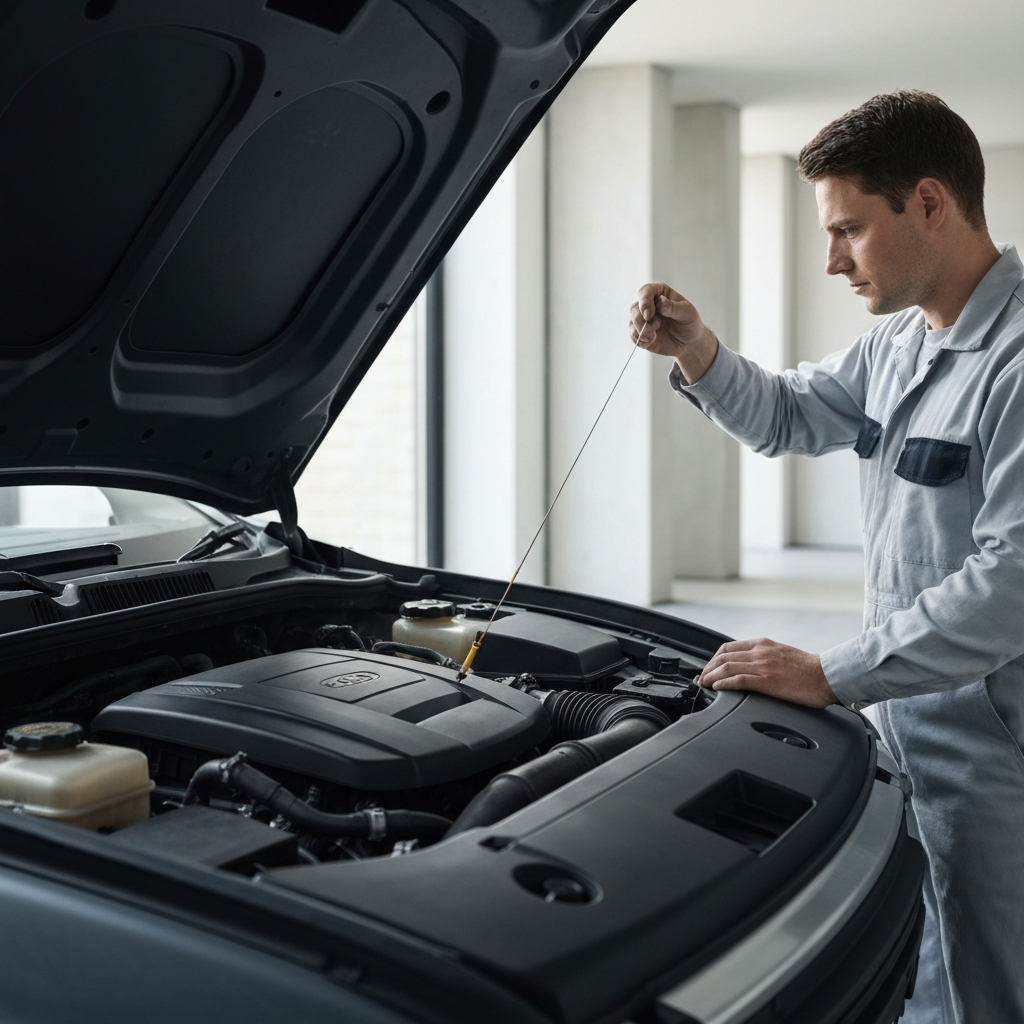
Low fluid levels are a common cause of various car problems. Check your engine oil, coolant (antifreeze), brake fluid, and power steering fluid. Refer to your owner's manual for the location of the dipsticks and reservoirs. When checking the oil, make sure the car is parked on a level surface and the engine is cool. Look for signs of leaks under the car or around the engine compartment. If a fluid level is consistently low, there's a good chance you have a leak that needs to be addressed. Also, check the color and consistency of the fluids. For instance, milky or foamy oil can indicate a coolant leak into the engine.
Step 3: Examine the Belts and Hoses
Look for Cracks, Wear, and Looseness
Belts and hoses are essential for the proper functioning of your car's engine. Inspect them for signs of wear and tear, such as cracks, fraying, or bulges. A worn belt can slip, causing a loss of power or even complete engine failure. A cracked hose can leak coolant, leading to overheating. Gently squeeze the hoses to check for soft spots or collapsing areas. Also, check the tension of the belts. They should be snug but not too tight. If a belt is loose or a hose is damaged, it's best to replace it before it causes a more serious problem.

Step 4: Evaluate the Battery and Electrical System
Check Terminals, Cables, and Lights
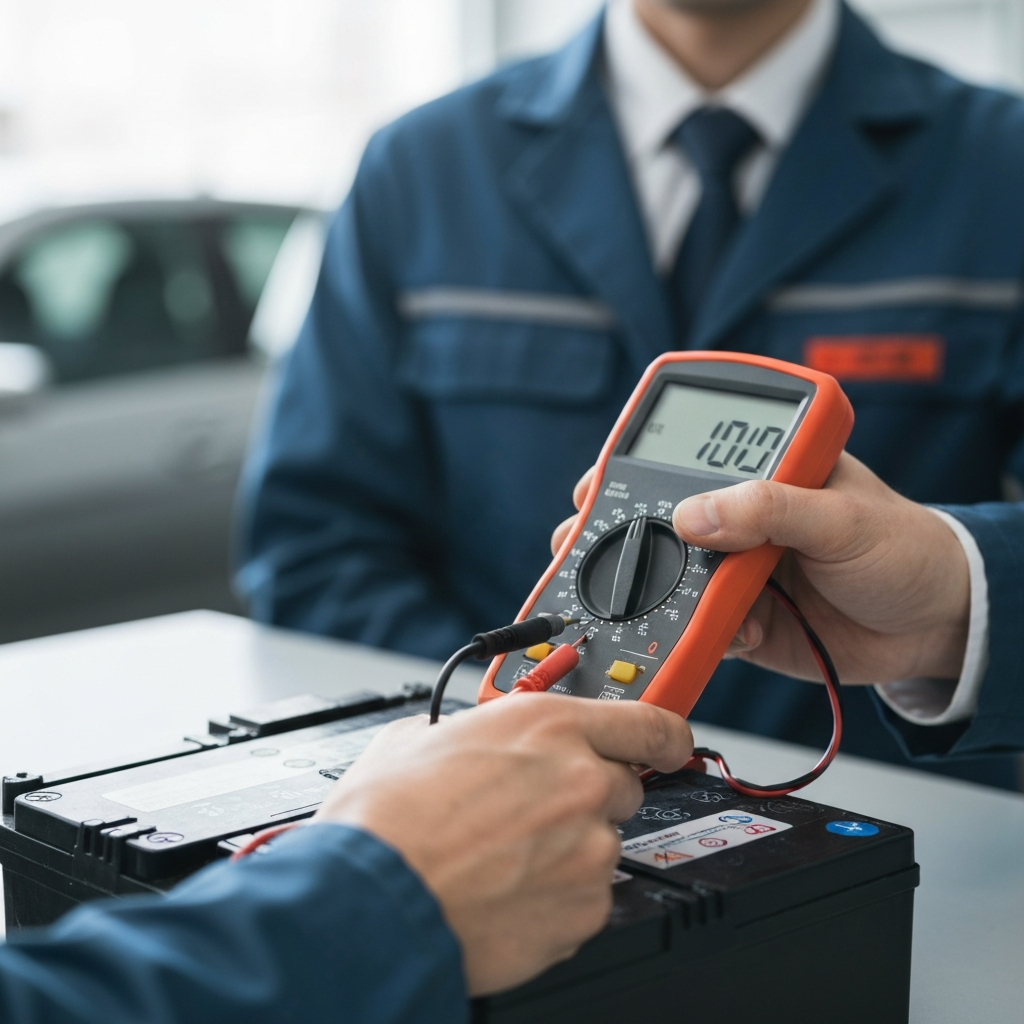
A weak or dead battery is a common culprit when a car won't start. Check the battery terminals for corrosion and clean them if necessary. Make sure the battery cables are securely connected. Turn on the headlights and see if they are dim, which could indicate a low battery. If you have a multimeter, you can test the battery voltage. A fully charged battery should read around 12.6 volts. Also, check the fuses related to the starting system. A blown fuse can prevent the engine from cranking. Remember to disconnect the negative terminal before working on any part of the electrical system.
Step 5: Assess the Spark Plugs (If You're Comfortable)
Inspect for Wear and Damage
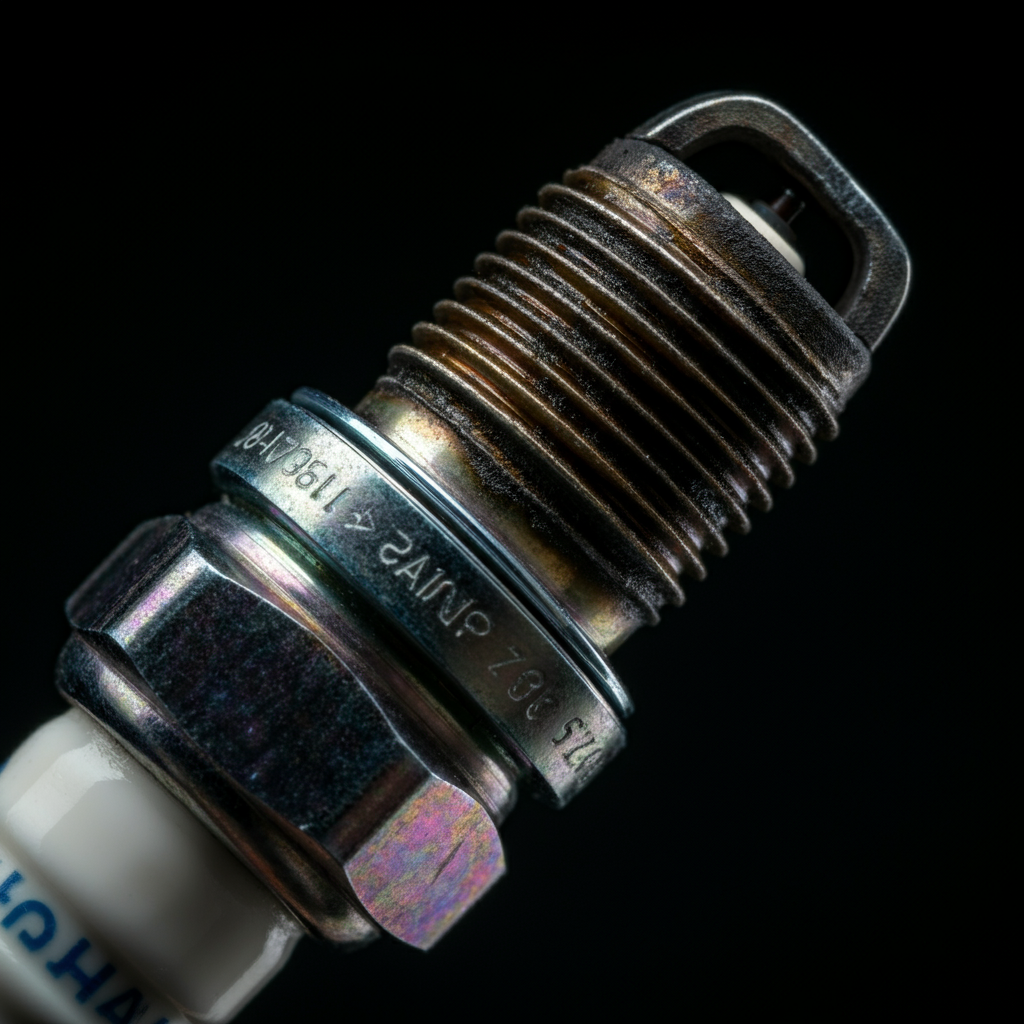
Spark plugs are critical for igniting the air-fuel mixture in the engine. If your engine is misfiring, running rough, or experiencing a loss of power, the spark plugs could be the problem. Locating the spark plugs involves finding the wires leading to them on the engine. On a 4-cylinder engine, spark plugs are typically found on top or the side. For inline 6-cylinder engines, they're on the top or side of the engine head. V6 and V8 engines have them evenly separated on each side. Remove one spark plug at a time and carefully inspect it. Look for signs of wear, such as a worn or rounded electrode, excessive carbon buildup, or cracks in the insulator. Compare the condition of the spark plug to a spark plug condition chart (available online or in automotive repair manuals) to help diagnose the problem. Always replace spark plugs with the correct type specified in your owner's manual. When reinstalling, tighten gently. If you are uncomfortable performing this step, leave it to a professional.
Safety Considerations
- Always disconnect the negative battery cable before working on the electrical system.
- Allow the engine to cool completely before working on it, especially when dealing with coolant or exhaust components.
- Wear safety glasses to protect your eyes from debris.
- Use jack stands when working under a raised vehicle. Never rely solely on a jack.
- If you are unsure about any procedure, consult a qualified mechanic.
Pro Tips
- Keep a maintenance log to track your car's service history.
- Learn the locations of key components under the hood.
- Invest in a basic set of tools, including a socket set, wrenches, and a multimeter.
- Don't ignore warning signs – address problems early before they escalate.
FAQ Section
- Q: My car is making a squealing noise when I start it. What could it be?
- A: It could be a worn or loose serpentine belt. Check the belt for cracks and proper tension.
- Q: My car is overheating. What should I do?
- A: Pull over immediately and let the engine cool down. Check the coolant level and look for leaks. Do not continue driving if the engine is overheating.
- Q: My check engine light is on. Is it safe to drive?
- A: It depends on the severity of the problem. If the light is flashing, it indicates a serious issue that requires immediate attention. If the light is solid, you can usually drive it to a mechanic, but it's best to have it checked as soon as possible.
Conclusion
Diagnosing car problems yourself can be a rewarding and cost-effective way to maintain your vehicle. By following these steps, you'll be able to identify many common issues and provide your mechanic with valuable information. Remember to prioritize safety and consult a professional when you're unsure. With a little knowledge and effort, you can become a more informed and empowered car owner.