Your car speaks to you, though not in words. It communicates through a symphony of sounds, from the gentle hum of the engine to the distinct click of the turn signal. Learning to interpret these auditory cues can save you time, money, and a whole lot of frustration. This guide will teach you how to diagnose common car problems using only your ears.
While modern diagnostic tools are invaluable, they aren't always necessary. Many issues manifest with telltale sounds that a trained ear can identify. Developing your "automotive hearing" allows you to proactively address minor issues before they escalate into major repairs. This isn't about replacing a mechanic, but about empowering yourself to be a more informed and proactive car owner.
This guide will break down various sounds your car might make, explaining what they likely indicate and what steps you can take to address the underlying problem. Remember that this guide is not a substitute for a professional diagnosis. If you're unsure about any sound, or if it persists after addressing the potential cause, consult a qualified mechanic.
Step 1: Identifying the Source of the Sound
The first and most crucial step is pinpointing where the sound is coming from. Is it emanating from the engine bay, underneath the car, near the wheels, or inside the cabin? A process of elimination is key. Have a friend rev the engine while you listen under the hood, or drive slowly and carefully while a passenger listens for sounds coming from the wheels. Knowing the general location significantly narrows down the possible causes.
Step 2: Listening for Engine Noises
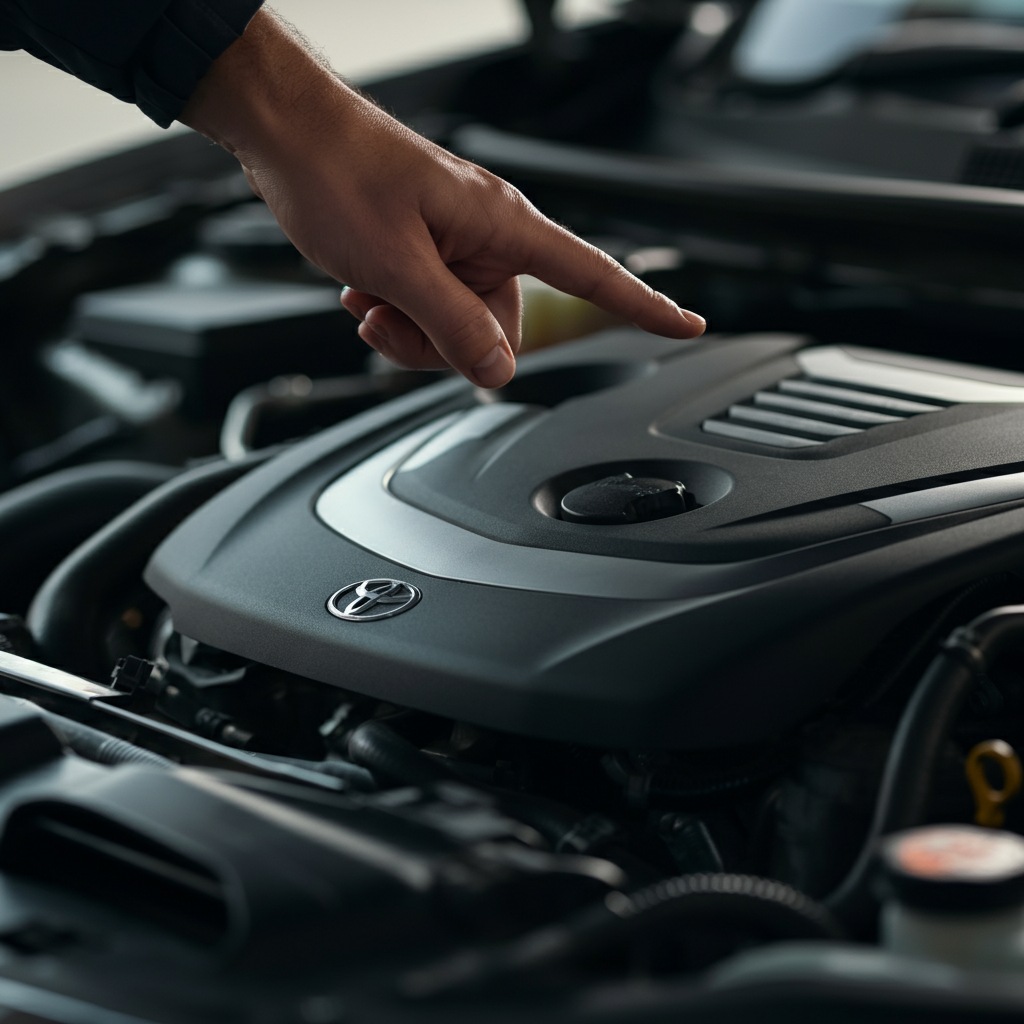
The engine is a complex system with many potential sources of noise. A consistent rhythmic knocking could indicate rod knock, a serious issue requiring immediate attention. Ticking sounds might be lifter noise or, less seriously, exhaust leaks. A high-pitched squeal is often a sign of a slipping belt. Record the sound if possible. This will help a mechanic diagnose the issue later. Try to isolate if the sound is present at idle, only when accelerating, or at all times.

Step 3: Recognizing Sounds from the Wheels and Brakes
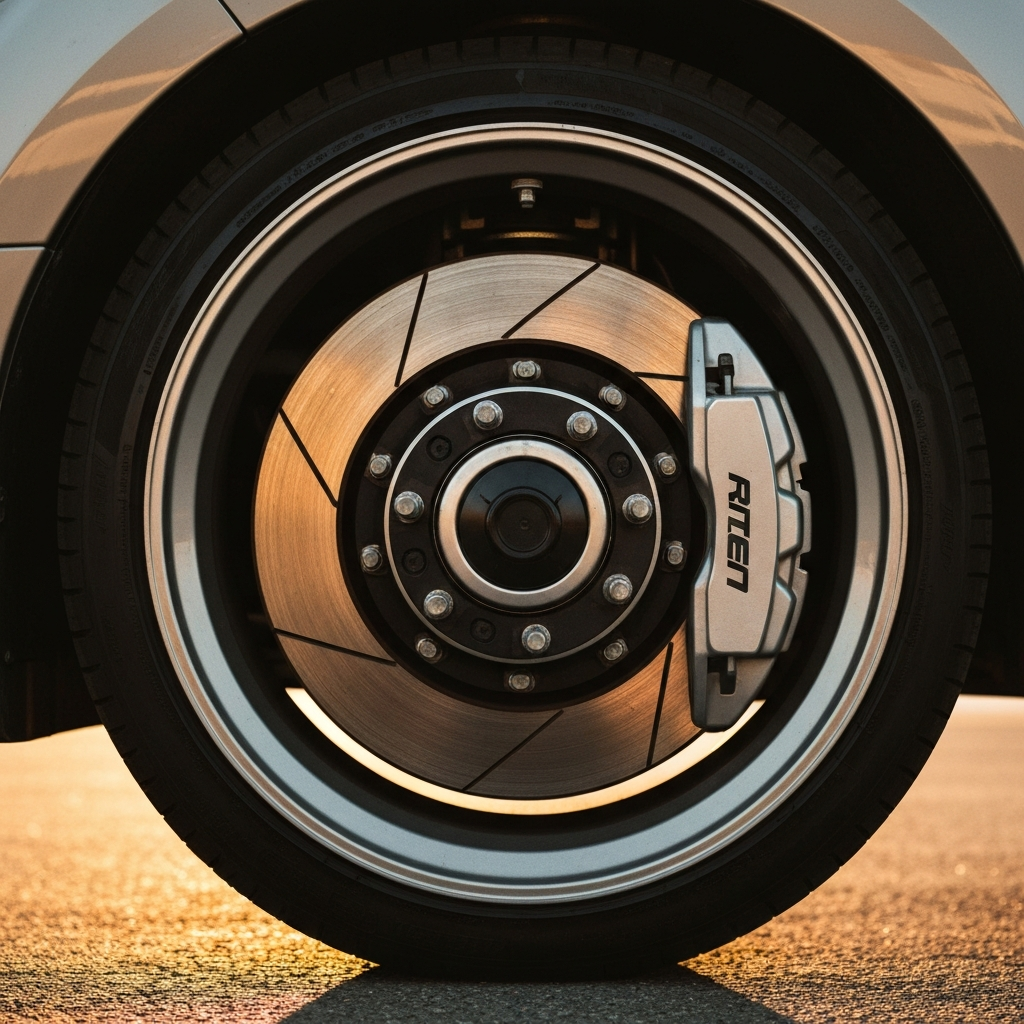
Wheels and brakes offer a distinct set of auditory clues. A grinding sound when braking almost always indicates worn-out brake pads. A squealing sound while driving, even when not braking, could be a worn brake pad indicator or a more serious issue with the wheel bearing. A rhythmic clicking or clunking sound, especially when turning, can signify a worn CV joint. If you hear a humming sound that changes with speed, it may indicate a failing wheel bearing.
Step 4: Analyzing Exhaust System Sounds
The exhaust system is a prime source of rattles and leaks. A hissing sound often points to an exhaust leak, which can reduce fuel efficiency and, in severe cases, allow harmful gases into the cabin. A rattling sound, especially when the engine is idling, may indicate a loose heat shield or a damaged catalytic converter. Be cautious when inspecting the exhaust system, as it can get extremely hot. Allow it to cool before attempting any visual inspection.

Step 5: Investigating Transmission and Drivetrain Noises
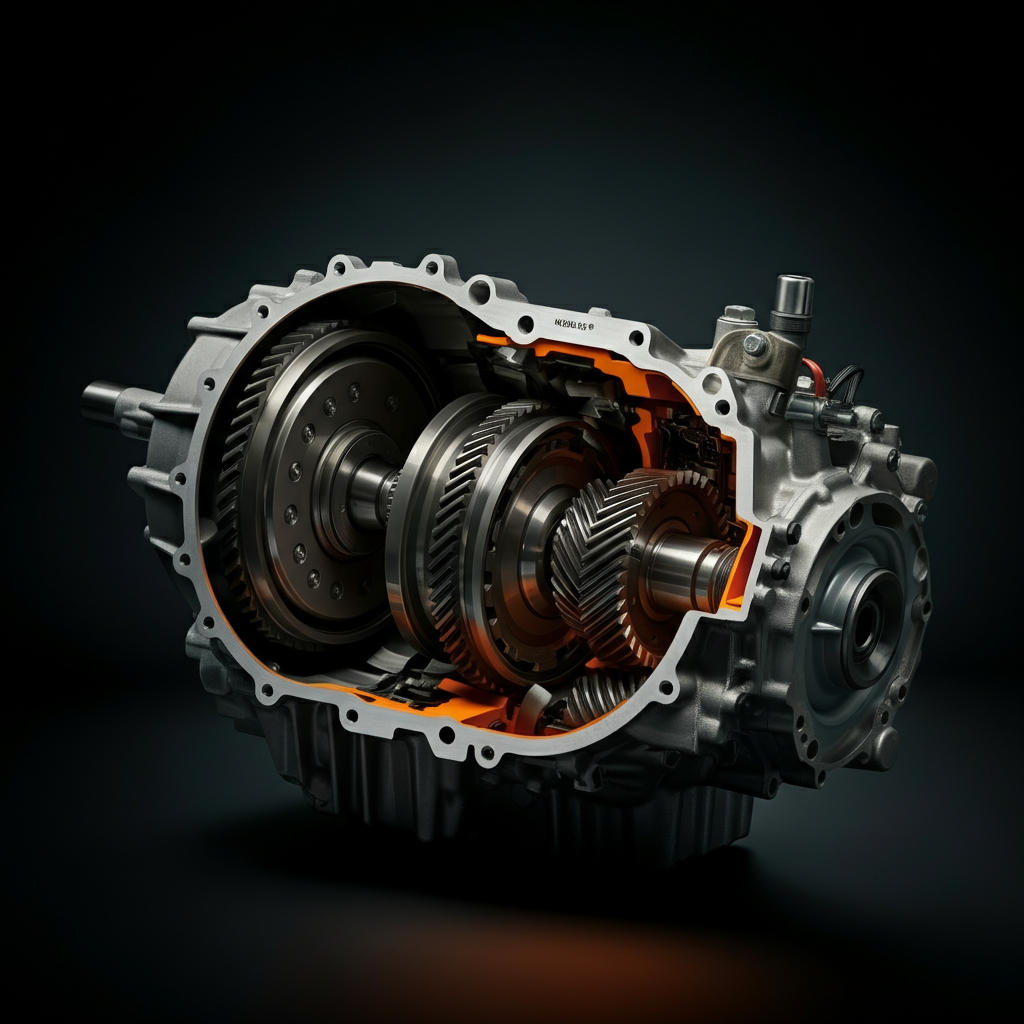
Transmission problems often announce themselves with distinct sounds. A whining sound that changes with gear changes may indicate low transmission fluid or internal damage. A clunking sound when shifting gears can be a sign of worn transmission mounts or other mechanical issues. For rear-wheel-drive vehicles, a groaning or howling sound from the rear axle could point to a failing differential. Never ignore transmission noises; they typically indicate serious and costly problems.
Tools or Materials Required
- Mechanic's stethoscope (optional, but helpful for pinpointing sounds)
- Work gloves
- Safety glasses
- A friend to assist with revving the engine or listening while driving
Safety Considerations
- Never work under a vehicle supported only by a jack. Use jack stands.
- Allow the engine and exhaust system to cool completely before inspecting.
- Be aware of moving parts when the engine is running.
- Wear safety glasses to protect your eyes from debris.
Common Mistakes to Avoid
- Misinterpreting sounds: Don't jump to conclusions without proper investigation.
- Ignoring the problem: Small noises can quickly become big problems.
- Attempting repairs beyond your skill level: Know your limits.
Pro Tips
- Use a mechanic's stethoscope to isolate sounds more precisely.
- Record the sound and play it for your mechanic.
- Pay attention to when the sound occurs (e.g., only when accelerating, only when braking).
- Check fluid levels regularly; low fluid levels can often cause unusual noises.
FAQ Section
Q: What if I can't identify the source of the sound?
A: Take your car to a qualified mechanic for a professional diagnosis.
Q: Is it safe to drive with a noisy car?
A: It depends on the nature of the noise. Some noises are relatively harmless, while others indicate serious problems that could lead to a breakdown or accident. When in doubt, err on the side of caution and have your car inspected.
Q: How often should I listen for unusual noises in my car?
A: Make it a habit to listen to your car regularly, especially during the first few minutes of driving. This will help you notice any new or developing noises.
Conclusion
By training your ears to recognize the different sounds your car makes, you can become a more proactive and informed car owner. While this guide provides a foundation for diagnosing car troubles by ear, remember that a professional mechanic's diagnosis is always the best course of action when in doubt. Listen carefully, stay safe, and keep your car running smoothly.