Your car speaks to you, if you know how to listen. Long before dashboard lights illuminate or performance noticeably dips, subtle sounds can betray underlying problems. Learning to identify these auditory cues can save you time, money, and potential roadside headaches. This guide will teach you how to use your ears as your primary diagnostic tool, enabling you to catch issues early and communicate effectively with mechanics.
Diagnosing car trouble by ear requires a combination of focused listening, understanding of automotive systems, and a bit of experience. Don't be discouraged if you don't catch everything right away. The more you listen to your car – and other cars – the better you'll become at recognizing unusual or concerning noises. Remember, this guide is a starting point. When in doubt, consult a qualified mechanic for a professional diagnosis.
Before we begin, a word of caution: Never attempt to diagnose or repair a vehicle while it is in motion or running in an enclosed space. Safety is paramount. Ensure the vehicle is parked on a level surface, the parking brake is engaged, and the engine is off before performing any inspections.
Step 1: Familiarize Yourself with Normal Sounds
The first step is establishing a baseline. You need to know what your car *should* sound like under various conditions. Pay attention to the engine at startup, idle, acceleration, cruising speed, and deceleration. Listen for the normal sounds of the transmission shifting, the brakes engaging, and the steering system operating. Record these sounds (using a smartphone app, for example) for future reference and comparison.

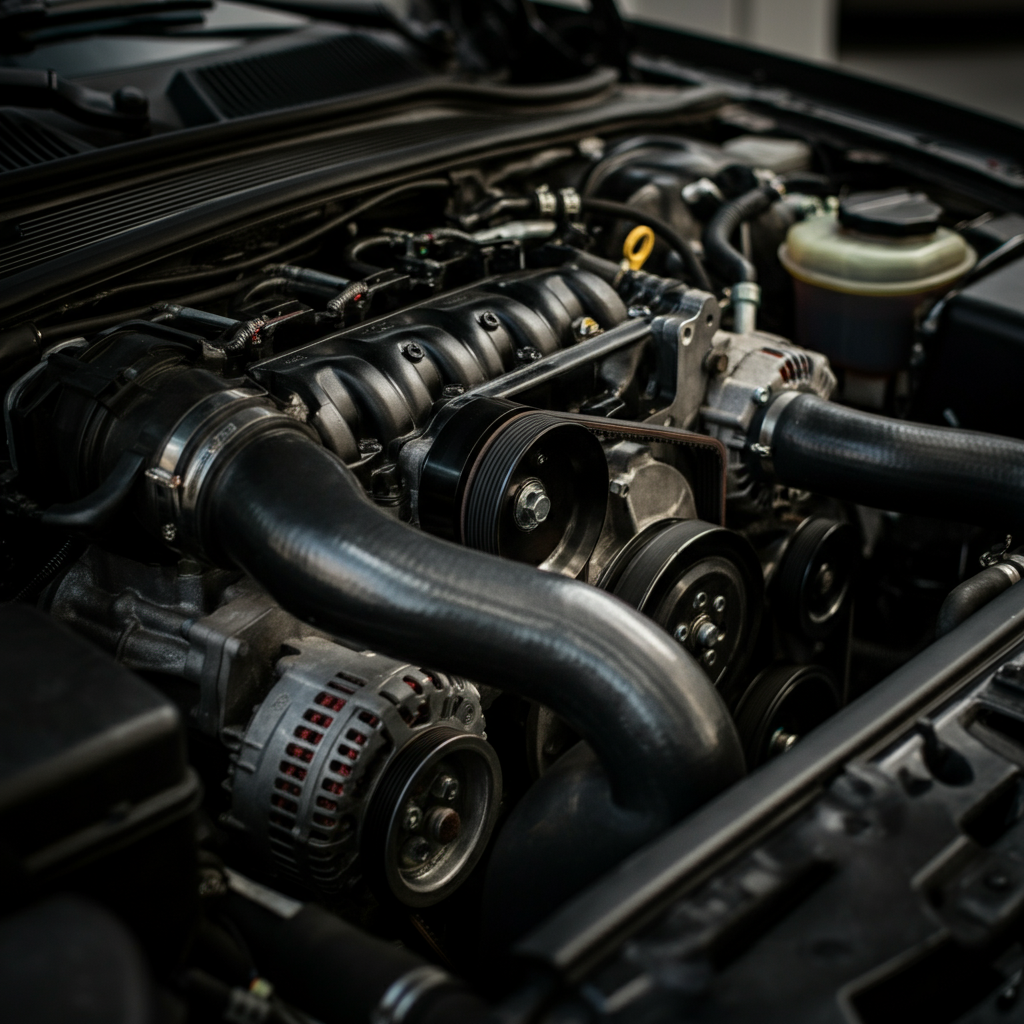
Step 2: Listen for Engine Noises
The engine is a complex system, and unusual noises can indicate a range of problems. A consistent ticking sound, especially at higher RPMs, could point to a valve train issue, such as a worn valve lifter or inadequate lubrication. A deep knocking sound, often described as "rod knock," is a more serious sign of connecting rod bearing failure. Squealing sounds could indicate a worn or loose belt. Hissing sounds may suggest a vacuum leak, while a popping or sputtering could be misfires or exhaust system problems.
Step 3: Pay Attention to Transmission Sounds
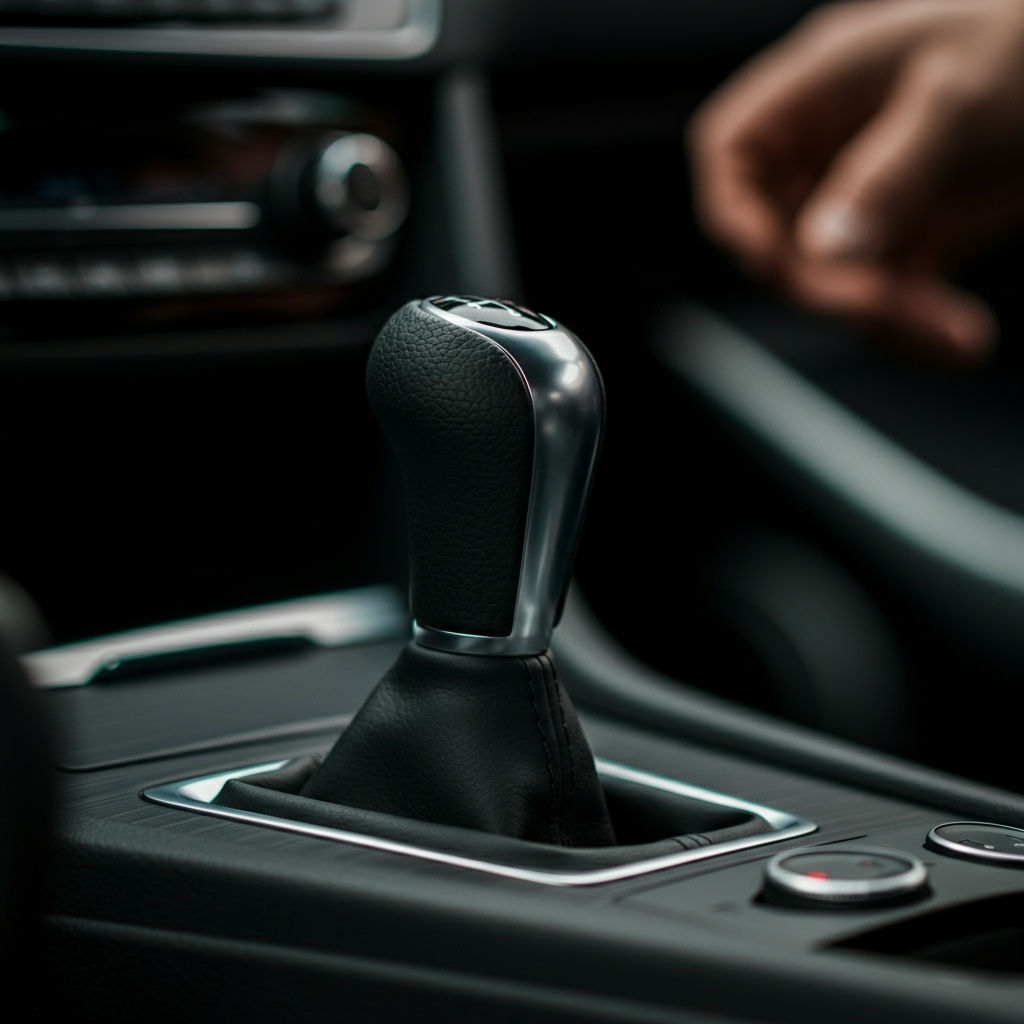
Both automatic and manual transmissions can produce telltale noises when they're in trouble. In an automatic transmission, slipping gears or harsh shifts are often accompanied by whining or clunking sounds. These issues can be due to low fluid levels, worn clutches, or internal damage. A manual transmission might exhibit grinding noises during gear changes, suggesting worn synchronizers. A constant whirring or rumbling sound, especially when accelerating or decelerating, could point to worn bearings within the transmission.
Step 4: Check for Brake Noises
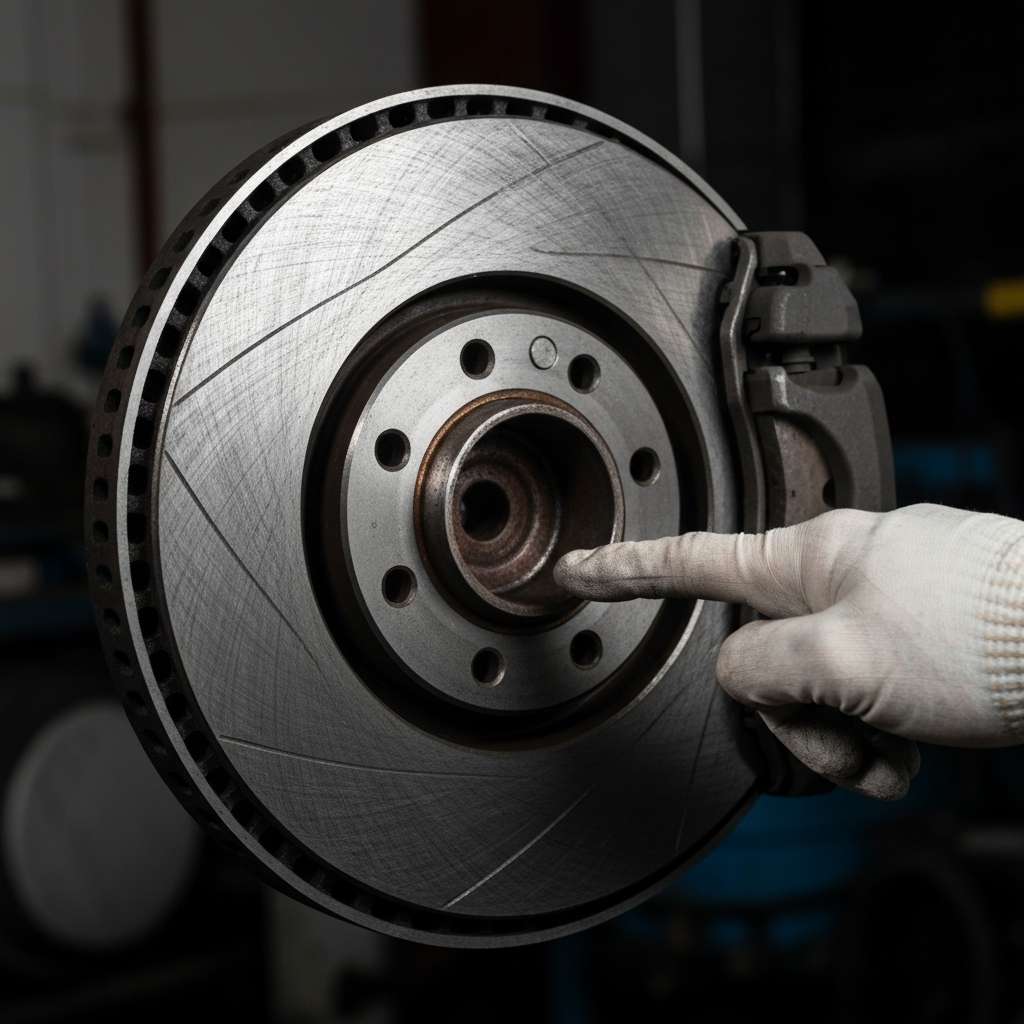
Brakes are designed to make some noise, but excessive or unusual sounds should be investigated. A high-pitched squeal when braking is a common sign of worn brake pads. A grinding noise suggests that the brake pads have worn down completely, and the metal backing plates are scraping against the rotors. This is a serious problem that can damage the rotors and reduce braking performance. A pulsating or thumping feeling when braking, accompanied by noise, may indicate warped rotors.
Step 5: Listen for Steering and Suspension Sounds
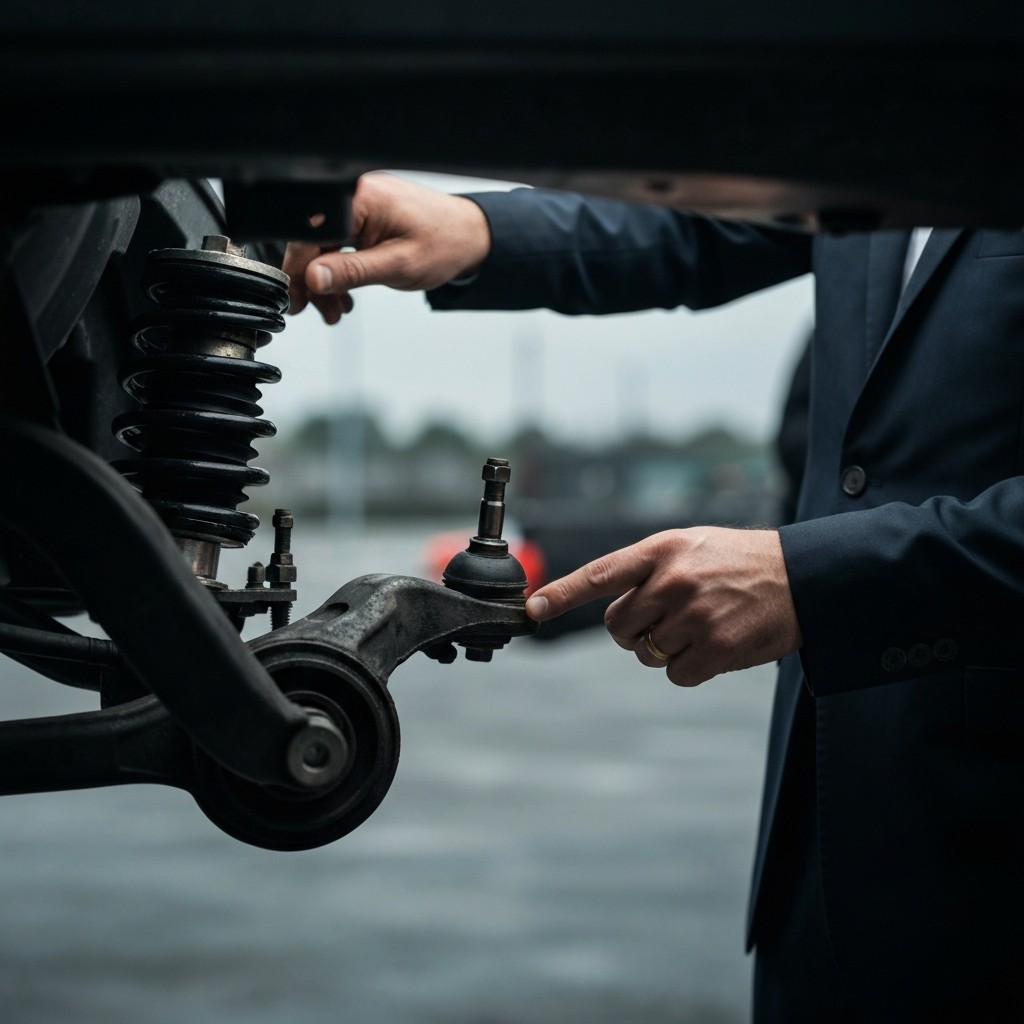
Problems in the steering and suspension systems often manifest as noises during turning or when driving over bumps. A groaning or whining sound when turning the steering wheel could indicate low power steering fluid or a failing power steering pump. Clunking or rattling sounds when driving over bumps may suggest worn-out shocks, struts, ball joints, or bushings. A squeaking noise could indicate worn sway bar bushings or other suspension components.
Step 6: Exhaust System Noises
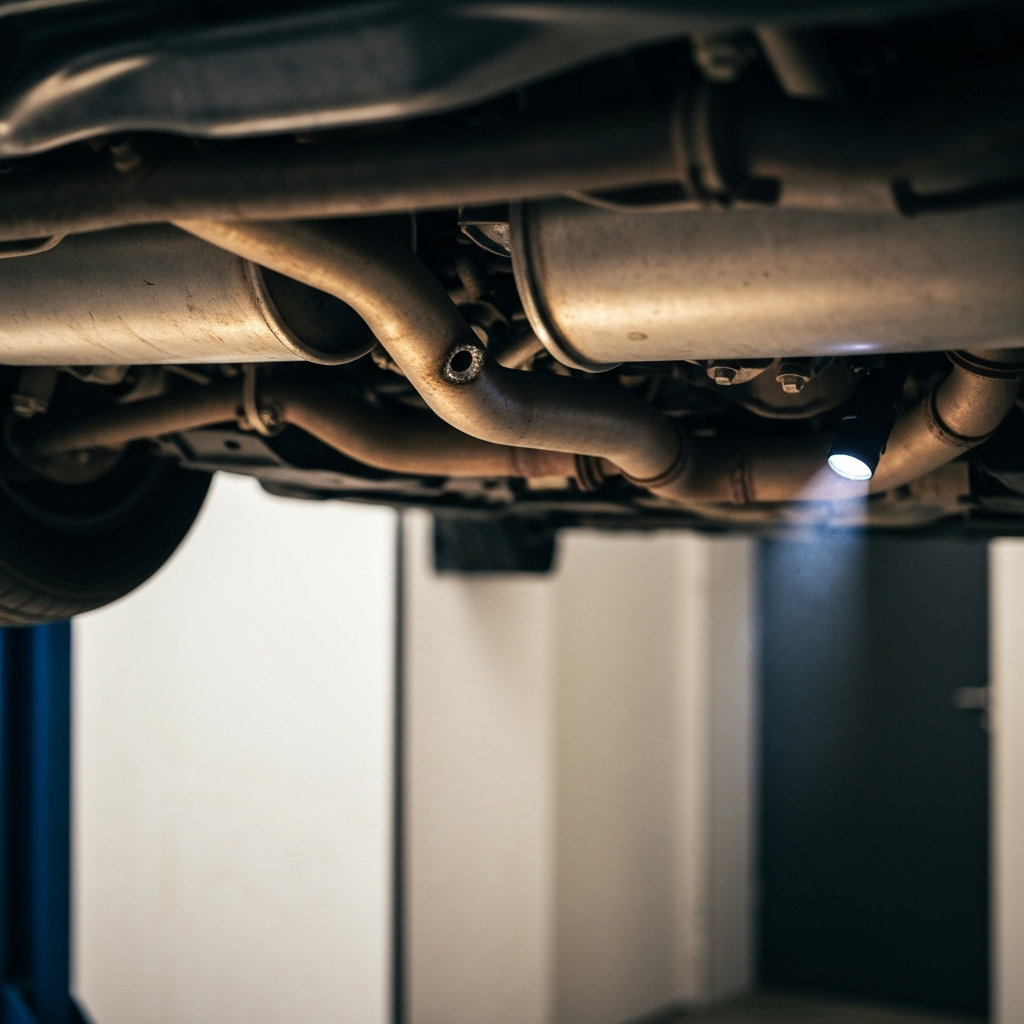
The exhaust system is prone to rust and damage, and leaks can create noticeable noises. A loud, rumbling or hissing sound coming from under the car usually indicates an exhaust leak. These leaks can occur at the manifold, catalytic converter, muffler, or tailpipe. A rattling sound could be a loose heat shield or a broken component within the exhaust system.
Step 7: Consider the Environment
Environmental factors can influence the sounds you hear. Cold weather can make some noises more pronounced, particularly engine noises at startup. Road surfaces can also affect tire noise and suspension sounds. Be aware of these factors when diagnosing car troubles by ear, and try to listen to your car under various conditions to establish a more complete baseline.

Tools or Materials Required
- Mechanic's stethoscope (optional, but helpful for pinpointing engine noises)
- Smartphone or recording device (for capturing and comparing sounds)
Common Mistakes to Avoid
- Ignoring subtle noises: Early detection is key. Don't dismiss faint sounds as insignificant.
- Misinterpreting normal sounds: Ensure you know what your car should sound like before trying to diagnose problems.
- Failing to provide enough information to the mechanic: The more details you can provide, the better.
Safety Considerations
- Never work under a vehicle supported only by a jack. Use jack stands.
- Wear safety glasses to protect your eyes.
- Disconnect the negative battery cable before working on electrical components.
Pro Tips
- Use a long screwdriver as a makeshift stethoscope by placing the handle to your ear and the tip on various engine components.
- Record sounds while driving and narrate the circumstances (speed, gear, etc.) for reference.
- Don't be afraid to ask for a second opinion from a trusted mechanic.
FAQ Section
Q: Can I really diagnose car problems with just my ears?
A: While not always definitive, listening carefully can provide valuable clues and help you identify potential problems early.
Q: What if I can't identify the noise?
A: That's okay! The goal is to notice *changes* in sound. If something sounds different, have it checked out.
Q: Is this a substitute for regular maintenance?
A: Absolutely not. This is a supplementary diagnostic tool, not a replacement for scheduled maintenance.
Conclusion
Developing your auditory diagnostic skills takes time and practice. However, mastering this skill can empower you to understand your car better, catch problems early, and communicate more effectively with mechanics. Remember to prioritize safety and consult a professional when in doubt. Happy listening!