Diagnosing car problems can seem daunting, especially when you're not a seasoned mechanic. However, your car often communicates its ailments through sound. By carefully listening to these sounds, you can pinpoint potential issues and take appropriate action, potentially saving yourself time, money, and a breakdown. This guide will walk you through the process of using your ears to identify common car troubles.
This isn't about becoming an expert overnight. It's about developing a sensitivity to your car's noises and understanding what those noises might indicate. Think of it as learning your car's language. Consistent listening and careful observation are key to improving your diagnostic skills.
While this guide can provide valuable insights, remember that some sounds can be deceiving, and professional diagnosis is always recommended for complex or persistent issues. Safety should always be your top priority. Never attempt repairs you're not comfortable with, and always consult a qualified mechanic when in doubt.
Let's get started and tune in to what your car is telling you!
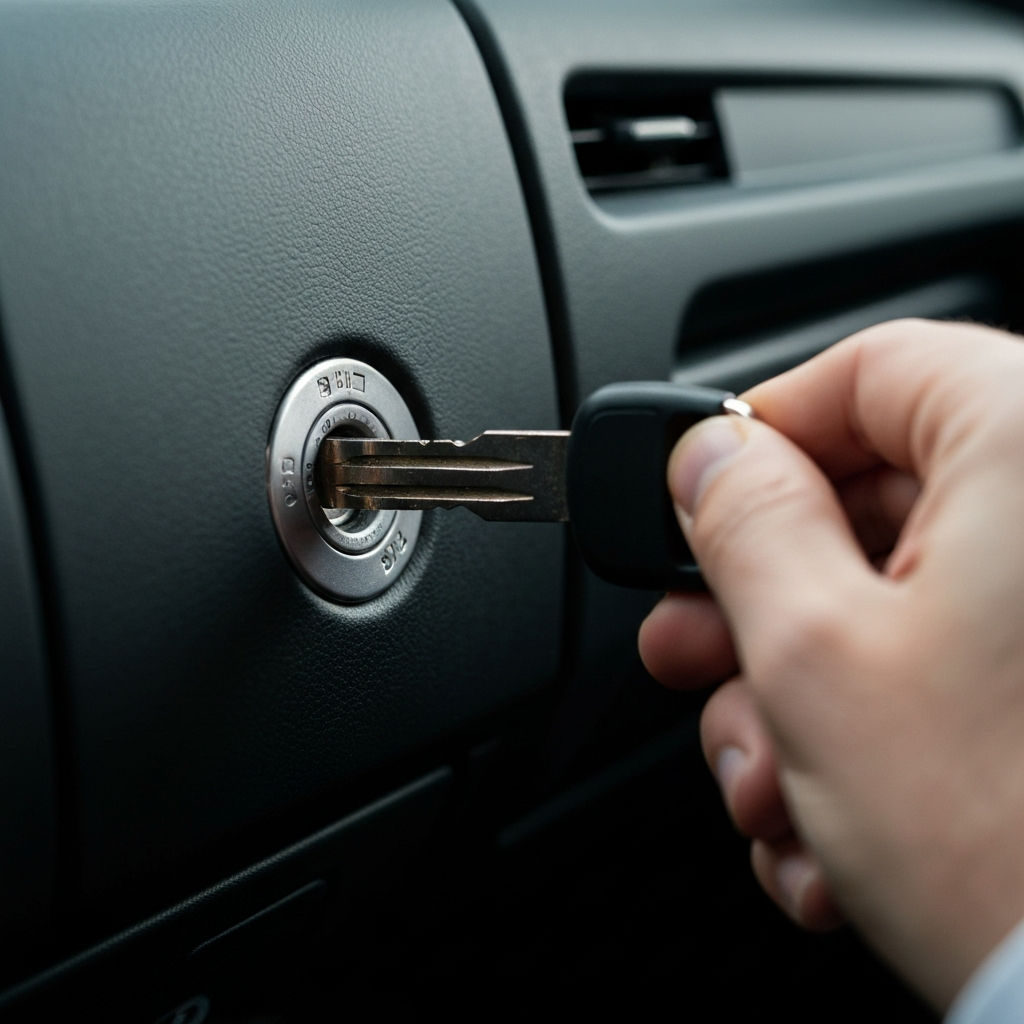
Step 1: Identifying Sounds at Startup
The sounds your car makes when you first start it can be very revealing. A healthy engine should start smoothly and quietly. Any deviations from this could point to specific problems. For example, a slow, labored cranking sound often indicates a weak battery or a failing starter motor. A clicking sound, without the engine turning over, is another common symptom of a dead or dying battery. Pay close attention to the sequence of sounds; a whirring sound followed by silence could mean a problem with the starter solenoid.
Step 2: Listening for Engine Noises at Idle
Once the engine is running, listen carefully to the sounds it makes while idling. A smooth, consistent idle is a sign of a healthy engine. Knocking or ticking sounds, especially if they become louder with increased RPMs, could indicate issues with the engine's internal components, such as worn bearings or lifters. A hissing sound could suggest a vacuum leak, while a rattling sound might be caused by loose heat shields or exhaust components. It's crucial to distinguish between different types of engine noises to narrow down the potential causes.

Step 3: Diagnosing Sounds While Driving
The sounds your car makes while in motion can reveal a whole new set of potential problems. A whining sound that increases with speed is often associated with the transmission or differential. A rhythmic clicking or thumping sound could indicate a problem with the tires or wheel bearings. Pay attention to when the sounds occur - are they present all the time, only when accelerating, braking, or turning? Squealing noises during braking are usually a sign of worn brake pads.

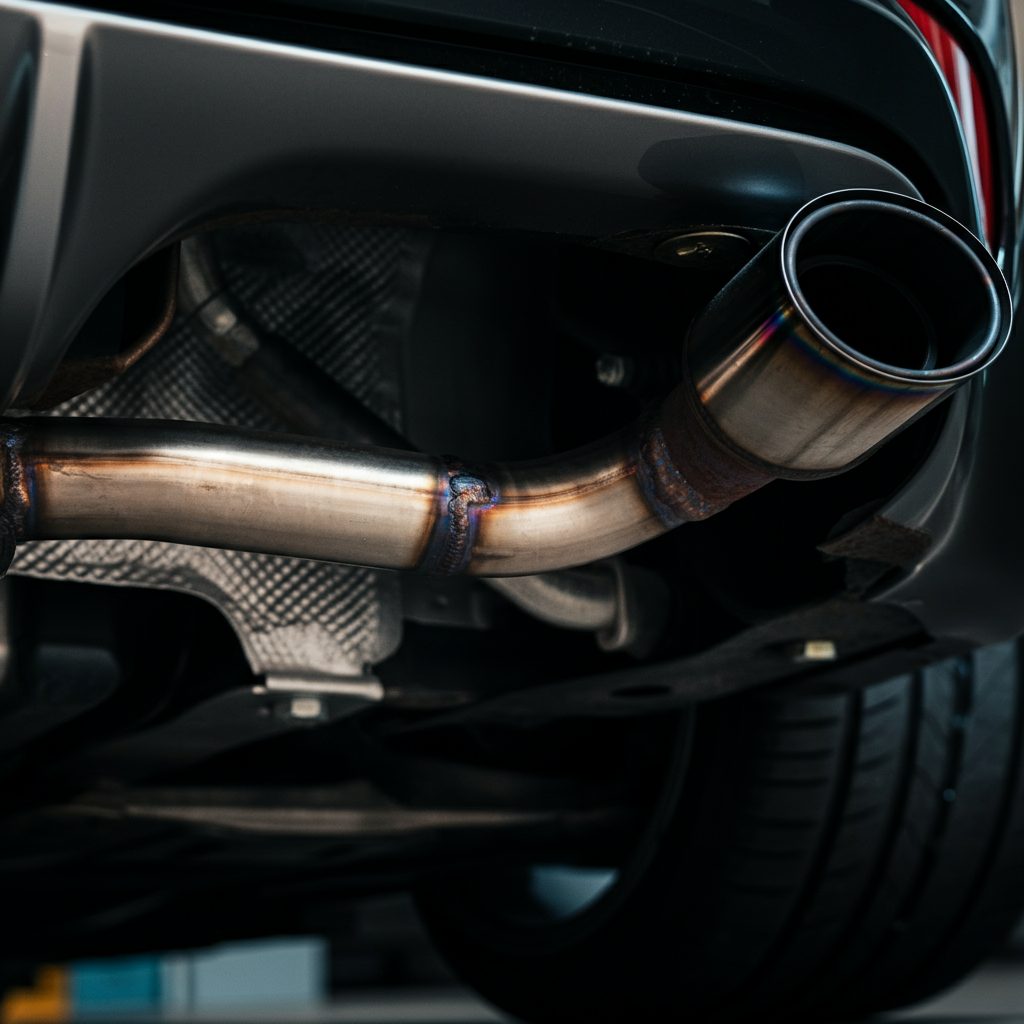
Step 4: Identifying Exhaust System Sounds
The exhaust system is another potential source of noise. A hissing or puffing sound coming from under the car is a telltale sign of an exhaust leak. A rattling sound could be caused by a loose or damaged catalytic converter or muffler. A roaring or rumbling sound, especially if it's louder than usual, often indicates a hole or crack in the exhaust system. It's essential to address exhaust problems promptly, as they can affect fuel efficiency and potentially release harmful emissions.
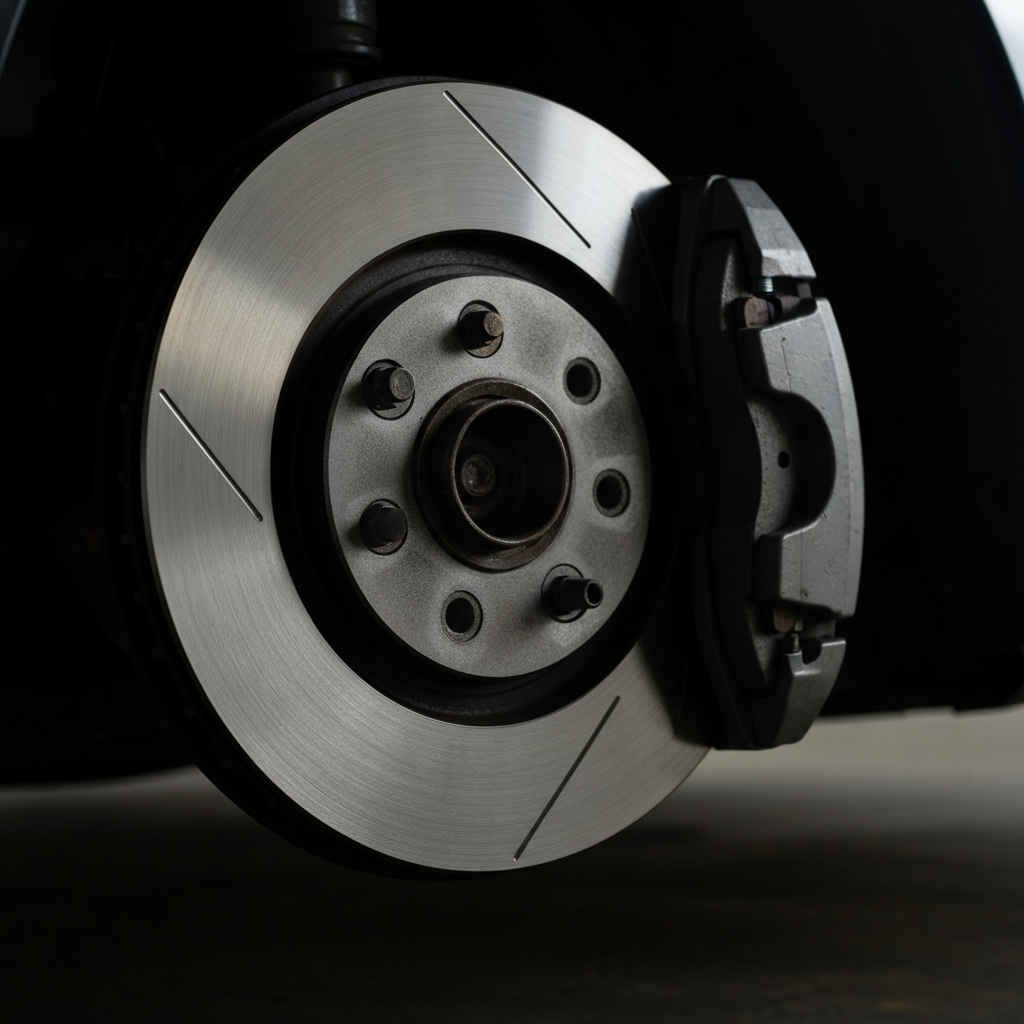
Step 5: Evaluating Sounds When Braking
Brake sounds are often straightforward indicators of brake system health. Squealing or screeching noises when braking are almost always due to worn brake pads. Grinding sounds, on the other hand, indicate that the brake pads are completely worn down and the metal backing plate is rubbing against the rotor, which is a serious issue. Pulsating during braking can signify warped rotors. Ignoring these sounds can lead to more significant damage and compromise your safety.
Step 6: Power Steering Pump Diagnosis
A whining noise that changes or intensifies when you turn the steering wheel is a classic sign of power steering pump issues. This can be due to low power steering fluid, a failing pump, or a blockage in the system. Check your power steering fluid reservoir immediately if you hear this noise. It's crucial to prevent the pump from running dry, as this can cause permanent damage.

Tools or Materials Required
- A quiet environment to listen effectively
- A notepad and pen to record observations
- A flashlight for visual inspection (to confirm sound locations)
Common Mistakes to Avoid
- Ignoring unusual sounds, hoping they will disappear on their own.
- Misinterpreting sounds without careful consideration of context.
- Attempting repairs without proper knowledge or tools.
Safety Considerations
- Always wear appropriate safety gear, such as eye protection and gloves, when working on your car.
- Never work under a car supported only by a jack. Use jack stands.
- Disconnect the negative battery cable before working on any electrical components.
Pro Tips
- Record the sounds with your phone to share with a mechanic.
- Have someone else drive while you listen carefully from different positions inside the car.
- Consult your car's owner's manual for information on normal operating sounds.
FAQ Section
- Q: What does a clicking sound when turning usually indicate?
- A: Often, it indicates a worn CV joint.
- Q: Is a squealing belt always a sign of a bad belt?
- A: Not always. It can also be caused by a loose belt or a pulley misalignment.
- Q: What should I do if I'm unsure about a sound?
- A: Consult a trusted mechanic for a professional diagnosis.
Conclusion
Learning to diagnose car troubles using only sound takes time and practice, but it's a valuable skill that can save you money and help you stay safe on the road. By carefully listening to your car, understanding the common noises associated with different problems, and consulting with professionals when needed, you can become a more informed and proactive car owner. Remember, early detection is key to preventing minor issues from becoming major repairs. So, keep your ears open and happy motoring!