Your car speaks volumes, often before it shows any visible signs of distress. Becoming adept at listening to your vehicle can save you time, money, and potential roadside headaches. While modern diagnostics rely heavily on electronic readers, a trained ear can often pinpoint the source of a problem with remarkable accuracy. This guide provides a step-by-step approach to diagnosing common car troubles using your sense of hearing.
The sounds a car makes—or doesn't make—can offer vital clues about its health. From the rhythmic hum of a well-tuned engine to the jarring clunk of a failing suspension component, each noise tells a story. By learning to differentiate between these sounds, you can identify potential issues early on, preventing them from escalating into major repairs. Remember, consistent vigilance is key. Regular listening sessions during your commutes will familiarize you with your car's normal sounds, making abnormal noises much easier to detect.
This is not a replacement for professional mechanical advice. If you are unsure about the cause of a noise or are uncomfortable performing any inspection or repair, consult a qualified mechanic.
Step 1: Engine Starting Issues
Listen for Cranking Speed and Unusual Noises
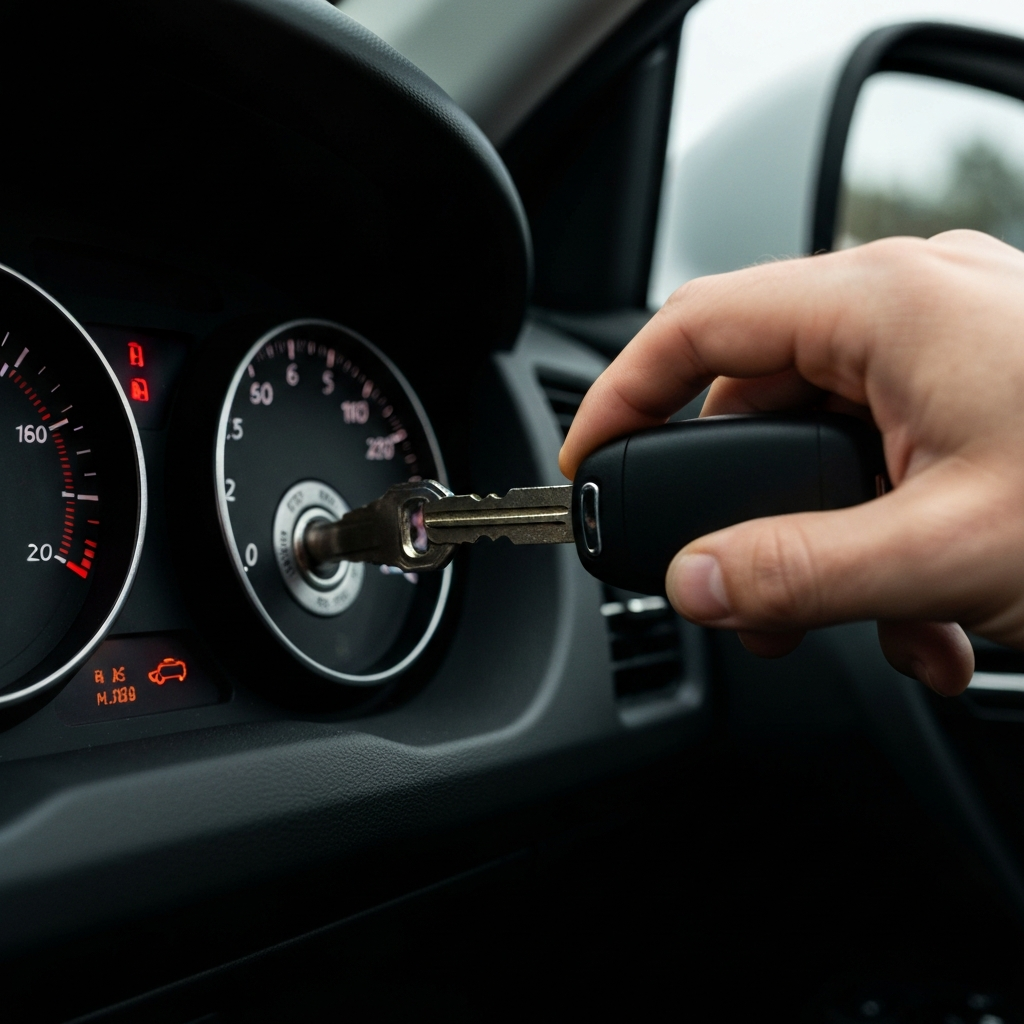
The sound your engine makes when you attempt to start it can reveal a lot about the battery, starter motor, and even the engine's compression. A healthy engine should crank over quickly and evenly. A slow, labored cranking sound often indicates a weak battery or a failing starter motor. Listen carefully for clicking sounds, which might indicate a dead battery or a faulty solenoid. A grinding noise could signal a problem with the starter motor's gears failing to properly engage with the flywheel.
Step 2: Engine Running Noises
Identify Ticking, Knocking, and Whining Sounds
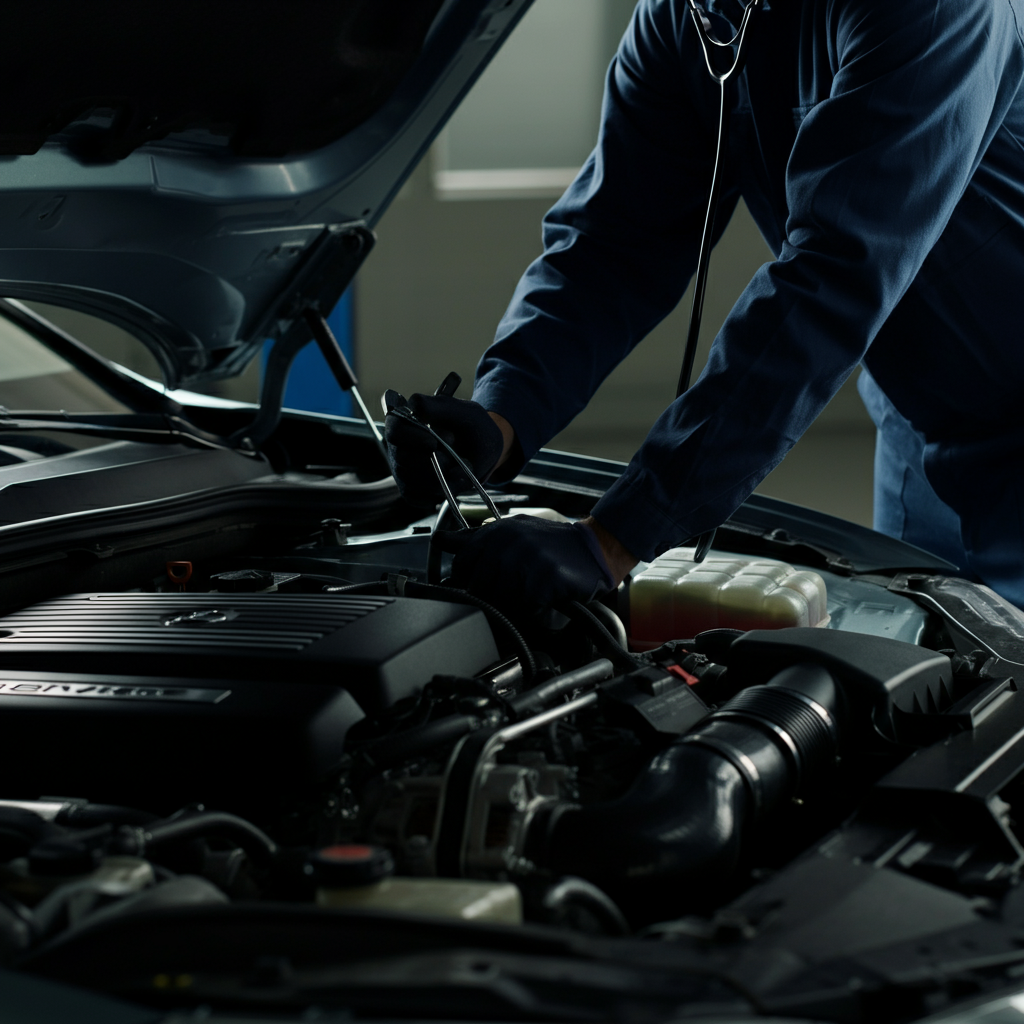
Once the engine is running, a new set of noises become relevant. A consistent ticking sound, especially one that speeds up with engine RPM, can indicate worn valve lifters or low oil pressure. A deep knocking sound, often described as "rod knock," is a serious sign of internal engine damage, such as worn connecting rod bearings. A high-pitched whining sound could be a sign of a failing alternator, power steering pump, or idler pulley. Use a mechanic's stethoscope (or a long screwdriver held to your ear) to help pinpoint the source of the noise.
Step 3: Exhaust System Noises
Listen for Leaks and Rattling
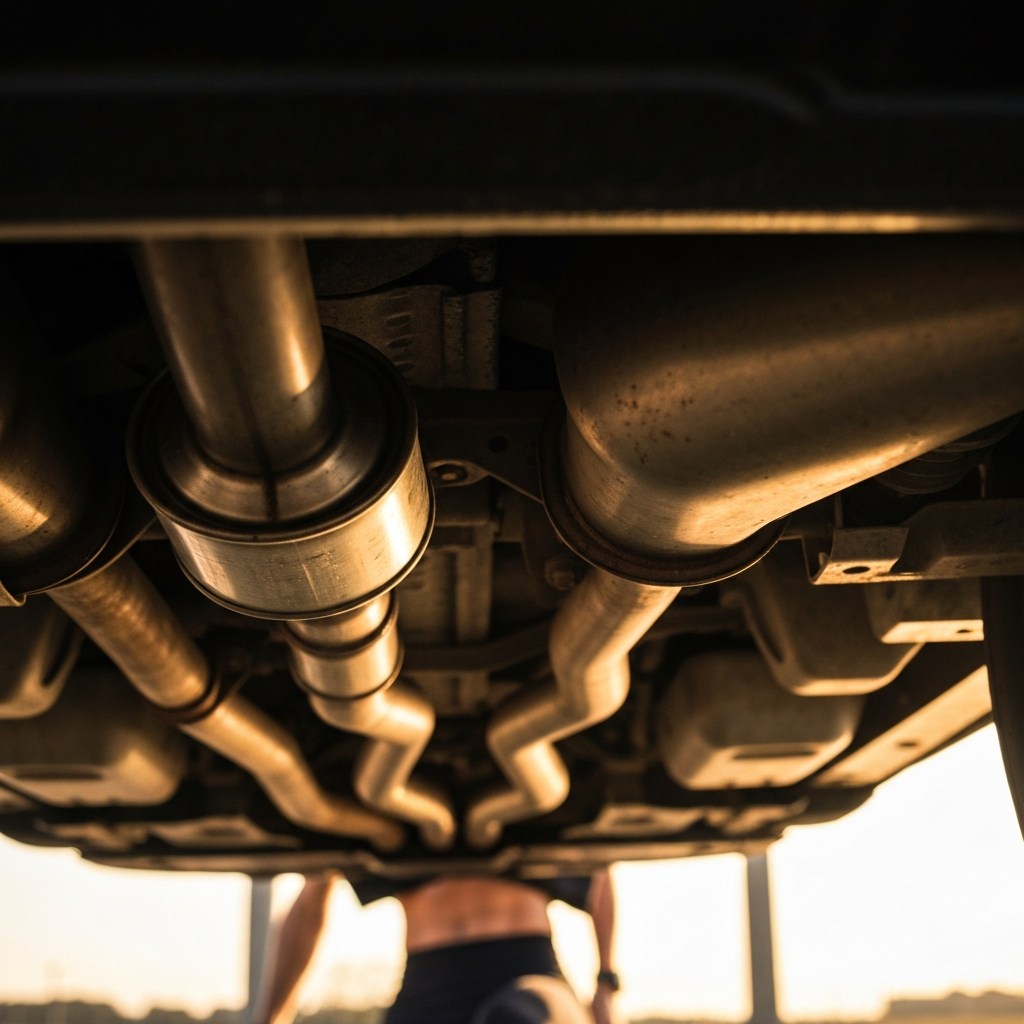
The exhaust system is another common source of unusual noises. A hissing or roaring sound, particularly when accelerating, often indicates an exhaust leak. Exhaust leaks can be dangerous, as they can allow harmful gases to enter the cabin. A rattling sound, especially when the engine is idling or at low speeds, could be caused by a loose heat shield, a damaged catalytic converter, or a broken muffler. Carefully inspect the entire exhaust system for signs of damage or corrosion.
Step 4: Transmission Noises
Check for Whining, Clunking, and Slipping
Transmission problems often manifest as distinct noises. A whining sound that changes with vehicle speed could indicate a problem with the transmission's internal gears or bearings. A clunking sound when shifting gears might be a sign of worn or damaged synchronizers. If you experience a slipping sensation when accelerating, accompanied by a change in engine RPM without a corresponding increase in speed, the transmission's clutches may be worn. Pay attention to whether the noises are present in all gears or only in specific gears.

Step 5: Suspension System Noises
Identify Clunking, Squeaking, and Groaning Sounds
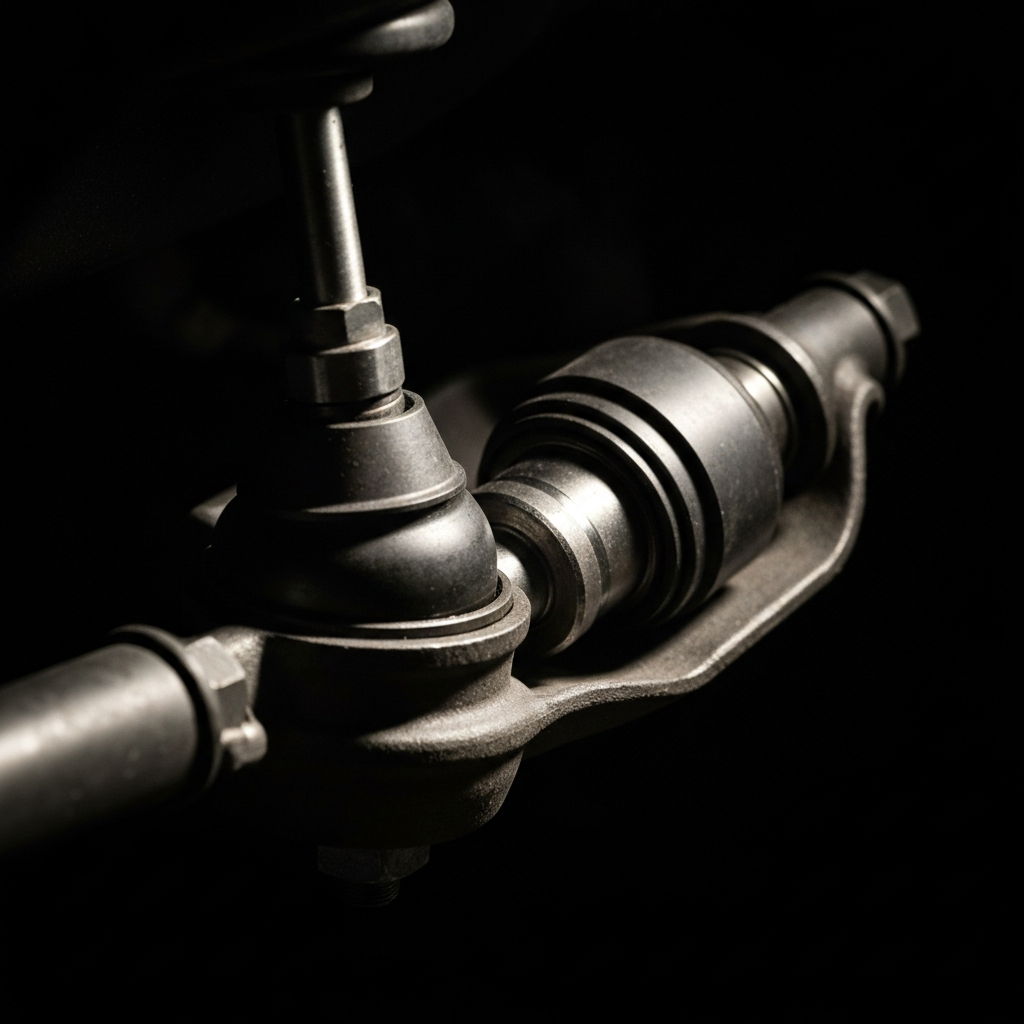
The suspension system is responsible for a smooth and comfortable ride, and any unusual noises coming from this area should be investigated promptly. A clunking sound, especially when going over bumps, is often caused by worn ball joints, tie rod ends, or sway bar links. A squeaking sound, particularly when turning the steering wheel or going over uneven surfaces, could be a sign of worn bushings or dry ball joints. A groaning sound might indicate a problem with the power steering system or worn strut mounts. Ignoring these noises can lead to impaired handling and increased tire wear.
Step 6: Brake System Noises
Listen for Squealing, Grinding, and Scraping Sounds
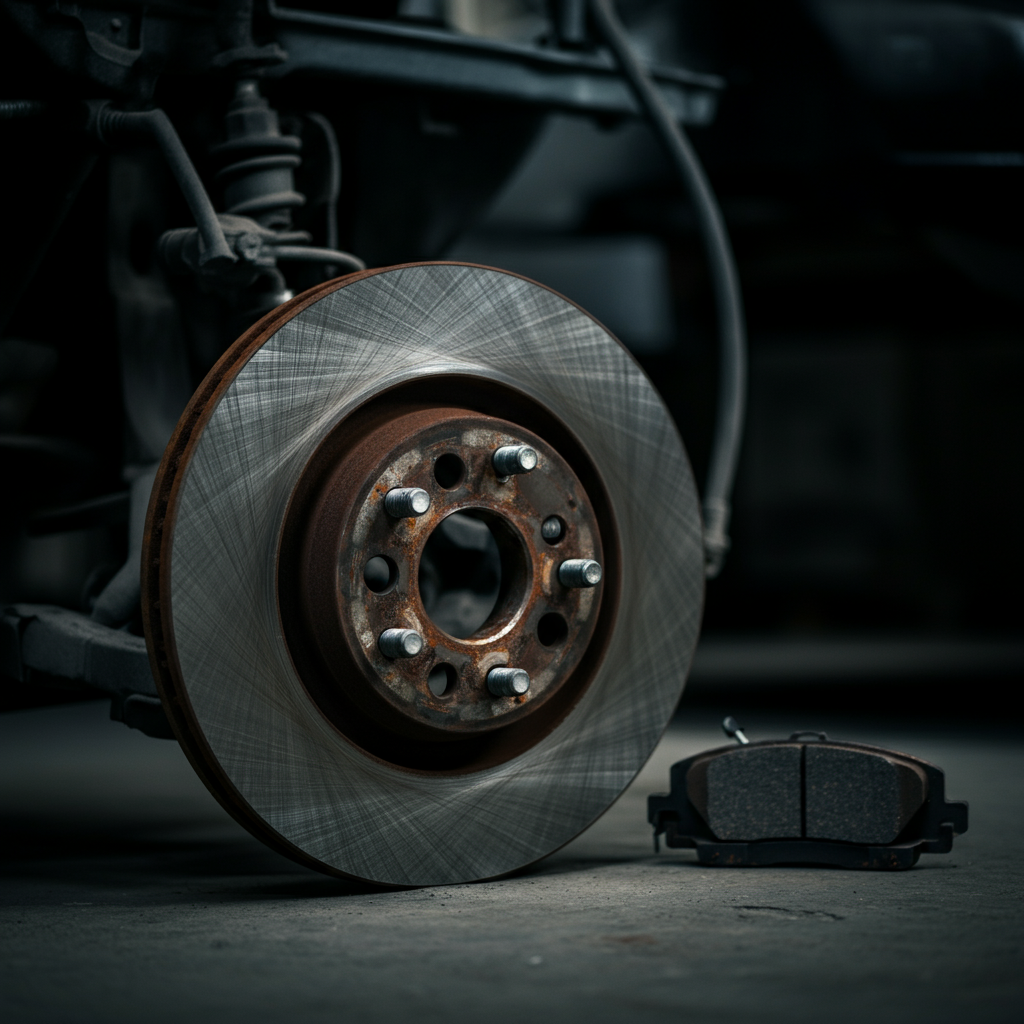
Brake system noises are crucial to address immediately, as they directly impact your safety. A high-pitched squealing sound when braking is often caused by worn brake pads. Some brake pads have built-in wear indicators that make this noise when the pads are nearing the end of their life. A grinding sound indicates that the brake pads are completely worn and the metal backing plate is rubbing against the brake rotor. This can cause serious damage to the rotors and significantly reduce braking performance. A scraping sound could be caused by debris caught between the brake pad and the rotor. Never ignore unusual brake noises.
Tools or Materials Required
- Mechanic's stethoscope (optional, but highly recommended)
- Long screwdriver (can be used as a makeshift stethoscope)
- Jack and jack stands (for safely inspecting suspension and exhaust systems)
- Wheel chocks
Safety Considerations
- Always use jack stands when working under a vehicle. Never rely solely on a jack.
- Allow the engine and exhaust system to cool down completely before inspecting them.
- Wear safety glasses and gloves when working on your car.
- If you are unsure about any procedure, consult a qualified mechanic.
FAQ Section
Q: How often should I listen to my car for unusual noises?
A: Ideally, you should listen to your car every time you drive it. Pay particular attention during the first few minutes of operation, as this is when many noises are most noticeable.
Q: Can I diagnose all car problems just by listening?
A: No, some problems require visual inspection or diagnostic tools. However, listening carefully can help you narrow down the possible causes and provide valuable information to your mechanic.
Q: What if I can't identify the source of the noise?
A: If you're unsure about the cause of a noise, it's best to consult a qualified mechanic. They have the expertise and equipment to accurately diagnose the problem.
In conclusion, developing your listening skills is a valuable asset in car maintenance. By paying attention to the sounds your car makes, you can detect potential problems early on, saving you time, money, and potential safety risks. Remember to prioritize safety and consult a professional when in doubt. Happy listening!